
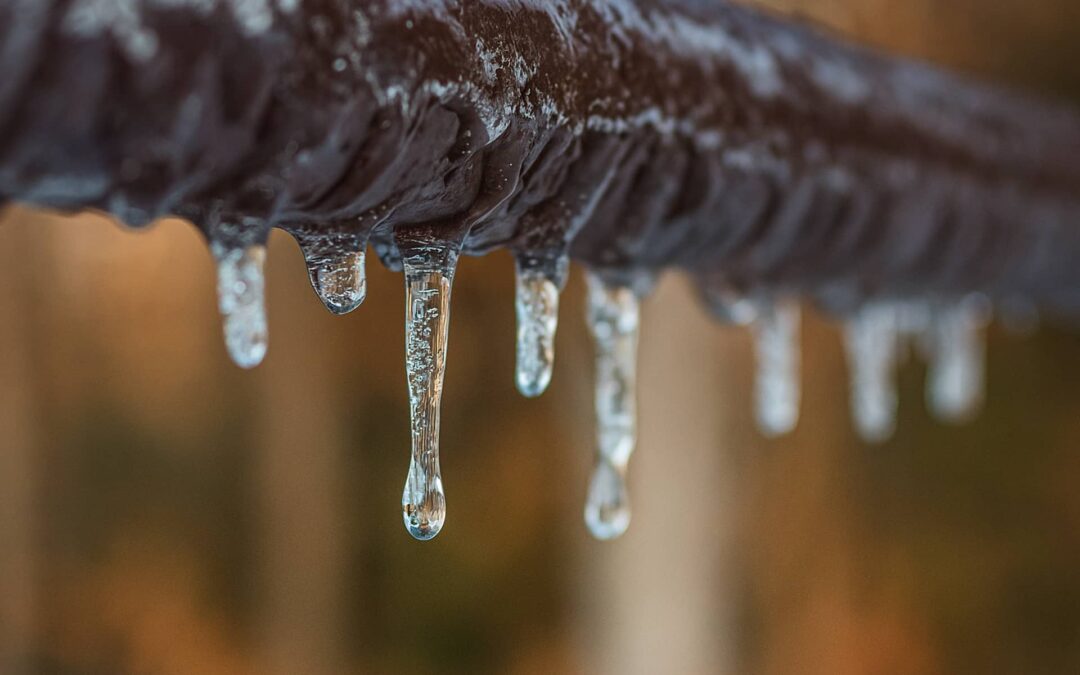
If you’re wondering how to keep exterior pipes from freezing this winter, you’re not alone. Every year, Long Island homeowners face the same challenge. Frigid winds, snow buildup, and sudden temperature swings that push outdoor and crawl space plumbing to the breaking point. When ice forms inside a pipe, pressure builds fast, and even a small crack can unleash gallons of water in minutes.
Because Long Island’s coastal climate magnifies these risks, unprotected exterior lines and hose bibs are especially vulnerable. The good news? With the right insulation, sealing, and maintenance steps, you can prevent costly frozen pipe repairs before they start.
Here’s how to keep your pipes from freezing this winter, and what to do if the power goes out.
Want a Warmer House This Winter? Contact Us to Discuss Your Home Insulation Options and Leave the Cold Outside This Winter!
Why Pipes Freeze and Burst
When temperatures dip below freezing, the water inside your pipes can quickly become your home’s biggest threat. As water turns to ice, it expands by nearly 9%, creating immense pressure inside the pipe walls. If that pressure has nowhere to go, it forces weak points to rupture, often at joints, elbows, or threaded fittings.
Most frozen pipe disasters start in places where warmth can’t reach: uninsulated walls, drafty basements, open crawl spaces, and exposed exterior lines. Even a small gap near a sill plate or vent can funnel frigid air toward your plumbing, setting the stage for a costly burst.
At-Risk Areas in Long Island Homes
Not all parts of your home face the same risk. Here in Long Island, the mix of older coastal homes, ranches, and basement apartments makes some areas especially vulnerable.
Here’s where frozen pipes strike most often:
- Exterior Faucets and Hose Bibs: Constantly exposed to freezing air and wind.
- Unheated Crawl Spaces: Cold air enters through vents or cracks, freezing pipes along the foundation.
- Attics and Exterior Walls: Minimal insulation allows rapid temperature drops.
- Garages and Utility Rooms: Often unheated but contain key water lines.
- Basement Rim Joists and Sill Plates: Common sources of air leaks that chill nearby pipes.
Homeowners in coastal or older Long Island homes are at the highest risk, where original plumbing often runs close to uninsulated exterior walls.
Request a Crawl Space and Exterior Pipe Inspection.
How to Keep Pipes from Freezing: A Step-by-Step Guide
Protecting your plumbing from freezing temperatures doesn’t require complex tools, just consistency and smart prevention. Follow this homeowner checklist to stay ahead of the cold.
Insulate and Seal
- Wrap Pipes: Wrap pipes in foam insulation or fiberglass sleeves, especially those near exterior walls or crawl spaces.
- Air Seal Cracks: Air seal cracks and gaps near rim joists, vents, and sill plates to block cold drafts.
- Add Insulation: Add insulation to attics, basements, and crawl spaces to maintain stable indoor temperatures.
Maintain Warm Airflow
- Watch Temps: Keep indoor temperatures above 55°F, even when you’re away.
- Open Cabinets: Open under-sink cabinets to let warm air circulate around plumbing.
- Use Heaters: Use safe space heaters in unheated areas such as garages or utility rooms.
Shut, Drain, and Disconnect
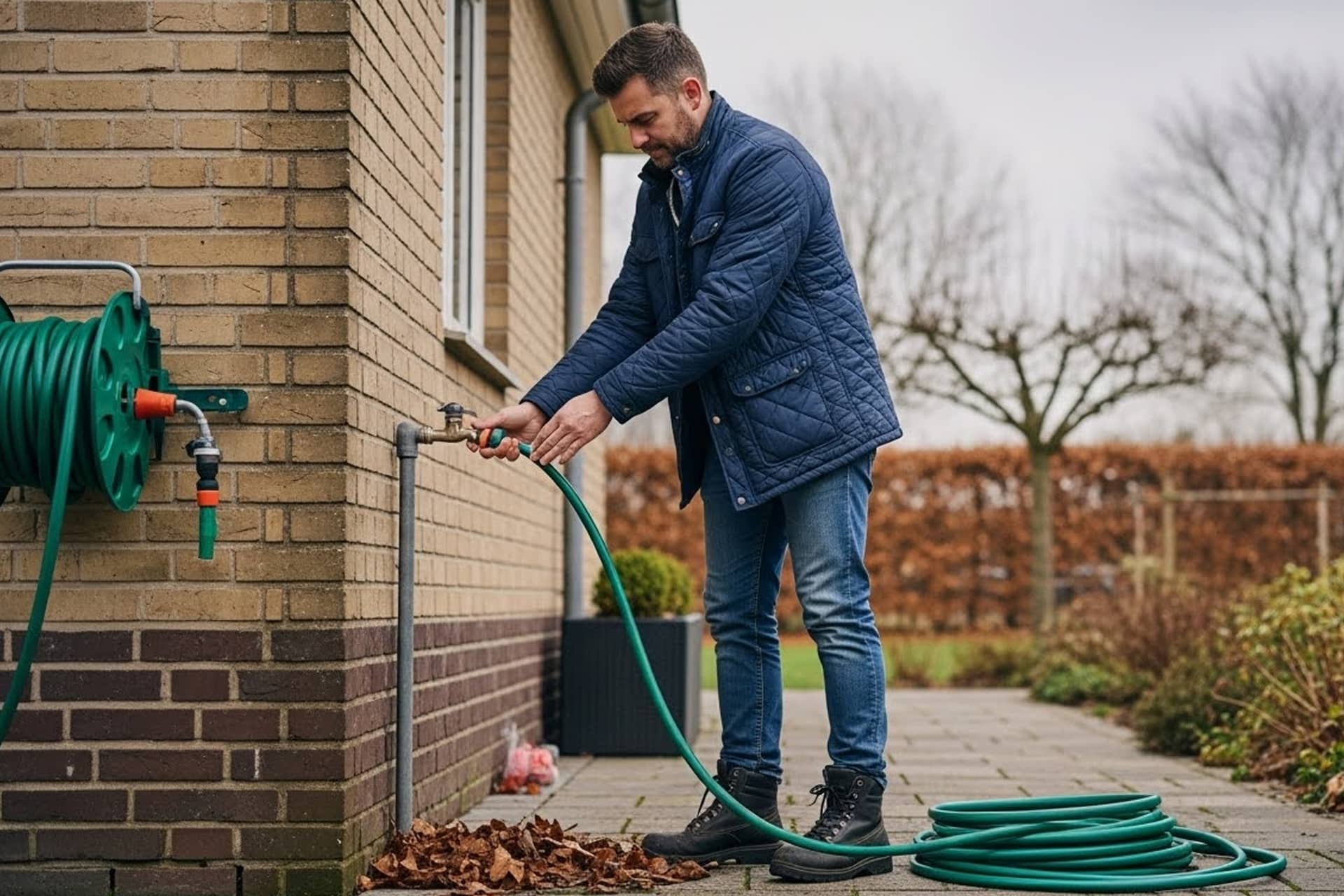
- Turn Off Faucets: Turn off outdoor valves and drain any connected hose lines before temperatures drop.
- Disconnect Hose: Disconnect garden hoses to prevent water from freezing and backing up into the faucet.
Add a Steady Drip
- Let Faucets Drip: Let faucets drip slowly during severe cold to relieve pressure inside your pipes and keep water moving.
How to Keep Exterior Pipes from Freezing
Knowing how to keep exterior pipes from freezing is crucial in Long Island’s harsh winter climate. Exterior pipes freeze faster because they’re exposed directly to cold air, moisture, and wind chill, especially along coastal homes or foundations with open vents.
To protect these high-risk lines, follow these proven prevention steps:
- Install Faucet Covers: Install insulated faucet covers on outdoor spigots to block freezing air.
- Wrap Exposed Pipes: Wrap exposed pipes with heat tape or thermostatic heating cables to keep water lines warm automatically.
- Close Crawl Space Vents: Close crawl space vents during deep freezes to trap heat and stop cold drafts from circulating under your home.
- Clear Snow Away: Clear snow away from walls, pipe exits, and vents so cold air doesn’t funnel directly into vulnerable areas.
These measures create a protective barrier between your plumbing and the winter elements, reducing the chance of frozen or burst pipes.
Schedule a Professional Pipe and Crawl Space Winterization Inspection.
How Much of a Drip to Keep Pipes from Freezing
Homeowners often wonder exactly how much of a drip to keep pipes from freezing during extreme cold. The answer is simple but important: Let faucets drip about one drop every few seconds, roughly a pencil-thin stream.
This slow, steady flow relieves built-up pressure inside your plumbing and keeps water moving just enough to prevent it from freezing. During deep freezes, remember to run both the hot and cold lines.
Allowing both to drip helps balance temperature differences that can otherwise cause pipes to freeze unevenly, especially in older or mixed-metal plumbing systems. If your pipes already feel frozen, act fast. Don’t wait for pressure to build and cause a burst.
If Your Pipes Already Froze or Cracked, Call Zavza Seal for Emergency Service.
How to Keep Pipes from Freezing Without Power
When the lights go out and the furnace shuts off, it’s crucial to know how to keep pipes from freezing without power. Heat loss happens fast in winter blackouts, and unheated crawl spaces or exterior lines are the first to freeze.
Here’s how to protect your plumbing when heat sources fail:
- Drain Water: Drain water from exposed lines before temperatures drop when an outage is expected.
- Wrap Pipes: Wrap pipes in thick towels, blankets, or even sleeping bags to create temporary insulation.
- Use Warmers: Use hand warmers or battery-powered heating pads if available to generate localized warmth.
- Open Cabinets: Open cabinets and concentrate warm air in smaller areas, especially near sinks and exterior walls.
Even during extended outages, simple insulation and air sealing can buy you critical time to prevent burst pipes.
Ask About Battery-Ready and Generator-Safe Heating Solutions.
What to Do If Your Pipes Freeze
If you discover that your pipes have already frozen, don’t panic, but act immediately to prevent water damage.
Follow these steps:
- Turn off the main water supply to stop additional water from entering the system.
- Open all faucets to relieve pressure throughout the plumbing.
- Warm pipes gradually using a hair dryer or heat gun, starting near the faucet end.
- Never use open flames. They can cause serious fire hazards or damage.
- Call a professional if you notice cracks, bulging, or leaks once water starts flowing again.
For serious damage, professional help may be needed to prevent structural or mold issues.
Preventing Frozen Pipes in a Farmingdale Crawl Space
A homeowner in Farmingdale, NY experienced frozen exterior pipes and moisture seepage during a January cold snap. The crawl space beneath their ranch home allowed icy air to circulate freely, freezing lines near the foundation.
Our Solution:
Zavza Seal’s team sealed all foundation vents, added insulation around exposed pipes, and installed a reinforced vapor barrier across the crawl space floor to stabilize humidity and temperature.
Result:
Since installation, the homeowner has experienced no freezing, leaks, or condensation issues, even during multiple subzero nights.
Get a Professional Crawl Space Winterization Quote Today.
How to Keep Your Pipes from Freezing: Final Thoughts
We hope this blog has helped you better understand how to keep your pipes from freezing during the winter. Remember, frozen pipes are a threat to your home’s insulation, foundation, and comfort.
Preventing them requires a mix of insulation, air sealing, and steady maintenance, especially in vulnerable coastal regions like Long Island. A little prevention now can save thousands in repairs later. Before temperatures drop again, take the smart step toward full winter protection.
Schedule Your Free Frozen Pipe Prevention Inspection Before the Next Freeze Hits.