
Blog
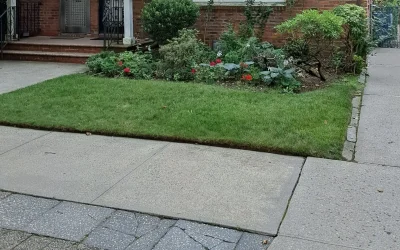
Road Salt Damage to Concrete Driveways and Pavers: How to Spot It, Stop It and Fix It
Salt keeps your driveway safe to walk on in winter. But over time, it can also quietly wear your driveway down. The short answer: yes, road salt can damage concrete driveways and pavers. Salt pulls...
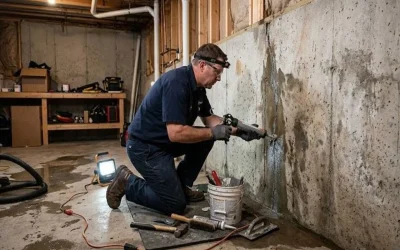
What Do Waterproofing Services Include for a Home With a Damp Basement?
A damp basement can be more than an occasional inconvenience. Moisture along foundation walls, musty odors, peeling paint, and standing water may indicate that water is entering the home through...
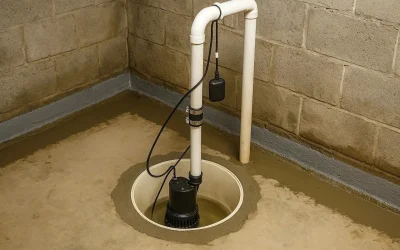
How Do the Best Waterproofing Contractors Verify That a Sump Pump System Is Working Correctly?
A sump pump plays an important role in keeping basements dry, especially in buildings where groundwater can collect around the foundation. However, simply having a sump pump installed does not...
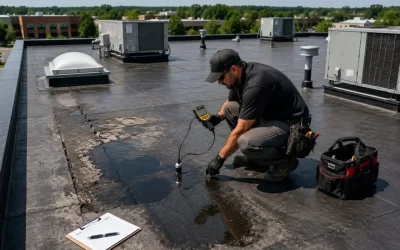
How Do Commercial Waterproofing Contractors Identify Hidden Moisture Problems in Commercial Buildings?
Moisture problems inside commercial buildings are not always easy to recognize. Water can enter through small openings in exterior walls, roof assemblies, foundation joints, and poorly sealed...
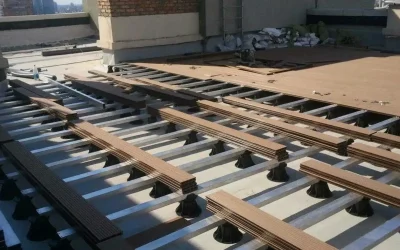
How Do Deck Waterproofing Contractors Protect Decks From Freeze-Thaw Damage?
A deck may look perfectly solid when the weather is mild, yet repeated freezing and thawing can quietly create problems beneath the surface. Water gets into small cracks, pores, joints, and gaps....
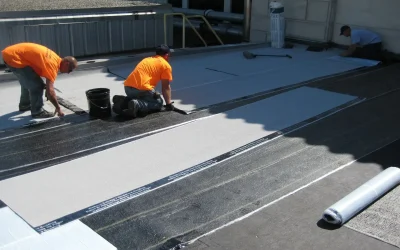
How Do Commercial Waterproofing Contractors Handle Waterproofing Around Expansion Joints?
Expansion joints are one of the more complicated areas to waterproof in a commercial building. They exist for a good reason: buildings move. Concrete expands and contracts with temperature changes,...
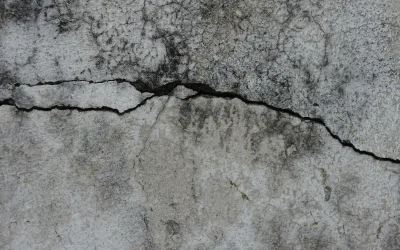
Horizontal Crack in Basement Wall: Serious or Not?
Not all basement wall cracks are a sign of serious damage, but a horizontal crack in a basement wall should never be ignored. Unlike some vertical cracks, horizontal foundation cracks can indicate...
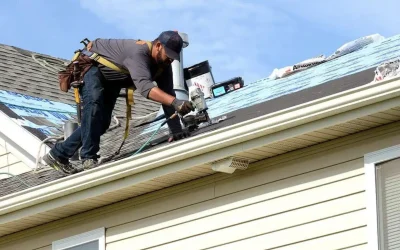
How Do Residential Waterproofing Contractors Protect Homes From Water Entering Through Exterior Joints?
Water does not always enter a home through an obvious crack or a large opening. Sometimes, the pathway is much smaller: a joint between two building materials, a gap around a window, a transition...
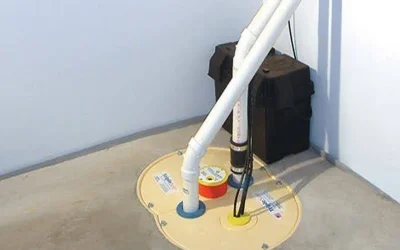
What Does Basement Waterproofing Include for Homes With a High Water Table?
A basement can stay dry for months and suddenly develop water problems after heavy rain, a seasonal groundwater rise, or a change in drainage conditions. If your home sits in an area with a high...
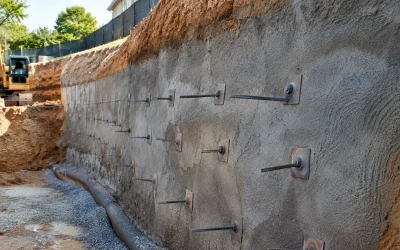
Soil Nailing: How Soil Nail Walls Work and When They Are Used
Soil can become unstable when digging, construction, or changes in ground level affect the support around it. This can lead to soil movement, slope failure, or pressure on nearby structures. Soil...
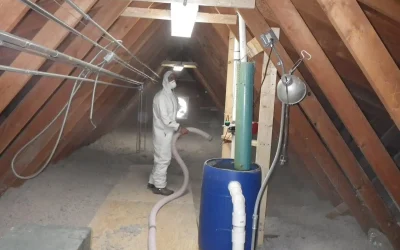
How Do Attic Insulation Services Find and Seal Hidden Air Leaks Above Your Ceiling?
Air leaks above your ceiling can make a home uncomfortable even when the heating or cooling system is working properly. Warm air escapes into the attic in winter, cold air leaks in, and moisture can...
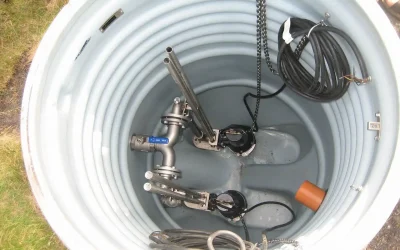
What Happens Step by Step During an Interior Foundation Waterproofing Installation?
Interior foundation waterproofing in Brooklyn is often recommended when water keeps finding its way into a basement despite gutters, grading, and surface repairs. Many homeowners hear the term and...
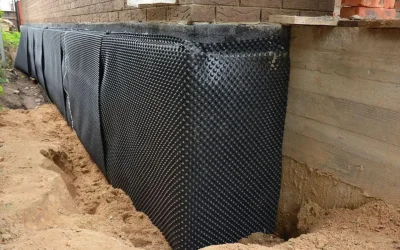
How Do Waterproofing Contractors Decide Between Interior and Exterior Waterproofing Systems?
Water entering a basement or foundation can create more than a few damp spots. It may damage stored belongings, finished walls, flooring, and insulation. It can also affect indoor air quality when...
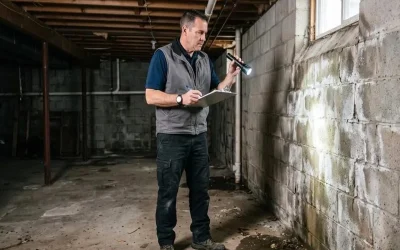
What Do the Best Waterproofing Contractors Check During a Complete Basement Inspection?
A basement can look perfectly dry on a sunny afternoon and still have a serious moisture problem. Water may seep through foundation cracks, collect beneath the floor, or enter through poorly drained...
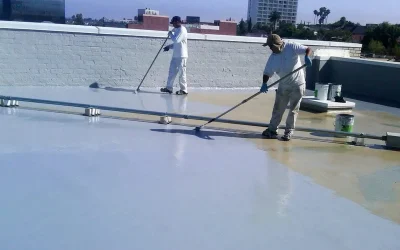
How Can Home Waterproofing Services Help Protect Walls, Floors, and Interior Finishes?
Water can be one of the quietest threats to a home. A small damp spot on a wall may not look serious at first. A little moisture beneath a floor may go completely unnoticed. Yet, over time,...