
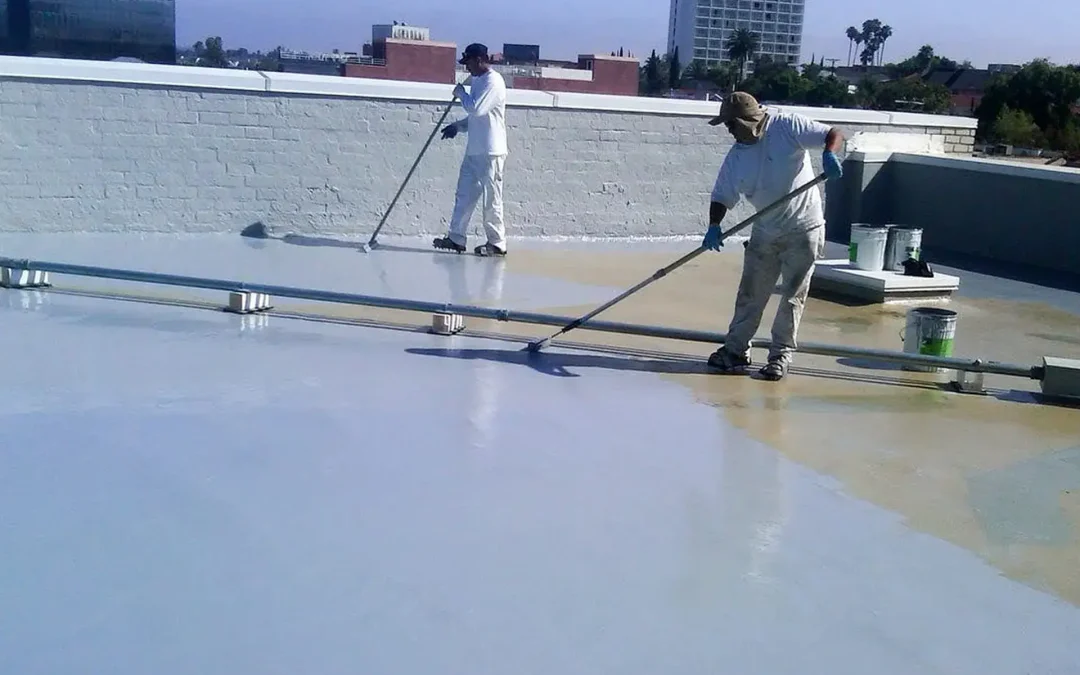
Water can be one of the quietest threats to a home. A small damp spot on a wall may not look serious at first. A little moisture beneath a floor may go completely unnoticed. Yet, over time, repeated exposure to water can affect building materials, finishes, indoor comfort, and even the overall condition of a property.
This is where home waterproofing becomes important.
Waterproofing is not simply about stopping visible leaks. A properly planned waterproofing approach can help control how water interacts with the foundation, walls, floors, drainage systems, and other parts of a home. The goal is to reduce unwanted moisture before it has an opportunity to travel deeper into the structure.
For homeowners researching brooklyn home waterproofing services, understanding how moisture behaves is especially useful. Older buildings, below-grade spaces, heavy rainfall, groundwater, foundation cracks, and drainage problems can all create opportunities for water intrusion.
But how exactly can waterproofing protect walls, floors, and interior finishes? Let’s break it down.
Why Waterproofing Matters Inside a Home
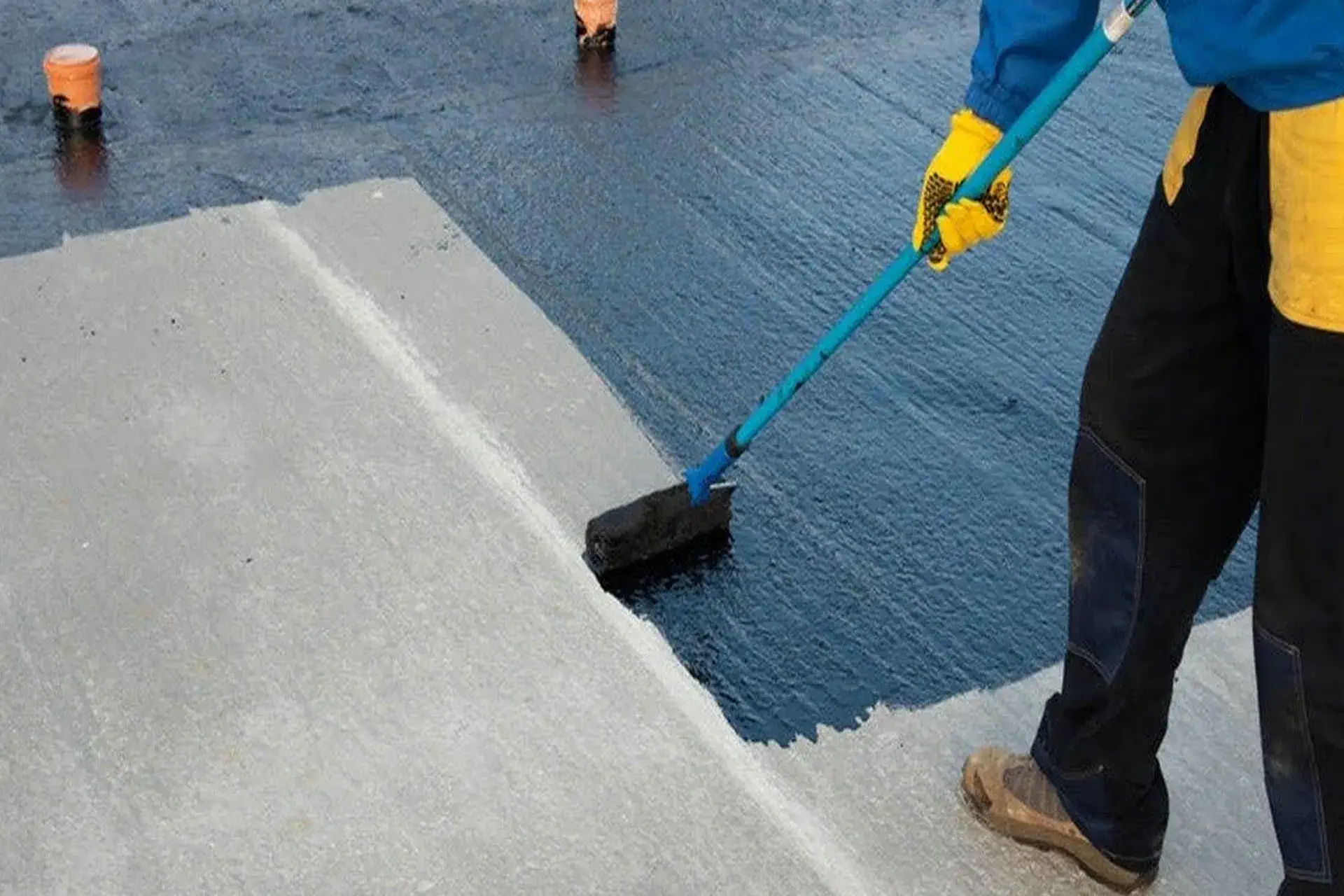
Most people associate waterproofing with basements, foundations, or exterior walls. In reality, its benefits can extend much further into a property.
Water that enters through a foundation wall, for example, does not necessarily remain in the foundation. Moisture can migrate through porous materials, cracks, joints, and small openings. Eventually, it may affect drywall, paint, flooring, insulation, wood trim, or other interior components.
Think of moisture like an unwanted traveler. If there is an easy path into a building, it may keep moving until something stops it.
Waterproofing helps establish barriers and drainage strategies that make that journey more difficult.
The important point is that waterproofing works best as part of a broader moisture-management strategy. It may involve sealing, drainage, grading, membranes, sump systems, crack repair, or other methods depending on where the water is coming from.
How Water Moves Through a Residential Structure
Water does not always enter a home through a large, obvious opening.
It can move through tiny cracks in concrete, porous masonry, poorly sealed joints, deteriorated mortar, gaps around windows, or connections between different building materials. In below-grade areas, groundwater can also push against foundation walls.
Once moisture enters a material, it can travel through pores and microscopic pathways. This movement is sometimes called capillary action.
The result can be surprising. A visible stain may appear several feet away from the original point of water entry.
That is why simply wiping a wet wall or repainting a stained surface may not solve the underlying problem. If the source of moisture remains active, the same damage can return.
How Waterproofing Protects Interior Walls
Walls are among the first interior surfaces to show evidence of persistent moisture.
Water can cause discoloration, bubbling paint, peeling coatings, deteriorating drywall, musty odors, and changes in surface texture. In more serious situations, prolonged moisture can affect materials behind the finished wall.
Waterproofing helps by addressing the pathway through which moisture enters or accumulates.
The exact solution depends on the source. A foundation leak may require exterior drainage or membrane work. A crack may require appropriate repair. A drainage problem may need to be corrected so water is directed away from the structure.
The key is addressing the cause rather than repeatedly treating the symptom.
Preventing Damp Walls and Surface Staining
Damp walls often develop visible signs before homeowners realize there is a larger moisture problem.
Common indicators include:
- Dark or discolored patches
- Peeling paint
- Blistering coatings
- Efflorescence on masonry
- Damp or musty odors
- Softened drywall
- Repeated staining after rainfall
Efflorescence is particularly interesting. It occurs when water moves through masonry and carries dissolved minerals toward the surface. When the water evaporates, those minerals can remain behind as a powdery white deposit.
The deposit itself may not be the primary problem. It can instead be evidence that moisture is moving through the wall.
Reducing the Risk of Mold and Mildew
Moisture and poor ventilation can create conditions where mold and mildew may develop.
Waterproofing does not replace proper ventilation, cleaning, or indoor humidity management, but controlling unwanted water intrusion can remove one important source of excess moisture.
This distinction matters. Waterproofing is about moisture control at the building level. Indoor humidity may also come from cooking, bathing, drying clothes, or inadequate ventilation.
A dry building envelope and reasonable indoor humidity work together to create a healthier moisture environment.
Protecting Drywall, Plaster, and Paint
Many interior finishes are not designed to remain wet.
Drywall, for example, can absorb water. Repeated exposure can cause swelling, deterioration, staining, and loss of surface integrity. Plaster can also be affected by persistent moisture, particularly when water reaches underlying materials.
Paint may bubble, peel, crack, or discolor when moisture becomes trapped behind the coating.
Waterproofing helps protect these finishes indirectly by reducing the amount of water reaching the interior wall assembly in the first place.
How Waterproofing Protects Floors
Floors can be particularly vulnerable because water may accumulate beneath them without being immediately visible.
A basement floor, for example, may experience moisture from groundwater, slab cracks, poor drainage, or hydrostatic pressure. Water can also enter through joints between the floor and foundation wall.
Once moisture gets underneath flooring, the visible surface may not tell the whole story.
Preventing Moisture Damage Beneath Flooring
Different flooring materials respond differently to moisture.
Wood can absorb water and expand. Some materials may warp or develop gaps. Adhesives used beneath flooring can also be affected by moisture, depending on the product and installation conditions.
Even when the floor surface looks intact, moisture beneath it can create problems that are difficult to detect.
Waterproofing and drainage measures can help reduce the likelihood that groundwater or other external moisture will reach these vulnerable areas.
Protecting Wood, Tile, Concrete, and Other Floor Materials
Concrete is often described as waterproof because it looks solid and dense. In reality, concrete is porous and can allow moisture to pass through under certain conditions.
Tile itself may resist water, but the entire floor assembly includes grout, joints, membranes, adhesives, substrates, and surrounding materials. Water can sometimes travel through weak points in this system.
Wood flooring is generally more sensitive to moisture because wood naturally responds to changes in moisture content.
The lesson is simple: a durable surface does not necessarily mean the entire floor system is protected from water.
How Waterproofing Protects Interior Finishes
Interior finishes are often the details that make a house feel complete: painted walls, trim, cabinets, flooring, doors, baseboards, and decorative materials.
These components can be expensive and time-consuming to replace.
Waterproofing can help preserve them by controlling moisture before it reaches finished interior spaces.
Instead of thinking about waterproofing as a single protective coating, it is more useful to think of it as part of a chain of protection.
The exterior sheds water. Drainage moves water away. Foundation protection limits intrusion. Interior systems manage water that still reaches vulnerable areas.
Each part supports the others.
Cabinets, Trim, Doors, and Built-In Features
Wooden trim, cabinetry, doors, and built-in storage can all be affected by prolonged moisture.
Baseboards are particularly vulnerable in areas where water enters near the floor. They may swell, discolor, separate from the wall, or develop surface deterioration.
Cabinet materials can also be damaged when moisture repeatedly reaches their lower sections.
By reducing moisture exposure, waterproofing can help protect these secondary finishes along with the primary building materials.
What Happens When Moisture Reaches Hidden Areas?
The most troublesome water damage is not always visible.
Moisture may enter behind drywall, beneath flooring, around insulation, or inside wall cavities. These areas can remain damp for extended periods without obvious surface evidence.
This is one reason recurring moisture should not simply be covered with fresh paint.
Imagine putting a clean sheet of paper over a wet table. The paper may look better temporarily, but the moisture has not disappeared.
The same principle applies to many building materials.
Identifying the moisture source is usually more important than improving the appearance of the affected surface.
Common Sources of Water Intrusion in Homes
Water can enter a property through many routes. Understanding the source is essential because different problems require different solutions.
Common sources include foundation cracks, groundwater, poor surface drainage, leaking plumbing, damaged exterior materials, window openings, roof drainage problems, and inadequate waterproofing systems.
Basement and Foundation Moisture
Basements sit below or partially below ground level, making them naturally more exposed to surrounding soil moisture.
Cracks in foundation walls or slabs can provide pathways for water. Joints between different concrete sections can also become vulnerable.
Foundation waterproofing aims to reduce the ability of water to reach the interior.
The appropriate approach depends on whether the issue originates outside the foundation, inside the basement, or from a combination of drainage and structural conditions.
Groundwater and Hydrostatic Pressure
Groundwater can create significant pressure against below-grade structures.
When soil becomes saturated, water may push against foundation walls and floors. This pressure is known as hydrostatic pressure.
If a foundation has weak points, cracks, or inadequate drainage, water can exploit them.
A waterproofing strategy may therefore involve not only a barrier but also a way to relieve or redirect water pressure.
Leaks Around Windows, Doors, and Exterior Walls
Openings in the building envelope require careful attention because they connect exterior and interior environments.
Poorly sealed windows, doors, penetrations, and joints can allow rainwater to enter.
Water may initially appear around the opening, but it can also travel behind wall finishes before becoming visible.
Regular inspection of these areas can help identify problems before they become more extensive.
Plumbing Leaks and Interior Moisture
Not every water problem is caused by groundwater.
Leaking pipes, fixtures, water heaters, washing machines, and other plumbing components can introduce significant amounts of moisture into a home.
This is an important distinction because exterior waterproofing cannot solve an active plumbing leak.
When water appears indoors, homeowners should consider both external and internal sources.
How Home Waterproofing Services Address Moisture Problems
Waterproofing professionals may evaluate several parts of a property before determining an appropriate approach.
The process can include examining foundation walls, drainage patterns, cracks, moisture marks, basement floors, exterior surfaces, and areas where water has previously entered.
The objective is to understand the path of water.
Once that pathway is identified, the appropriate combination of prevention, sealing, drainage, or repair can be considered.
Exterior Waterproofing Methods
Exterior waterproofing generally focuses on preventing water from reaching the foundation from the outside.
Depending on the building and site conditions, methods can include waterproof membranes, protective coatings, drainage layers, foundation crack repairs, and improvements to surrounding drainage.
Exterior solutions can be useful when the source of water is located outside the foundation.
However, excavation requirements, property access, soil conditions, utilities, landscaping, and existing construction can influence the practical approach.
Interior Waterproofing Methods
Interior waterproofing focuses on managing water after it reaches the interior side of the foundation or building envelope.
Possible systems include interior drainage channels, sump pumps, vapor barriers, sealants, and other moisture-control measures.
Interior solutions can be particularly relevant when exterior excavation is impractical or when water needs to be collected and redirected from inside the structure.
The appropriate method depends on the source and behavior of the water.
Drainage and Water Management Systems
Waterproofing and drainage are closely connected.
A waterproof barrier can be highly useful, but if water continues accumulating against a foundation, pressure and moisture problems may remain.
Drainage systems can help move water away from vulnerable areas.
This may involve properly functioning gutters and downspouts, grading, footing drains, exterior drainage systems, interior collection systems, or sump pumps.
In other words, keeping water out is only half the equation. The other half is giving water somewhere else to go.
Why Waterproofing Requires More Than Sealing a Crack
Crack sealing can be appropriate for certain situations, but it should not automatically be viewed as a complete waterproofing solution.
A crack may be the visible point where water enters, while the larger issue may involve hydrostatic pressure, drainage, soil conditions, foundation movement, or surface water management.
Sealing the visible opening without addressing the underlying cause can sometimes result in recurring moisture.
This is why a complete assessment matters.
A small crack and a persistent groundwater problem may look similar from inside the basement, but they are not necessarily the same problem.
Signs a Home May Need Waterproofing Attention
Homeowners should pay attention to recurring moisture-related signs.
These can include:
- Water appearing after rainfall
- Damp basement walls
- Repeated wall staining
- Peeling or bubbling paint
- Musty odors
- Efflorescence
- Mold or mildew growth
- Cracks that repeatedly become wet
- Water pooling near the foundation
- Damp areas beneath flooring
- Persistent basement humidity
- Deteriorating baseboards or trim
One isolated event does not always indicate a major waterproofing issue. However, repeated patterns deserve closer attention.
For example, if a basement wall becomes damp every time heavy rain occurs, the timing itself provides useful information about the potential source.
How Waterproofing Can Support Long-Term Property Maintenance
Waterproofing should not be viewed only as a reaction to an emergency.
It can also form part of long-term property maintenance.
Preventing repeated moisture exposure can help reduce wear on walls, floors, finishes, and other materials. It may also make it easier to maintain interior spaces because homeowners are less likely to deal with recurring stains, dampness, or moisture-related deterioration.
This does not mean waterproofing eliminates every possible water problem.
Roofs still require maintenance. Plumbing systems can still leak. Gutters can still become blocked. Exterior joints can still deteriorate.
Water management works best when several maintenance practices are combined.
What Homeowners Should Consider Before Waterproofing
Before choosing a waterproofing approach, homeowners should first understand where the water is coming from.
Consider the following questions:
When does the moisture appear?
Does it happen during heavy rain, after snowmelt, during plumbing use, or continuously?
Where does it appear?
Is the water coming through a wall, floor, window, joint, or ceiling?
Has the problem occurred before?
Recurring moisture provides different clues than a one-time incident.
Are exterior drainage systems working properly?
Gutters, downspouts, grading, and surface drainage can have a major effect on foundation moisture.
What materials are affected?
Concrete, drywall, wood, tile, insulation, and paint can all respond differently to water.
Answering these questions can make the evaluation more focused.
The Role of Brooklyn Home Waterproofing Services
Homes in Brooklyn can have a wide range of construction types, ages, foundation conditions, and site characteristics. That means waterproofing requirements can vary considerably from one property to another.
When homeowners research home waterproofing services in Brooklyn, it is useful to look beyond the idea of simply applying a waterproof coating.
A complete moisture-control strategy may involve identifying water pathways, examining foundation conditions, reviewing drainage, considering below-grade pressure, and determining how interior finishes are being affected.
For a company such as Zavza Seal LLC, the relevant waterproofing discussion is therefore not just about keeping a basement dry. It is about understanding how water interacts with the different components of a residential property.
The same principle applies regardless of the specific contractor involved: the source, pathway, and destination of water all matter.
Waterproofing as Preventive Maintenance
The best time to think about water management is not necessarily after a finished wall has deteriorated or flooring has been damaged.
Preventive waterproofing focuses on reducing opportunities for water intrusion before moisture becomes a larger interior problem.
This approach is similar to maintaining a vehicle. You do not wait for every component to fail before checking it. Regular maintenance helps identify smaller issues before they become larger ones.
For homes, preventive moisture management may include maintaining gutters and downspouts, checking foundation walls, monitoring basement humidity, repairing exterior cracks, maintaining drainage systems, and addressing recurring dampness promptly.
Professional waterproofing may become part of that broader maintenance plan when the building has persistent or significant moisture exposure.
Zavza Seal LLC Serving the Kensington Community and Beyond in Brooklyn
Zavza Seal LLC is dedicated to serving the diverse needs of the local community of Brooklyn, including individuals residing in neighbourhoods like Kensington. With its convenient location near landmarks such as the Kohn & Kollander Dental PLLC and major intersections like E 7th St and Avenue H (coordinates: 40.6292016, -73.9697749), we offer home waterproofing services.
Get home waterproofing services at Kensington Now
Call Us or Contact Us: +17184007005
Navigate from Kensington to Zavza Seal LLC Now
Waterproofing can play an important role in protecting a home’s interior because moisture rarely stays confined to the place where it first enters. Water can move through foundation materials, travel behind finishes, collect beneath floors, and gradually affect drywall, paint, wood, trim, insulation, and other components. Crawl Space to Basement Conversion is very important for the freshness.
The most effective approach starts with understanding the source of the water and the path it takes through the property. From there, appropriate waterproofing, sealing, drainage, and moisture-management methods can be considered.
For homeowners, the biggest takeaway is simple: a small moisture problem should not automatically be treated as a small building problem. Sometimes a damp patch is only the visible part of a much larger moisture pathway. Understanding that pathway can help protect the home’s structure and the finishes that make the interior comfortable and usable.
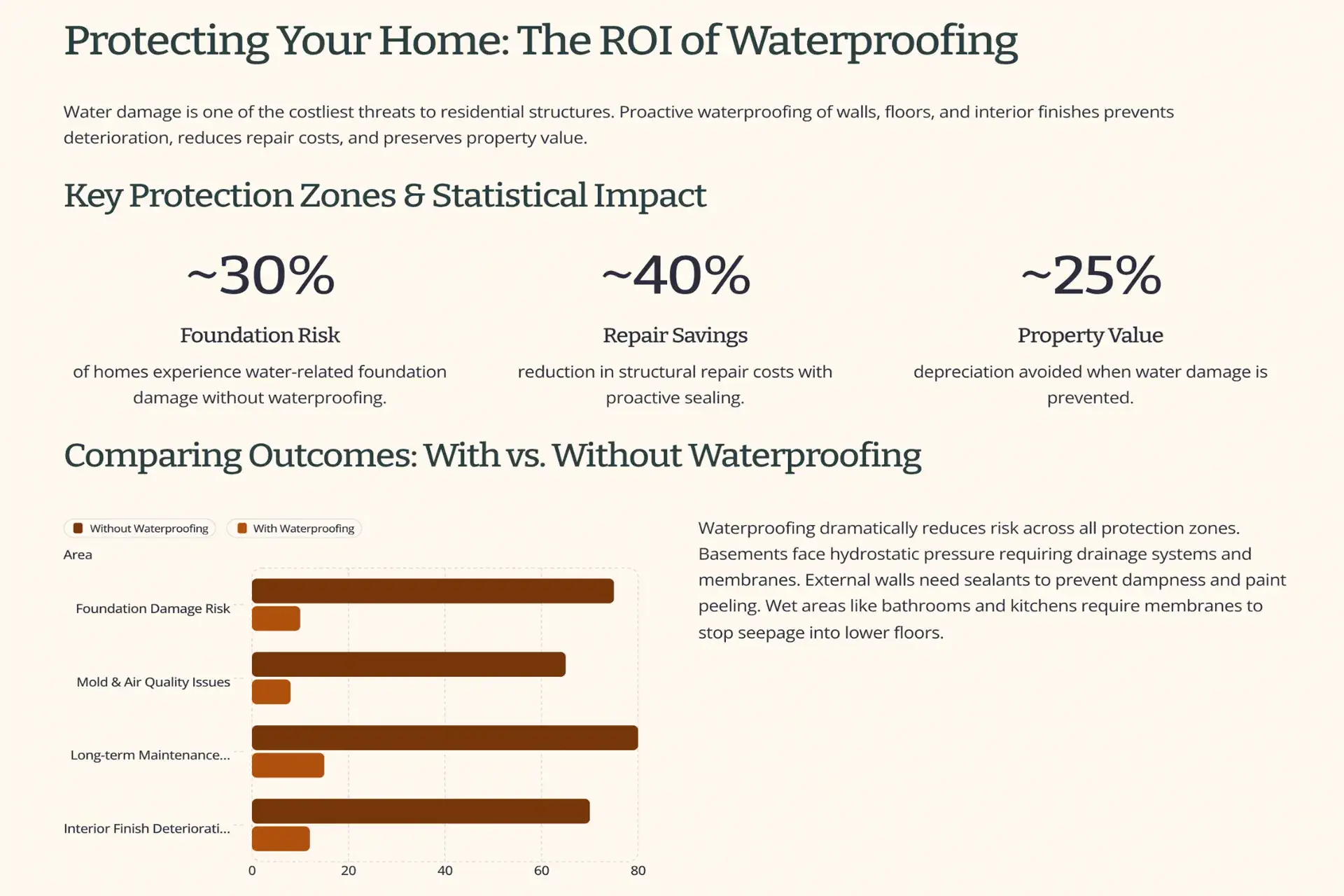
Protecting Your Home: The ROI of Waterproofing
The Cost of Neglect vs. Proactive Protection
- Structural Integrity: Waterproofing prevents concrete deterioration and steel reinforcement corrosion, extending building lifespan .
- Financial Impact: Proactive sealing costs significantly less than major repairs for foundation cracks, mold remediation, and water-damaged interior finishes .
- Property Value: Properly waterproofed homes maintain market value and appeal, whereas water damage leads to depreciation and potential health hazards .
Key Protection Zones & Data
- Basements: Subject to hydrostatic pressure; requires drainage systems and membranes to prevent flooding .
- External Walls: Porous surfaces absorb moisture; sealants and coatings prevent dampness and paint peeling .
- Wet Areas: Bathrooms and kitchens require waterproof membranes to stop seepage into lower floors .
Visualizing the Impact
Feature Without Waterproofing With Waterproofing Foundation Cracks & Corrosion Stable & Dry Indoor Air Mold & Musty Odors Healthy & Breathable Maintenance High Repair Costs Low Long-term Cost
Sources: Sana Building Solutions ; UltraTech ; Er. Shruti Udale, Waterproofing Consultant.
Frequently Asked Questions
1. How does waterproofing protect interior walls?
Waterproofing helps reduce the amount of unwanted moisture reaching foundation walls and interior wall assemblies. By controlling water entry and improving drainage, it can help reduce conditions associated with dampness, staining, peeling paint, efflorescence, and moisture-related deterioration.
2. Can waterproofing protect flooring from water damage?
It can help reduce the risk of water reaching flooring from below-grade sources such as groundwater, foundation leaks, or moisture beneath concrete slabs. The effectiveness depends on the source of water, the flooring system, and the waterproofing and drainage methods used.
3. Does waterproofing prevent mold completely?
No. Waterproofing can reduce one important source of moisture, but mold prevention also depends on ventilation, indoor humidity, plumbing maintenance, condensation control, and prompt cleanup of water incidents. Moisture management should address all relevant sources.
4. Is sealing a foundation crack enough to waterproof a basement?
Not always. A crack may be the visible pathway for water, but the underlying issue could involve groundwater, hydrostatic pressure, drainage, or foundation conditions. Sealing may address the crack while a broader moisture-management solution may be needed for recurring water intrusion.
5. How can homeowners tell whether they have a waterproofing problem?
Recurring dampness, water stains, musty odors, efflorescence, peeling paint, wet basement walls, floor moisture, and water appearing after rainfall can all be warning signs. Tracking when and where the moisture appears can help identify its likely source and determine whether further evaluation is appropriate.