
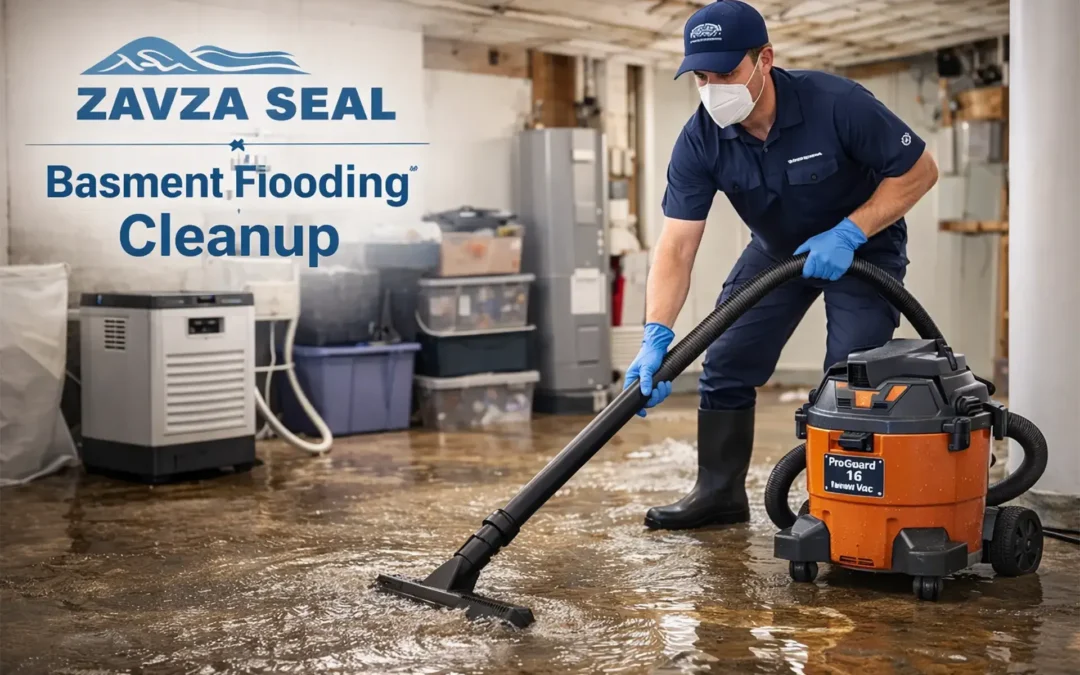
A flooded basement is one of the most stressful things a homeowner can face. One minute everything is fine, and the next minute there is water on the floor, a musty smell, and fear about damage, mold, and cost.
In NYC and Long Island, basement flooding is very common. Heavy rain, coastal storms, high groundwater, and older drainage systems make many homes vulnerable. Knowing what to do right away can make a big difference.
This guide explains flooded basement cleanup step by step in simple language, so you can protect your home and know when to call for professional help.
First, Make Sure It Is Safe
Before you go into the basement, stop and check for danger.
If there is standing water and you are not sure about electrical safety, do not enter the basement. Water and electricity together are very dangerous. If the water is deep or you smell sewage, stay out and call a professional.
Your safety matters more than cleanup.
Stop the Water If You Can
Try to figure out where the water is coming from.
In NYC and Long Island homes, basement flooding usually comes from heavy rain, poor drainage around the foundation, clogged window wells, or short downspouts. Sometimes it can also come from a broken pipe or sewer backup.
If the flooding is caused by plumbing, shut off the main water valve right away. If it is from rain or groundwater, the focus should move to basement flood cleanup and drying.
Remove Standing Water as Quickly as Possible
The faster water is removed, the less damage it causes.
Small amounts of water may be removed with a wet vacuum or pump, but many homeowners underestimate how much moisture stays behind. Water soaks into concrete, wood, insulation, and walls very quickly.
This is where professional basement flood cleanup services are often needed, especially if water covered a large area or stayed for several hours.
Dry the Basement Completely
Drying is one of the most important steps in flooded basement cleanup.
Even if the water looks gone, moisture is still there. Fans and dehumidifiers can help, but they must run long enough and be placed correctly. In NYC and Long Island homes, high humidity can slow drying and increase the risk of mold.
If the basement does not dry within one to two days, mold can begin to grow.
Watch for Mold and Air Quality Problems
Mold does not always show up right away.
After a basement flood, mold can start growing behind walls, on wood joists, and on concrete surfaces. A musty smell, dark spots, or worsening allergies are common signs.
Basement flood cleanup services often include mold prevention and air cleaning to protect your health. This step is especially important for families with children or anyone with breathing issues.
Check for Damage to Walls, Floors, and the Foundation
Water damage is not always visible.
Flooding can weaken foundation walls, damage insulation, and cause long-term structural issues if ignored. In many NYC and Long Island homes, repeated basement flooding is linked to poor grading, missing drainage, or foundation gaps.
Cleaning up the water without fixing the cause often leads to the same problem happening again.
Why Basement Flooding Is So Common in NYC and Long Island
Basement flooding is not always the homeowner’s fault.
Many homes in NYC and Long Island were built decades ago. Soil conditions, high water tables, coastal storms, and outdated drainage systems make basements more vulnerable. Flat yards, short downspouts, and poorly sealed basement windows also contribute to flooding.
That is why flooded basement cleanup should always be followed by a plan to prevent future water problems.
When to Call a Professional for Flooded Basement Cleanup
You should call a professional if the basement flooded with a large amount of water, if the water smells bad, if mold is visible, or if flooding has happened more than once.
Professional basement flood cleanup services do more than remove water. They inspect drainage, check for hidden moisture, address mold risk, and recommend long-term solutions.
How Zavza Seal Helps NYC and Long Island Homeowners
Zavza Seal helps homeowners across NYC and Long Island deal with basement flooding the right way.
Our team handles flooded basement cleanup with a focus on safety, proper drying, and long-term protection. We do not just clean the problem. We look at grading, drainage, foundation conditions, and moisture sources so the basement stays dry in the future.
Many homeowners call us after repeated flooding, frustrated that the problem keeps coming back. Our goal is to fix it once and fix it correctly.
How to Prevent the Next Basement Flood
Preventing basement flooding usually involves correcting drainage around the home.
This may include grading soil away from the foundation, extending downspouts, installing window wells with proper drainage, and improving foundation waterproofing. These solutions are especially important in NYC and Long Island where storms and groundwater pressure are common.
Prevention saves money, protects your home, and gives peace of mind.
Need Help With Flooded Basement Cleanup in NYC or Long Island?
If your basement has flooded, do not wait and hope it dries on its own. Water damage and mold get worse with time.
Call Zavza Seal for professional flooded basement cleanup services and long-term waterproofing solutions. We help NYC and Long Island homeowners protect their homes and prevent future flooding.