
Why Soil Type Matters More Than Most Homeowners Realize
When people think about foundation problems, they often picture cracks in walls or water pooling in the basement. But rarely do they look down at the soil surrounding their home. That soil plays a massive role in how your foundation performs and how effective your waterproofing system remains over time.
The truth is simple: your house is only as stable as the ground it sits on. Soil type directly influences moisture retention, drainage, expansion, contraction, and long-term structural stress. For homeowners concerned about foundation and waterproofing brooklyn, understanding soil behavior isn’t optional, it’s essential.
Understanding the Relationship Between Soil and Structural Stability
Soil as a Living, Moving Material
Soil isn’t static. It expands, contracts, shifts, and settles depending on moisture, temperature, and load pressure. Think of soil like a sponge beneath your home. When it absorbs water, it swells. When it dries, it shrinks. That constant movement places stress on your foundation walls and footings.
The Role of Moisture in Soil Behavior
Water is the primary driver of soil movement. Too much moisture creates hydrostatic pressure. Too little moisture causes shrinkage and voids. Both scenarios are problematic. Waterproofing systems are designed to manage water but the surrounding soil determines how much water pressure they must withstand.
Common Soil Types Found Around Residential Properties
Not all soil behaves the same. Let’s break down the most common types found around homes.
Clay Soil
Clay soil consists of extremely fine particles that pack tightly together.
Expansion and Contraction Cycles
Clay absorbs water quickly and expands dramatically. During dry seasons, it contracts. This repeated swelling and shrinking creates ongoing stress on foundations. Over time, this leads to cracking, shifting, and misalignment.
Clay soil is one of the most challenging soil types for foundation longevity.
Sandy Soil
Sandy soil contains larger particles and feels gritty to the touch.
Drainage Characteristics
Unlike clay, sand drains water quickly. While that sounds positive, it creates different risks. Water flows easily through sandy soil, which can lead to erosion beneath footings if drainage systems aren’t properly designed.
Silt Soil
Silt falls somewhere between sand and clay. It retains moisture longer than sand but doesn’t expand as aggressively as clay. However, it becomes unstable when saturated and can contribute to gradual settlement.
Loam Soil
Loam is a balanced mixture of sand, silt, and clay. It offers relatively stable performance because it drains reasonably well while maintaining structure. Homes built on loam typically experience fewer extreme soil-related issues.
Fill Soil
Fill soil is man-made and often used in urban developments. It can contain debris, rocks, and mixed materials. Its unpredictability makes it particularly risky if not properly compacted.
How Clay Soil Impacts Foundation Performance Over Time
Hydrostatic Pressure and Wall Cracking
When clay becomes saturated, it holds water against foundation walls. This creates hydrostatic pressure—the force of water pushing laterally against concrete. Over time, this pressure leads to cracks and bowing walls.
Waterproof membranes must resist this pressure constantly. If they fail, leaks develop.
Seasonal Movement and Settlement
Seasonal freeze-thaw cycles intensify clay’s movement. As the soil shifts, foundations settle unevenly. This differential movement results in structural cracks both inside and outside the home.
How Sandy Soil Affects Waterproofing Systems
Rapid Drainage and Erosion Risks
Sandy soil drains fast, reducing hydrostatic pressure. However, poor grading combined with heavy rainfall can cause soil washout. When soil erodes from around footings, structural support weakens.
Soil Washout Around Footings
Over time, erosion creates voids beneath foundations. This leads to uneven settlement and cracks. Waterproofing systems may remain intact, but structural integrity becomes compromised.
The Unique Soil Conditions in Brooklyn
Urban Fill and Mixed Soil Profiles
In Brooklyn, soil conditions vary significantly. Many properties sit on urban fill layers of mixed materials placed during development. These soils may lack uniform compaction, increasing settlement risks.
This variability makes foundation and waterproofing in brooklyn projects particularly complex.
Coastal Influence and Water Tables
Proximity to coastal zones influences groundwater levels. Higher water tables increase hydrostatic pressure on basement walls. Waterproofing systems must be designed to accommodate this ongoing moisture load.
Companies like Zavza Seal LLC. understand how local soil compositions influence long-term foundation performance and tailor solutions accordingly.
Hydrostatic Pressure: The Silent Force Behind Basement Leaks
Water Accumulation Around Foundations
When water accumulates in poorly draining soil, pressure builds around foundation walls. This force pushes water through cracks, porous concrete, and cold joints.
Impact on Waterproof Membranes
Even high-quality membranes degrade under sustained pressure if drainage isn’t adequate. Soil that retains water increases long-term stress on waterproofing systems.
Soil Settlement and Its Effect on Foundations
Differential Settlement Explained
Differential settlement occurs when one part of a foundation sinks more than another. Expansive soils, poorly compacted fill, and erosion all contribute.
Imagine one corner of your home slowly dropping. Doors misalign. Floors slope. Cracks form. That’s soil movement at work.
Structural Stress Points
As settlement progresses, stress concentrates around window openings, corners, and load-bearing walls. Waterproofing systems can’t compensate for structural distortion indefinitely.
Soil Drainage and Waterproofing Performance
Surface Drainage vs. Subsurface Drainage
Surface drainage directs water away using grading and gutters. Subsurface drainage—like French drains—redirects groundwater before it contacts foundation walls.
Soil type determines which drainage strategy performs best. Clay demands aggressive drainage planning. Sand requires erosion control.
Importance of Proper Grading
Improper grading allows water to pool near the foundation. Even stable soil becomes problematic if surface water isn’t diverted properly.
Long-Term Effects of Poor Soil Conditions
Cracks, Bowing Walls, and Moisture Intrusion
Continuous soil movement leads to structural cracks. Bowing basement walls signal excessive lateral pressure. Once cracks appear, moisture intrusion becomes inevitable.
Mold, Mildew, and Indoor Air Quality
Moisture entering Interior Basement Waterproofing increases humidity levels. Mold growth follows. Poor indoor air quality affects health and structural materials alike.
Soil Testing and Professional Assessment
When to Conduct Soil Testing
Soil testing is advisable when:
- Purchasing older homes
- Noticing foundation cracks
- Experiencing repeated basement leaks
- Planning major renovations
What Professionals Evaluate
Experts analyze soil composition, compaction levels, drainage capacity, and groundwater behavior. They also assess how existing waterproofing systems are performing relative to soil conditions.
For foundation and waterproofing brooklyn properties, local evaluation is critical because soil profiles vary block by block.
Preventative Measures for Protecting Your Foundation
Exterior Waterproofing Solutions
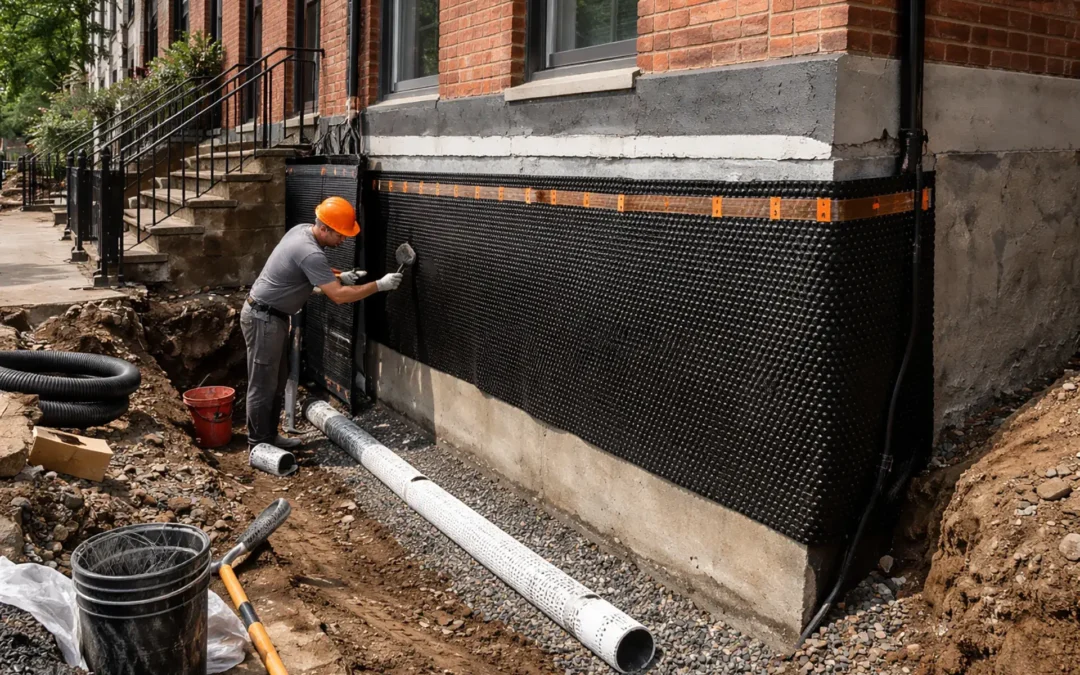
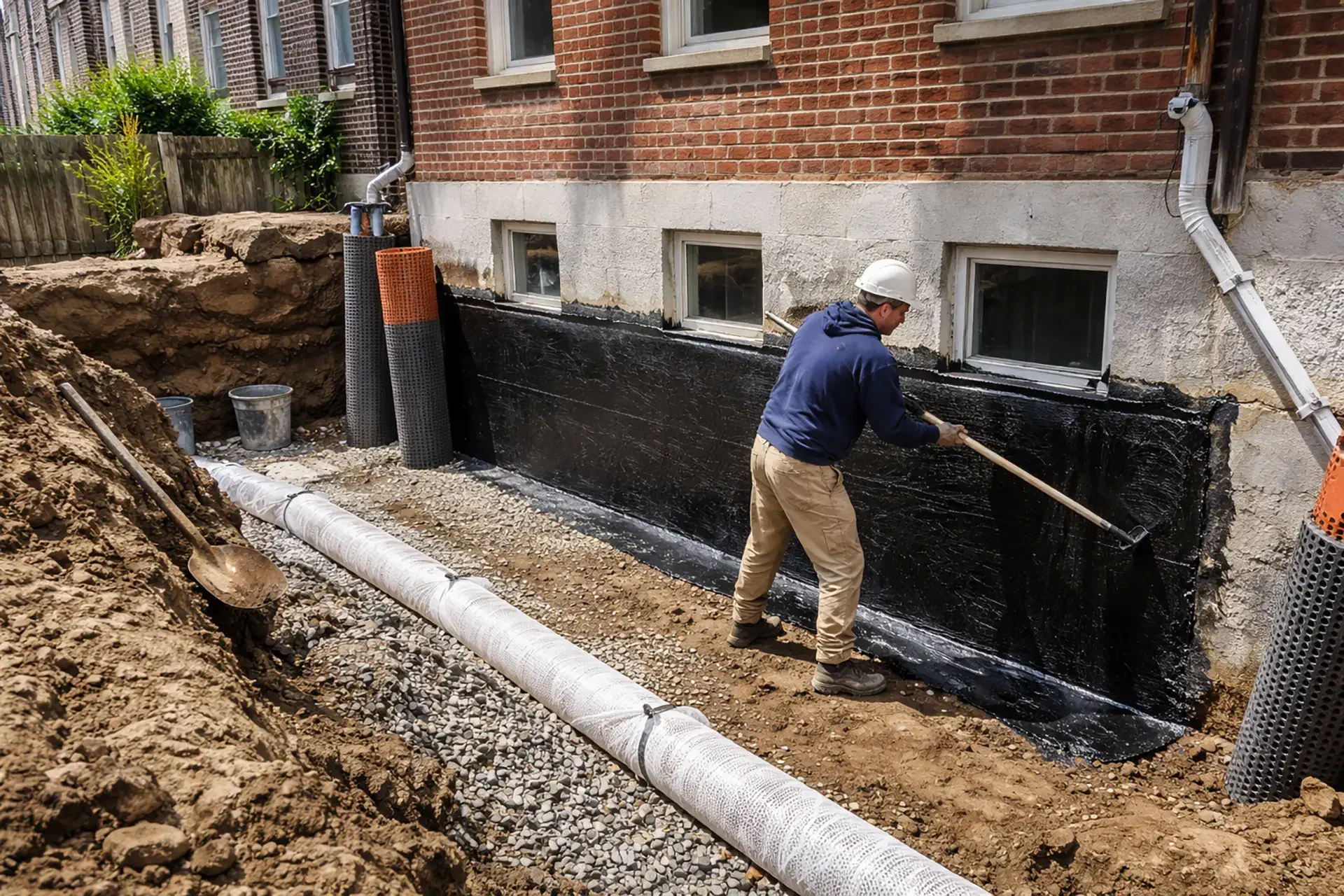
Exterior solutions include excavation, membrane installation, drainage boards, and footing drains. These systems prevent water from contacting foundation walls in the first place.
Interior Drainage Systems
Interior systems manage water after it penetrates. Sump pumps and perimeter drains relieve hydrostatic pressure.
Proper Landscaping Techniques
Landscaping impacts soil moisture balance. Overwatering near the foundation increases pressure. Deep-rooted plants can stabilize certain soil types.
Why Local Expertise Matters in Brooklyn
Understanding Local Soil and Climate Patterns
Brooklyn’s combination of urban fill, coastal moisture, and aging infrastructure creates unique challenges. Waterproofing strategies must reflect these realities.
Zavza Seal LLC. applies localized knowledge to assess soil conditions and design foundation systems that perform over decades not just seasons.
Zavza Seal LLC Serving the Flatbush Community and Beyond in Brooklyn
Zavza Seal LLC is dedicated to serving the diverse needs of the local community of Brooklyn, including individuals residing in neighborhood like Flatbush. With its convenient location near landmarks such as the Brooklyn College and major intersections like Farragut Rd and Flatbush Ave (coordinates: 40.6359516, -73.9490237), we offer foundation and waterproofing services.
Get foundation and waterproofing Services at Flatbush Now
Call Us or Contact Us: +17184007005
Navigate from Flatbush to Zavza Seal LLC Now
Soil type isn’t just dirt beneath your home it’s an active force shaping your foundation’s stability and your waterproofing system’s durability. Clay expands and pressures walls. Sand erodes and destabilizes. Fill soil settles unpredictably. High groundwater increases hydrostatic stress.
Over time, these factors compound. Small cracks grow. Moisture seeps in. Structural alignment shifts. Understanding how soil interacts with your foundation allows you to make informed decisions about maintenance, drainage, and protective systems.
In regions like Brooklyn, where soil conditions vary dramatically, recognizing the relationship between soil and foundation and waterproofing brooklyn performance is essential for long-term structural health.
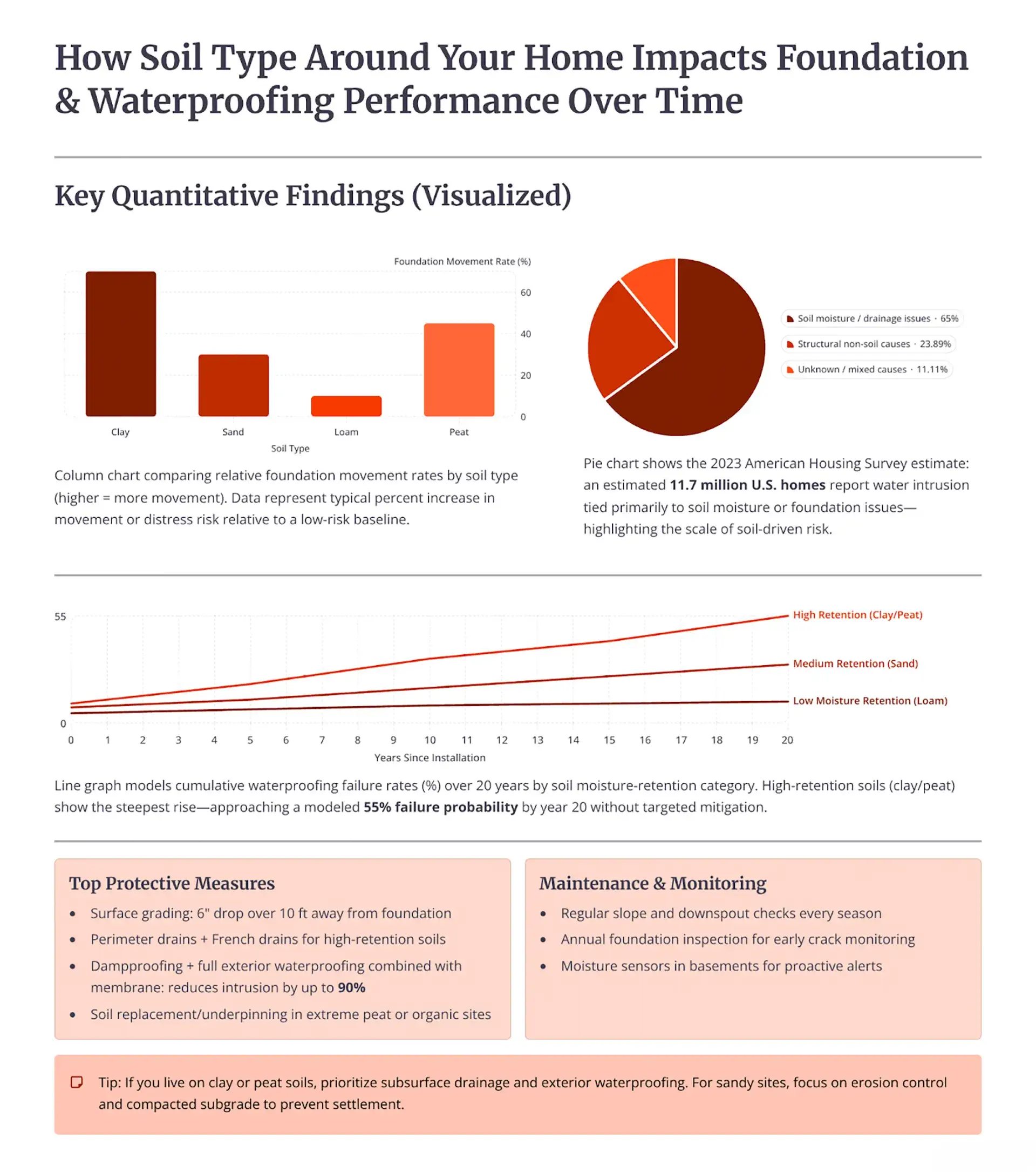
How Soil Type Around Your Home Impacts Foundation & Waterproofing Performance Over Time
- Foundation Damage Risk by Soil Type:
- Expansive Clay Soils cause up to 70% more foundation movement due to swelling/shrinking cycles, leading to cracks and costly repairs.
- Sandy Soils, while well-draining, can cause settlement issues in 30% of cases due to erosion and shifting particles.
- Loam Soils provide the most stable base, with less than 10% incidence of foundation distress over 20 years.
- Peat and Organic-Rich Soils have high moisture retention, causing up to 50% increased waterproofing failures from prolonged dampness.
- Water Leakage Statistics:
- According to the 2023 American Housing Survey, 11.7 million U.S. homes experience water intrusion linked to soil moisture and foundation issues.
- Homes on poorly drained soils without proper waterproofing have a 3x higher risk of basement dampness and mold growth.
- Key Waterproofing Performance Factors:
- Proper dampproofing and waterproofing reduce moisture intrusion by up to 90% when combined with effective surface and subsurface drainage.
- Soil compaction and grading slope (minimum 6 inches drop over 10 feet) are critical to divert water away and protect foundations.
- Visual Chart Concepts:
- Bar chart comparing foundation movement rates (%) by soil type (Clay, Sand, Loam, Peat).
- Pie chart showing percentage of homes affected by water intrusion linked to soil conditions.
- Line graph illustrating waterproofing failure rates over 20 years by soil moisture retention levels.
Sources: Jeswork.com (2021), InterNACHI Foundation Inspection (2025), American Housing Survey (2023), EPA Moisture Control Guidance (2014)
FAQs
1. How do I know what soil type surrounds my home?
A professional soil test or geotechnical assessment can identify soil composition and compaction levels.
2. Does clay soil always cause foundation problems?
Not always, but expansive clay increases risk due to swelling and shrinkage cycles.
3. Can waterproofing systems fail because of soil pressure?
Yes. Excess hydrostatic pressure from poorly draining soil can compromise membranes and cause leaks.
4. Is sandy soil better for foundations?
Sandy soil drains well but may cause erosion if not properly managed.
5. How often should foundation systems be inspected?
A professional inspection every few years or immediately after signs of cracking or leaks helps detect soil-related issues early.