
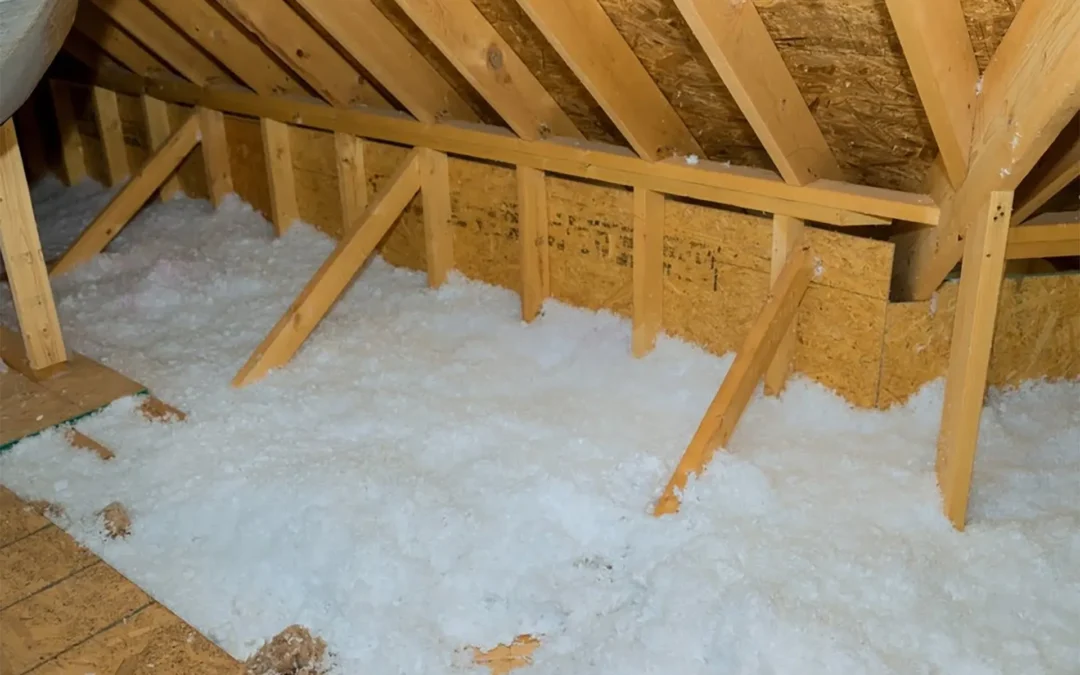
If your home feels like an oven in summer and a freezer in winter, the issue often starts in the attic. Temperature imbalance doesn’t just happen it’s usually the result of uncontrolled heat movement. This is where fiberglass attic insulation brooklyn becomes essential in maintaining a naturally stable indoor environment.
Let’s explore how this material works quietly behind the scenes to keep your home comfortable throughout the year.
Introduction to Fiberglass Attic Insulation
Fiberglass insulation has remained one of the most widely used insulation materials for decades—and for good reason. It offers a balance of performance, durability, and adaptability.
What Is Fiberglass Insulation Made Of?
Fiberglass insulation is made from extremely fine strands of glass woven together into a soft, wool-like structure. These fibers create countless tiny air pockets, which play a key role in slowing heat transfer.
Why Attics Play a Critical Role in Temperature Control
The attic acts as the front line between your home and outdoor temperatures. Without proper insulation, heat escapes easily in winter and enters freely in summer, disrupting indoor comfort.
Understanding Natural Temperature Regulation
To understand how insulation helps, you need to know how heat behaves.
Heat Transfer Basics in Homes
Heat always moves from warmer areas to cooler ones. This natural process is why homes lose heat in colder months and gain heat during warmer seasons.
Conduction, Convection, and Radiation Explained
- Conduction: Heat moving through solid materials
- Convection: Heat transfer through air movement
- Radiation: Heat traveling in waves, such as sunlight
Fiberglass insulation slows all three forms effectively. I also effectively help in the home Waterproofing Services
How Fiberglass Insulation Works
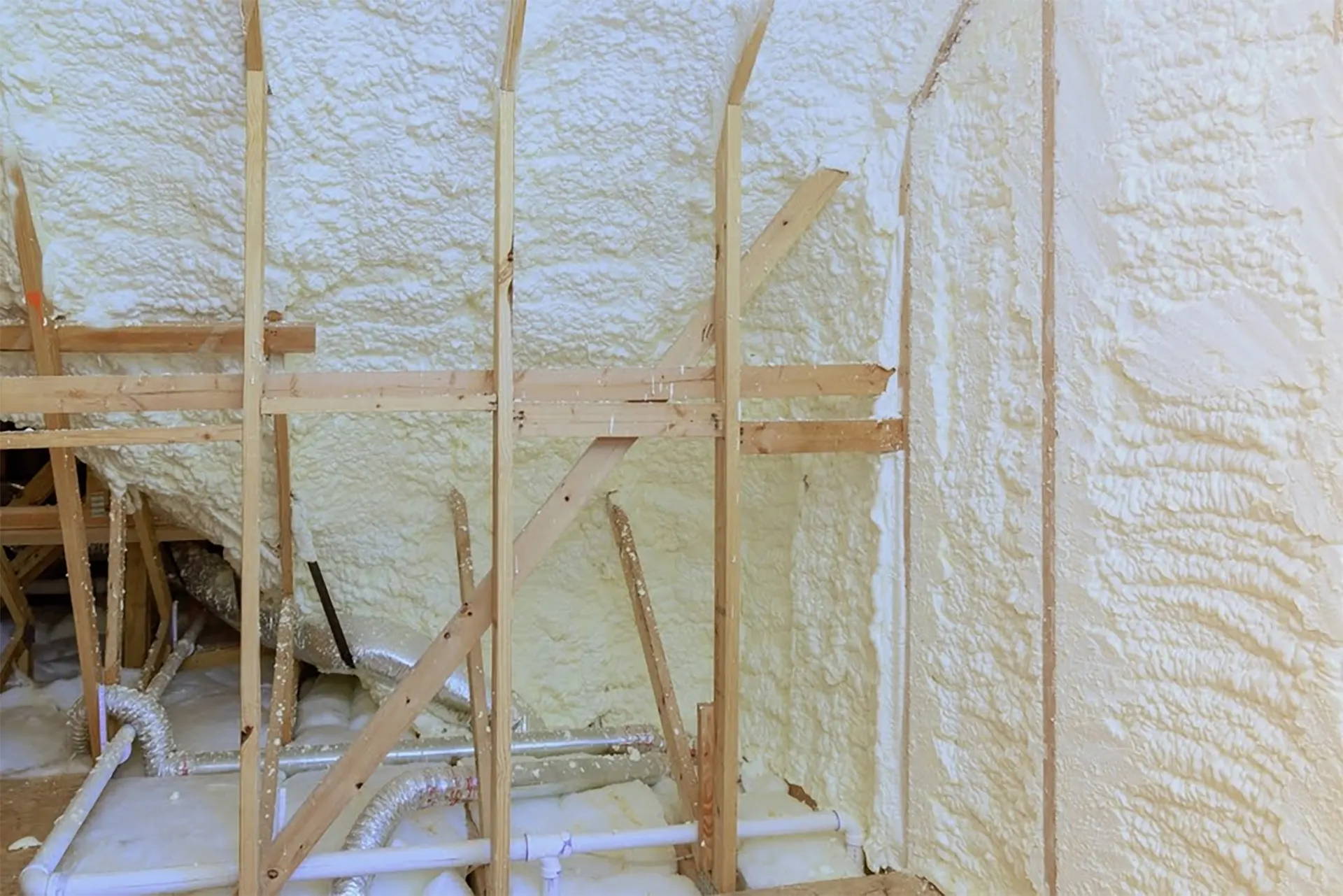
Now let’s get into the mechanics of how it actually regulates temperature.
Trapping Air to Reduce Heat Flow
Fiberglass insulation traps air within its structure. Since air is a poor conductor of heat, this significantly slows down heat movement.
Think of it like a thermal blanket wrapping your home it keeps heat where it belongs.
Thermal Resistance and R-Value Explained
R-value measures how well insulation resists heat flow. Fiberglass insulation provides reliable R-values, helping maintain consistent indoor temperatures regardless of external conditions.
Benefits of Fiberglass Attic Insulation
The impact of proper insulation goes far beyond just comfort.
Improved Energy Efficiency
When heat transfer is minimized, your home requires less artificial heating and cooling. This leads to more efficient energy use.
Consistent Indoor Comfort
No more uneven temperatures from room to room. Insulation helps create a balanced indoor climate.
Reduced HVAC Strain
With less heat entering or escaping, your HVAC system doesn’t need to work as hard, reducing wear and tear.
Seasonal Performance of Fiberglass Insulation
Fiberglass insulation adapts to seasonal changes effortlessly.
Summer Heat Reduction
During hot weather, insulation blocks external heat from penetrating your home, keeping indoor spaces cooler naturally.
Winter Heat Retention
In colder months, it traps warm air inside, preventing it from escaping through the roof.
Moisture Control and Indoor Air Quality
Temperature control is only part of the story.
Preventing Condensation Issues
By reducing temperature differences, insulation helps prevent condensation buildup in the attic.
Impact on Mold Growth
Lower moisture levels mean reduced risk of mold, contributing to healthier indoor air quality.
Environmental Impact of Fiberglass Insulation
Sustainability is becoming increasingly important in modern homes.
Sustainability Factors
Fiberglass insulation often includes recycled materials, making it an environmentally responsible option.
Long-Term Energy Savings
Reduced energy consumption leads to a smaller environmental footprint over time.
Installation Considerations
Even high-quality insulation needs proper installation to perform effectively.
Proper Coverage and Thickness
Insulation must be evenly distributed with no gaps to ensure optimal performance.
Common Installation Mistakes
- Compressing insulation
- Leaving uncovered areas
- Ignoring ventilation
Avoiding these ensures long-term efficiency.
Fiberglass vs Other Insulation Types
How does fiberglass compare to alternatives?
Comparison with Spray Foam
Spray foam offers higher insulation values but comes at a higher cost. Fiberglass provides a practical balance.
Comparison with Cellulose
Cellulose is eco-friendly but can settle over time, while fiberglass maintains its structure longer.
Signs Your Attic Needs Insulation Upgrade
Your home often gives clear signals when insulation isn’t working properly.
Uneven Temperatures
If some rooms feel drastically different in temperature, insulation could be the issue.
High Energy Bills
Unexpected increases in energy costs often point to poor insulation performance.
Why Fiberglass Insulation Is Widely Used in Urban Areas
Urban homes require efficient solutions for temperature control.
Climate Adaptability
Fiberglass insulation performs well across various climates, making fiberglass attic insulation in brooklyn a reliable solution for maintaining indoor comfort in changing weather conditions.
Role of Professional Expertise
Proper installation plays a key role in insulation performance.
Importance of Skilled Installation
Professionals understand how to evaluate attic conditions, ensure airflow, and install insulation correctly. Companies like Zavza Seal LLC highlight the importance of precision to maximize insulation effectiveness.
Zavza Seal LLC Serving the Mapleton Community and Beyond in Brooklyn
Zavza Seal LLC is dedicated to serving the diverse needs of the local community of Brooklyn, including individuals residing in neighbourhoods like Mapleton. With its convenient location near landmarks such as the “Morton Zinberg” and major intersections like Avenue J and Ocean Pkwy (coordinates: 40.6247016, -73.9697749), we offer fiberglass attic insulation..
Get fiberglass attic insulation at Mapleton Now
Call Us or Contact Us: +17184007005
Navigate from Mapleton to Zavza Seal LLC Now
Fiberglass attic insulation works like an invisible shield, regulating indoor temperature naturally by slowing heat transfer. It keeps your home cooler in summer, warmer in winter, and more energy-efficient year-round.
When installed properly, it not only enhances comfort but also contributes to long-term sustainability and indoor air quality. It’s a simple concept with powerful results letting your home work smarter, not harder.
How Fiberglass Attic Insulation Naturally Regulates Indoor Temperature
The Science of Staying Comfortable: Fiberglass’s Role in Thermal Regulation
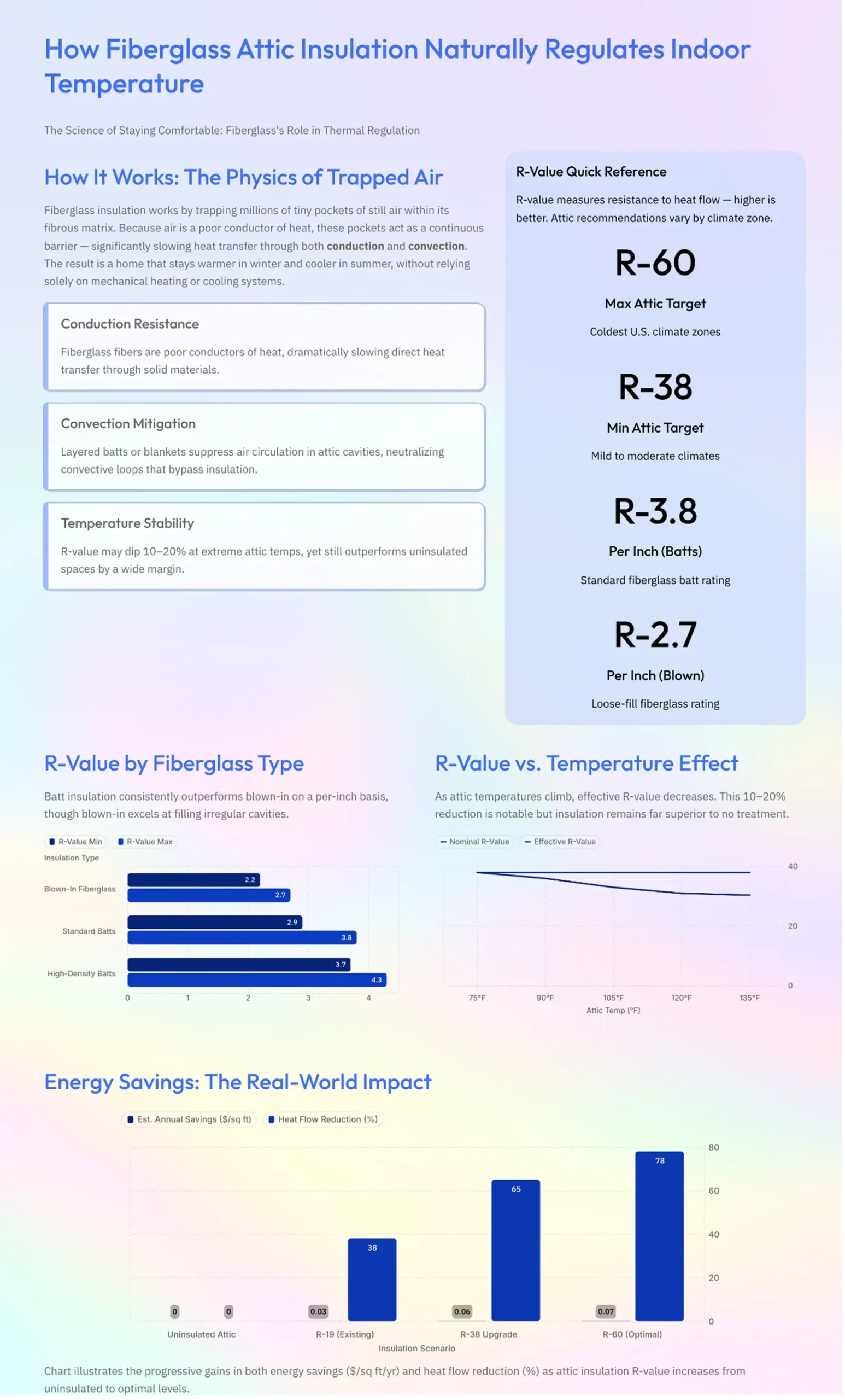
- Trapped Air is Key: Fiberglass insulation works by trapping pockets of still air within its fibrous matrix. This significantly impedes heat transfer through conduction and convection, acting as a natural barrier against temperature fluctuations.
- R-Value: The Measure of Resistance: Fiberglass insulation is rated by its R-value, which quantifies its resistance to heat flow. Higher R-values mean better insulation. For attics, recommended R-values range from R-38 to R-60, depending on the climate zone. Standard fiberglass batts typically achieve R-2.9 to R-3.8 per inch of thickness.
- Visual: [Chart showing R-value per inch for different fiberglass densities, e.g., R-2.2-2.7 for blown-in, R-3.0-3.7 for batts]
- Temperature Dependency: While fiberglass is effective, its R-value can decrease by 10% to 20% when insulation temperatures rise significantly above room temperature (e.g., in hot attics). However, even with this reduction, it still provides substantial thermal resistance compared to uninsulated spaces.
- Visual: [Line graph showing R-value decreasing as temperature increases, with a comparison to a constant R-value line]
- Mitigating Convection: In attic spaces, especially under large temperature differences, natural convection can reduce insulation effectiveness. However, applying a covering of fiberglass batts or blankets can effectively eliminate this additional heat flow.
- Energy Savings: Proper attic insulation, like fiberglass, can lead to significant energy savings. Upgrading insulation from R-19 to R-38 in cold climates has been estimated to save $0.046 to $0.070 per square foot annually.
- Visual: [Infographic showing a house with an attic, with arrows indicating heat flow reduction and a dollar sign representing savings]
Sources: Insulation Institute (BI456), Engineering Toolbox, ORNL (web.ornl.gov/sci/buildings/conf-archive/1982 B2 papers/041.pdf), ACEEE (web.ornl.gov/sci/buildings/conf-archive/1996 B5 papers/048.pdf), InsulationRValues.com, National Insulation Authority.
FAQs
1. How long does fiberglass attic insulation last?
Fiberglass insulation can last several decades if properly maintained and kept dry.
2. Does fiberglass insulation compress over time?
It can compress if disturbed, but under normal conditions, it retains its structure well.
3. Is fiberglass insulation suitable for all climates?
Yes, it performs effectively in both hot and cold climates.
4. Can insulation improve indoor air quality?
Yes, by reducing moisture and preventing mold growth, it supports better air quality.
5. How do I know if my attic has enough insulation?
Signs include consistent indoor temperatures and stable energy bills; otherwise, an inspection may be needed.