
This project took place in Brooklyn, NY and involved two separate water intrusion problems inside the same home. The homeowner was dealing with basement leaks and also water damage near a top-floor window. Both areas showed signs of moisture, staining, and long-term structural risk.
The work was completed by the team at Zavza Seal after a full site inspection and careful evaluation of the damage.
Basement Water Problem
Problem
The basement had ongoing water intrusion through the foundation walls. The homeowner noticed damp walls, a strong musty smell, and visible signs of moisture damage. Over time, water was entering through cracks in the concrete and making the space less safe and less usable.
What We Found
After inspection, we found that the concrete foundation had multiple weak points. Water was entering through small cracks and hidden voids in the structure, especially during rain. This was a long term issue that would continue if not properly sealed.
Solution
To fix the problem, we first removed damaged and weak concrete where it was necessary so we could reach a solid surface. Then we cleaned and prepared the area using mechanical grinding.
We injected epoxy and urethane into the cracks to seal active water entry points from inside the structure. After that, we applied a deep penetrating waterproofing treatment that strengthens the concrete at a molecular level and reduces future water movement.
A high strength waterproof cement coating was then applied to protect the surface. Once everything cured properly, the treated areas were restored so the basement could return to normal use.
Result
The basement is now dry and stable. Water intrusion has been stopped, and the space is protected against future leakage.
Top Floor Window Water Damage
Problem
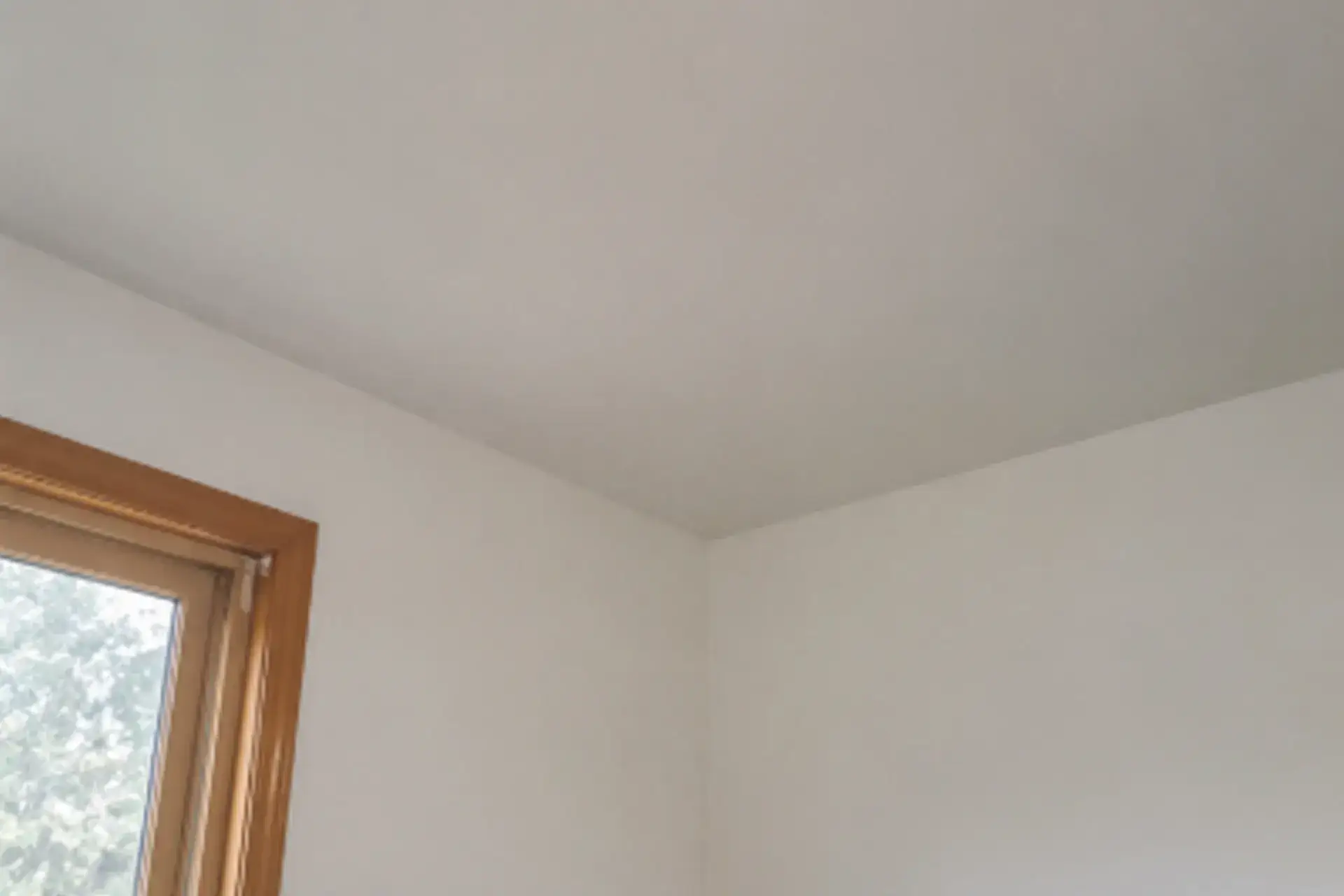
The homeowner also reported water damage around a top floor window area. The ceiling below the window showed stains, moisture, and weakening drywall. In some areas, the ceiling was at risk of further deterioration.
Inspection and Finding
Our senior estimator and project manager inspected the site. After reviewing the damage, it became clear that the full source of water was not immediately visible.
It was not safe or accurate to give a full repair price without first opening the affected area and collecting more information. The water could have been coming from outside rain penetration or possibly from plumbing above.
Because of this, we recommended exploratory work first so we could clearly identify the source before final repairs.
Exploratory Work
We carefully opened the affected ceiling area by removing drywall under the beam to expose the structure. The area was sealed with protective plastic to control dust and moisture.
Inside, we inspected framing, ceiling joists, and surrounding materials. We also documented everything and looked for possible water paths. This step helped us understand how far the damage had spread and where the water was actually coming from.
Repair Approach
Once the issue is fully confirmed, the repair process includes removing damaged ceiling materials, treating the affected areas with epoxy and urethane injection, and applying waterproofing materials to seal the structure.
We also use a deep penetrating concrete treatment that strengthens the material and reduces future moisture movement. After that, a high strength waterproof cement coating is applied along with fiber reinforcement where needed.
Finally, the ceiling and walls are restored, including patching, sanding, and painting to match the existing interior as closely as possible.
Result
The exploratory process allowed us to avoid guessing and ensured the real problem could be identified before repair. This leads to a more accurate and long lasting solution.
Final Outcome
Both issues in the home were handled with a careful step by step approach. Instead of rushing into repairs, we first identified the real causes of water intrusion and then applied targeted waterproofing solutions.
The basement is now dry and protected. The top floor water issue is properly diagnosed and ready for precise repair work. The home is now safer, more stable, and better protected from future water damage.