
Owning a home in Long Island, Brooklyn, Queens, or the Bronx comes with its own set of challenges. Many homes in these areas are older, and over time the concrete that supports them can start to wear down.
Your footing and foundation are what keep your home stable and safe. When there is a problem in this area, it can slowly affect the rest of the house. You may start to notice cracks, moisture, or floors that do not feel level.
The good news is that not every issue means something serious. In many cases, early signs can be fixed before they turn into bigger and more expensive problems.
In this guide, we will explain everything in a simple way so you can understand what is happening under your home and what to look out for.
What Are Footings and Foundations?
Your home stands on two very important parts that you usually cannot see. These are the footings and the foundation.
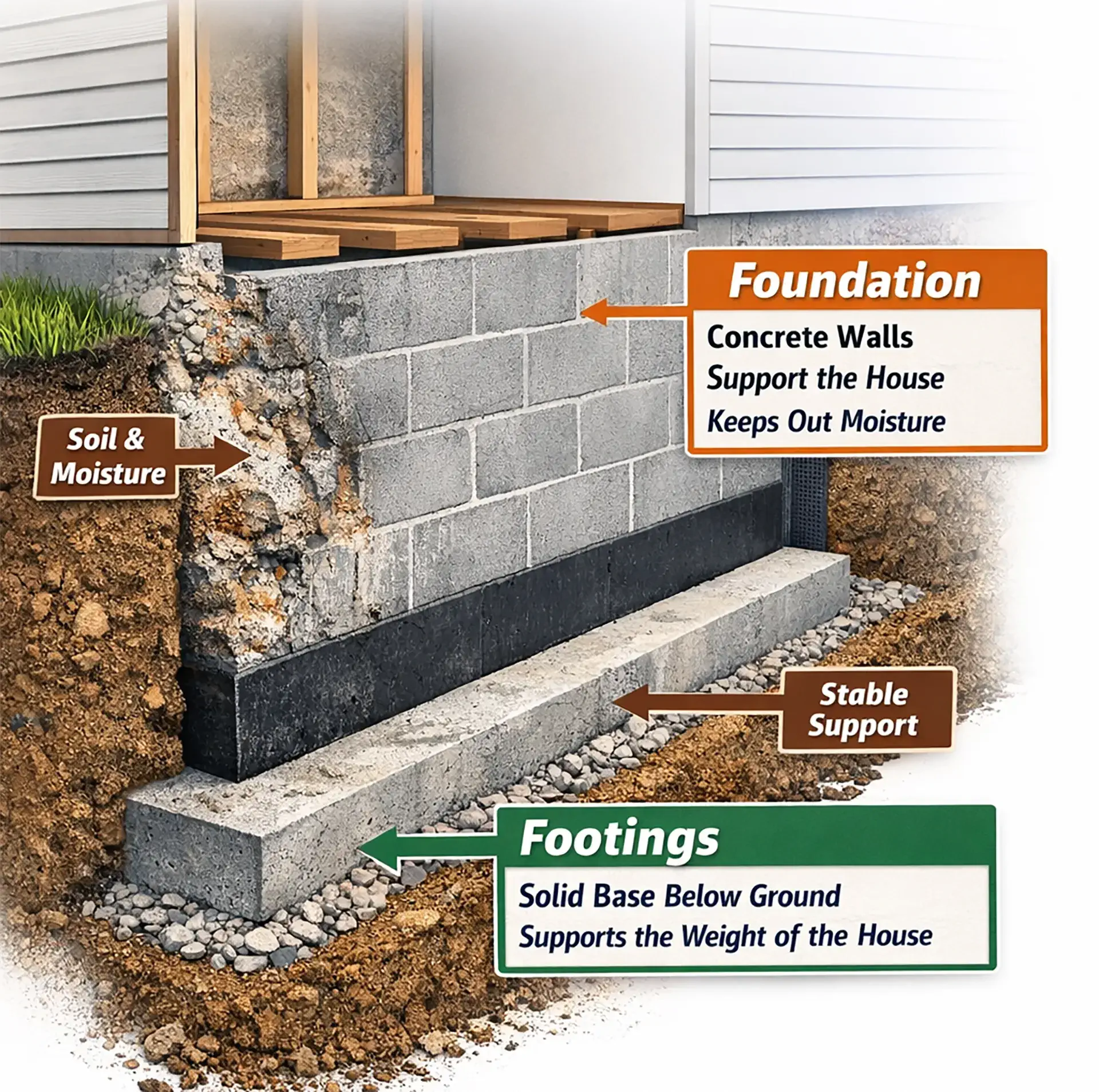
Footings are the base of your home. They sit below the ground and spread the weight of the house so it stays steady. Think of them as the support that keeps everything from sinking or shifting.
The foundation sits on top of the footings. These are the concrete walls that hold up the structure of your home. They also help keep moisture and soil outside where it belongs.
Together, the footings and foundation keep your home strong and balanced. If either one starts to weaken, it can affect walls, floors, and even doors inside your home.
That is why it is important to understand how they work and to catch small problems early before they grow into bigger issues.
Common Foundation Problems in NYC and Long Island
Homes in Long Island, Brooklyn, Queens, and the Bronx often face similar foundation issues. This is mostly because many of these homes are older and have been exposed to years of changing weather and ground movement.
One of the most common problems is cracks in the concrete. These can show up on walls, floors, or along the base of your home. Some cracks are small and harmless, but others can grow over time and lead to bigger issues.
Water seepage is another problem many homeowners deal with. After heavy rain, moisture can start coming through the foundation walls or basement floor. This can lead to damp spaces, musty smells, and damage over time.
Uneven settling is also something to watch for. This happens when parts of your home slowly shift or sink into the ground. You might notice floors that feel uneven or small gaps forming around doors and windows.
These problems are common in this region because of a few key reasons:
- Many homes were built decades ago
- Weather changes cause the ground to expand and shrink
- Soil movement over time puts pressure on the structure
Understanding these issues early can help you take the right steps before they turn into serious damage.
Signs Your Footings or Foundation May Be Failing
It is not always easy to see what is happening under your home, but there are clear signs inside the house that can point to a problem. Paying attention to these early warning signs can help you avoid bigger repairs later.
Look out for the following:
- Cracks in walls or floors that continue to grow over time
- Doors and windows that start sticking or do not close properly
- Moisture or dampness in the basement, especially after rain
- Floors that feel uneven or slightly sloped when you walk on them
Not every sign means there is serious damage, but if you notice more than one of these, it is a good idea to have it checked. Catching these issues early can save you time, stress, and cost in the long run.
What Causes These Issues?
Foundation problems do not happen overnight. In most cases, they develop slowly over time due to a few common reasons.
One major cause is poor drainage. When water is not directed away from your home, it collects around the foundation. Over time, this can weaken the concrete and lead to cracks or moisture getting inside.
Soil shifting is another common reason. The ground under your home naturally expands and shrinks with changes in weather. This movement can put pressure on the foundation and cause it to shift or settle unevenly.
Aging concrete also plays a role. Many homes in Long Island and the NYC boroughs were built years ago. As concrete gets older, it can start to lose its strength and become more likely to crack.
Improper construction can also lead to problems. If the foundation or footings were not built correctly in the first place, issues may show up sooner than expected.
Understanding these causes can help you see why foundation problems happen and why it is important to address them early.
How Concrete Footings and Foundations Are Repaired
Fixing foundation issues always starts with understanding the problem clearly. Every home is different, so the first step is a careful inspection.
During an inspection, the goal is to look at visible signs like cracks, moisture, and uneven areas. This helps identify what is causing the issue and how serious it is. A proper check allows the right solution to be chosen instead of guessing.
Once the problem is understood, the repair process can begin. This may include sealing cracks, strengthening weak areas, or stabilizing parts of the foundation that have shifted. The exact method depends on what the home needs, but the goal is always to restore strength and stability.
Waterproofing is also an important part of the process. Even after repairs are done, keeping water away from the foundation helps prevent the same problem from coming back. This can include sealing the surface and improving how water drains away from the home.
When repairs are done correctly and at the right time, they can protect your home and prevent more costly damage in the future.
Why Early Repair Saves You Money
Many foundation problems start small and easy to fix. A small crack or minor moisture issue may not seem urgent, but over time it can turn into something much bigger.
When problems are caught early, repairs are usually simple and more affordable. Sealing a crack or fixing a drainage issue is much easier than dealing with major structural damage later.
Ignoring these signs can lead to higher costs. Small cracks can grow wider, water can cause more damage, and parts of the home can start to shift. What could have been a simple repair may turn into a large project that takes more time and money.
Taking action early also helps protect the value of your home. A strong and stable foundation support is one of the most important parts of any property. Keeping it in good condition can prevent future issues and give you peace of mind.
In the long run, fixing problems early is not just about saving money. It is about protecting your home before the damage spreads.
⭐ Real Project Example: Footing and Foundation Repair in Queens
The Problem
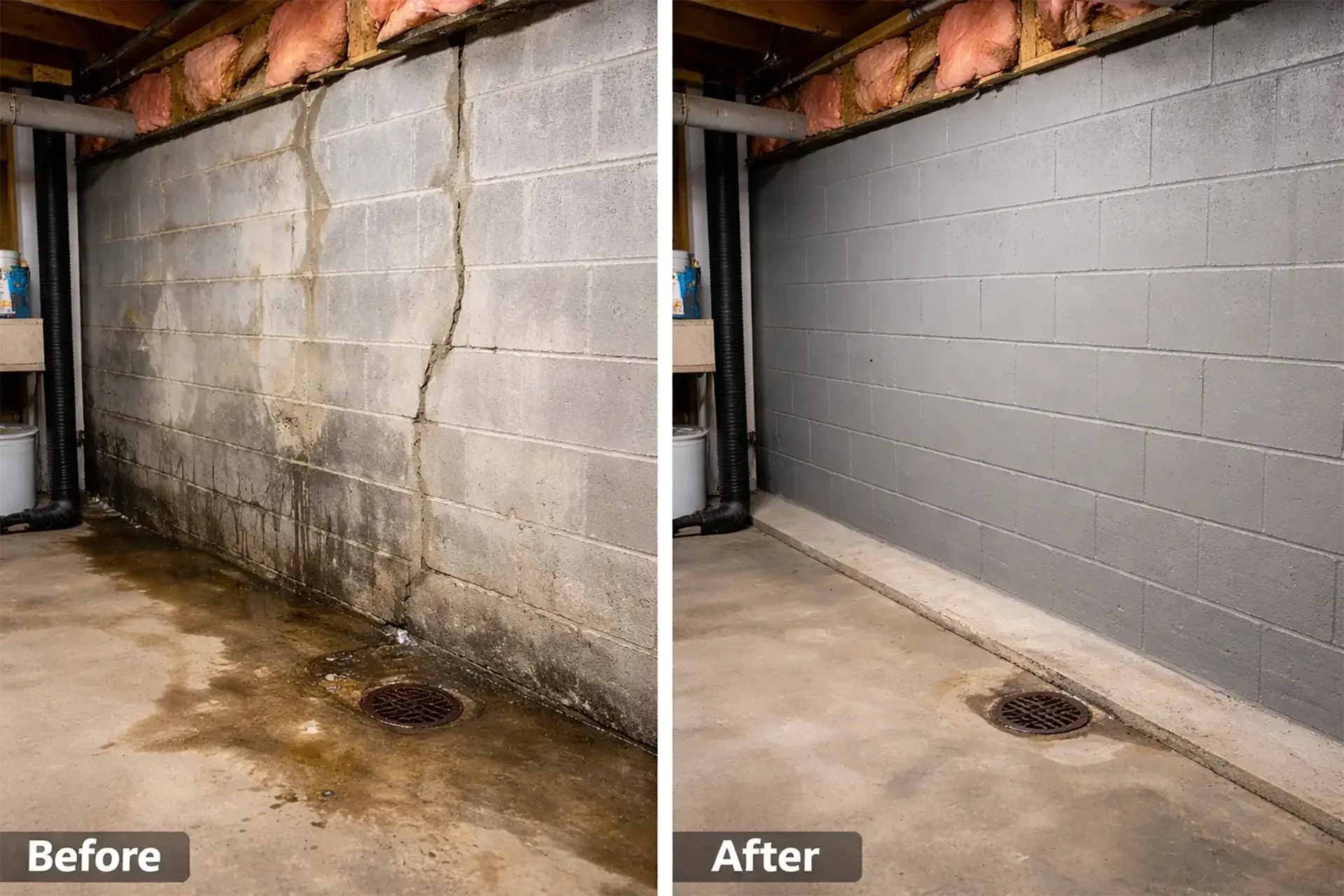
A homeowner in Queens noticed cracks forming along their basement wall and moisture slowly coming through the concrete. At first, it seemed small, but over time the cracks became more visible and the basement started feeling damp, especially after heavy rain.
The homeowner was worried because the issue was getting worse instead of better, and they were unsure what was causing it.
The Solution
Our team visited the home to inspect the foundation and understand the source of the problem. We found that water was collecting around the base of the house and slowly affecting the concrete over time.
We carried out the repair by addressing the damaged areas, sealing the cracks, and improving protection against water getting in. The goal was to stop the existing damage and prevent it from coming back.
The Result
After the work was completed, the basement was dry and the cracks were no longer spreading. The foundation became more stable, and the homeowner no longer experienced water coming through after rain.
Before and After
Why Local Experience Matters
When it comes to foundation work, local experience makes a real difference. Homes in Long Island, Brooklyn, Queens, and the Bronx are not all built the same, and they face different ground and weather conditions compared to other areas.
A contractor who works regularly in these areas understands the types of issues that show up most often. Many older homes in NYC boroughs deal with settling over time, while homes in Long Island often face moisture related problems because of soil and drainage conditions.
Local experience and following local building standards also means knowing how quickly small problems can grow in this region. Weather changes, heavy rain, and seasonal shifts can all put pressure on concrete foundations.
When a team has worked on many homes in the same area, they are better prepared to identify problems early and suggest the right solution without guesswork.
To Sum It All Up
Your home’s foundation is not something you see every day, but it plays one of the most important roles in keeping your house safe and stable. Small signs like cracks, moisture, or uneven floors should never be ignored, especially in older homes across Long Island and the NYC boroughs.
Not every issue is serious, but the only way to know for sure is to have it checked properly. Early attention can prevent bigger problems and help you avoid costly repairs in the future.
If you are noticing any of the signs mentioned in this guide, it is always better to have it looked at sooner rather than later.