
Why Is My Window Well Filling With Water?
If you’ve looked outside after a rainstorm and noticed water standing in your window well, you’re not alone. Many homeowners in Long Island, Brooklyn, Queens, and the Bronx experience window well drainage problems, especially during periods of heavy rain.
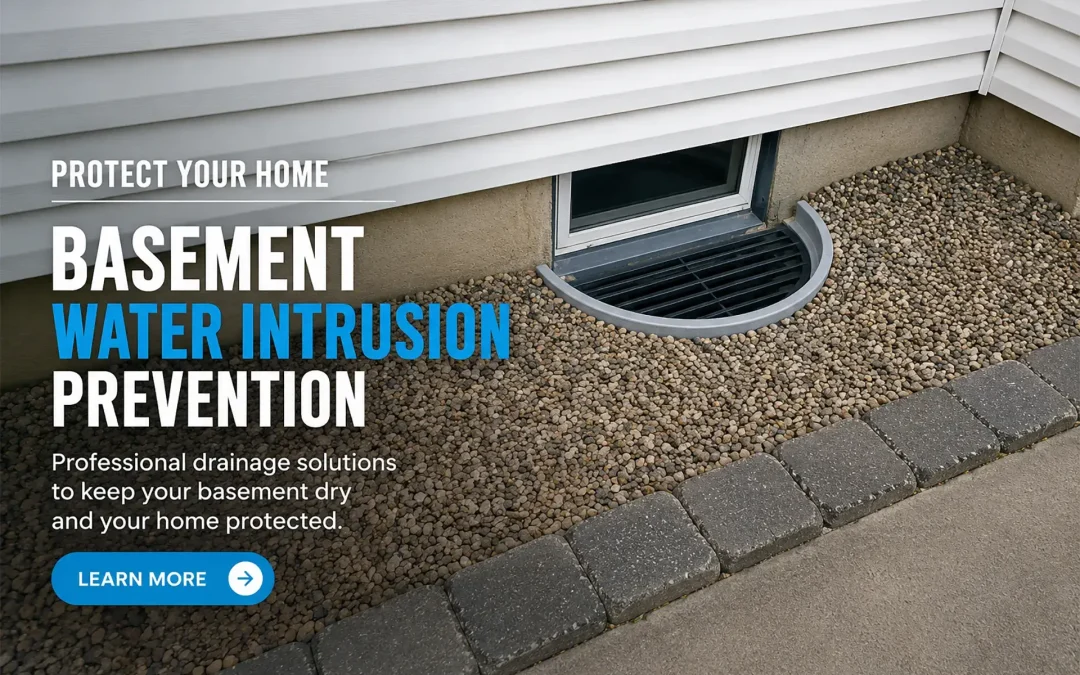
A window well is designed to keep soil away from basement windows while allowing natural light into below-grade spaces. However, when drainage systems fail, water can collect inside the well and eventually find its way into your basement.
What starts as a small puddle can quickly turn into a flooded basement, damaged walls, mold growth, and expensive repairs.
Understanding why your window well is filling with water is the first step toward finding the right solution.
What Is a Window Well Drain?
A window well drain is a drainage system installed at the bottom of a window well. Its job is to collect water and move it away from your home’s foundation.
Most window well drains include gravel at the bottom and a drain pipe that connects to a footing drain, dry well, or another drainage system.
When working properly, the drain prevents water from accumulating around basement windows and reduces the risk of water intrusion.
Common Causes of Window Well Drainage Problems
Clogged Window Well Drain
One of the most common causes of window well flooding is a clogged drain.
Leaves, dirt, mulch, and other debris can build up inside the well over time. Eventually, the drain becomes blocked and water can no longer flow away from the area.
Poor Yard Grading
The ground around your home should slope away from the foundation.
If the yard slopes toward the house, rainwater naturally flows into the window well, overwhelming the drainage system.
Heavy Rainfall
Even a properly functioning drainage system can struggle during severe storms if it was not designed to handle large amounts of water.
This is especially common in areas that experience frequent heavy rainfall.
Damaged Drain Pipes
Drainage pipes can crack, collapse, or become blocked underground.
When this happens, water cannot move through the system as intended and begins collecting in the window well.
Missing Drainage System
Some older homes were built without window well drains.
Without a dedicated drainage system, water has nowhere to go except into the surrounding soil or against the basement window.
Signs You Have Window Well Drainage Problems
Many homeowners do not realize there is a drainage issue until water enters the basement.
Some common warning signs include:
- Standing water in the window well
- Water stains around basement windows
- Damp basement walls
- Musty odors
- Mold growth near basement windows
- Water entering the basement after rain
- Soil erosion around the window well
If you notice any of these signs, it is important to address the problem before it becomes more serious.
What Happens If You Ignore Window Well Flooding?
Ignoring window well flooding can lead to several costly problems.
Water can seep through basement windows and enter finished living spaces. Over time, repeated moisture exposure may damage drywall, flooring, insulation, and personal belongings.
Persistent moisture can also create ideal conditions for mold growth. In some cases, ongoing water intrusion can contribute to foundation deterioration and structural damage.
The longer the problem continues, the more expensive the repairs often become.
A Common Window Well Flooding Scenario
A homeowner in Brooklyn noticed that water kept collecting inside a basement window well after every heavy rainstorm. At first, the problem seemed minor. The water would eventually disappear, and no leaks were visible inside the basement.
Over time, however, the water began rising higher in the window well. During one particularly heavy storm, the water reached the basement window and started leaking into the finished basement. The homeowner noticed damp carpeting, musty odors, and water stains near the window.
After an inspection, it was discovered that the window well drain had become clogged with dirt and debris. Water could no longer drain properly and had nowhere to go during storms.
The solution involved cleaning the drainage system, replacing damaged drainage components, improving grading around the home, and installing additional drainage measures to help manage runoff.
After the repairs were completed, water no longer accumulated in the window well, even during heavy rainfall. The homeowner avoided further basement water damage and gained peace of mind knowing the drainage system was working properly again.
While every property is different, this example shows how a small drainage issue can eventually become a much larger and more expensive problem if it is not addressed early.
Window Well Flooding Solutions
Clean the Existing Drain
If the drain is clogged, cleaning it may restore proper drainage.
Removing debris and flushing the drain can often solve minor issues.
Install a New Window Well Drain
If no drain exists or the existing system has failed, installing a new window well drain may be necessary.
A properly installed drainage system helps move water away before it can cause damage.
Improve Yard Grading
Correcting the slope around your home can dramatically reduce the amount of water flowing into the window well.
Install a French Drain
French drains are often used to collect and redirect groundwater away from foundations.
They can be an excellent solution when drainage issues affect multiple areas around the property.
Add a Dry Well
A dry well provides a place for collected water to safely disperse into the ground.
This can help reduce pressure on existing drainage systems.
Upgrade Basement Waterproofing
In some cases, improving waterproofing around the foundation can provide additional protection against water intrusion.
Install a Sump Pump
A sump pump can serve as an extra layer of defense by removing water before it enters the basement.
What to Expect During Window Well Drain Installation
The process typically begins with a thorough inspection of the drainage problem.
The area around the window well is excavated, and gravel is installed to improve water movement. A drainage pipe is then placed and connected to an appropriate drainage outlet, such as a footing drain or dry well.
After installation, the system is tested to ensure water flows properly away from the foundation.
How Much Does Window Well Drain Installation Cost?
The cost of window well drain installation depends on several factors.
These include the depth of the window well, soil conditions, accessibility, and whether new drainage connections are required.
While costs vary from project to project, investing in proper drainage is often far less expensive than repairing water damage caused by repeated flooding.
How to Prevent Future Window Well Drainage Problems
Regular maintenance can help prevent future drainage issues.
Keep window wells free of leaves and debris. Make sure gutters and downspouts direct water away from the foundation. Inspect drainage systems after major storms and address small issues before they become larger problems.
Installing a quality window well cover can also help reduce debris buildup and improve drainage performance.
Why Homeowners Trust Zavza Seal for Window Well Drainage Solutions
At Zavza Seal, we help homeowners throughout Long Island, Brooklyn, Queens, and the Bronx solve drainage and waterproofing problems before they lead to serious property damage.
Our team evaluates the root cause of water intrusion and designs drainage solutions tailored to each property’s needs. Whether you need a new window well drain, French drain installation, dry well construction, or basement waterproofing services, we can help protect your home from future water damage.
Window well drainage problems may seem minor at first, but they can quickly lead to basement flooding, mold growth, and costly repairs.
If your window well is filling with water after rain, it is important to identify the cause and address it before the problem worsens.
Whether the issue involves a clogged drain, poor grading, or a failing drainage system, the right solution can help keep your basement dry and protect your home’s foundation for years to come.
Frequently Asked Questions
Why does my window well fill with water when it rains?
The most common causes include clogged drains, poor grading, damaged drain pipes, or the absence of a drainage system.
Can a window well cause basement flooding?
Yes. If water accumulates inside the well and reaches the basement window, it can enter the home and cause flooding.
How do I know if my window well drain is clogged?
Standing water that remains long after rainfall is often a sign that the drain is blocked.
Do all window wells need drains?
Not always. However, deeper window wells and below-grade basement windows generally benefit from having a drainage system.
Can I install a window well drain myself?
Small maintenance tasks may be suitable for homeowners, but professional installation is often recommended for long-term performance and reliability.