
Project Overview
The Challenge
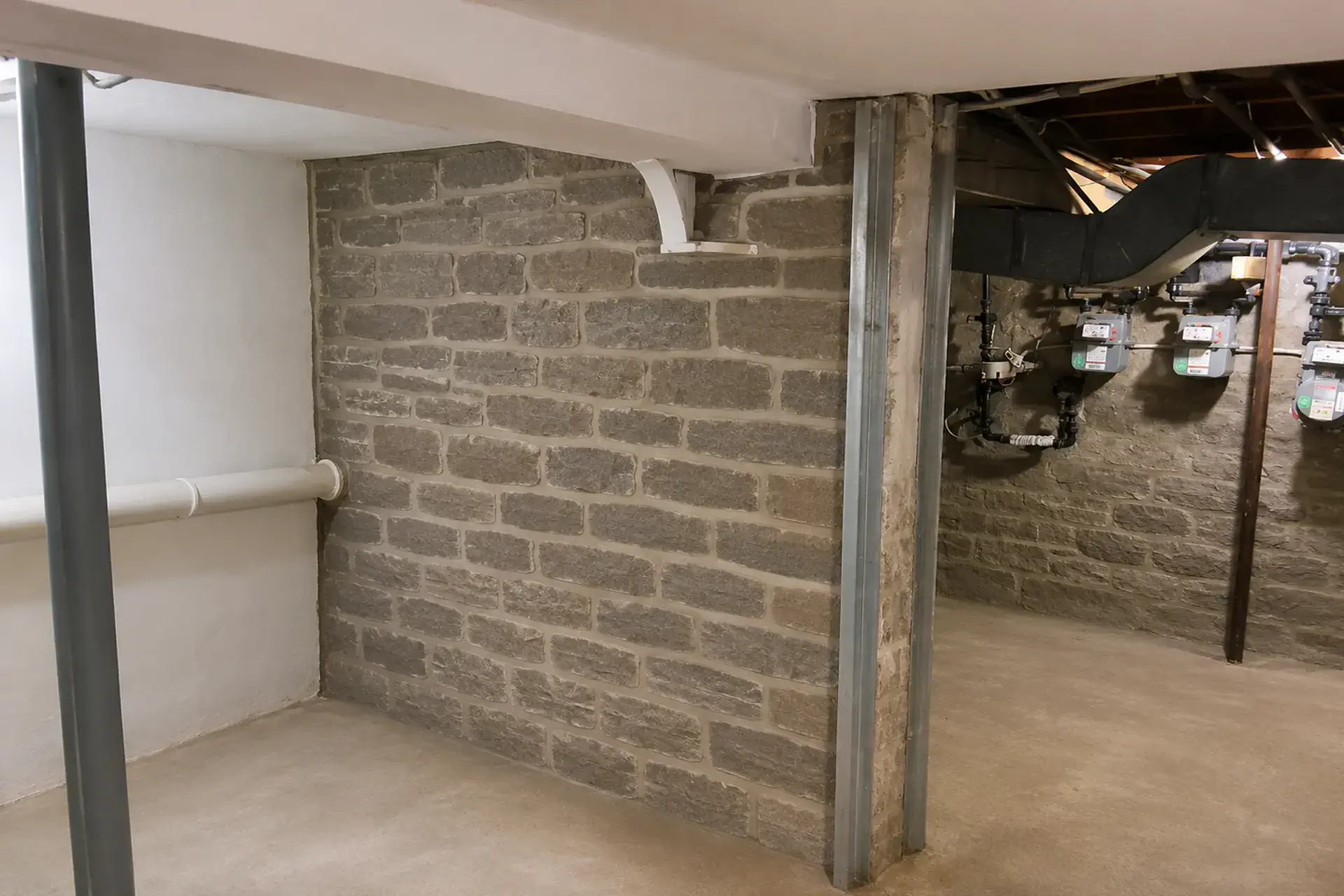
A homeowner in Brooklyn contacted Zavza Seal after noticing crumbling mortar joints and visible deterioration along several sections of their basement foundation walls. Although there were no major structural problems at the time, the damage had become noticeable enough to raise concerns about the long-term stability of the foundation.
During our on-site inspection, our senior estimator and project manager found that approximately 25% of the mortar joints showed signs of erosion and deterioration. If left untreated, the weakened mortar could allow moisture to penetrate the walls, leading to further damage, reduced structural strength, and potential settlement issues over time.
The homeowner wanted a permanent solution that would both strengthen the foundation walls and help prevent future water intrusion.
Our Inspection
Our team performed a detailed inspection of the basement foundation walls to evaluate the overall condition of the masonry.
The inspection revealed:
- Significant mortar joint erosion throughout portions of the foundation walls.
- Loose and deteriorated mortar that had weakened over time.
- Surface deterioration caused by years of moisture exposure.
- Areas that required structural reinforcement before they worsened.
Based on our findings, we recommended restoring the damaged mortar joints while waterproofing the entire repaired wall surface.
Our Solution
To restore the structural integrity of the basement foundation walls, our crew followed a proven repair process.
Step 1: Testing the Existing Mortar
Every accessible mortar joint was carefully tested using a high-carbon steel claw bar. This allowed us to identify weak sections that required repair while confirming the integrity of the surrounding masonry.
Step 2: Surface Preparation
Proper preparation is essential for long-lasting repairs.
Using commercial-grade knot wire cup brushes, we removed loose mortar, paint, dirt, dust, and other contaminants from the damaged areas. Where necessary, diamond grinding blades were used to remove deteriorated material and create a clean bonding surface.
Step 3: Structural Mortar Repair
After preparation, the damaged mortar joints and cavities were rebuilt using a high-strength 6,500 PSI repair mortar.
This repair mortar restored the strength of the deteriz
Step 4: Waterproofing the Foundation Walls
Once the repairs had cured, our technicians applied two coats of 6,000 PSI waterproofing cement across the repaired wall surfaces.
The waterproofing cement created a durable moisture-resistant barrier while adding another layer of protection to the repaired foundation walls.
The Results
After completing the repairs, the homeowner had a significantly stronger and more durable basement foundation.
The project delivered several benefits:
- Restored deteriorated mortar joints.
- Improved structural stability of the foundation walls.
- Reduced the risk of future settlement caused by continued mortar deterioration.
- Added a waterproof protective layer to help resist moisture intrusion.
- Extended the expected service life of the basement foundation.
The homeowner was pleased knowing the repairs addressed both the structural concerns and future water protection in a single project.
Why Timely Foundation Wall Repairs Matter
Many homeowners overlook deteriorating mortar joints because the damage often develops gradually. However, weakened mortar can eventually allow water to penetrate the foundation while reducing the wall’s ability to support structural loads.
Addressing the problem early helps avoid more extensive repairs later and protects the overall stability of the home.
Need Basement Foundation Wall Repair in Brooklyn?
If you’ve noticed crumbling mortar joints, water seepage, or deteriorating foundation walls, professional repairs can help restore both strength and moisture resistance before the damage becomes more serious.
Zavza Seal provides expert foundation repair, basement waterproofing, and structural masonry restoration throughout Brooklyn, Queens, Long Island, and the surrounding New York area.