
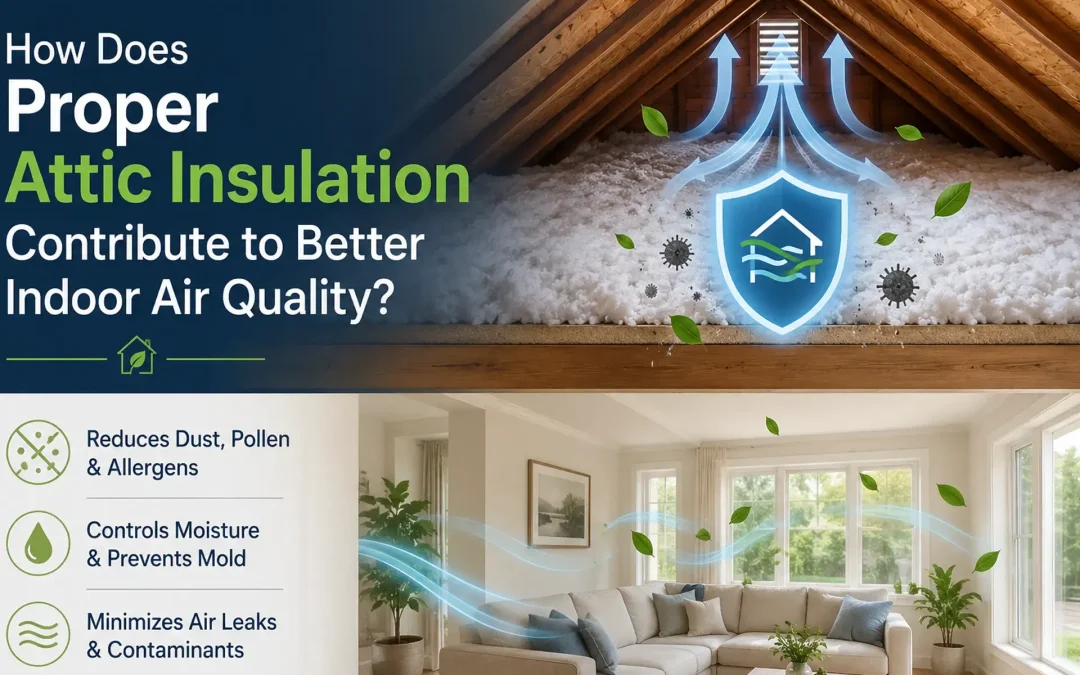
Indoor air quality is something many homeowners rarely think about until they start noticing dust buildup, allergy symptoms, unpleasant odors, or persistent humidity problems. While air purifiers and HVAC maintenance often receive most of the attention, one critical factor is frequently overlooked—the attic.
A properly insulated attic does much more than improve energy efficiency. It plays a significant role in creating a healthier indoor environment by helping control moisture, reducing airborne contaminants, limiting temperature fluctuations, and minimizing unwanted air movement throughout the home.
For homeowners researching attic insulation brooklyn solutions, understanding the connection between insulation and indoor air quality can help explain why attic performance affects far more than heating and cooling costs.
Link Between Attic Insulation and Indoor Air Quality
Your attic acts as a protective barrier between your living space and the outdoors. When insulation is inadequate, damaged, or improperly installed, outside air can enter the home more easily, carrying pollutants, allergens, moisture, and dust.
Think of your attic as a filter. When it functions properly, it helps maintain a cleaner, more stable indoor environment. When it fails, contaminants can move freely throughout the house.
Why Indoor Air Quality Matters More Than Ever?
People spend a significant portion of their lives indoors. The quality of the air inside a home can directly affect comfort, respiratory health, sleep quality, and overall well-being.
Poor indoor air quality may contribute to:
- Allergy symptoms
- Asthma flare-ups
- Respiratory irritation
- Headaches
- Fatigue
- Mold-related health concerns
Creating cleaner indoor air begins with controlling the conditions that allow pollutants to enter and circulate.
Common Indoor Air Pollutants Found in Homes
Many homes contain pollutants such as:
- Dust particles
- Pollen
- Mold spores
- Pet dander
- Outdoor pollutants
- Volatile organic compounds (VOCs)
Without proper insulation and air sealing, these contaminants can spread more easily.
How Pollutants Travel Through a House
Air naturally moves from areas of higher pressure to lower pressure. Small gaps in attic spaces allow airborne particles to travel between the attic and living areas, creating pathways for contaminants.
What Proper Attic Insulation Actually Does?
Attic insulation serves multiple purposes beyond temperature control.
Thermal Protection
Insulation slows heat transfer, helping maintain consistent indoor temperatures year-round.
Air Sealing Benefits
Many insulation systems help reduce unwanted air movement that can transport pollutants throughout a home.
Moisture Control
Insulation helps regulate surface temperatures, reducing the likelihood of condensation that can lead to mold growth.
The Connection Between Air Leakage and Indoor Air Quality
Air leakage is one of the most overlooked contributors to poor indoor air quality.
Hidden Gaps and Cracks in Attics
Even small openings around wiring, plumbing penetrations, recessed lighting, and attic access points can allow significant air movement.
How Contaminants Enter Living Spaces
When air leaks occur, pollutants from attics, crawl spaces, and outdoors may be drawn into living areas through pressure differences.
This process often introduces:
- Insulation particles
- Dust
- Mold spores
- Outdoor allergens
How Attic Insulation Helps Reduce Dust and Allergens
Dust accumulation is not always caused by poor housekeeping. Often, it results from uncontrolled airflow carrying particles throughout the home.
Limiting Outdoor Pollutants
Proper insulation helps reduce pathways through which outdoor pollutants enter indoor environments.
Reducing Indoor Dust Circulation
By limiting air movement between attic spaces and living areas, insulation can decrease the circulation of dust and airborne debris.
This contributes to cleaner surfaces and potentially improved respiratory comfort.
Moisture Management and Mold Prevention
One of the most important ways insulation improves indoor air quality is through moisture control.
Why Moisture Is a Major Air Quality Threat?
Excess moisture creates ideal conditions for:
- Mold growth
- Mildew development
- Wood deterioration
- Airborne spore production
Even small amounts of hidden moisture can affect indoor air quality over time.
How Insulation Helps Control Condensation
Insulation reduces temperature differences between surfaces and surrounding air.
When warm, humid indoor air contacts cold surfaces, condensation forms. Proper insulation minimizes this risk and helps keep attic environments drier.
Attic Insulation and Ventilation Working Together
Insulation and ventilation function best when they work together.
The Importance of Balanced Airflow
An effective attic system allows appropriate airflow while maintaining separation between outdoor conditions and indoor living spaces.
Preventing Stale Indoor Air
Balanced attic systems help reduce excessive moisture buildup and support healthier air circulation throughout the home.
Energy Efficiency and Health Benefits
Many people associate insulation solely with lower energy bills, but the health-related advantages can be equally valuable.
Benefits often include:
- More consistent indoor temperatures
- Reduced drafts
- Better humidity control
- Lower allergen infiltration
- Improved overall comfort
Research on types of attic insulation often highlights how insulation contributes not only to energy performance but also to healthier indoor environments.
Different Types of Attic Insulation and Their Impact on Air Quality
Different insulation materials contribute to indoor air quality in different ways.
Fiberglass Insulation
Fiberglass insulation provides thermal resistance and can help reduce airborne pollutant movement when properly installed.
Cellulose Insulation
Cellulose insulation fills gaps effectively and may improve coverage in irregular attic spaces.
Spray Foam Insulation
Spray foam creates an air-sealing barrier that helps reduce air leakage and moisture infiltration.
Each material offers unique benefits depending on building conditions and performance goals.
Signs Your Attic Insulation May Be Affecting Air Quality
Several warning signs may indicate insulation-related air quality issues:
- Excessive indoor dust
- Uneven temperatures
- Persistent musty odors
- High humidity levels
- Frequent allergy symptoms indoors
- Visible mold growth
- Drafts near ceilings
Addressing these indicators early can help prevent larger indoor environmental concerns.
Why Brooklyn Homes Face Unique Air Quality Challenges?
Urban environments present unique challenges related to outdoor pollutants, seasonal humidity, and older building construction.
Many homeowners exploring attic insulation in brooklyn are dealing with older structures where air leakage, aging insulation, and moisture management require special attention.
Older homes often contain gaps and inefficiencies that make attic performance especially important for maintaining healthy indoor air.
The Role of Professional Assessment
A comprehensive attic evaluation can identify hidden issues that affect air quality, including:
- Insufficient insulation levels
- Air leakage points
- Moisture intrusion
- Ventilation imbalances
- Mold risks
Because every home performs differently, understanding attic conditions is an important step toward improving indoor environments.
How Zavza Seal LLC Approaches Healthy Attic Environments?
Zavza Seal LLC emphasizes the relationship between insulation, moisture control, airflow management, and overall building performance.
Rather than viewing insulation solely as an energy-saving component, modern building science recognizes attic systems as critical contributors to indoor environmental quality. Proper insulation, air sealing, and moisture management work together to create healthier living spaces.
Long-Term Benefits of Proper Attic Insulation
When attic insulation performs as intended, homeowners may experience benefits such as:
- Cleaner indoor air
- Reduced allergen exposure
- Better humidity control
- Lower risk of mold development
- Enhanced comfort
- More stable indoor temperatures
- Improved building durability
These benefits often extend far beyond energy savings alone.
Zavza Seal LLC Serving the Midwood Community and Beyond in Brooklyn
Tidyland Cleaning Services is dedicated to serving the diverse needs of the local community of Brooklyn, including individuals residing in neighbourhoods like Midwood. With its convenient location near landmarks such as the United States Postal Service and major intersections like Avenue J and E 12th St (coordinates: 40.6247016, -73.963846), we offer attic insulation services.
Get attic insulation services at Midwood Now
Call Us or Contact Us: +17184007005
Navigate from Midwood to Zavza Seal LLC Now
Proper attic insulation plays a surprisingly important role in indoor air quality. By reducing air leakage, controlling moisture, limiting contaminant movement, and supporting balanced airflow, insulation helps create a cleaner and healthier indoor environment. While many homeowners focus on insulation for comfort and energy efficiency, its impact on respiratory health, allergen reduction, and mold prevention can be just as significant. A well-performing attic serves as a protective barrier that contributes to better living conditions throughout the entire home.
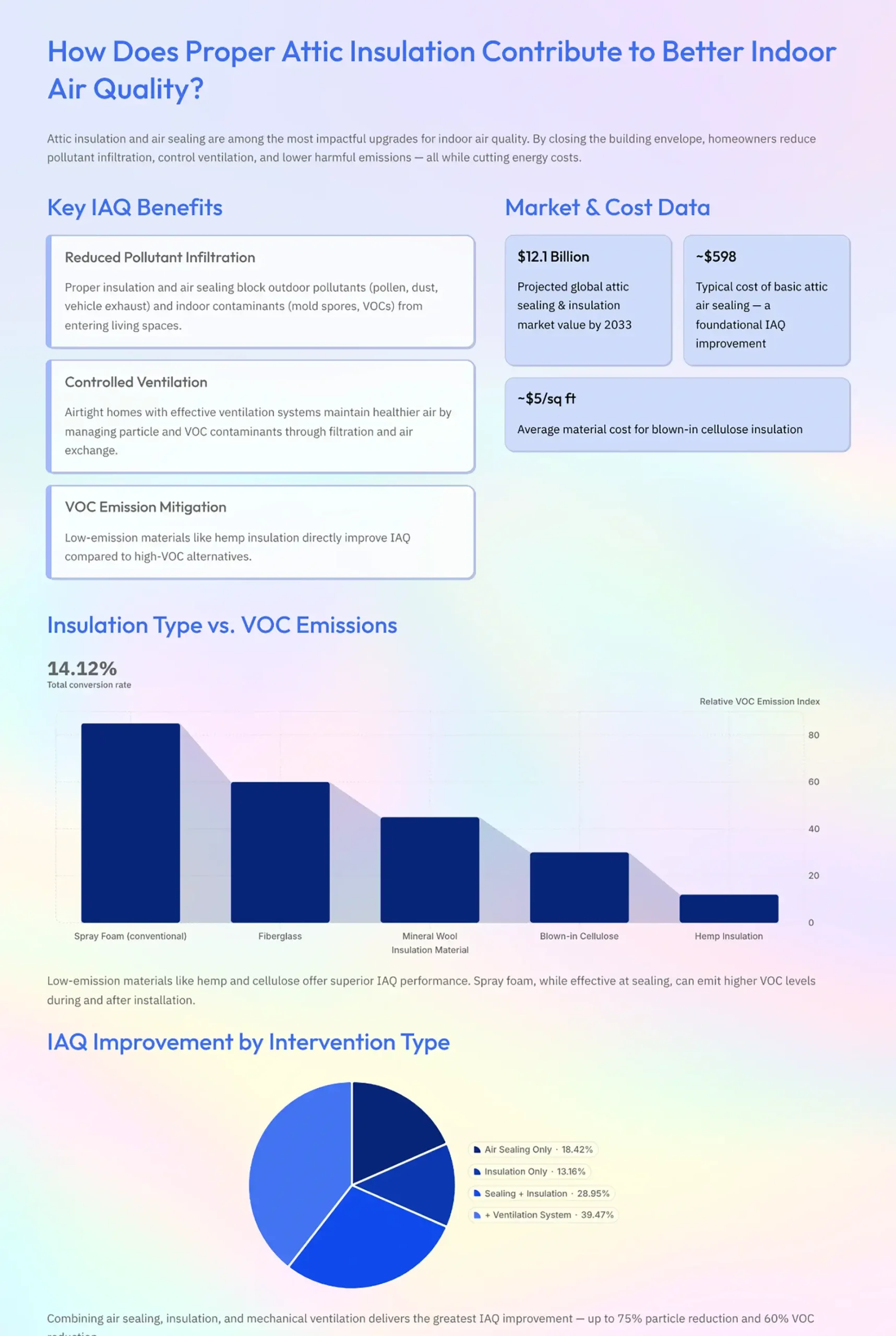
How Does Proper Attic Insulation Contribute to Better Indoor Air Quality?
(Chart/Infographic Placeholder: Visual representation of a house cross-section showing attic insulation and arrows indicating improved air flow and reduced pollutant ingress.)
- Reduced Pollutant Infiltration: Proper attic insulation and air sealing act as a critical barrier, preventing outdoor pollutants (like pollen, dust, and vehicle exhaust) and indoor pollutants (like mold spores and VOCs from building materials) from entering the living space.
- Controlled Ventilation: While insulation seals the envelope, it necessitates controlled ventilation. Studies show that airtight homes with effective ventilation systems, including those with good filtration, maintain healthier indoor air quality by managing particle and VOC contaminants.
- VOC Emission Mitigation: Certain insulation materials, like hemp, exhibit low VOC emissions, directly contributing to better IAQ compared to materials with high emission rates.
- Energy Efficiency & IAQ Synergy: The global attic air sealing and insulation market is projected to reach USD 12.1 billion by 2033, driven by increasing awareness of energy efficiency and sustainable construction, which inherently links to improved indoor environments.
- Cost-Effective IAQ Improvement: Basic air sealing in attics can cost around $598, a foundational step in improving IAQ and energy efficiency, with total insulation projects showing a cost per square foot of approximately $5 for materials like blown-in cellulose.
Sources: M. Berman, P. Smith, and J. Jackson (Alliance for Residential Building Innovation); Vishnupriya Valeriparambil Narayanan et al. (Environmental Science & Sustainable Development); Joseph Lstiburek (Building Science Corporation); Armin Rudd & Daniel Bergey (buildingscience.com); Dataintelo; HomeCostCalc.
FAQs
1. Can attic insulation help reduce allergy symptoms indoors?
Yes. Proper insulation can help reduce the movement of pollen, dust, and other airborne allergens into living spaces.
2. Does attic insulation prevent mold growth?
Insulation itself does not eliminate mold, but it helps control moisture and condensation, which are major factors in mold development.
3. How often should attic insulation be inspected?
Many experts recommend inspecting attic insulation every few years or after significant weather events or renovations.
4. Can poor attic insulation increase indoor dust levels?
Yes. Air leakage through inadequately insulated attic spaces can contribute to higher dust circulation throughout a home.
5. What is the biggest indoor air quality benefit of attic insulation?
One of the most significant benefits is reducing uncontrolled air movement, which helps limit the spread of pollutants, allergens, moisture, and airborne contaminants.