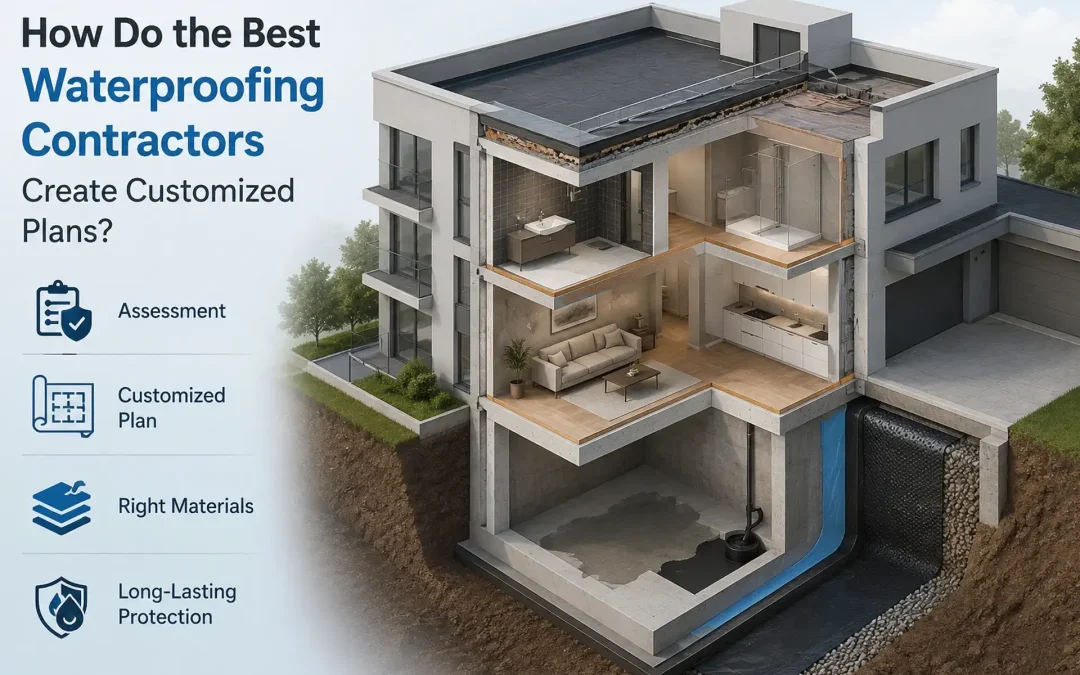
Waterproofing is never a one-size-fits-all solution. Every property has unique structural features, environmental conditions, and moisture risks that require careful evaluation before any waterproofing system is selected. Understanding how professionals create customized waterproofing plans helps property owners make informed decisions and appreciate why different buildings require different strategies.
When discussing industry practices, many property owners researching the best waterproofing contractors brooklyn often want to understand the planning process rather than simply knowing what products are used. This guide explains how experienced professionals including companies like Zavza Seal LLC develop customized waterproofing plans for residential, commercial, and specialized properties.
Why Customized Waterproofing Plans Matter
Water affects buildings in different ways depending on construction methods, soil conditions, weather exposure, drainage systems, and building age. A waterproofing approach that performs well in one property may not be effective in another.
A customized waterproofing plan focuses on:
- Identifying moisture sources
- Evaluating structural conditions
- Selecting compatible waterproofing systems
- Addressing long-term durability
- Reducing future maintenance needs
Instead of treating only visible water damage, professionals aim to identify and solve the underlying cause.
Different Property Types
Residential Homes
Homes experience moisture problems in various locations, including:
- Basements
- Foundations
- Roofs
- Crawl spaces
- Exterior walls
- Balconies
Older homes often require different waterproofing methods than newly constructed houses because materials and construction standards vary.
Common Residential Challenges
- Hydrostatic pressure
- Foundation cracks
- Poor grading
- Roof leaks
- Aging waterproof membranes
Commercial Buildings
Commercial properties typically have larger surface areas and more complex structural systems.
Examples include:
- Office buildings
- Shopping centers
- Warehouses
- Apartment complexes
- Mixed-use buildings
These buildings often require waterproofing systems that minimize disruption while providing long-term protection.
Factors Professionals Evaluate
- Building occupancy
- Roof design
- Drainage capacity
- Expansion joints
- Mechanical equipment placement
Industrial Facilities
Industrial properties face additional waterproofing challenges due to operational demands.
These buildings may contain:
- Heavy machinery
- Chemical exposure
- High humidity
- Large concrete slabs
- Specialized flooring
Customized waterproofing plans consider both environmental conditions and operational requirements.
Historic Buildings
Older structures require careful planning because preserving original materials is often a priority.
Professionals assess:
- Masonry condition
- Mortar deterioration
- Existing waterproof coatings
- Structural movement
- Historical preservation requirements
Using incompatible waterproofing materials can trap moisture and accelerate deterioration.
The Initial Property Assessment
Visual Inspection
Every customized waterproofing plan begins with a detailed inspection.
Professionals examine:
- Visible cracks
- Water stains
- Mold growth
- Efflorescence
- Surface deterioration
The goal is to identify symptoms before determining the actual cause.
Moisture Detection
Not all water damage is visible.
Specialized moisture detection tools help locate hidden moisture behind:
- Walls
- Floors
- Foundations
- Roofing systems
These findings influence the waterproofing strategy.
Drainage Evaluation
Poor drainage is one of the leading causes of water intrusion.
Professionals inspect:
- Downspouts
- Gutters
- Surface grading
- Drainage pipes
- Stormwater flow
Even the best waterproofing materials cannot perform effectively if water continuously pools around the structure.
Environmental Conditions
Climate Considerations
Waterproofing systems should match local weather conditions.
Factors include:
- Rainfall frequency
- Freeze-thaw cycles
- Humidity levels
- Seasonal temperature changes
In areas with frequent storms, waterproofing systems may require additional drainage protection.
Soil Conditions
Different soil types affect foundation waterproofing.
For example:
- Clay retains moisture longer.
- Sandy soil drains more quickly.
- Rocky soil creates different pressure points.
Soil analysis helps professionals understand groundwater movement around the property.
Structural Analysis Before Planning
Foundation Assessment
Professionals evaluate foundation type, including:
- Poured concrete
- Block foundations
- Stone foundations
- Slab-on-grade construction
Each foundation responds differently to moisture exposure.
Wall Construction
Exterior walls may consist of:
- Brick
- Concrete
- Stucco
- Stone
- CMU blocks
Waterproofing products must be compatible with each material.
Roof Design
Roof waterproofing varies depending on design.
Examples include:
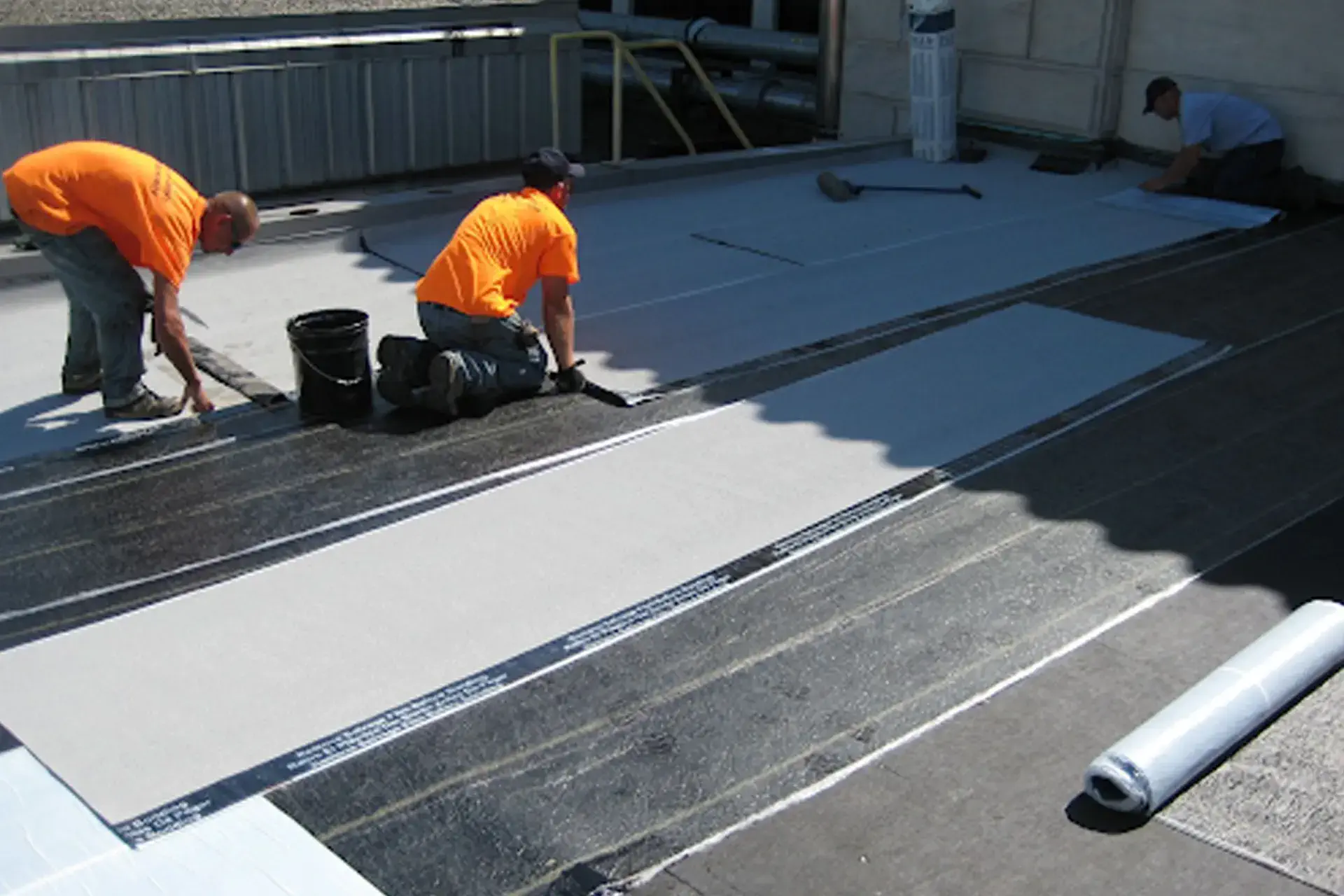
Flat Roofs
Flat roofs often require continuous waterproof membranes because standing water remains longer after rainfall.
Sloped Roofs
These roofs rely more on efficient water shedding but still require protection around flashing, penetrations, and valleys.
Identifying Moisture Entry Points
Professionals carefully trace where water enters the building.
Common entry points include:
- Foundation cracks
- Window frames
- Expansion joints
- Roof penetrations
- Pipe openings
- Wall intersections
Stopping moisture at its source is more effective than repeatedly repairing interior damage.
Choosing the Right Waterproofing System
Foundation Waterproofing
Foundation systems may include:
- Waterproof membranes
- Drainage boards
- Protective coatings
- Exterior drainage systems
Selection depends on groundwater conditions and foundation design.
Roof Waterproofing
Roof systems vary according to:
- Roofing material
- Roof slope
- Drainage layout
- Existing membrane condition
Professionals consider expected weather exposure before selecting materials.
Wall Waterproofing
Exterior wall protection may involve:
- Breathable sealers
- Elastomeric coatings
- Masonry waterproofing systems
The chosen solution must allow appropriate moisture vapor movement while preventing water penetration.
Considering Building Age
Older buildings often contain:
- Weathered masonry
- Aging concrete
- Deteriorated mortar joints
Newer buildings typically incorporate modern waterproof barriers but may still develop issues due to installation defects or settlement.
Customized planning accounts for these differences rather than applying identical methods to every structure.
Balancing Performance and Longevity
A waterproofing plan should prioritize long-term performance.
Professionals consider:
- Expected lifespan
- Maintenance requirements
- Material compatibility
- Environmental exposure
- Structural movement
The objective is not simply preventing today’s leak but minimizing future moisture problems.
Planning for Future Maintenance
Even durable waterproofing systems benefit from regular inspections.
Maintenance plans often include:
- Roof inspections
- Drain cleaning
- Crack monitoring
- Joint inspection
- Moisture testing
Routine maintenance allows small issues to be identified before they become major repairs.
The Role of Documentation
Experienced professionals document every stage of the planning process.
Documentation typically includes:
- Inspection findings
- Moisture readings
- Structural observations
- Waterproofing recommendations
- Maintenance guidelines
This information provides a useful reference for future property management.
How Technology Improves Customized Waterproofing
Modern waterproofing planning increasingly relies on advanced tools.
Examples include:
- Moisture meters
- Infrared thermal imaging
- Laser measuring equipment
- Digital inspection reports
- Drainage mapping software
These technologies improve accuracy while reducing unnecessary guesswork.
Why Experience Matters in Waterproofing Planning
Waterproofing involves more than selecting products.
Experienced professionals understand how building materials interact with:
- Water pressure
- Weather conditions
- Structural movement
- Drainage systems
- Soil behavior
This knowledge allows them to create solutions that address the specific needs of each property rather than relying on generalized approaches.
Property owners searching for the best waterproofing contractors in brooklyn often look for companies that emphasize thorough inspections, detailed assessments, and customized planning. Industry professionals such as Zavza Seal LLC demonstrate how a structured evaluation process helps develop waterproofing strategies suited to different property types instead of applying identical solutions to every building.
Common Mistakes That Customized Plans Help Prevent
A tailored waterproofing plan helps avoid several common problems:
- Applying incompatible waterproof coatings
- Ignoring drainage issues
- Treating symptoms instead of causes
- Overlooking hidden moisture
- Using the same waterproofing method for every structure
- Failing to consider future maintenance
Careful planning reduces the likelihood of repeated water intrusion and unnecessary repairs.
Zavza Seal LLC Serving the Mapleton Community and Beyond in Brooklyn
Zavza Seal LLC is dedicated to serving the diverse needs of the local community of Brooklyn, including individuals residing in neighbourhoods like Mapleton. With its convenient location near landmarks such as the SAYORA PHARMACY and major intersections like Avenue J and E 12th St (coordinates: 40.6247016, -73.963846), we offer best waterproofing contractors services.
Get best waterproofing contractors services at Mapleton Now
Call Us or Contact Us: +17184007005
Navigate from Mapleton to Zavza Seal LLC Now
Precision Defense: How Experts Engineer Custom Waterproofing
- The Cost of Inaction: 74% of homeowners wait for visible damage before acting, yet proactive waterproofing is the primary hedge against a growing global market expected to reach 6.3% CAGR by 2030 .
- The Customization Blueprint:
- Site-Specific Analysis: Expert contractors perform deep-subsurface assessments (soil composition, water table levels, and drainage pressure) to determine if the site requires interior management or exterior barrier tanking .
- Material Selection Strategy: Matching the structural requirement to the medium—52% of global projects utilize cementitious coatings, while others require high-performance elastomeric liquid membranes or sheet membranes for dynamic roof and foundation stressors .
- Engineered Execution: Beyond simple sealing, contractors implement integrated drainage systems and hydrostatic pressure relief, turning reactive patches into permanent structural investments .
- The Bottom Line: Professional intervention transforms an unpredictable moisture liability into a durable asset, safeguarding property longevity against escalating climate-driven water intrusion.
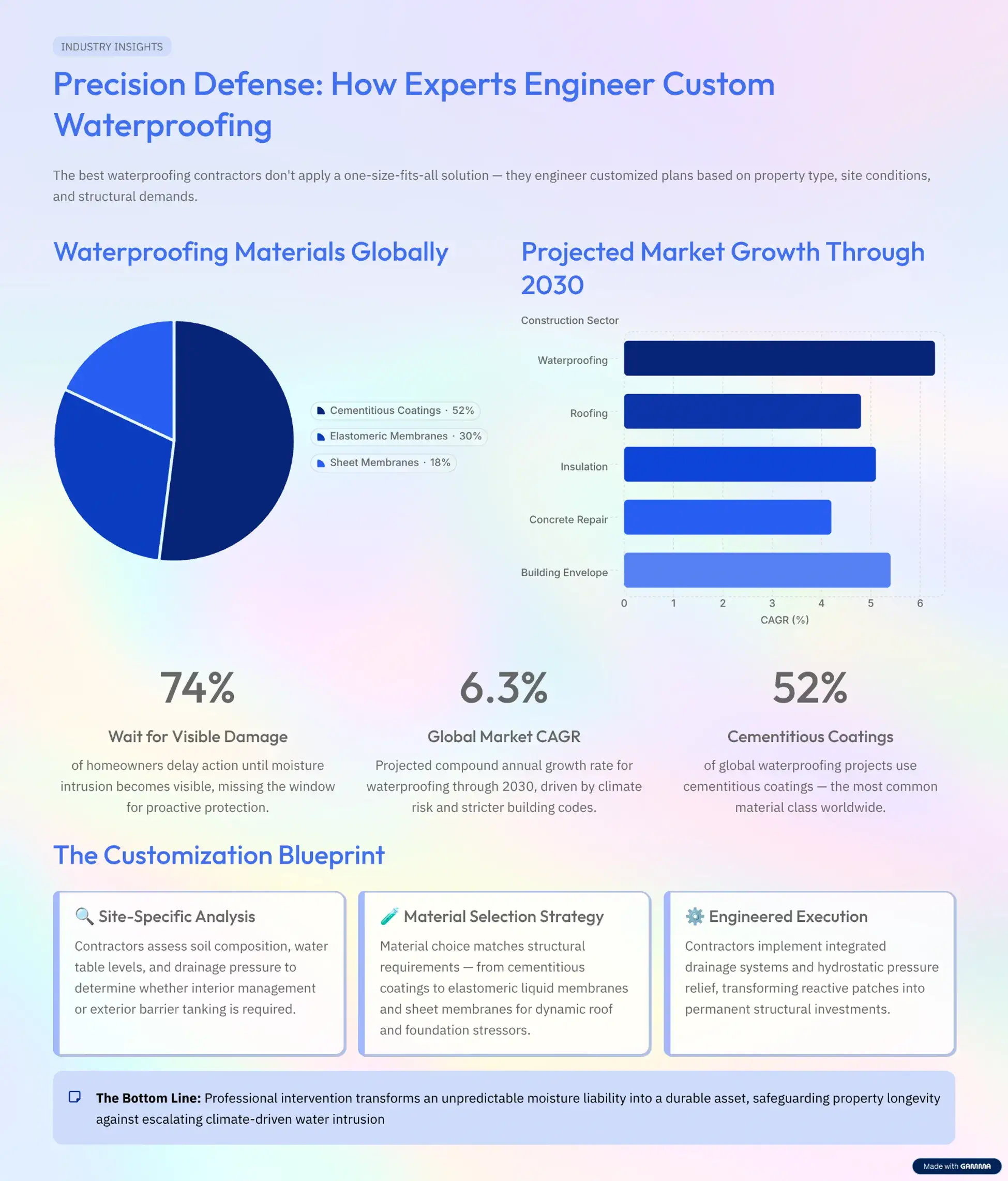
Sources: Gitnux (2026) ; Slideshare & SlideServe Industry Reports
Every building faces unique moisture challenges shaped by its design, age, location, materials, and surrounding environment. That is why professional waterproofing begins with careful evaluation rather than immediate installation. Customized waterproofing plans combine structural assessments, moisture detection, drainage analysis, and material compatibility to create solutions that fit the property’s specific needs.
Understanding this planning process helps property owners appreciate why experienced professionals avoid standardized approaches. Whether evaluating a residential home, commercial facility, industrial building, or historic property, the goal remains the same: develop a waterproofing strategy based on evidence, building conditions, and long-term performance. This thoughtful approach is one of the defining characteristics associated with the best waterproofing contractors brooklyn, including experienced providers like Zavza Seal LLC, whose work reflects the importance of property-specific waterproofing planning.
Frequently Asked Questions
- Why can’t the same waterproofing method be used for every property?
Each property differs in construction materials, foundation design, drainage, soil conditions, and exposure to moisture. Customized plans account for these differences to improve effectiveness.
- What is the first step in creating a waterproofing plan?
The first step is a comprehensive property inspection that identifies moisture sources, structural conditions, drainage issues, and potential entry points for water.
- How do professionals identify hidden moisture?
They often use moisture meters, infrared imaging, and other diagnostic tools to locate moisture behind walls, beneath flooring, or within structural components.
- Why is drainage important in waterproofing?
Proper drainage directs water away from the building. Even high-quality waterproofing systems may struggle if water continuously accumulates around the foundation or roof.
- How often should waterproofing systems be inspected?
Many professionals recommend routine inspections at least once a year and after significant storms to identify developing issues before they become major water intrusion problems.