
Buying a home is an emotional decision.
A buyer may fall in love with a property the moment they walk through the front door. They picture their furniture in the living room, imagine family gatherings in the kitchen, and start planning their future in the home.
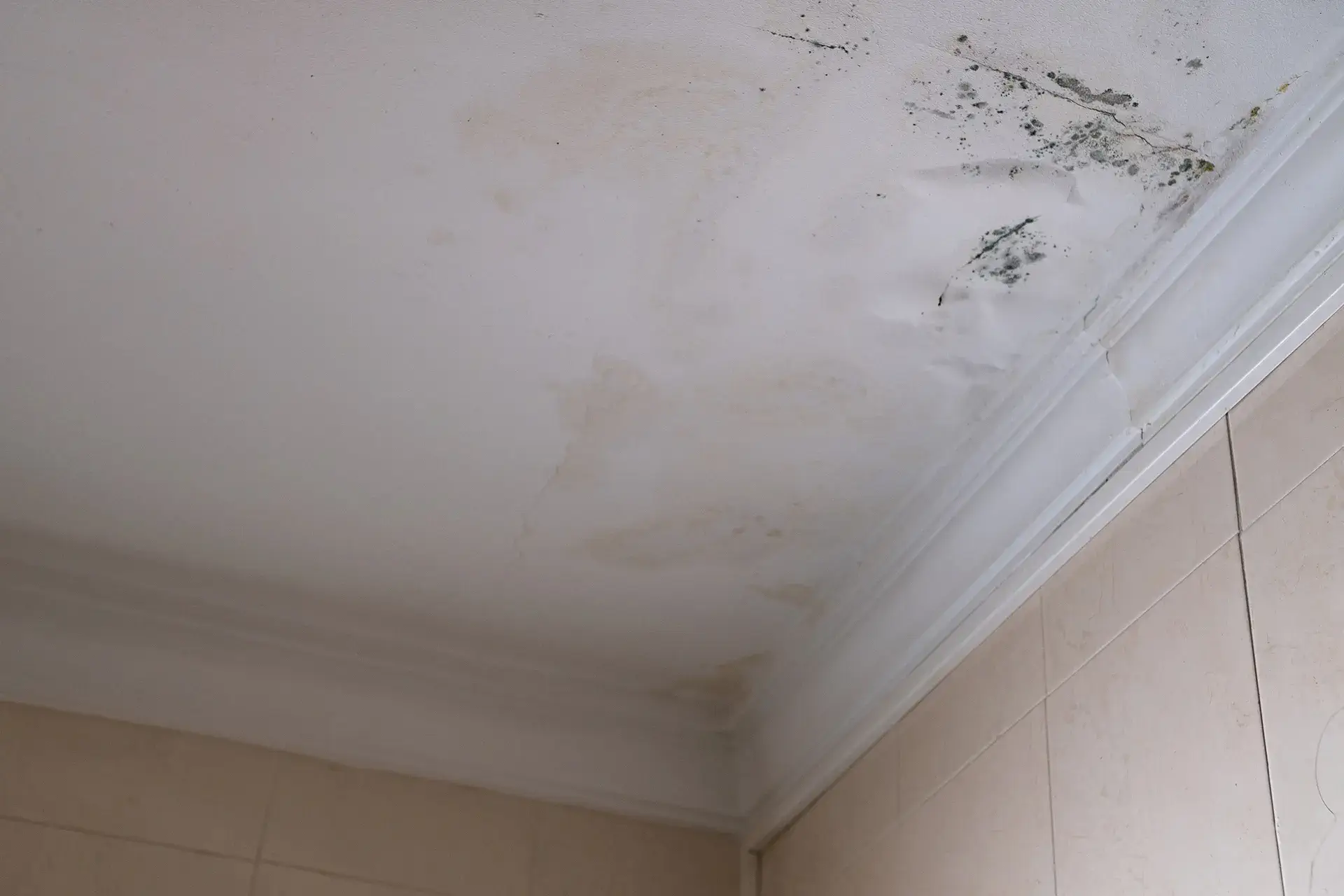
Then they notice a water stain on a basement wall or a brown mark on the ceiling.
Suddenly, everything changes.
What may seem like a minor cosmetic issue to a seller can become a major concern for a buyer. In many real estate transactions, visible water stains create enough doubt to cause buyers to renegotiate, request additional inspections, or walk away entirely.
For Realtors, understanding why buyers react so strongly to water stains can help prevent deals from falling apart and create smoother transactions.
Why Water Stains Get So Much Attention
Most buyers are not contractors, engineers, or waterproofing experts.
When they see a water stain, they do not simply see a discolored wall or ceiling. They see a potential problem they do not fully understand.
Their mind immediately starts asking questions.
- Is the basement leaking?
- Will mold become an issue?
- Has the home flooded before?
- Could there be hidden damage behind the walls?
- How much will this cost to fix?
The problem is not always the stain itself. The problem is the uncertainty that comes with it.
People are generally comfortable buying a home when they understand its condition. They become uncomfortable when they feel there may be hidden problems they cannot see.
Buyers Often Assume the Worst
Water stains tend to trigger an emotional response because they are often associated with expensive repairs.
A buyer who notices a stain on a basement wall may immediately start thinking about foundation problems, drainage issues, mold remediation, or future flooding.
Even if the stain was caused by a minor issue that was repaired years ago, buyers often do not have enough information to make that distinction.
Without clear answers, many assume the worst.
This is especially true in competitive markets where buyers have other options available. Rather than taking a risk, they may simply move on to another property that appears to have fewer concerns.
Water Stains Can Raise Questions About Maintenance
Buyers often view visible water stains as a sign of how well a home has been maintained.
When they see a stain that has not been addressed, they may start wondering what else has been overlooked.
They may question whether gutters have been maintained, whether drainage issues were ignored, or whether other repairs have been postponed over the years.
Even if those assumptions are not accurate, they can influence how buyers view the entire property.
A single water stain can sometimes create doubts that extend far beyond the actual problem.
Home Inspections Often Make the Situation Worse
A buyer may be willing to overlook a water stain during a showing.
However, once the home inspection takes place, the concern often becomes more significant.
Inspectors are trained to document signs of water intrusion, moisture damage, and previous leaks. When water stains appear in an inspection report, buyers often feel their concerns have been confirmed.
This frequently leads to additional questions, requests for specialist evaluations, and negotiations over repairs or credits.
In some cases, buyers become worried that the inspection report is only revealing part of the problem.
That uncertainty can quickly affect their confidence in the transaction.
Water Stains Often Signal Bigger Issues
One reason buyers react strongly is that water stains can sometimes indicate larger problems.
A stain may be the result of a foundation crack, poor exterior drainage, basement seepage, roof leaks, plumbing failures, or previous flooding.
While the stain itself may not be serious, buyers know that the source of the water could require repairs.
Because they do not know the full story, they often assume additional costs may be waiting after closing.
For many buyers, especially first-time homeowners, that risk can feel overwhelming.
Documentation Can Change the Conversation
One of the most effective ways to reduce buyer concerns is to provide answers before questions arise.
If a water issue was repaired in the past, documentation can make a significant difference.
When sellers can show repair records, contractor reports, waterproofing warranties, or proof that the problem was professionally addressed, buyers often feel much more comfortable.
Instead of imagining worst-case scenarios, they can focus on facts.
Transparency helps build trust, and trust plays a major role in keeping transactions moving forward.
What Realtors Can Do Before Listing a Home
Water stains are much easier to address before a property hits the market than after a buyer discovers them.
During the listing process, Realtors should pay close attention to basements, crawl spaces, ceilings, and areas near windows or plumbing fixtures.
If water stains are visible, it is worth investigating their cause before the home is shown to buyers.
Sometimes the solution is simple. Other times, a professional waterproofing or foundation evaluation may be needed.
Either way, identifying the issue early gives sellers the opportunity to provide answers instead of explanations.
Buyer Confidence Is Everything
Most buyers do not walk away because they see a water stain.
They walk away because they lose confidence.
When buyers feel uncertain about a home’s condition, they become more cautious. They start questioning other parts of the property and may wonder what additional problems could appear after closing.
On the other hand, when concerns are identified, explained, and documented, buyers are often willing to move forward, even if repairs have been necessary in the past.
Confidence is one of the most important factors in any successful real estate transaction.
Helping Realtors Prevent Inspection Surprises
At Zavza Seal, we work with homeowners and Realtors throughout Long Island, Brooklyn, Queens, and the Bronx to identify moisture problems, waterproof basements, repair foundation issues, and address water intrusion concerns before they impact a sale.
By evaluating potential issues early, property owners can reduce buyer concerns and help transactions move forward more smoothly.
Final Thoughts
Water stains may seem like a small issue, but they often create a much bigger reaction from buyers.
Most buyers do not see a stain. They see uncertainty, potential repair costs, and the possibility of hidden problems.
For Realtors, understanding this buyer psychology can help prevent deals from falling apart. When water-related concerns are addressed before listing and supported with proper documentation, buyers feel more confident and transactions are more likely to reach the closing table.