
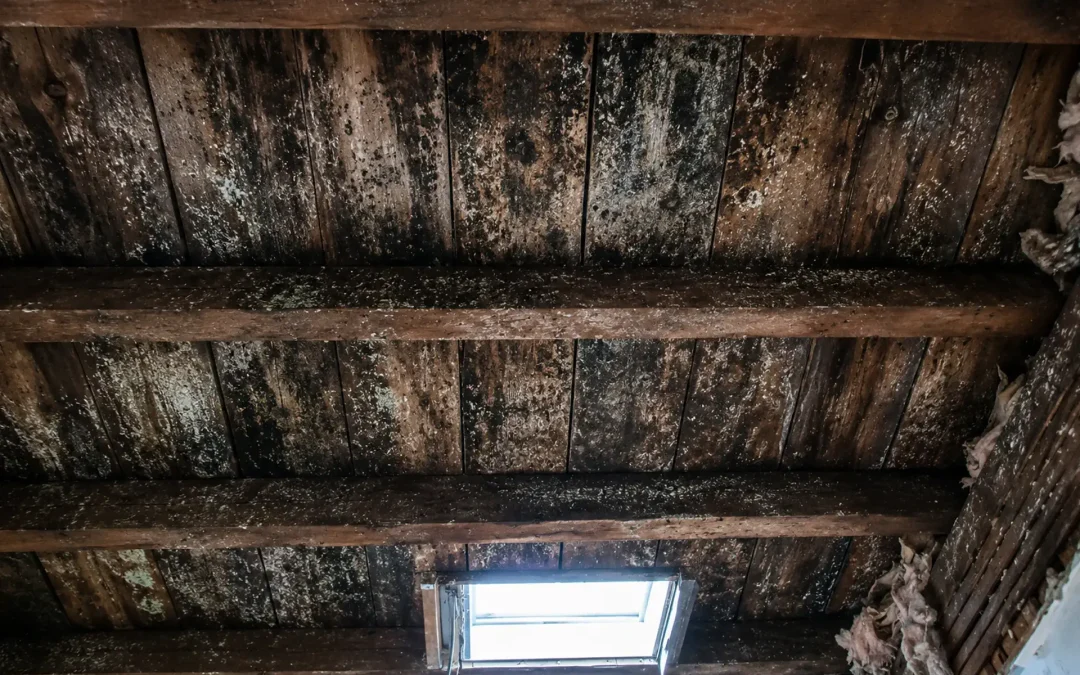
Finding mold on wood in your home can be concerning. Whether it is growing on basement beams, crawl space joists, attic wood, or around windows, it is usually a sign that moisture is present where it should not be.
Many homeowners assume they can simply clean the mold and move on. In some cases, that may be true. However, mold on wood often points to a bigger problem, such as excess humidity, water intrusion, poor ventilation, or hidden leaks. If the source of the moisture is not addressed, the mold is likely to come back.
The good news is that not all mold problems are severe. Knowing what to look for can help you determine whether a simple cleanup is enough or if professional mold remediation is needed.
In this guide, we’ll explain what causes mold on wood, when homeowners should be concerned, and how to protect their homes from long-term moisture damage.
What Causes Mold on Wood?
Mold on wood does not appear overnight. In most cases, it grows when wood is exposed to moisture for an extended period of time. Since wood is a porous material, it absorbs moisture easily, creating the perfect environment for mold to grow.
Many homeowners are surprised to find mold on wood because the affected area may not look wet. Even a small amount of excess moisture or high humidity can lead to mold growth over time.
Some of the most common causes of mold on wood include:
- Water leaks from plumbing or appliances.
- Basement or crawl space moisture.
- Roof leaks that affect attic wood and framing.
- Poor ventilation in enclosed spaces.
- High indoor humidity levels.
- Flooding or previous water damage.
- Condensation around windows and exterior walls.
Homes with damp basements and crawl spaces are especially vulnerable. Wooden floor joists, support beams, and subflooring can absorb moisture and become breeding grounds for mold if the problem goes unnoticed.
If you notice mold on wood in your home, it is important to understand that the mold itself is often only part of the problem. The real issue is usually the moisture source that allowed it to grow in the first place. Simply removing the visible mold without addressing the underlying cause may only provide a temporary solution.
Is Mold on Wood Dangerous?
Seeing mold on wood in your home does not always mean there is a serious problem, but it should never be ignored. Mold is often a warning sign that moisture is present somewhere in your home.
In some cases, mold may only affect the surface of the wood. However, if moisture continues to build up, the mold can spread and cause more damage over time. Wooden beams, floor joists, and framing materials can weaken if they remain damp for long periods.
Mold can also affect your indoor air quality. Some homeowners may notice a musty smell or experience allergy-like symptoms when mold is present, especially in enclosed areas such as basements, crawl spaces, and attics.
What homeowners should be most concerned about is not just the mold itself but the reason it is there. Mold rarely grows without moisture. If you simply clean the visible mold and ignore the source of the problem, it will likely return.
The good news is that mold problems are much easier and less expensive to address when they are caught early. If you notice mold on wood, taking action quickly can help prevent larger moisture and structural issues down the road.
Signs That Mold on Wood Should Concern You
Not every case of mold on wood requires major repairs, but there are certain signs that indicate the problem may be more serious than it appears.
One of the biggest red flags is when mold keeps coming back after you’ve cleaned it. If that happens, there is likely an underlying moisture issue that has not been resolved.
A musty smell in your home is another common warning sign. Even if you only see a small amount of mold, an unpleasant odor can indicate that moisture and mold growth are hiding in places you cannot easily see.
You should also pay attention to the condition of the wood itself. If it feels damp, soft, or shows signs of water damage, the mold may have been present for some time. Mold that continues to spread to nearby surfaces is another indication that the problem needs to be addressed.
Homeowners should be especially cautious when mold is found in areas such as:
- Crawl spaces
- Basements
- Attics
- Behind walls or under flooring
These spaces are often more difficult to inspect and are more likely to have ongoing moisture problems.
If you notice mold on wood growing in hidden or hard-to-reach areas, it is usually a sign that the issue goes beyond surface cleaning. Identifying and fixing the source of the moisture is the best way to stop the mold from returning and protect your home from further damage.
White Mold vs. Black Mold on Wood
Homeowners are often worried when they see mold growing on wood because of its color. While white mold and black mold may look different, both are signs that excess moisture is present and should not be ignored.
White mold on wood is commonly found in damp areas such as crawl spaces, basements, and attics. It can appear powdery, fuzzy, or almost cotton-like. Because it is lighter in color, many homeowners mistake it for dust or residue and overlook it until it begins to spread.
Black mold on wood usually appears as dark spots or patches. It is often associated with water damage and prolonged moisture exposure. While many people immediately assume that all black mold is toxic, mold cannot be identified by color alone. Different types of mold can appear black, which is why proper inspection is important.
When it comes to mold, the color is not the biggest concern. What matters most is understanding why it is growing in the first place. Whether you are dealing with white mold on wood or black mold on wood, the presence of mold usually points to an underlying moisture problem that needs attention.
Instead of focusing solely on removing the visible mold, homeowners should look for signs of leaks, poor ventilation, or excess humidity that may be contributing to the issue. Addressing the source of the moisture is the most effective way to prevent mold from returning.
Keywords used naturally: white mold on wood, black mold on wood.
Can You Clean Mold Off Wood Yourself?
Many homeowners wonder if they can clean mold off wood on their own. The answer depends on how much mold is present and what caused it in the first place.
If the mold is limited to a small area on a finished wood surface and there are no signs of water damage or excess moisture, cleaning it may be enough. However, if the mold has been growing for some time or keeps coming back, simply wiping it away is unlikely to solve the problem.
When searching online for how to remove mold from wood or how to clean mold off wood, you’ll find plenty of DIY solutions. While some products may remove the visible mold, they do not address the moisture issue that allowed it to grow. If moisture is still present, the mold will likely return.
Homeowners should be cautious about attempting DIY mold removal if:
- The mold covers a large area.
- It is growing in a basement, crawl space, or attic.
- The wood feels damp or damaged.
- There is a musty odor throughout the home.
- The mold continues to come back after cleaning.
Knowing how to get rid of mold on wood starts with identifying why it is there. In many cases, removing the mold is only one part of the solution. The underlying cause, whether it is a leak, poor ventilation, or excess humidity, must also be addressed to prevent future problems.
If you’re unsure whether the mold is a surface issue or a sign of a larger moisture problem, having it professionally inspected can help you avoid costly repairs later on.
Real-Life Example: Mold in a Long Island Crawl Space
A homeowner in Long Island noticed a musty smell in their living room that seemed to get worse during humid weather. At first, they assumed it was simply an issue with ventilation and did not think much of it.
After taking a closer look inside their crawl space, they found white mold growing on several wooden floor joists. Their first instinct was to clean the mold themselves, but they soon realized that the mold covered more than just one small area.
During the inspection, it became clear that excess moisture had been building up in the crawl space for months. Poor ventilation and high humidity levels had created the perfect conditions for mold growth. Cleaning the visible mold would have provided only a temporary fix.
The homeowner ultimately needed mold remediation and moisture control measures to address the root cause of the problem. Once the excess moisture was eliminated, the crawl space was able to stay dry, helping prevent the mold from returning.
This is a common situation that many homeowners face. Mold on wood is often a symptom of an underlying moisture issue. The sooner the source of the problem is identified, the easier it is to protect your home’s structure and avoid more expensive repairs in the future.
When Should You Call a Professional?
Mold on wood is not always something that homeowners can or should handle themselves. If the mold is caused by an ongoing moisture problem, removing what you can see is only part of the solution.
You should consider calling a professional if the mold keeps coming back after cleaning, is spreading to other areas of your home, or is growing in places that are difficult to access, such as crawl spaces, basements, or attics. Mold that appears after water damage or is accompanied by a strong musty odor should also be taken seriously.
Professional mold remediation is about more than simply removing mold. It involves identifying where the moisture is coming from and taking the necessary steps to prevent the problem from returning. Without addressing the source of the moisture, mold is likely to reappear.
Early intervention can also help prevent damage to wooden framing and other building materials. What starts as a small mold problem can become a much larger and more expensive repair if it is ignored for too long.
If you are unsure whether the mold in your home is a minor issue or a sign of a bigger problem, having it inspected can give you peace of mind and help you determine the best course of action.
How to Prevent Mold on Wood
The best way to prevent mold on wood is to keep moisture under control. Mold needs moisture to grow, so addressing water and humidity issues early can save homeowners time, money, and stress in the long run.
Start by fixing leaks as soon as you notice them. Even a small plumbing leak or roof leak can create enough moisture for mold to develop over time. It’s also important to keep basements, crawl spaces, and attics dry and properly ventilated, as these areas are more prone to moisture buildup.
Regularly inspecting your home for signs of water intrusion can make a big difference. Water stains, musty odors, and condensation around windows are often early warning signs that should not be ignored.
Simple steps such as using a dehumidifier in damp areas, improving ventilation, and maintaining proper drainage around your home’s foundation can also help reduce the risk of mold growth.
Most importantly, don’t wait until mold becomes visible. In many cases, mold begins growing long before homeowners realize there is a problem. Taking care of moisture issues early is one of the most effective ways to protect the wood and structural components of your home.
By keeping your home dry and addressing moisture problems promptly, you can significantly reduce the chances of mold returning.
Frequently Asked Questions
1. What causes mold to grow on wood?
Mold grows when wood is exposed to moisture for an extended period. Common causes include plumbing leaks, roof leaks, high humidity, poor ventilation, and moisture problems in basements and crawl spaces.
2. Can mold on wood make you sick?
Mold can affect indoor air quality and may trigger allergy-like symptoms in some people. If you notice a musty smell or experience discomfort when spending time in certain areas of your home, it is worth investigating the source of the mold.
3. Is white mold on wood dangerous?
White mold on wood is a sign that excess moisture is present. While it may not always be dangerous, it should not be ignored because it can continue to spread if the moisture problem is not addressed.
4. Can I remove mold from wood myself?
Small amounts of surface mold may be cleaned if there are no underlying moisture issues. However, if the mold is widespread, keeps returning, or is found in hidden areas such as crawl spaces or attics, professional remediation may be necessary.
5. How do I know if mold has damaged the wood?
Signs of damage include soft or damp wood, water stains, discoloration, and recurring mold growth. If the wood appears weakened or has been exposed to moisture for a long time, it should be professionally inspected.
6. When should I call a mold remediation professional?
You should consider calling a professional if the mold is spreading, repeatedly comes back after cleaning, is caused by water damage, or is growing in hard-to-reach areas of your home. Addressing the moisture source early can help prevent more costly repairs later on.