
The Problem:
A homeowner in Southampton discovered a significant sinkhole underneath their pool concrete slab. The sinkhole was approximately four feet deep, but it was unclear how far it extended beneath the concrete or whether it was affecting the area near the swimming pool.
Sinkholes beneath concrete slabs can be a serious concern because they may compromise the stability of the surface and create potential safety hazards. Without a proper inspection, there is no reliable way to determine the size of the void or the condition of the concrete above it.
Before any repairs could begin, it was important to understand what was happening beneath the slab and determine the safest and most effective solution.
Our Solution:
The Zavza Seal team developed a two-step approach that focused on both investigation and repair.
Ground Penetrating Radar Inspection
Our first step was to perform a detailed inspection of the affected area using Ground Penetrating Radar (GPR) technology. This non-destructive method allows us to evaluate conditions beneath the concrete slab without unnecessary demolition.
The GPR inspection was used to determine:
- Whether voids were extending toward the pool.
- The size and dimensions of any voids beneath the slab.
- The condition of the existing concrete.
- Whether the concrete slab thickness was consistent throughout the affected area.
The information collected during the inspection allowed our team to prepare a detailed report and determine whether additional repairs would be necessary to ensure the long-term stability of the pool deck.
Sinkhole Stabilization and Backfilling
Once the sinkhole area was evaluated, our team prepared the site for stabilization.
We carefully cleared the edges of the sinkhole before bringing approximately three cubic yards of recycled concrete aggregate (RCA) to the job site. The RCA material was used to create a stable and compact base beneath the concrete slab.
After establishing the base layer, we backfilled the remaining area with soil until it reached the surface level. To ensure proper compaction and reduce the risk of future settlement, the material was compacted in stages every vertical foot during the installation process.
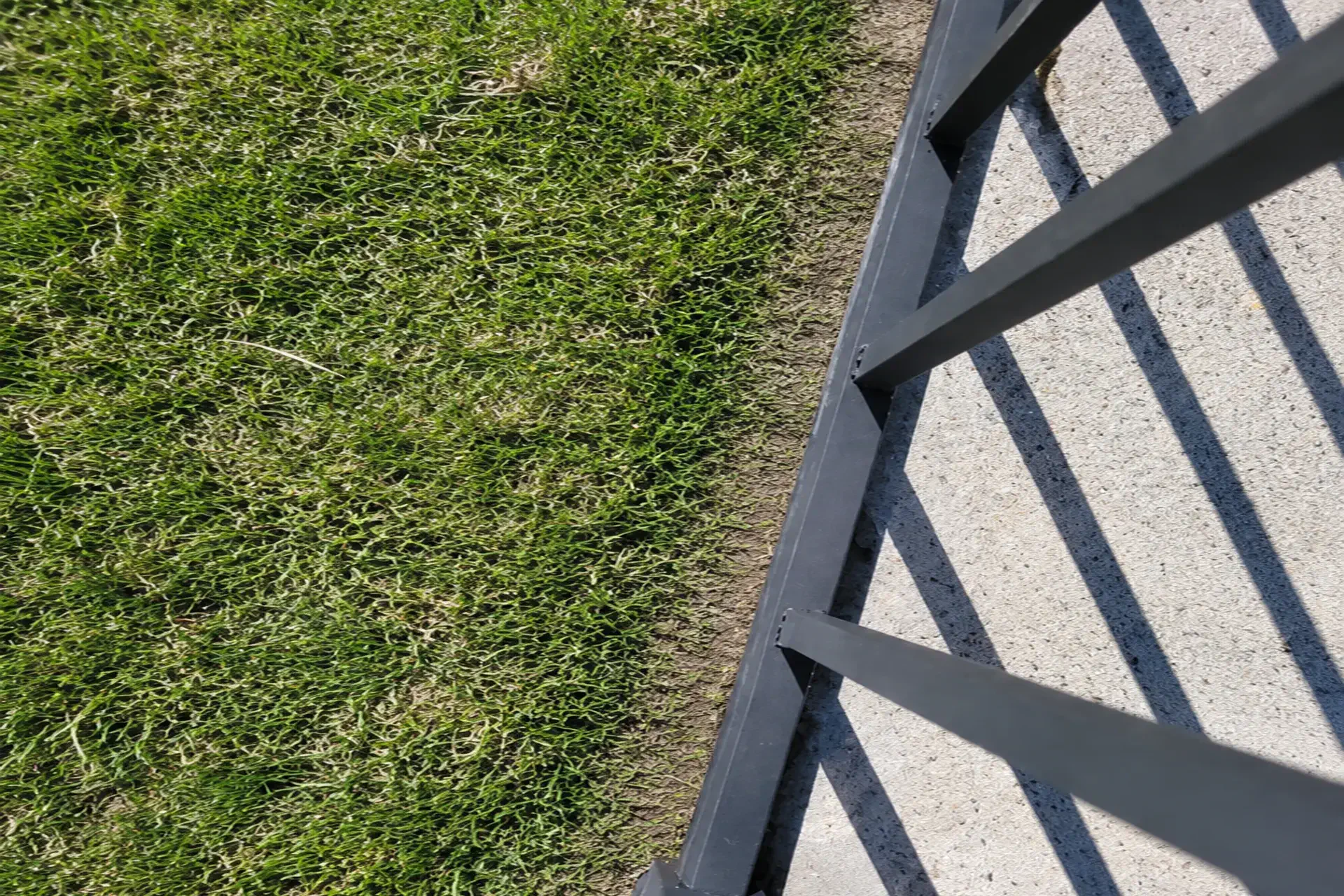
Once the backfilling was complete, we restored the area by raking the surface and applying grass seed to blend it naturally with the surrounding landscape.
The Result:
The Southampton homeowner now has a properly stabilized area beneath their pool concrete slab and a clearer understanding of the conditions below the surface.
By combining Ground Penetrating Radar technology with proper sinkhole stabilization techniques, our team was able to address the immediate concern while helping prevent future settlement issues.
Investigating the cause and extent of a sinkhole before making repairs is essential when working around concrete slabs and swimming pools. A thorough inspection ensures that hidden voids are identified and repaired before they become larger structural problems.
Why Sinkhole Repairs Should Never Be Ignored?
Sinkholes beneath concrete slabs do not simply go away on their own. Even small voids can grow over time as water movement and soil erosion continue beneath the surface.
If left untreated, sinkholes can lead to:
- Concrete slab settlement.
- Cracking and uneven surfaces.
- Potential safety hazards around pool areas.
- Costly structural repairs in the future.
Early detection and proper stabilization can help homeowners protect their property and avoid more extensive damage down the road.