
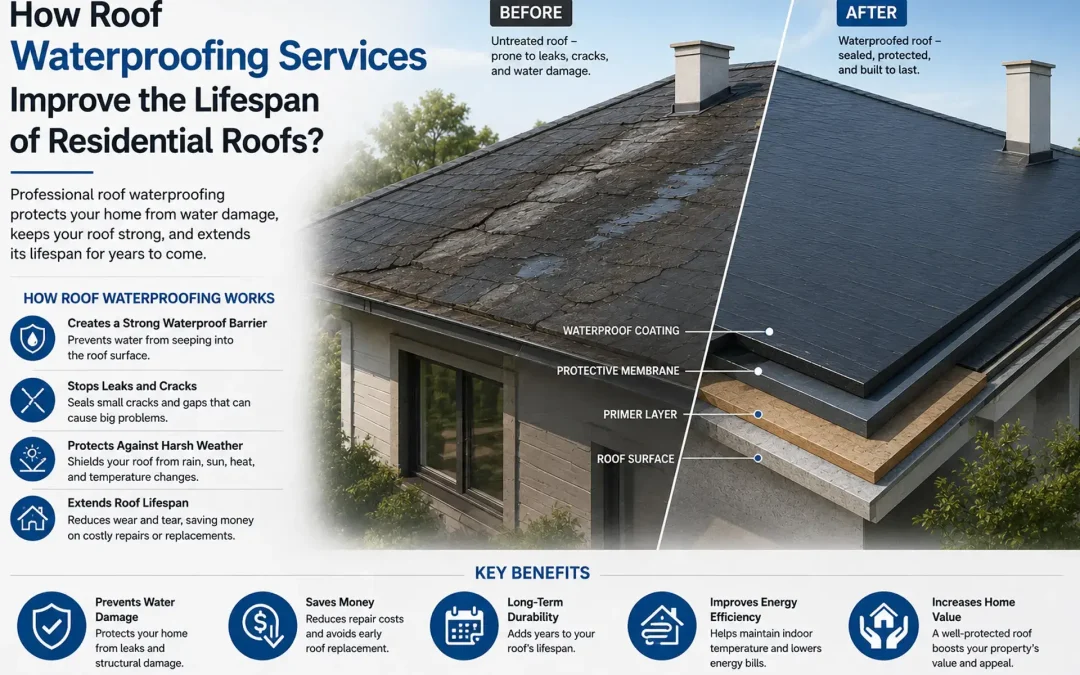
A roof is much more than the top layer of a home; it acts as the primary shield against rain, snow, sunlight, and fluctuating temperatures. Over time, constant exposure to the elements can weaken even the most durable roofing materials. This is where waterproofing plays an essential role.
Many homeowners researching roof waterproofing services Brooklyn want to understand how waterproofing actually protects their investment rather than simply viewing it as another maintenance task. Companies such as Zavza Seal LLC often emphasize the importance of waterproofing because it helps preserve roofing systems for years. More importantly, understanding the science behind waterproofing allows homeowners to make informed decisions about roof care.
Roof Waterproofing
What Is Roof Waterproofing?
Roof waterproofing is the process of applying specialized protective systems that prevent water from penetrating roofing materials. These systems create a durable barrier that resists moisture while allowing the roof to withstand changing weather conditions.
Waterproofing is not just about stopping leaks. It also minimizes long-term deterioration caused by repeated moisture exposure.
How Waterproofing Systems Work
Modern waterproofing systems seal vulnerable areas where water typically enters, including seams, flashing, joints, and tiny surface cracks. These protective layers expand and contract with temperature changes, helping maintain a watertight seal throughout seasonal weather cycles.
Why Residential Roofs Deteriorate Over Time
Weather Exposure
Every season affects roofing materials differently. Heavy rainfall, snow accumulation, hail, UV radiation, and strong winds gradually wear down protective surfaces. Over many years, these natural forces reduce the roof’s ability to repel moisture.
Moisture Intrusion and Structural Damage
Water rarely remains on the surface once it finds an opening. Instead, it seeps beneath shingles or membranes, reaching the roof deck and supporting structures. Continuous moisture exposure may eventually contribute to wood rot, insulation damage, and weakened structural components.
Poor Maintenance Practices
Ignoring minor issues often leads to major repairs. Small cracks, clogged drainage systems, damaged flashing, and loose roofing materials allow water to enter areas that were originally protected.
How Roof Waterproofing Extends Roof Lifespan
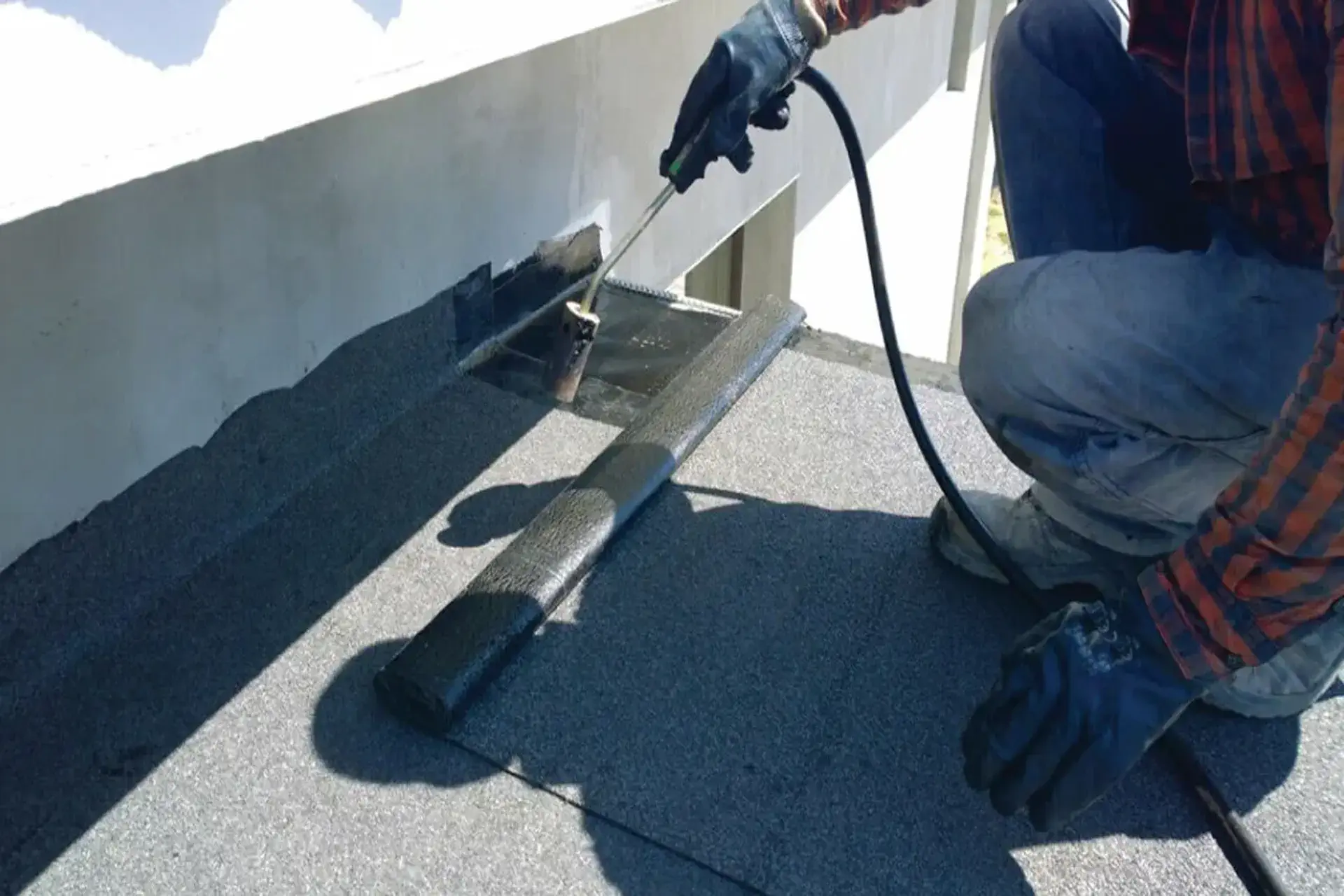
Preventing Water Penetration
The biggest advantage of waterproofing is its ability to stop water before it reaches underlying materials. Keeping moisture out helps preserve the roof deck, insulation, and supporting framework.
Think of waterproofing as a raincoat for your home. Just as a raincoat keeps clothing dry underneath, waterproofing protects the roof beneath its surface layer.
Reducing Mold and Mildew Growth
Moisture trapped inside roofing structures creates favorable conditions for mold and mildew. Waterproofing limits water infiltration, reducing the likelihood of excessive moisture buildup that encourages biological growth.
Protecting Roofing Materials
Different roofing materials respond differently to moisture, but all benefit from waterproof protection. Asphalt shingles, concrete tiles, wood, and metal roofing can all experience longer service lives when protected against continuous water exposure.
Improving Energy Efficiency
A dry roof generally performs better than one affected by moisture. Wet insulation loses much of its thermal resistance, allowing indoor temperatures to fluctuate more easily. Waterproofing helps insulation maintain its effectiveness, contributing to better overall energy performance.
Different Roof Waterproofing Methods
Liquid Waterproofing Membranes
Liquid membranes are applied directly to the roof surface and cure into seamless protective coatings. Their flexibility allows them to adapt to roof movement caused by temperature changes.
Sheet Membranes
Sheet membranes consist of manufactured waterproof layers installed over roofing surfaces. They provide consistent thickness and are commonly used on flat or low-slope residential roofs.
Cementitious Waterproofing
Cement-based waterproofing materials are often applied to concrete roof structures. They offer strong resistance to moisture while remaining relatively easy to install on compatible surfaces.
Choosing the Right Method for Residential Roofs
The most suitable waterproofing method depends on several factors, including roof design, material type, local climate, drainage conditions, and expected maintenance requirements. A thorough roof assessment helps determine which waterproofing system will perform most effectively over time.
Signs Your Roof May Need Waterproofing
Several warning signs may indicate that waterproofing should be considered:
- Water stains on ceilings
- Damp attic insulation
- Visible roof cracks
- Missing or damaged shingles
- Mold growth near roof structures
- Standing water on flat roofs
- Peeling paint around ceilings
- Frequent roof leaks after rainfall
Addressing these indicators early may help reduce further deterioration.
The Importance of Professional Application
Quality Materials and Proper Installation
Waterproofing products perform best when installed according to manufacturer specifications. Proper surface preparation, weather conditions during installation, and application thickness all influence long-term performance.
Professionals also understand how different roofing systems require different waterproofing approaches, reducing the risk of improper installation.
Long-Term Performance Benefits
Correctly applied waterproofing systems generally require less maintenance and provide more consistent protection throughout changing weather conditions. Professional workmanship also helps ensure complete coverage around vulnerable roof details.
How Climate Influences Waterproofing Needs
Climate significantly affects roofing performance.
Regions with frequent rainfall experience repeated moisture exposure, while snowy climates expose roofs to freeze-thaw cycles that can widen existing cracks. Hot climates create thermal expansion, causing roofing materials to contract and expand throughout the year.
For homeowners researching roof waterproofing services brooklyn, understanding local climate conditions is especially important because seasonal weather patterns can expose roofs to heavy rain, snow, humidity, and temperature fluctuations within the same year.
Maintenance Tips After Roof Waterproofing
Waterproofing works best when combined with regular roof maintenance.
Helpful maintenance practices include:
- Cleaning gutters regularly
- Removing debris from roof surfaces
- Inspecting flashing annually
- Checking attic ventilation
- Trimming overhanging tree branches
- Monitoring areas around chimneys and skylights
- Scheduling periodic roof inspections
Routine maintenance supports the long-term effectiveness of waterproofing systems.
Common Misconceptions About Roof Waterproofing
Many homeowners misunderstand what waterproofing can accomplish.
One common myth is that waterproofing permanently eliminates every future roofing problem. While it greatly improves water resistance, roofs still require regular inspections and maintenance.
Another misconception is that waterproofing is only necessary after leaks appear. In reality, preventive waterproofing often provides greater long-term protection because it addresses vulnerabilities before moisture causes damage.
Some also believe waterproofing is only beneficial for flat roofs. In fact, pitched residential roofs can also benefit from waterproofing solutions depending on their design and environmental exposure.
Zavza Seal LLC Serving the East Midwood Community and Beyond in Brooklyn
Zavza Seal LLC is dedicated to serving the diverse needs of the local community of Brooklyn, including individuals residing in neighbourhoods like East Midwood. With its convenient location near landmarks such as the P.S./I.S. 99 – The Isaac Asimov School of Science and Literature and major intersections like Avenue K and East 12th St (coordinates: 40.6224516, -73.963846), we offer roof waterproofing services.
Get roof waterproofing services at East Midwood Now
Call Us or Contact Us: +17184007005
Navigate from East Midwood to Zavza Seal LLC Now
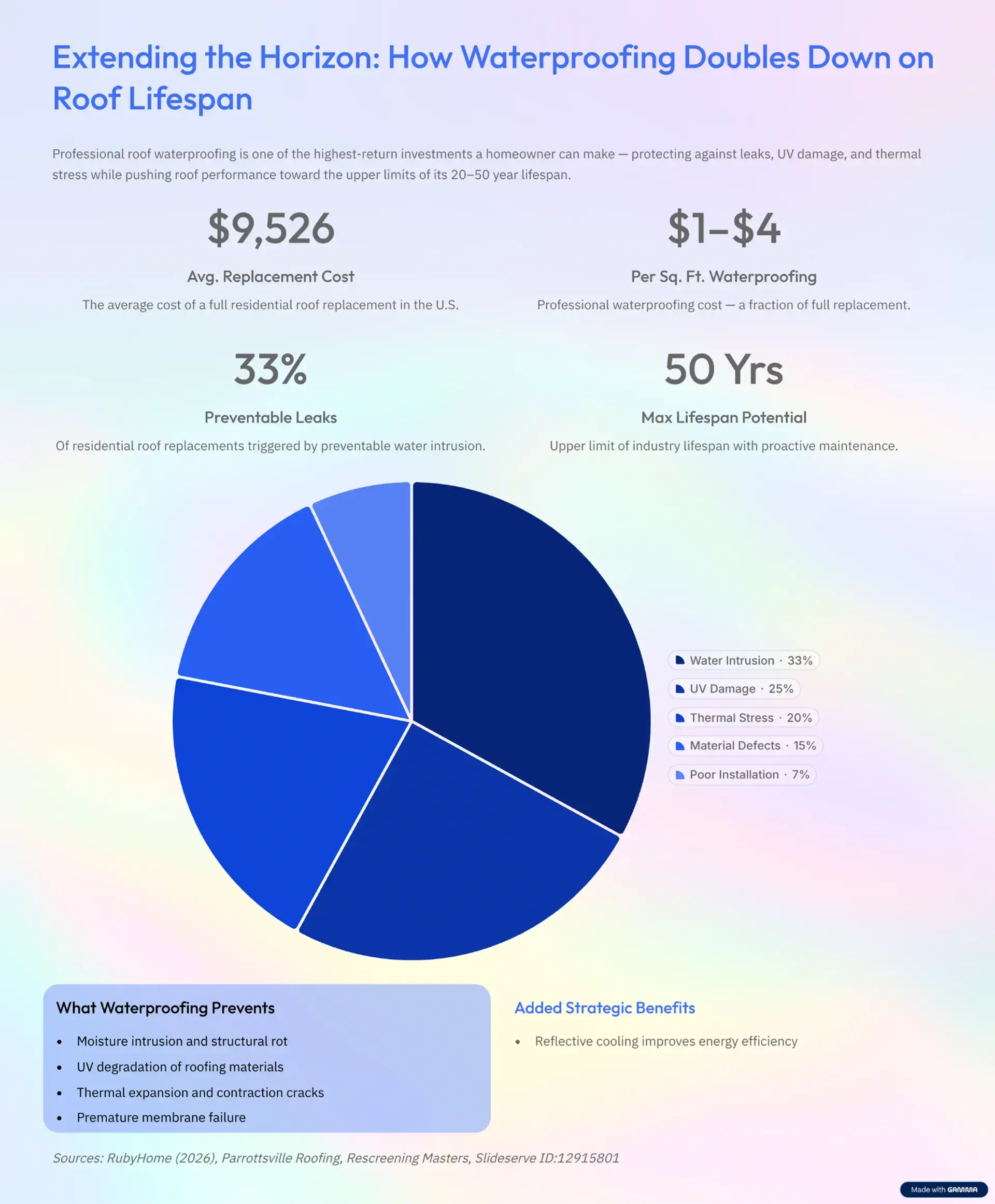
Extending the Horizon: How Waterproofing Doubles Down on Roof Lifespan
- The Financial Reality: With an average roof replacement costing $9,526 , waterproofing serves as a high-ROI safeguard, typically costing only $1.00–$4.00 per square foot to prevent premature failure.
- The Core Drivers: 33% of all residential roof replacements are triggered by preventable leaks , yet professional waterproofing provides a flexible, seamless barrier that resists UV damage, moisture intrusion, and thermal expansion .
- Strategic Impact: Proactive maintenance effectively pushes roof performance toward the upper limits of the 20–50 year industry lifespan while simultaneously improving energy efficiency through reflective cooling.
Sources: RubyHome (2026), Parrottsville Roofing, Rescreening Masters, Slideserve ID:12915801
Roof waterproofing plays a significant role in protecting residential roofing systems from one of their greatest threats moisture. By preventing water penetration, reducing structural deterioration, preserving roofing materials, improving insulation performance, and supporting long-term durability, waterproofing contributes to a longer roof lifespan.
Whether homeowners are learning about roof waterproofing services in Brooklyn or simply exploring ways to maintain their property, understanding the value of proper waterproofing helps them make informed maintenance decisions. Industry professionals, including Zavza Seal LLC, recognize that effective waterproofing is most beneficial when combined with regular inspections, timely maintenance, and appropriate roofing care.
FAQs
1. How long does residential roof waterproofing typically last?
The lifespan varies depending on the waterproofing material, roof type, weather conditions, and maintenance practices. Proper installation and regular inspections can help maximize durability.
2. Can waterproofing be applied to an older roof?
Yes. Many existing roofs can be waterproofed if they are structurally sound. However, any significant damage should typically be repaired before waterproofing is applied.
3. Does roof waterproofing prevent all roof leaks?
Waterproofing greatly reduces the risk of leaks by creating a protective barrier, but ongoing maintenance remains important to address wear, storm damage, or aging materials.
4. Is roof waterproofing suitable for all roofing materials?
Most residential roofing materials can benefit from waterproofing, although the appropriate system depends on the specific roof design and construction.
5. How often should a waterproofed roof be inspected?
Annual inspections, along with additional checks after severe storms, help identify minor issues before they become larger problems and support the long-term performance of the waterproofing system.