
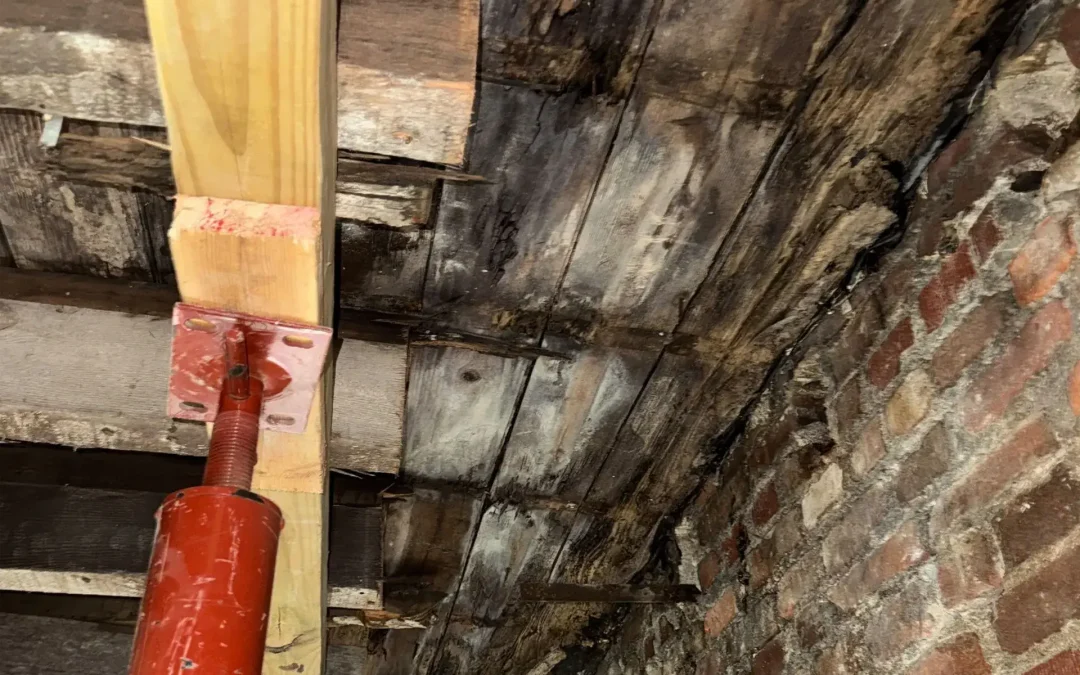
Mold can grow in almost any home where moisture is present. It often appears after a leak, flood, high humidity, or poor ventilation. While many people think every dark patch is black mold, there are actually many different types of mold that can grow indoors.
Some mold types are more common than others, but all mold should be taken seriously. Even small patches can spread if the moisture problem is not fixed. Mold can damage drywall, wood, carpets, and other building materials. It may also affect indoor air quality and trigger allergy or asthma symptoms in some people.
In this guide, you will learn about the most common types of mold found in homes, how to identify mold safely, where different mold types usually grow, and when it is time to call a professional. Whether you live in Long Island, Brooklyn, Queens, or the Bronx, understanding mold is the first step toward protecting your home.
Key Takeaways
- Mold grows because of moisture. Leaks, flooding, high humidity, and poor ventilation are the most common causes of mold in homes.
- You cannot identify mold by its color alone. Black, white, green, and brown mold can all belong to different species.
- Bathrooms, basements, crawl spaces, attics, and kitchens are the areas where mold is most likely to grow.
- The most common types of mold found in homes include Alternaria, Aspergillus, Cladosporium, Penicillium, Stachybotrys, Chaetomium, Fusarium, Aureobasidium, Ulocladium, and Trichoderma.
- Removing visible mold is only part of the solution. The source of the moisture must also be repaired to stop mold from returning.
- Small mold problems can quickly become expensive repairs if they are ignored.
- A professional inspection can identify hidden moisture, locate mold growth, and recommend the safest solution.
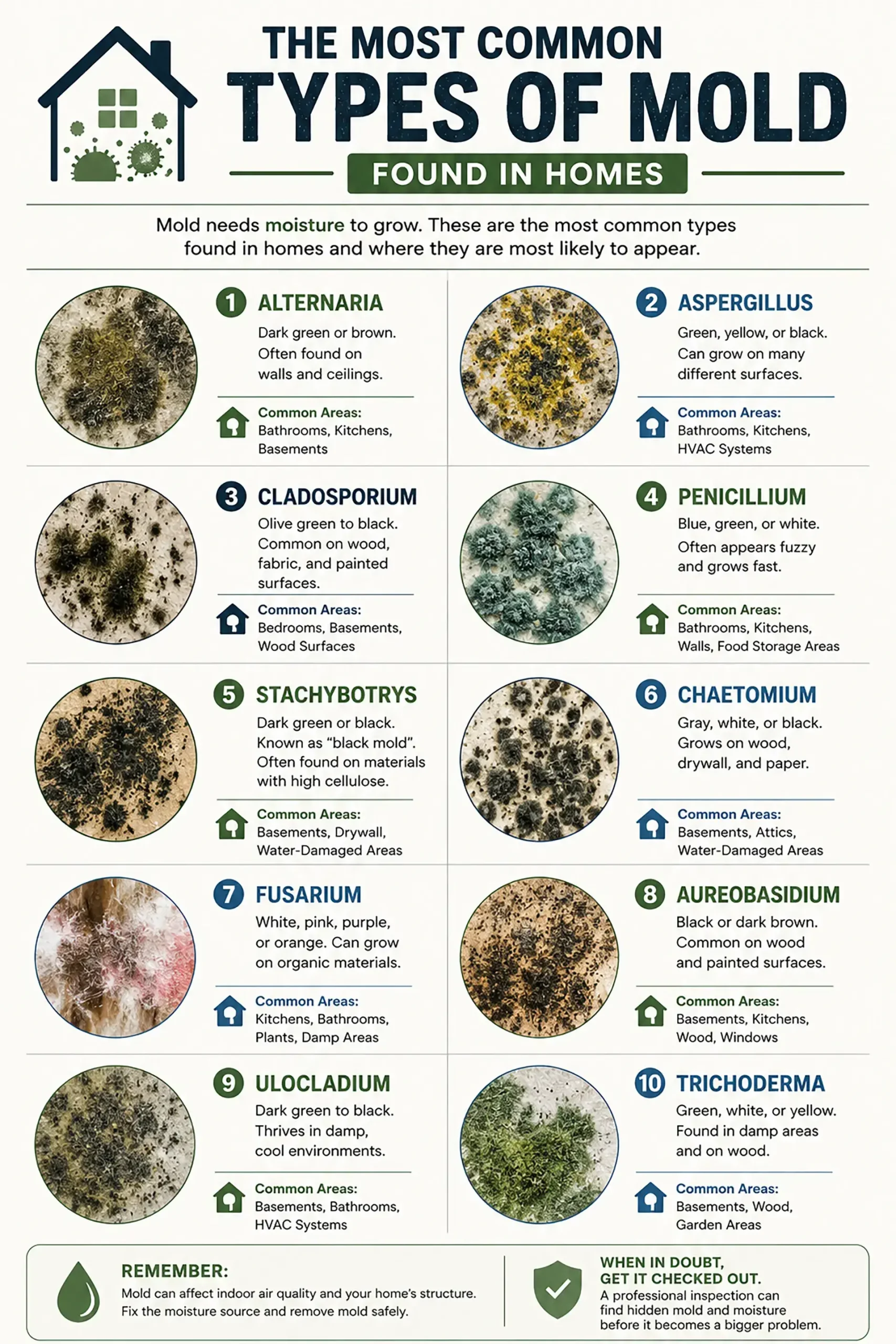
What Is Mold and Why Does It Grow?
Mold is a type of fungus that grows in damp places. It spreads by releasing tiny spores into the air. These spores are always present indoors and outdoors. When they land on a wet surface, they can begin to grow and spread.
Mold does not need dirt to grow. It feeds on many common building materials, including drywall, wood, insulation, ceiling tiles, carpet, wallpaper, and even dust. That is why mold can appear in almost any part of a home if moisture is left untreated.
The real cause of mold is excess moisture. Leaking pipes, roof leaks, basement water intrusion, poor ventilation, high indoor humidity, and flooding all create the conditions mold needs to grow. In many homes across Long Island, Brooklyn, Queens, and the Bronx, older buildings, finished basements, and humid summers can increase the risk of mold problems.
No matter what types of mold are growing in your home, the first step is always the same. Find and fix the moisture source. If the moisture remains, the mold will usually come back even after cleaning.
Why Mold Grows Inside Homes
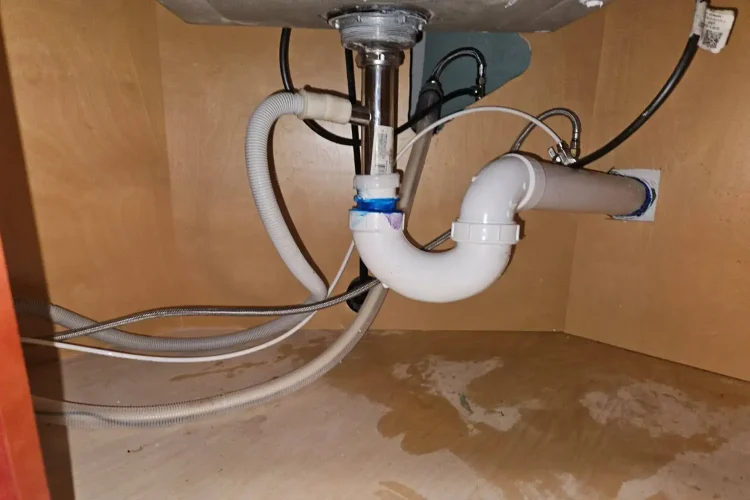
Mold needs three things to grow: moisture, a food source, and the right temperature. Since most homes provide building materials like drywall, wood, insulation, carpet, and dust, moisture is usually the only missing piece.
Water can enter a home in many ways. A leaking roof, burst pipe, plumbing leak, or overflowing appliance can quickly create damp areas where mold begins to grow. Homes that have experienced flooding or water damage are also at a much higher risk if they are not dried properly.
Some mold problems develop slowly over time. Basement moisture, damp crawl spaces, poor ventilation, and high humidity in bathrooms can keep surfaces wet long enough for mold to spread. Even condensation around windows or HVAC systems can lead to mold growth if it is ignored.
Many homes across Long Island, Brooklyn, Queens, and the Bronx are especially vulnerable because of older plumbing, aging foundations, finished basements, coastal humidity, and heavy rainstorms. Without proper waterproofing and ventilation, moisture can become trapped inside the home, creating the perfect environment for mold.
No matter what type of mold is growing, fixing the moisture problem is the most important step. If the source of the water is not repaired, the mold is likely to return even after it has been cleaned.
Can You Identify Mold by Color?
Many homeowners try to identify mold by its color. While mold can be black, white, green, gray, brown, or even orange, color alone cannot tell you what type of mold you have.
For example, not every black-colored mold is the well-known Stachybotrys chartarum, often called black mold. Likewise, white mold is not a single species. Many different mold types can appear white during different stages of growth.
The surface where mold is growing, the amount of moisture, and the age of the mold colony can also affect its color. Two different mold species may look almost identical, while the same mold can change color over time.
The only reliable way to identify mold types is through professional testing. However, in most cases, the exact species is less important than the fact that mold is growing. If you see visible mold or notice a musty smell, the priority should be finding the moisture source and removing the mold safely.
Next, let’s look at the most common types of mold found in homes and where they are most likely to grow.
The Most Common Types of Mold Found in Homes
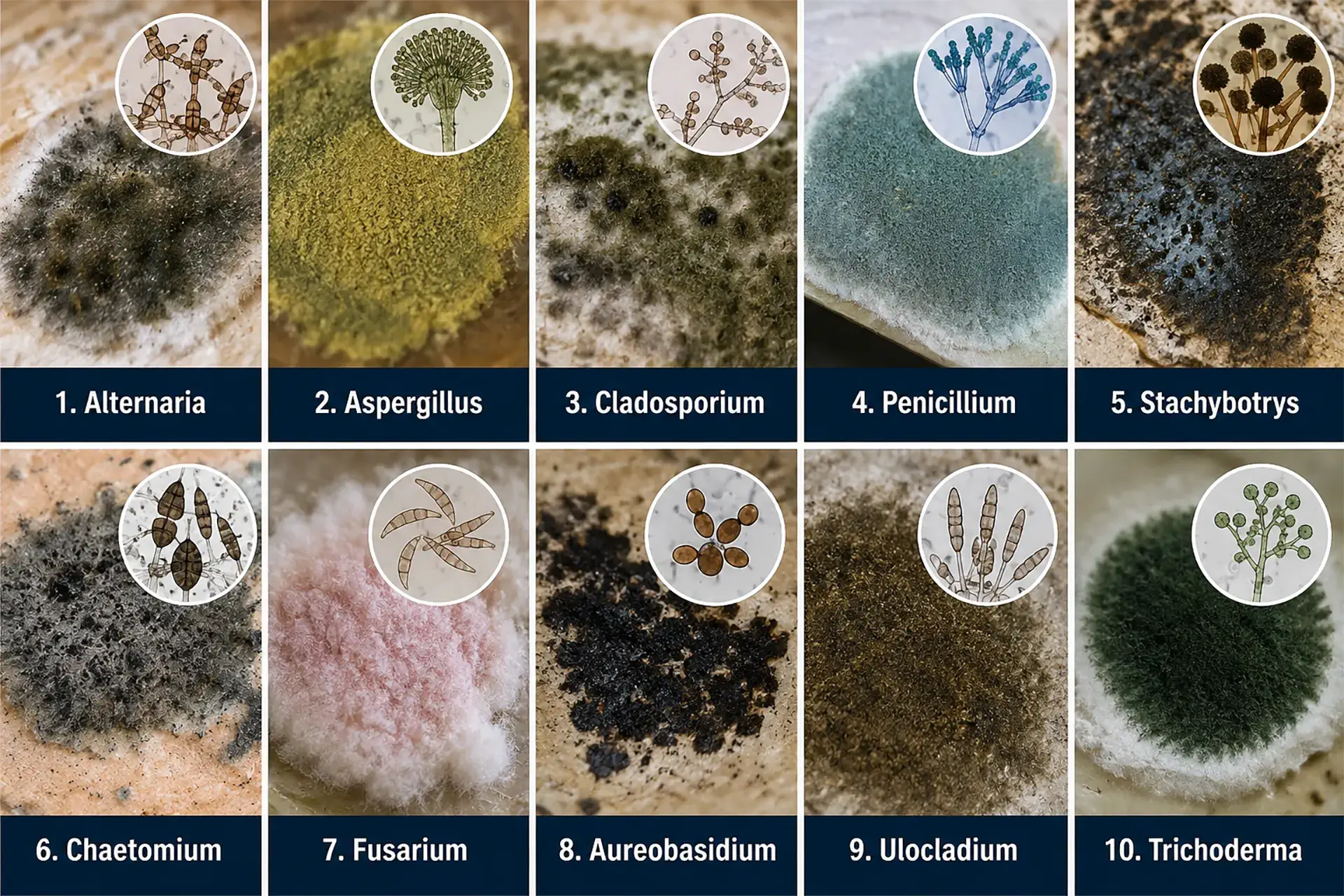
There are thousands of mold species, but only a small number are commonly found inside homes. Each type of mold has its own appearance, preferred growing conditions, and potential health concerns. While some molds are more common than others, any visible mold should be removed, and the moisture source should be fixed to prevent it from returning.
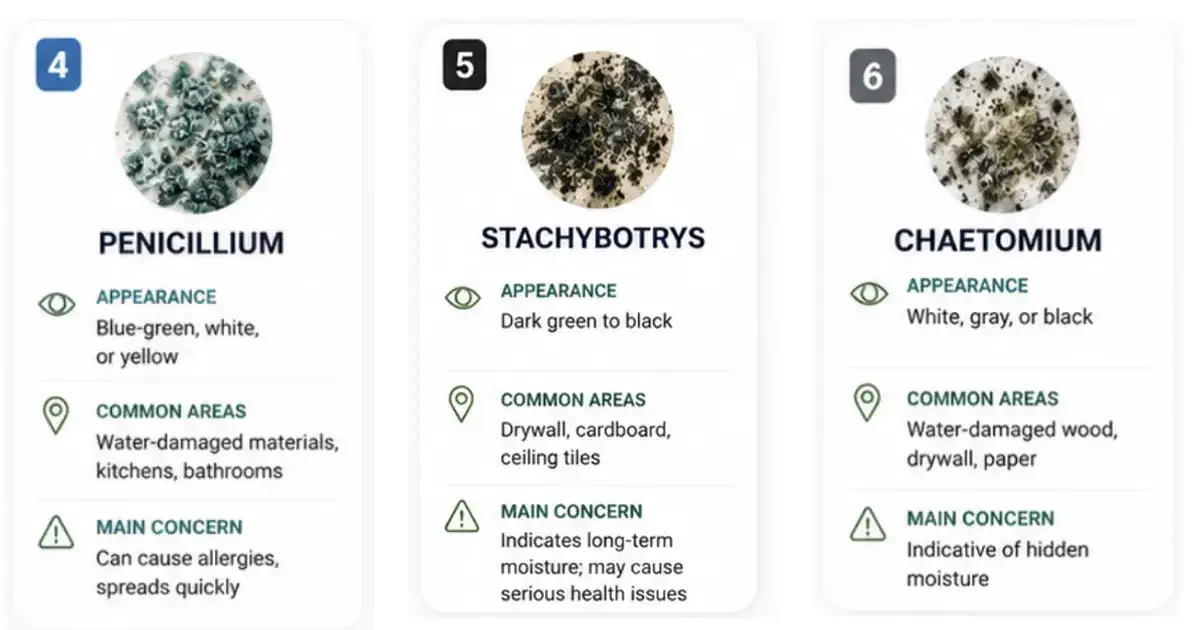
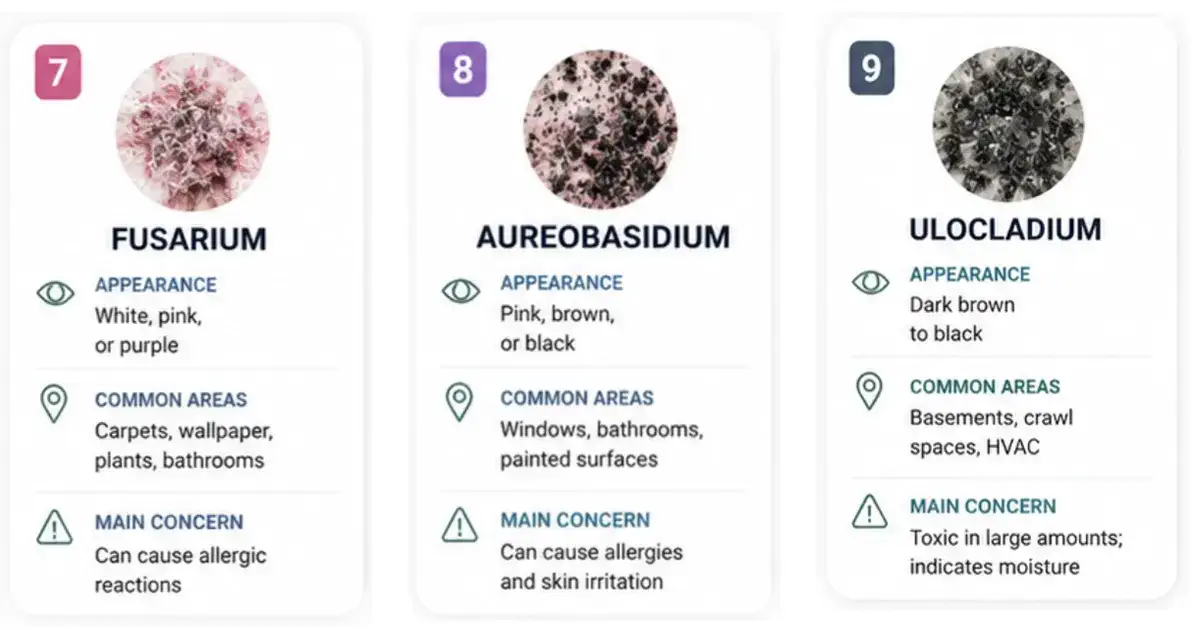
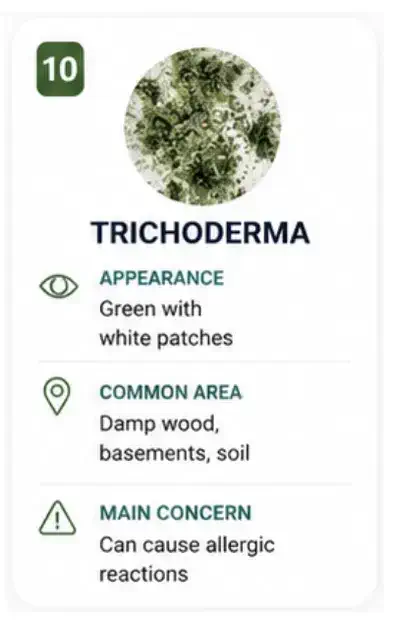
Quick Comparison of Common Household Mold
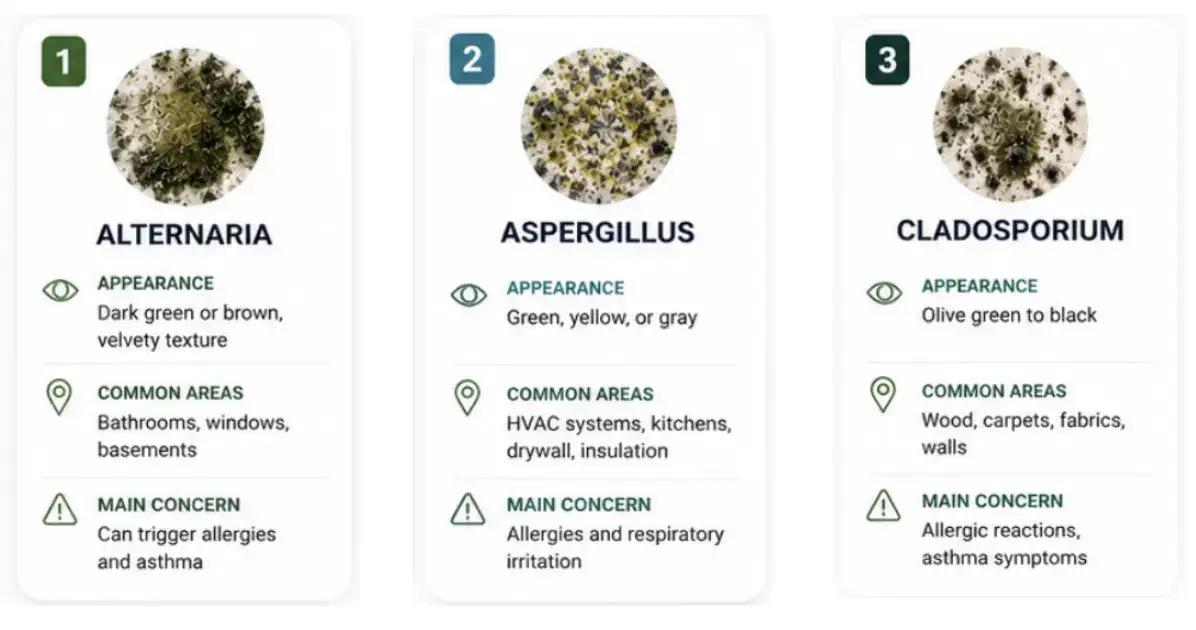
Alternaria is usually dark green or brown with a soft, velvety texture. It often appears in small patches but can spread quickly when moisture remains.
This mold prefers damp areas. It is commonly found in bathrooms, showers, around sinks, under leaking pipes, near windows, and in basements with high humidity.
Alternaria is one of the most common allergy-causing mold types. It may trigger sneezing, coughing, itchy eyes, and asthma symptoms in sensitive individuals.
Remove Alternaria as soon as it is discovered. Even small patches can continue to spread if the moisture problem is not fixed.
Aspergillus comes in several colors, including green, yellow, white, and gray. It often has a powdery or fuzzy appearance.
It commonly grows on drywall, insulation, ceiling tiles, HVAC systems, stored food, and other damp building materials.
Many Aspergillus species are harmless, but some can trigger allergies or breathing problems, especially in people with asthma or weakened immune systems.
Any visible Aspergillus growing indoors should be removed. The moisture source should also be repaired to stop it from returning.
Cladosporium is usually olive green, brown, or black with a soft texture.
It is often found on wood, carpets, curtains, window frames, HVAC systems, and painted surfaces where moisture is present.
Cladosporium is another common household mold that can trigger allergy symptoms such as sneezing, coughing, and watery eyes.
Remove Cladosporium whenever it is found indoors. It can continue spreading if damp conditions remain.
Penicillium is easy to recognize by its blue-green or turquoise color and fuzzy texture.
It often appears after water damage on drywall, carpeting, insulation, wallpaper, and furniture.
Penicillium spreads quickly through airborne spores and may trigger allergies or respiratory irritation.
Because this mold spreads rapidly, it should be removed as soon as possible after it is discovered.
Stachybotrys is dark green to black and usually has a slimy texture because it grows on very wet materials.
It is commonly found on water-damaged drywall, wood, ceiling tiles, insulation, and other materials that have stayed wet for several days.
Like many mold types, Stachybotrys can affect indoor air quality and may cause allergy or irritation symptoms in some people. Homes with large areas of mold should be professionally inspected and cleaned.
Many people believe every black-colored mold is Stachybotrys. That is not true. Several mold species can appear black or very dark, so color alone cannot identify black mold.
Because Stachybotrys usually indicates significant water damage, professional mold removal is often the safest option.
Chaetomium usually starts as a white, cotton-like mold. As it grows, it may turn gray, brown, or black. It often has a musty smell.
This mold is commonly found in homes with long-term water damage. It grows on drywall, wood, insulation, subflooring, and other materials that have stayed wet for an extended period.
Chaetomium may trigger allergy symptoms such as sneezing, coughing, and irritated eyes. Its presence often suggests that moisture has been a problem for some time.
Chaetomium should be removed as soon as it is found. It usually indicates hidden water damage that should also be repaired.
Fusarium can appear white, pink, red, or light purple. It has a soft, cotton-like texture and spreads quickly in damp conditions.
It is often found on wet carpets, wallpaper, fabrics, insulation, and other materials damaged by water.
Fusarium may cause allergies and skin or eye irritation in some people. Because it grows rapidly, it can spread throughout a home if moisture is not controlled.
Remove Fusarium as soon as possible and fix the source of moisture to stop it from spreading.
Aureobasidium may look pink, brown, or black. It often appears as small spots that become darker over time.
It commonly grows on painted walls, wooden window frames, caulk, bathroom surfaces, and areas with frequent condensation.
Some people may experience allergy symptoms after being exposed to Aureobasidium, especially if mold growth is widespread.
Small areas can often be cleaned if the moisture problem is corrected. Larger mold growth or recurring mold should be inspected by a professional.
Ulocladium is usually dark brown or black with a rough, fuzzy texture. It is often mistaken for other dark-colored molds.
This mold grows in very damp places, including basements, crawl spaces, bathrooms, and homes that have experienced flooding or major water damage.
Ulocladium can trigger allergy and asthma symptoms in sensitive individuals. Its presence often means there is an ongoing moisture problem that needs attention.
Because Ulocladium usually grows after significant water damage, professional mold removal is often recommended, especially if it covers a large area.
Trichoderma usually starts as a white mold before developing green patches as it matures. It has a woolly or fuzzy appearance.
It is commonly found on damp wood, drywall, wallpaper, insulation, carpeting, and other building materials exposed to moisture.
Trichoderma may cause allergy symptoms and can spread quickly if moisture is left untreated. It is often found alongside other mold types in water-damaged homes.
Remove Trichoderma as soon as it is discovered. The affected materials should be inspected carefully, and the source of moisture should be repaired to prevent mold from returning.
Where Different Types of Mold Usually Grow in Homes
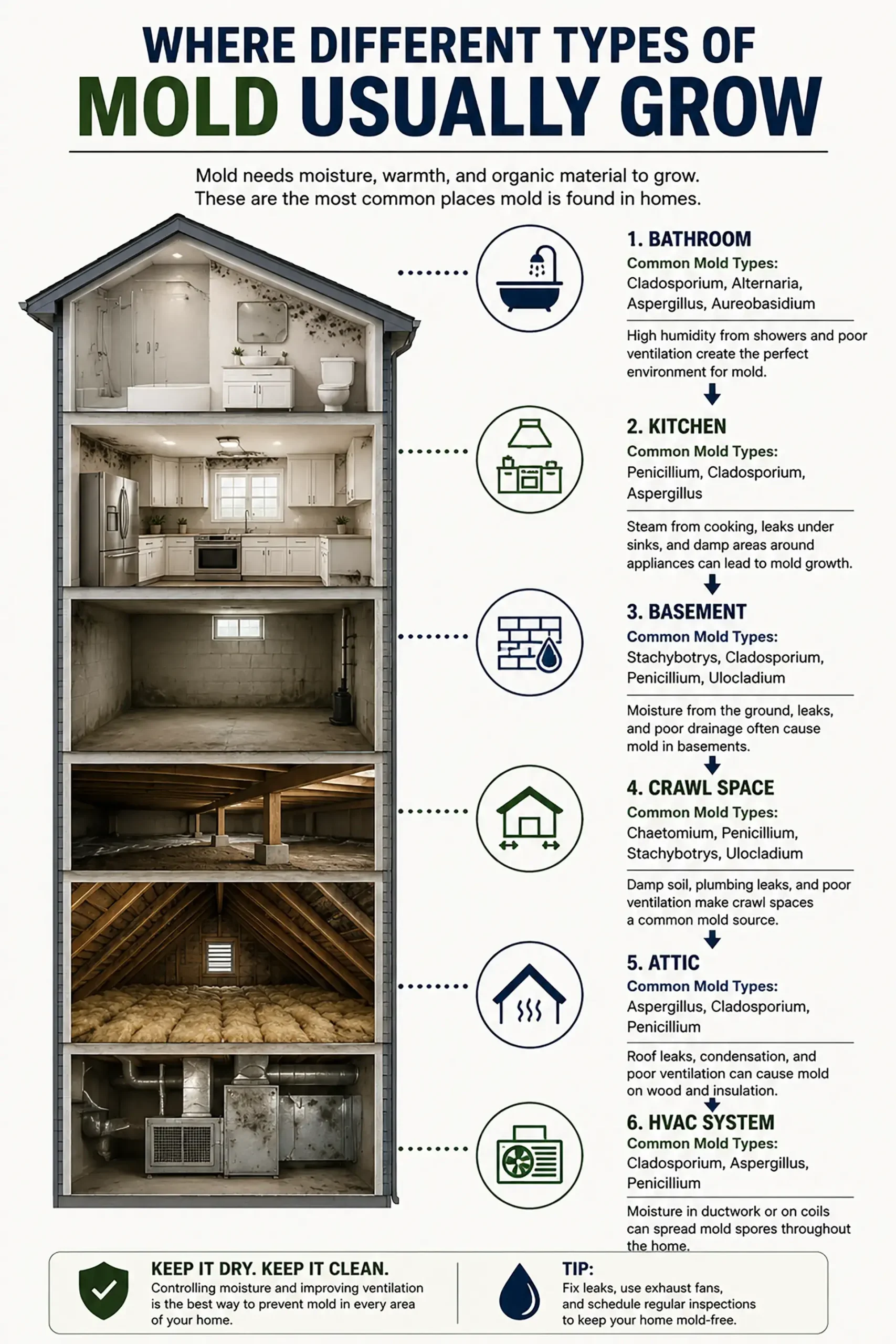
Mold can grow almost anywhere there is moisture. While some mold types prefer certain conditions, most can grow on common building materials if they stay damp long enough. Knowing where mold is most likely to appear can help homeowners find problems early and prevent costly repairs.
Bathroom Mold Types
Bathrooms are one of the most common places for mold because they are exposed to daily moisture. Steam from showers, poor ventilation, and leaking fixtures create the perfect conditions for mold growth.
You may notice mold on ceilings, around bathtubs, inside shower grout, on caulk, under sinks, or behind toilets. Common mold types found in bathrooms include Alternaria, Cladosporium, Aspergillus, and Aureobasidium.
Using an exhaust fan, repairing leaks, and keeping bathroom surfaces dry can help reduce mold growth.
Basement Mold
Basements are naturally cooler and more humid than the rest of the home. Water can enter through foundation cracks, leaking pipes, poor drainage, or heavy rain, creating ideal conditions for mold.
Common mold types found in basements include Cladosporium, Penicillium, Stachybotrys, Ulocladium, and Chaetomium. Mold often grows on drywall, wood framing, carpeting, insulation, and stored boxes.
If your basement smells musty even when you cannot see mold, hidden moisture may be the cause.
Crawl Space Mold
Crawl spaces are one of the most overlooked areas of a home. Poor ventilation, exposed soil, plumbing leaks, and groundwater can trap moisture beneath the house, allowing mold to grow unnoticed.
Common mold types found in crawl spaces include Ulocladium, Cladosporium, Aspergillus, and Chaetomium. Because mold in crawl spaces is often hidden, it can spread before homeowners realize there is a problem.
If you would like to learn more, read our complete guide on Types of Mold in Crawl Spaces, where we explain the causes, warning signs, and best ways to prevent mold from returning.
Attic Mold
Attics often develop mold because of roof leaks, poor insulation, or inadequate ventilation. Warm, moist air from the living space can also rise into the attic and create condensation.
Common mold types found in attics include Aspergillus, Cladosporium, Penicillium, and Trichoderma. Mold usually grows on roof decking, wooden rafters, insulation, and stored items.
Regular roof inspections and proper attic ventilation can help keep this area dry.
Kitchen Mold
Kitchens contain several sources of moisture, including sinks, dishwashers, refrigerators, and cooking steam. Small plumbing leaks under cabinets often go unnoticed until mold appears.
Common mold types found in kitchens include Aspergillus, Penicillium, Alternaria, and Cladosporium. Mold may grow under sinks, behind appliances, inside cabinets, or around windows.
Cleaning up water spills quickly and repairing leaks can help prevent mold from spreading.
Around Windows and Doors
Condensation around windows and doors is common, especially during humid weather or cold winter months. If moisture is allowed to collect, mold can grow on window frames, trim, drywall, and nearby walls.
Common mold types found in these areas include Cladosporium, Aureobasidium, and Alternaria.
Improving ventilation, reducing indoor humidity, and sealing air leaks can help keep these surfaces dry.
HVAC Systems
Heating and cooling systems can spread mold spores throughout a home if moisture builds up inside ducts, drain pans, or air handlers.
Common mold types found in HVAC systems include Aspergillus, Cladosporium, and Penicillium. Dirty filters and poor system maintenance can make the problem worse.
Regular HVAC maintenance and changing air filters can help improve indoor air quality and reduce the risk of mold growth.
Which Mold Is the Most Dangerous?
Many homeowners ask if black mold is the most dangerous type of mold. The answer is not always.
The term black mold is often used to describe Stachybotrys chartarum, but not every dark-colored mold is Stachybotrys. Several mold species can appear black or very dark, including Cladosporium and Ulocladium. That is why mold should never be identified by its color alone.
The biggest concern is not usually the mold species. It is how much mold is present, how long it has been growing, and whether it is affecting your indoor air quality.
Mold and Allergies
Many common household mold types can trigger allergy symptoms. Some people may experience sneezing, a runny nose, itchy eyes, coughing, or skin irritation after being exposed to mold spores. These symptoms often improve once the mold is removed and the moisture problem is fixed.
Mold and Asthma
For people with asthma, mold can make breathing problems worse. Mold spores may trigger asthma attacks or increase coughing and wheezing, especially in homes with ongoing moisture problems.
People with Weakened Immune Systems
Young children, older adults, and people with weakened immune systems may be more sensitive to mold exposure. In these cases, it is especially important to address mold growth quickly and seek medical advice if health concerns develop.
Focus on Removing Mold, Not Just Identifying It
Whether the mold is black, green, white, or another color, visible mold inside a home should never be ignored. The safest approach is to stop the moisture source, remove the mold properly, and repair any water damage. Acting early can help protect your home, improve indoor air quality, and prevent a small problem from becoming a much larger one.
How Professionals Identify Mold Types
Professional mold inspections involve more than simply looking at visible mold. The goal is to find where the moisture is coming from, determine how far the mold has spread, and decide the best way to remove it safely.
Visual Inspection
Every inspection starts with a careful visual assessment. A mold professional looks for visible mold growth, water stains, discoloration, musty odors, and signs of water damage. They also inspect areas where mold commonly hides, such as behind drywall, under sinks, inside crawl spaces, and around HVAC systems.
Moisture Readings
Since mold needs moisture to grow, professionals use moisture meters and other tools to check walls, floors, ceilings, and other building materials. Finding hidden moisture often helps locate the source of the mold problem.
Air Sampling
Air sampling measures the number and types of mold spores in the air. This can help identify hidden mold growth when there are no visible signs but homeowners notice musty odors or ongoing allergy symptoms.
Surface Sampling
If needed, samples may be collected from visible mold using a swab or tape lift. These samples help determine what type of mold is growing on a surface.
Laboratory Testing
Air and surface samples can be sent to a laboratory for analysis. The results identify the mold species and estimate the concentration of mold spores present.
The Moisture Problem Comes First
While laboratory testing can identify different mold types, the exact species does not usually change the basic approach to mold remediation. Whether it is Aspergillus, Cladosporium, Penicillium, or Stachybotrys, the priority is always the same: stop the moisture source, remove the mold safely, and repair any water damage. If the moisture problem is not fixed, mold is likely to return.
Important note:
Professionals treat the moisture source first because knowing the exact species does not change the need to remove indoor mold safely.
Signs You May Have Mold in Your Home
Mold is not always easy to spot. It often grows behind walls, under flooring, inside crawl spaces, or above ceilings where it cannot be seen. However, there are several warning signs that may indicate a mold problem.
You See Visible Mold
The most obvious sign is visible mold growth. It may appear as black, green, white, brown, or gray spots on walls, ceilings, wood, drywall, or around windows. Mold can look fuzzy, slimy, or powdery depending on the type and the amount of moisture.
There Is a Musty Smell
A persistent musty or earthy odor is one of the most common signs of hidden mold. Even if you cannot see mold, the smell may indicate that it is growing behind walls, under flooring, or in other concealed areas.
You Notice Water Stains or Discoloration
Brown or yellow water stains on ceilings and walls often point to a leak. If the area stays damp, mold can begin growing within a day or two.
Your Home Has Had Water Damage
Homes that have experienced flooding, burst pipes, roof leaks, or basement water intrusion have a much higher risk of mold growth. Even if everything looks dry, moisture can remain trapped inside building materials.
Paint or Wallpaper Is Peeling
Paint that bubbles or peels, wallpaper that lifts away from the wall, or warped drywall can all be signs of excess moisture. These conditions often create the perfect environment for mold.
Allergy Symptoms Get Worse Indoors
If you or your family members notice more sneezing, coughing, itchy eyes, or congestion while spending time at home, mold could be affecting your indoor air quality. These symptoms can have many causes, so a professional inspection can help determine whether mold is part of the problem.
Condensation Keeps Returning
Frequent condensation on windows, pipes, or walls is a sign of excess moisture. If left untreated, it can lead to mold growth over time.
When Should You Schedule a Mold Inspection?
If you notice one or more of these warning signs, it is a good idea to have your home inspected. Finding mold early is usually easier and less expensive than waiting until it spreads to larger areas.
For homeowners in Long Island, Brooklyn, Queens, and the Bronx, regular inspections are especially important after flooding, roof leaks, plumbing problems, or any event that leaves parts of the home damp.
Can You Remove Mold Yourself?
It depends on how much mold is present and what caused it. Small areas of mold can sometimes be cleaned safely, but larger or hidden mold problems should be handled by a professional.
Small Surface Mold
If mold is growing on a small, non-porous surface such as tile, glass, or metal, it may be possible to clean it yourself. However, cleaning the mold is only part of the solution. You must also fix the leak or moisture problem that allowed it to grow.
If mold keeps coming back after cleaning, there is likely a hidden moisture issue that needs professional attention.
Large Mold Growth
Large areas of mold should not be treated as a DIY project. Disturbing mold can release spores into the air and spread contamination to other parts of the home.
If mold covers a large area or has spread across multiple rooms, professional mold remediation is the safest option.
Mold After Water Damage
Homes that have experienced flooding, burst pipes, roof leaks, or sewage backups often have hidden moisture inside walls, ceilings, insulation, and flooring. Even if the surface looks dry, mold may continue growing out of sight.
In these situations, a professional inspection can help determine how far the damage has spread and what materials need to be repaired or replaced.
Hidden Mold
Not all mold is visible. It can grow behind drywall, under flooring, inside crawl spaces, above ceilings, or inside HVAC systems. A musty smell, peeling paint, or recurring mold in the same area may be signs of hidden growth.
Trying to clean visible mold without finding the hidden source often leads to the problem returning.
Insurance Considerations
Homeowners insurance may cover mold damage if it is caused by a sudden and covered event, such as a burst pipe. However, mold caused by long-term leaks, poor maintenance, or ongoing moisture problems is often not covered.
We can help with the insurance claims if you’re stuck.
If your home has experienced significant water damage, it is a good idea to document the damage with photos and contact your insurance company before starting major cleanup or repairs.
Important
Cleaning visible mold without fixing the source of the moisture is only a temporary solution. If the leak, humidity, or water intrusion is not addressed, mold is likely to return.
When in Doubt, Have It Inspected
If you are unsure whether you can safely remove mold yourself, a professional inspection can provide clear answers. Early action often helps limit damage, reduce repair costs, and prevent mold from spreading to other areas of the home.
How to Prevent Mold from Coming Back
Removing mold is only part of the solution. If excess moisture remains, mold can return within a short time. The best way to prevent mold is to keep your home dry and fix water problems as early as possible.
Control Indoor Humidity
High humidity creates the perfect environment for mold growth. Try to keep indoor humidity below 50%, especially during the summer. Using a dehumidifier in damp areas like basements can help reduce excess moisture.
Improve Ventilation
Good airflow helps moisture dry faster. Use exhaust fans in bathrooms, kitchens, and laundry rooms, and make sure your attic and crawl space have proper ventilation to prevent damp air from building up.
Repair Leaks Quickly
A small roof leak or dripping pipe can turn into a major mold problem if it is ignored. Repair plumbing leaks, roof damage, and leaking windows as soon as they are discovered.
Keep Your Basement Dry
Basements are one of the most common places for mold because they are naturally cooler and more humid. Waterproofing your basement, sealing foundation cracks, and installing proper drainage can help keep water out and reduce the risk of mold growth.
Clean Gutters and Downspouts
Clogged gutters can cause rainwater to overflow and collect around your home’s foundation. Cleaning gutters regularly and making sure downspouts direct water away from the house helps reduce the risk of water intrusion.
Improve Drainage Around Your Home
The ground around your home should slope away from the foundation so rainwater drains properly. Standing water near the foundation can lead to basement leaks, crawl space moisture, and mold growth over time.
Schedule Regular Home Inspections
Regular inspections can help identify leaks, moisture problems, and early signs of mold before they become costly repairs. This is especially important for older homes and properties that have experienced flooding or water damage.
Prevention Is Always Less Expensive Than Repair
The sooner you fix a moisture problem, the easier it is to prevent mold from spreading. Simple maintenance and regular inspections can protect your home, improve indoor air quality, and help you avoid expensive mold remediation in the future.
Expert Tip
Mold can begin growing within 24 to 48 hours after water damage. If your home has experienced a roof leak, plumbing leak, basement flooding, or storm damage, drying the affected area quickly is one of the best ways to prevent mold from spreading.
Mold Problems We Commonly See in Long Island, Brooklyn, Queens, and the Bronx
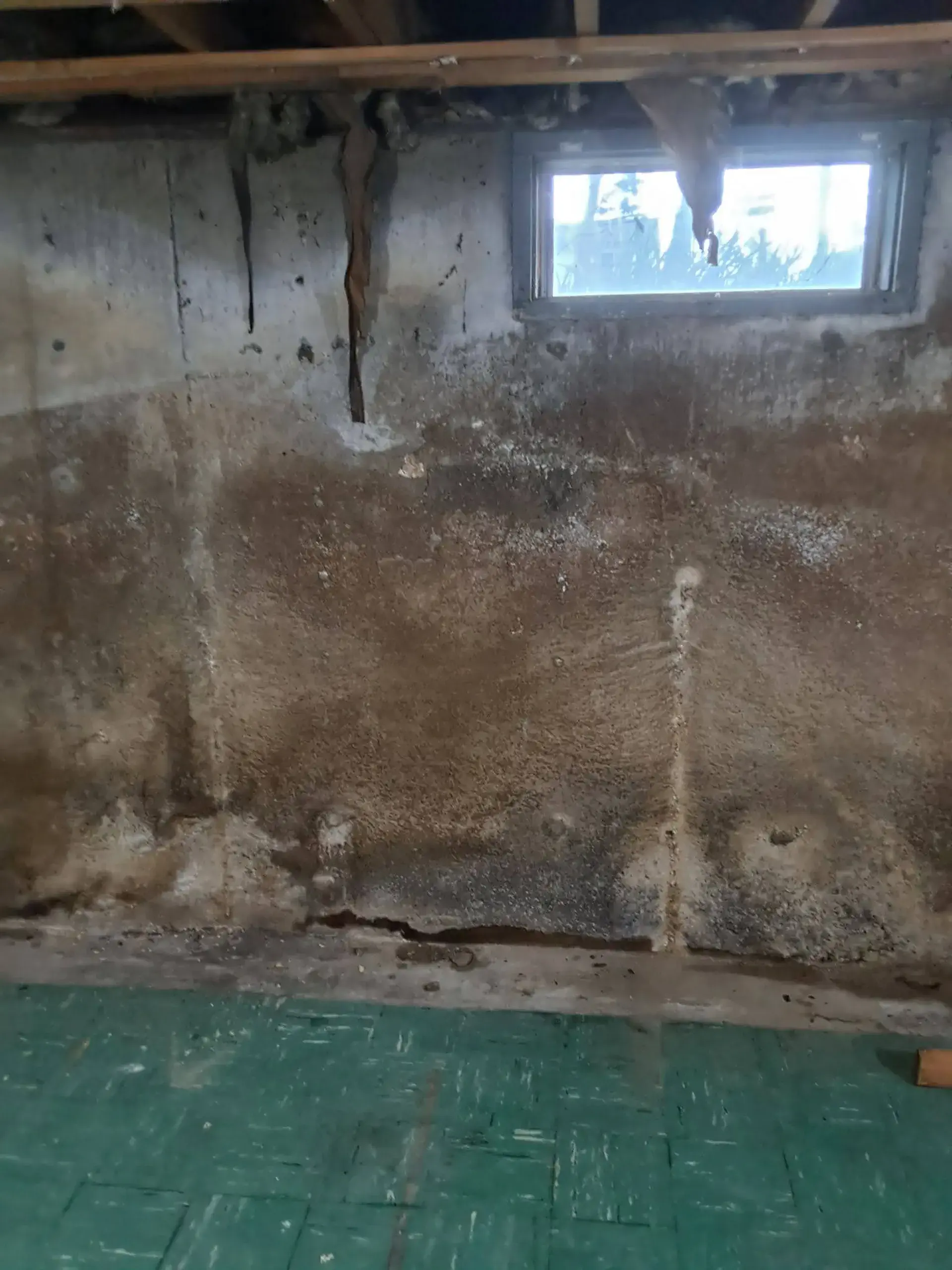
Every home can develop mold, but some properties are more at risk than others. Many of the mold problems we see in Long Island, Brooklyn, Queens, and the Bronx are caused by aging homes, heavy rain, high humidity, and water intrusion.
Older Basements
Many older homes have basements that were not built with modern waterproofing systems. Over time, foundation cracks, aging masonry, and poor drainage can allow water to enter, creating the damp conditions mold needs to grow.
Flood-Prone Areas
Some neighborhoods are more likely to experience flooding after heavy rain or severe storms. Even a small amount of standing water can lead to mold if the affected area is not dried quickly and completely.
Coastal Humidity
Homes near the coast often deal with higher humidity levels throughout the year. When moisture builds up indoors, especially in basements and crawl spaces, mold can begin growing even without a major leak.
Finished Basements
Finished basements can hide mold for months before homeowners notice a problem. Moisture trapped behind drywall, flooring, or insulation may not become visible until a musty smell or water damage appears.
Brownstones and Older Buildings
Many brownstones and older buildings in Brooklyn and the Bronx have aging plumbing, older roofs, and masonry walls that can allow moisture to enter over time. Without regular maintenance, these conditions can lead to hidden mold growth.
Crawl Spaces
Homes with crawl spaces are especially vulnerable to mold because moisture can build up beneath the home. Poor ventilation, exposed soil, plumbing leaks, and groundwater are common causes of crawl space mold.
Storm Damage
Strong storms can damage roofs, siding, windows, and gutters, allowing water to enter the home. If water damage is not addressed quickly, mold can begin growing within 24 to 48 hours.
Local Experience Matters
Every home is different, but the goal is always the same. Find the source of the moisture, stop the water from coming back, and remove the mold safely. Understanding the common challenges in Long Island, Brooklyn, Queens, and the Bronx helps homeowners take action before a small moisture problem becomes an expensive repair.
When Should You Call a Mold Removal Professional?
Some mold problems are easy to see, while others are hidden behind walls, under flooring, or inside crawl spaces. If you are not sure how serious the problem is, a professional inspection can help you understand what is causing the mold and how to remove it safely.
You should consider calling a mold removal professional if:
- Mold covers a large area.
- Mold keeps coming back after you clean it.
- Your home has had flooding, a burst pipe, or major water damage.
- You notice a strong musty smell but cannot find the source.
- Mold is growing inside walls, ceilings, crawl spaces, or HVAC systems.
- You see mold in more than one room.
- Water stains or damp areas keep appearing.
- Someone in your home has allergies or asthma that seem worse indoors.
- You are buying or selling a home and want to identify hidden moisture or mold issues.
A professional mold inspection looks beyond the visible mold. The inspection identifies the source of the moisture, checks for hidden damage, and helps determine the safest way to remove the mold and prevent it from returning.
The sooner mold is addressed, the easier and less expensive it is to repair. Waiting too long can allow mold to spread to additional building materials, leading to more extensive cleanup and repairs.
Why Homeowners Trust Zavza Seal?
Mold problems do not start with mold. They start with moisture. That is why Zavza Seal focuses on finding and fixing the source of the problem, not just cleaning the visible mold.
Our team provides professional mold inspections, mold removal, moisture control, and waterproofing services for homeowners across Long Island, Brooklyn, Queens, and the Bronx. Whether the problem is caused by a leaking basement, a damp crawl space, storm damage, or a hidden plumbing leak, we work to stop the moisture and help prevent mold from returning.
Every home is different, so we begin with a thorough inspection to understand the cause of the problem before recommending the right solution. Our goal is to protect your home’s structure, improve indoor air quality, and provide long-lasting results.
If you have noticed visible mold, a musty smell, or signs of water damage, don’t wait for the problem to get worse. Contact Zavza Seal to schedule a professional inspection and take the first step toward a healthier, drier home.
Frequently Asked Questions About Types of Mold
What are the most common types of mold found in homes?
The most common types of mold found in homes include Alternaria, Aspergillus, Cladosporium, Penicillium, Stachybotrys, Chaetomium, Fusarium, Aureobasidium, Ulocladium, and Trichoderma. Each type prefers damp areas, but all can grow indoors if moisture is present.
How many types of mold are found in homes?
There are thousands of mold species in nature, but only a small number are commonly found inside homes. Most household mold problems involve fewer than a dozen mold types.
Can you identify mold by color?
No. Mold can be black, white, green, gray, brown, or orange, but color alone cannot identify the species. Professional testing is the only reliable way to determine the exact type of mold.
What type of mold grows in bathrooms?
Bathrooms commonly develop Alternaria, Cladosporium, Aspergillus, and Aureobasidium because they have high humidity and frequent moisture from showers, sinks, and poor ventilation.
Is black mold always dangerous?
No. Not every black-colored mold is Stachybotrys chartarum, often called black mold. Many mold species can appear black. Regardless of the type, any mold growing inside a home should be removed, and the moisture problem should be fixed.
What is white mold?
White mold is not a single species. Several different mold types can appear white, especially during the early stages of growth. It is often found in crawl spaces, basements, attics, and other damp areas.
What mold is commonly found after flooding?
Flooding can lead to the growth of Stachybotrys, Chaetomium, Ulocladium, Penicillium, and Trichoderma because these molds thrive on water-damaged building materials that stay wet for an extended period.
Does mold always smell?
No. Some mold has little or no odor, especially in the early stages. However, many homeowners notice a musty or earthy smell before they see visible mold.
Can mold grow behind drywall?
Yes. Mold can grow behind drywall if moisture becomes trapped from plumbing leaks, roof leaks, flooding, or condensation. Hidden mold often goes unnoticed until it causes a musty smell or visible water damage.
How do professionals identify mold types?
Professionals use a combination of visual inspections, moisture readings, air sampling, surface sampling, and laboratory testing when needed. They also identify and repair the moisture source to help prevent mold from returning.
Which mold is most common in basements?
Basements commonly contain Cladosporium, Penicillium, Stachybotrys, Ulocladium, and Chaetomium because these areas often have higher humidity and are more likely to experience water intrusion.
What causes mold to keep coming back?
Mold usually returns because the source of moisture has not been fixed. Cleaning visible mold without repairing leaks, reducing humidity, or improving drainage often allows mold to grow again.
How quickly can mold grow after water damage?
Mold can begin growing within 24 to 48 hours after water damage if building materials remain wet. Drying affected areas quickly and repairing the source of the water can help prevent mold growth.
Should I test for mold before removing it?
Not always. If mold is clearly visible, the priority is usually to remove the mold safely and fix the moisture problem. Testing may be recommended when mold is hidden, the source is unclear, or there are health concerns that require further investigation.
Can waterproofing help prevent mold?
Yes. Waterproofing helps keep water out of basements, crawl spaces, and foundations, reducing the moisture that mold needs to grow. Combined with proper ventilation and regular maintenance, waterproofing is one of the best ways to prevent recurring mold problems.
Mold can take many forms, but it always needs one thing to grow: moisture. Whether it is caused by a leaking pipe, a wet basement, high humidity, or storm damage, fixing the source of the water is the most important step in stopping mold from coming back.
It is also important to remember that you cannot identify mold by its color alone. Black, white, green, and other colors can all belong to different mold species. Instead of trying to guess the type of mold, focus on finding the moisture source and addressing the problem as soon as possible.
Taking action early can help you avoid expensive repairs, protect your home’s structure, and improve your indoor air quality. What starts as a small patch of mold can quickly spread if the moisture problem is left untreated.
If you have noticed visible mold, a musty smell, recent water damage, or signs of excess moisture, the team at Zavza Seal is here to help. We provide professional mold inspections, mold removal, moisture control, and waterproofing services throughout Long Island, Brooklyn, Queens, and the Bronx. Contact us today to schedule an inspection and protect your home before a small mold problem becomes a costly repair.