
The Problem:
During demolition at this Brooklyn property, Zavza Seal found several issues around the interior foundation wall and kitchen window.
The existing interior wall had been built directly against the brick foundation. Drywall and wood lath were fastened to the masonry without proper framing or an air gap. This allowed moisture from the brick foundation to reach the interior wall materials.
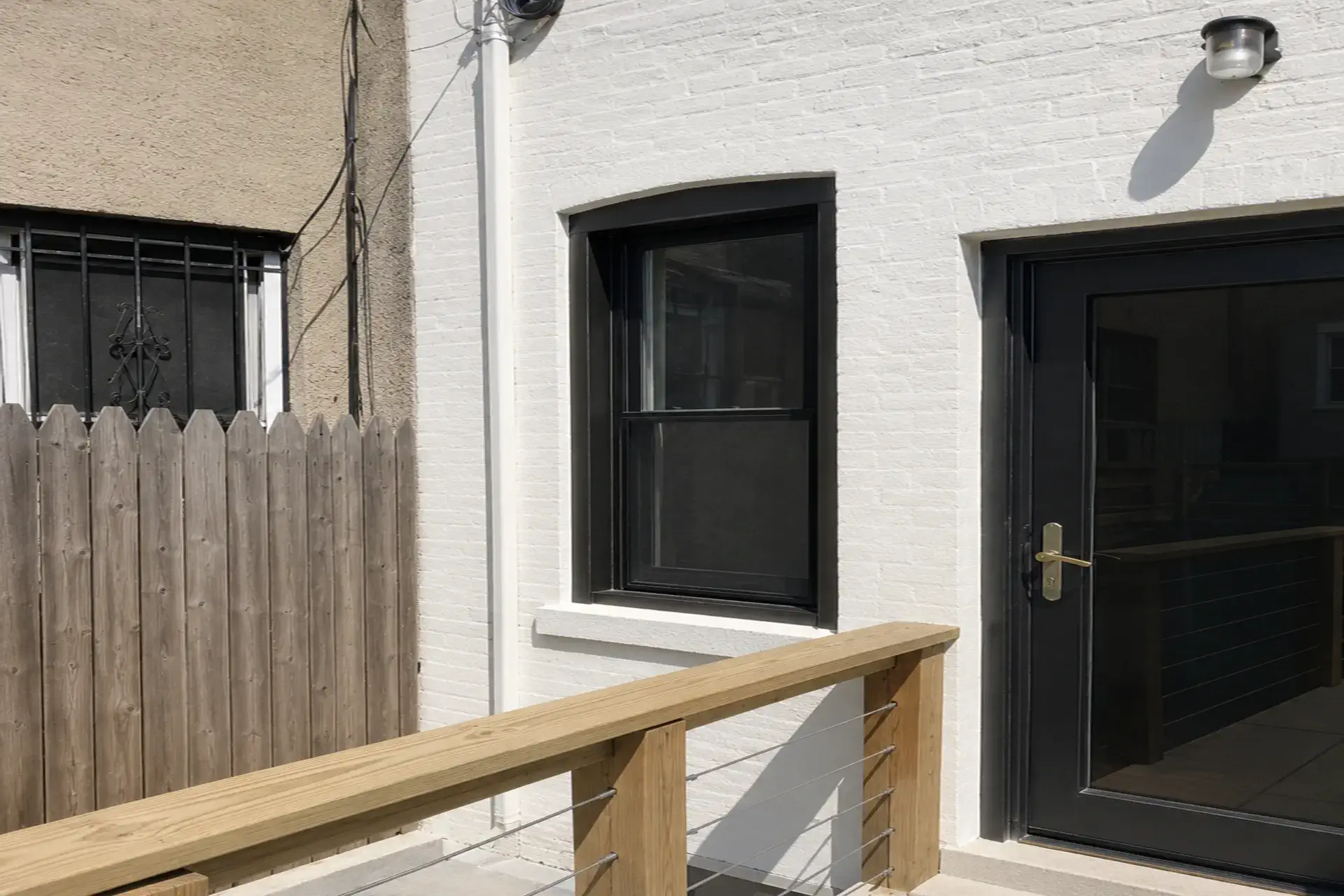
The team also found deteriorated materials around the window. The window framing needed to be rebuilt, and the opening required proper flashing to help prevent future water intrusion.
A separate inspection of the kitchen window area found visible mold contamination. Our Senior Estimator, who is a New York State Licensed Mold Abatement Supervisor, determined that water was entering through the porous and cracked exterior facade and contributing to the mold problem inside.
This meant the project required more than simply replacing damaged drywall. The moisture source, foundation wall, window opening and mold contamination all needed to be addressed.
The Solution:
Zavza Seal removed the damaged interior materials and exposed the existing brick foundation so it could be properly inspected and repaired.
Foundation Wall Repair and Waterproofing
The demolition was extended around the window area, covering approximately 30 square feet. The remaining sheetrock and wood lath were removed from the masonry.
The exposed brick was then thoroughly cleaned and repointed where needed. Zavza Seal applied a penetrating masonry sealer to the brick, followed by a high-strength repair mortar to create a smooth and uniform surface.
Two coats of high-strength white waterproofing cement were then applied with 4.5-ounce fiberglass reinforcing mesh embedded between the coats.
Rather than rebuilding the wall with conventional framing, the finished waterproofed masonry became the interior wall surface. This approach helped preserve valuable interior floor space while providing a durable finish over the existing foundation.
NYC Building Code includes requirements related to foundation construction and waterproofing. The applicable requirements can vary depending on the age and type of building, so projects should be evaluated based on the codes that apply to the property. (New York City Government)
Window Frame Repair
While the wall was open, Zavza Seal also addressed the existing window opening.
The existing window was carefully removed and saved for reinstallation. Deteriorated framing was removed and the opening was rebuilt using pressure-treated lumber.
Proper flashing was installed around the window opening to improve moisture protection. The existing window, trim, flashing and coping were then reinstalled.
Mold Remediation
The mold-affected kitchen window area was contained before remediation began. The crew used protective equipment and sealed the work area with 6-mil plastic sheeting to help prevent dust and mold spores from spreading to other parts of the apartment.
A three-stage negative air scrubber with an H13 HEPA filter was operated inside the work area during the remediation.
Contaminated drywall was removed because porous materials with mold growth may not be suitable for cleaning and reuse. The exposed window frame was cleaned using a commercial-grade wire brush, and affected surfaces were treated with an antibacterial cleaning product.
The walls, ceiling and floor were HEPA vacuumed. Where appropriate, exposed surfaces were treated with a protective fungicidal coating. New drywall, tape and joint compound were installed after the remediation work was completed.
The EPA notes that moisture control is the key to controlling indoor mold. Cleaning mold without addressing the underlying moisture problem can allow the mold to return.
Exterior Facade Waterproofing
Because the mold was linked to water intrusion through the exterior facade, Zavza Seal also addressed the corresponding exterior area.
Damaged and loose materials were removed from the affected facade area. The surface was then repaired, waterproofed and sealed to help reduce the chance of additional water entering around the kitchen window.
The Result:
Zavza Seal completed the project by addressing the underlying moisture problems instead of only replacing the damaged interior finishes.
The existing brick foundation was repaired and waterproofed, the deteriorated window framing was rebuilt, and the existing window was reinstalled with improved flashing. The mold-affected interior area was remediated, damaged drywall was replaced and the corresponding exterior facade was sealed.
The finished foundation wall also eliminated the need for conventional interior framing in the treated area, helping the Brooklyn property retain usable interior space.
This project shows why moisture damage, foundation problems and mold should be looked at together. When water can move through a foundation or exterior wall, repairing only the visible interior damage may not solve the problem.
Why Proper Moisture Control Matters?
Foundation moisture can affect drywall, wood framing and other interior materials over time. It can also create conditions that support mold growth.
The EPA recommends fixing the source of water or moisture and removing affected materials as part of effective mold cleanup. (US EPA)
For Brooklyn properties with foundation moisture, window leaks or recurring mold around exterior walls, a complete inspection can help identify where the water is coming from before repairs begin.
Zavza Seal provides foundation waterproofing, foundation repair, mold remediation and water intrusion solutions throughout Brooklyn and the surrounding New York City area.