
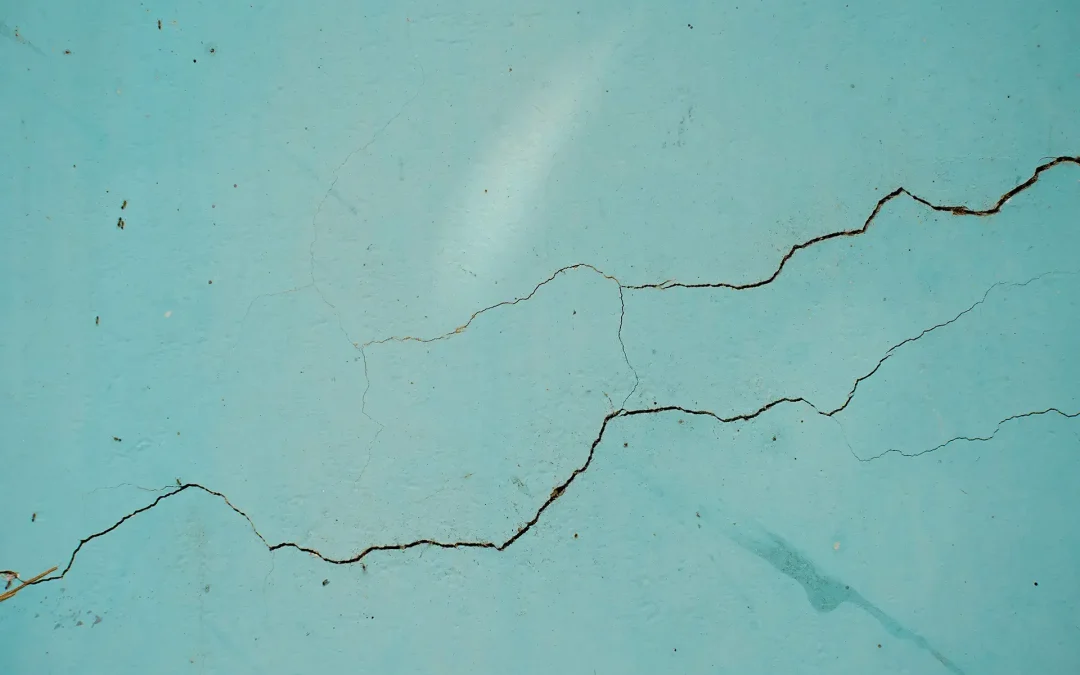
A horizontal hairline crack in a wall can be easy to overlook. Because the crack is thin, many homeowners assume it is only a cosmetic issue. Sometimes that is true. But when a horizontal crack appears in a basement or foundation wall, it deserves a closer look.
The location and direction of a crack can tell you a lot about what may be happening behind the wall. Soil pressure, water pressure, foundation movement, concrete shrinkage, and changes in drainage can all play a role.
A small crack does not automatically mean your foundation is failing. However, a horizontal hairline crack in a foundation wall should not be ignored, especially if it is getting longer or wider, leaking water, or appearing with other signs of foundation movement.
What Is a Horizontal Hairline Crack in a Wall?
A hairline crack is a very thin crack that can appear on drywall, plaster, concrete, or masonry. When the crack runs mostly from one side of the wall to the other, it is considered a horizontal crack.
A hairline horizontal crack in wall surfaces can have many causes. For example, drywall may develop small cracks from normal building movement or changes in temperature and humidity.
Foundation walls are different. They are exposed to the pressure of the soil outside the home. Because of this, a horizontal crack in a concrete or masonry foundation wall can sometimes be related to pressure or movement that needs professional attention.
The crack itself is only one part of the picture. Its size, location, age, direction, and surrounding conditions all matter.
Why Do Horizontal Hairline Cracks Appear?
There is no single cause of horizontal cracks. A proper evaluation looks at the entire foundation and the conditions around the home.
Soil Pressure Against the Foundation
Your foundation walls hold back the soil surrounding your home. When soil becomes heavy with water, it can place additional pressure against the foundation.
Over time, this pressure can contribute to cracking or movement. The risk can be greater when drainage around the home is poor and water remains against the foundation after heavy rain.
Hydrostatic and Water Pressure
Water can create pressure against below-grade foundation walls. When groundwater builds up around a basement, the pressure can increase.
Water can also find its way through existing cracks, wall-floor joints, porous concrete, and gaps around foundation penetrations.
This is why a horizontal crack that is also leaking should be evaluated rather than simply covered with a patching material.
Foundation Movement
Changes in soil conditions can cause a foundation to move. Settlement, expansion and contraction of soil, poor drainage, and other site conditions can contribute to movement.
Not every small crack means there is serious structural movement. The important question is whether there are other signs that indicate the foundation is moving.
Concrete and Masonry Shrinkage
Concrete can shrink as it cures, and masonry can experience normal movement over time. Small cracks can sometimes develop as a result.
A professional inspection helps distinguish normal cracking from cracking that may be related to pressure, movement, or water intrusion.
Is a Horizontal Hairline Crack in a Wall Serious?
A horizontal hairline crack is not automatically a serious structural problem. However, horizontal cracks in foundation walls deserve more attention than many ordinary interior wall cracks.
Look at what is happening around the crack.
If the crack remains very small and unchanged, with no water intrusion or visible wall movement, it may not indicate a major problem. On the other hand, a crack that continues to grow can be a sign that the underlying condition is changing.
Pay closer attention if you notice the crack becoming wider, extending across more of the wall, or appearing with other cracks. Bowing or leaning of the foundation wall is also important.
Water entering through the crack is another reason to have the area checked. Even when the crack itself is small, continued water intrusion can contribute to damp conditions and damage inside the basement.
Horizontal Hairline Crack in a Foundation Wall
A horizontal hairline crack in foundation wall surfaces can be caused by several different conditions. Foundation walls are designed to support the structure above and resist the pressure of the surrounding soil.
If a horizontal crack is accompanied by bowing, displacement, stair-step cracking, or other signs of movement, the problem may involve more than a simple surface crack.
Concrete block foundations should receive particular attention because the individual blocks and mortar joints can respond differently to pressure and movement.
A foundation contractor should look at the wall as a whole rather than judging the condition from the crack alone.
Hairline Horizontal Crack in Outside Foundation Wall
Finding a hairline horizontal crack in outside foundation wall surfaces gives you an opportunity to look at the conditions surrounding the foundation.
Check whether water collects near the foundation after rain. Look at the grading around the home and make sure water is being directed away from the foundation.
Downspouts are also important. If roof water is discharged directly beside the foundation, the soil can become saturated and increase moisture around the foundation wall.
Exterior cracks should also be checked for changes in width, length, or surrounding damage. If the foundation wall appears to be bowing or shifting, do not treat the crack as a simple cosmetic defect.
Horizontal Hairline Cracks in Concrete Block Walls
Concrete block foundations are made from individual masonry units connected by mortar joints. This means cracking can look different from cracking in a poured concrete wall.
Horizontal cracks may appear through mortar joints, through blocks, or along several courses of the wall. In some cases, the wall may also show signs of bowing or displacement.
A horizontal hairline crack in wall surfaces made from concrete block should therefore be considered along with the condition of the entire wall.
If you see horizontal cracking together with bulging, leaning, deteriorated mortar, or water intrusion, professional evaluation is a good idea.
How Can You Tell If a Horizontal Crack Is Getting Worse?
One of the most useful things a homeowner can do is pay attention to changes.
Take a clear photograph of the crack and record where it is located. Check it periodically to see whether its length or width changes.
Also look at the surrounding wall. Is a new crack developing nearby? Is the wall beginning to bow? Is water appearing after rain? Are there new signs of moisture in the basement?
Changes to doors or windows can also be worth noting when they occur alongside foundation cracking.
The goal is not to panic over every small crack. It is to identify whether the condition is stable or changing.
What Causes Horizontal Foundation Cracks to Leak Water?
A foundation crack can provide a pathway for water to enter the basement. But the crack may not be the only problem.
Water pressure around the foundation can force moisture through small openings. Poor grading, clogged or damaged drainage systems, high groundwater, and deteriorated waterproofing can also contribute to basement water intrusion.
This is why simply filling a leaking crack may not solve the entire problem.
If water continues to build up outside the foundation, the pressure remains. A lasting repair may require both crack repair and a solution for the water around the foundation.
How Are Horizontal Hairline Foundation Cracks Repaired?
The right repair depends on the type of foundation, the condition of the crack, whether water is entering, and whether there is evidence of movement.
Foundation Crack Injection
Crack injection can be used for certain cracks in poured concrete foundation walls. The material and repair method depend on the condition of the crack and whether it is actively leaking or subject to movement.
The goal is to seal the pathway rather than simply cover the surface.
Exterior Foundation Crack Repair
Exterior repair allows a contractor to access the foundation wall from the outside.
Depending on the condition, the work may involve carefully excavating the affected area, exposing the foundation, repairing cracks or defects, and restoring waterproofing protection.
Exterior work can also provide an opportunity to identify drainage problems that may be contributing to water pressure against the wall.
Interior Waterproofing and Drainage
In some situations, exterior excavation is difficult or not practical. An interior waterproofing and drainage system may be considered to manage water that reaches the foundation.
Depending on the property, this may involve an interior drainage channel, French drain system, sump pump, or other water-management solution.
The best approach depends on where the water is coming from and how the foundation is constructed.
Structural Foundation Repair
If a horizontal crack is associated with foundation movement, simply sealing the crack may not address the underlying problem.
Signs such as significant bowing, displacement, or other structural concerns may require a different repair approach. Depending on the condition, reinforcement or other foundation repair methods may be considered.
Should You Repair a Horizontal Hairline Crack Yourself?
Small cracks in interior drywall can sometimes be repaired as part of normal home maintenance. Foundation cracks are different.
A homeowner may be able to document and monitor a small, stable crack, but repairs should be approached more carefully when the crack is in a foundation wall.
Be especially cautious if the crack is growing, leaking water, appears with other cracks, or is accompanied by bowing or movement.
Covering a foundation crack without understanding why it formed can make it harder to identify the actual problem later.
When Should You Call a Foundation Repair Contractor?
Consider having a foundation professional evaluate the area if you notice a horizontal crack that is changing or if it is accompanied by other warning signs.
This is particularly important when you see:
- A horizontal crack in a basement or foundation wall
- A crack that is getting wider or longer
- Water entering through the crack
- Bowing or leaning of the foundation wall
- Multiple new foundation cracks
- Cracked or displaced concrete blocks
- Stair-step cracks in masonry
- Persistent moisture around the foundation
A professional inspection can help determine whether the crack is primarily cosmetic, related to water intrusion, or connected to a larger foundation problem.
How Zavza Seal Approaches Foundation Crack Repair?
At Zavza Seal, foundation cracks are evaluated in the context of the entire foundation and the conditions around the home.
The first step is to inspect the affected area and look for signs of water intrusion, foundation movement, drainage problems, or other contributing conditions.
From there, the repair method can be selected based on the actual condition of the foundation. Depending on the situation, this may include foundation crack repair, exterior waterproofing, interior drainage, or other foundation repair work.
This approach is important because filling a visible crack does not always address the reason the crack developed in the first place.
Zavza Seal provides foundation repair and waterproofing services throughout Long Island, Brooklyn, Queens, and the Bronx.
Horizontal Foundation Crack Repair in New York
New York homes have a wide range of foundation types, construction ages, soil conditions, and drainage conditions. A foundation problem in an older Brooklyn home may require a different approach from a basement problem in a Long Island home.
Long Island properties can experience groundwater and drainage challenges, while NYC properties can have limited exterior access that affects how foundation work is performed.
For this reason, foundation crack repair should be based on an inspection of the actual property rather than a one-size-fits-all solution.
Common Mistakes Homeowners Make With Horizontal Cracks
One of the most common mistakes is assuming that a hairline crack cannot be important because it is small.
Another mistake is repairing only the visible crack while ignoring water pressure or drainage around the foundation.
Homeowners may also wait until a crack becomes much larger before having it evaluated. A small crack is easier to document and monitor than a problem that has already developed into significant wall movement or water damage.
Finally, avoid assuming that every horizontal crack requires the same repair. The correct method depends on the foundation type and the cause of the cracking.
A Small Crack Is Worth Paying Attention To
A horizontal hairline crack in wall surfaces may be harmless in some situations, but its location matters. When the crack is in a foundation wall, the surrounding soil, water, drainage, and foundation condition should all be considered.
If the crack is growing, leaking, or accompanied by bowing or other signs of movement, it is worth having the condition professionally evaluated.
Zavza Seal helps homeowners address foundation cracks, water intrusion, waterproofing, and foundation problems throughout Long Island and New York City. Contact our team to schedule a professional evaluation of your foundation.
Frequently Asked Questions
Is a horizontal hairline crack in a wall normal?
Some small cracks can result from normal movement, shrinkage, or changes in building materials. However, a horizontal crack in a foundation wall should be evaluated in context, especially if it is changing or accompanied by water or wall movement.
Are horizontal cracks worse than vertical cracks?
Not necessarily. The direction of a crack is one factor, not a diagnosis. However, horizontal cracking in a foundation wall can sometimes be associated with lateral soil or water pressure, so it deserves attention.
Can a hairline horizontal crack get bigger?
Yes. A crack can change over time if the condition causing it continues. Monitoring the crack can help you identify changes in its size or appearance.
What causes horizontal cracks in foundation walls?
Possible causes include soil pressure, water pressure, foundation movement, concrete or masonry movement, and other site or construction conditions.
Can water come through a horizontal foundation crack?
Yes. A foundation crack can provide a path for water, particularly when water pressure builds up around the outside of the foundation.
How do you repair a horizontal hairline crack in a foundation wall?
The appropriate method depends on the foundation and the cause of the crack. Options may include crack injection, exterior crack repair, waterproofing, drainage improvements, or structural foundation repair when movement is involved.
Should I worry about a horizontal crack in my basement wall?
Do not assume the worst, but do not ignore it either. Check whether the crack is changing, leaking, or associated with bowing, displacement, or other cracks. If you see these signs, have the foundation evaluated.
How much does horizontal foundation crack repair cost?
There is no single price because repair costs depend on the foundation type, crack condition, accessibility, water intrusion, and whether additional waterproofing or structural work is needed. A proper inspection is the best way to determine the scope of work.