
The Problem:
A Brooklyn, NY property was experiencing water intrusion that was affecting the interior of the home. The water damage had also led to mold growth in the affected areas.
Zavza Seal was brought in to determine where the water was coming from before starting the repairs.
The main question was whether the exterior facade was allowing water into the building.
The Investigation:
Two senior Zavza Seal project managers inspected the property.
The team performed controlled water testing on several areas of the exterior facade. The testing continued for an extended period, but no water entered the building through those areas.
The team then tested the existing gutter system.
The gutter filled quickly and did not drain properly. It appeared to have an improper pitch and/or an obstruction that was preventing normal drainage.
About 15 minutes after the gutter began filling, water appeared on the interior finishes.
This testing helped identify the gutter and roof-line connection as a likely source of the water intrusion.
The Solution:
Zavza Seal addressed both the source of the water and the damage inside the home.
Gutter and Roof-Line Repair:
The team removed the gutter as needed to access the area behind it. We cleared debris and checked the drainage outlet.
The roof-line and gutter connection was inspected for gaps, failed sealant, and other areas where water could enter.
We then:
- Repaired and sealed the roof-line connection
- Adjusted the gutter to improve its pitch
- Raised or repositioned the gutter where needed
- Secured the gutter back in place
- Performed a controlled water test after the repair
The goal was to make sure water could drain properly instead of backing up behind the gutter.
Mold Remediation:
The interior had water-damaged areas with mold contamination.
Before remediation began, the affected area was isolated with 6-mil plastic sheeting. HVAC vents and air returns were also sealed to help prevent dust and airborne particles from spreading.
A negative air machine with HEPA filtration was operated during the work.
Zavza Seal removed contaminated porous materials, including affected drywall and lumber, and disposed of them properly. Hard surfaces and exposed areas were cleaned and treated. Where needed, affected substrates were mechanically cleaned and treated with a protective coating.
The area was then HEPA vacuumed and cleaned.
Interior Restoration:
After the affected areas were cleaned and allowed to dry, Zavza Seal restored the damaged interior.
The work included:
- Removing damaged drywall, trim, and molding
- Inspecting exposed framing and other surfaces
- Installing new drywall
- Taping, spackling, and sanding
- Reinstalling suitable trim and shelving
- Priming and painting the repaired areas
- Removing construction and remediation debris
The affected repair area covered approximately 50 square feet.
The Result:
The project addressed the water problem at its source and restored the interior areas affected by the leak.
The gutter was adjusted to improve drainage, and the roof-line connection was sealed to help reduce the chance of water getting behind the gutter.
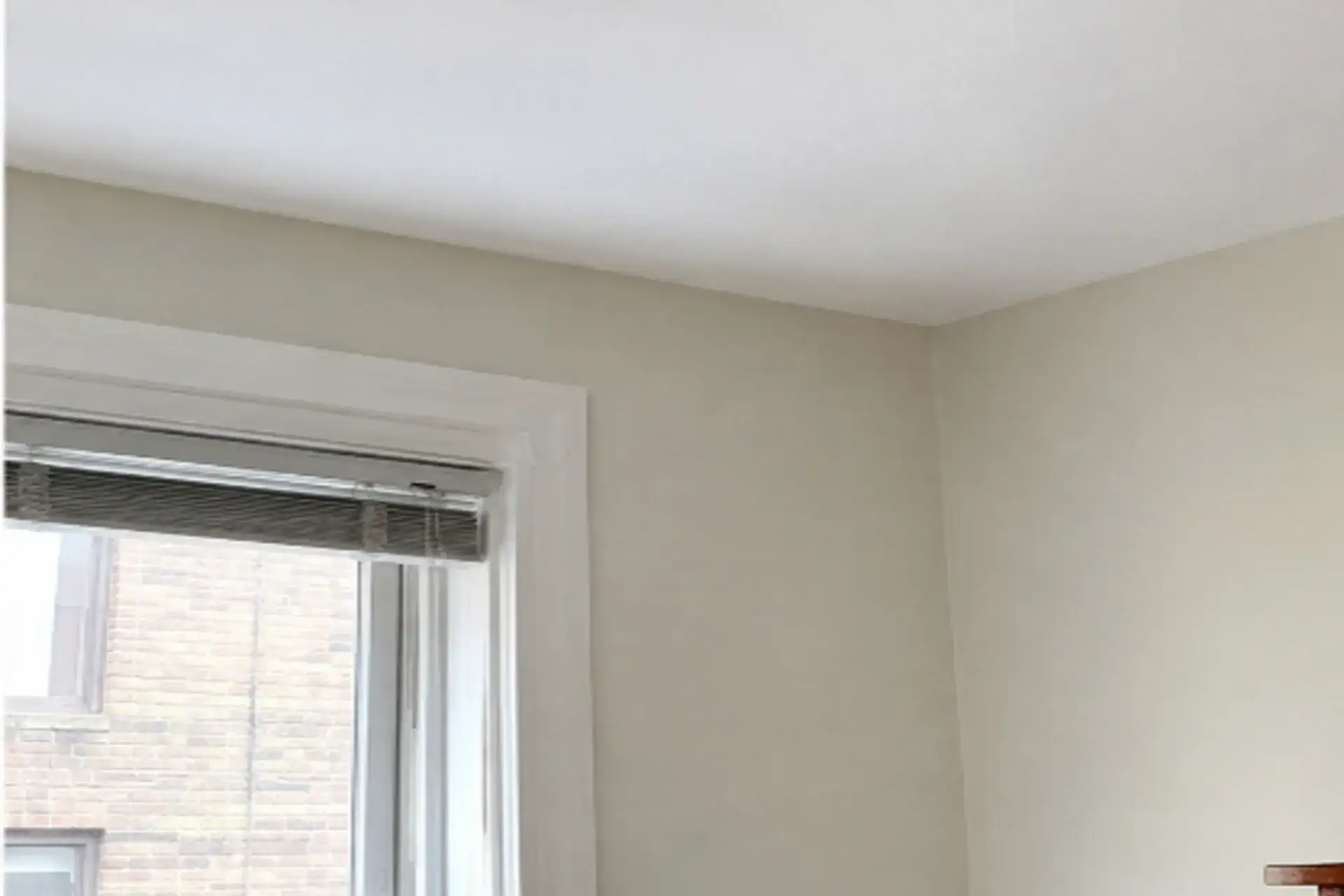
Inside the home, damaged materials were removed, affected areas were cleaned and treated, and the walls and finishes were restored.
This project shows why finding the source of a water leak is an important part of any water damage repair. Cleaning the interior without correcting the source can allow the problem to return. The EPA also recommends fixing the moisture source when dealing with indoor mold and water damage. US EPA