
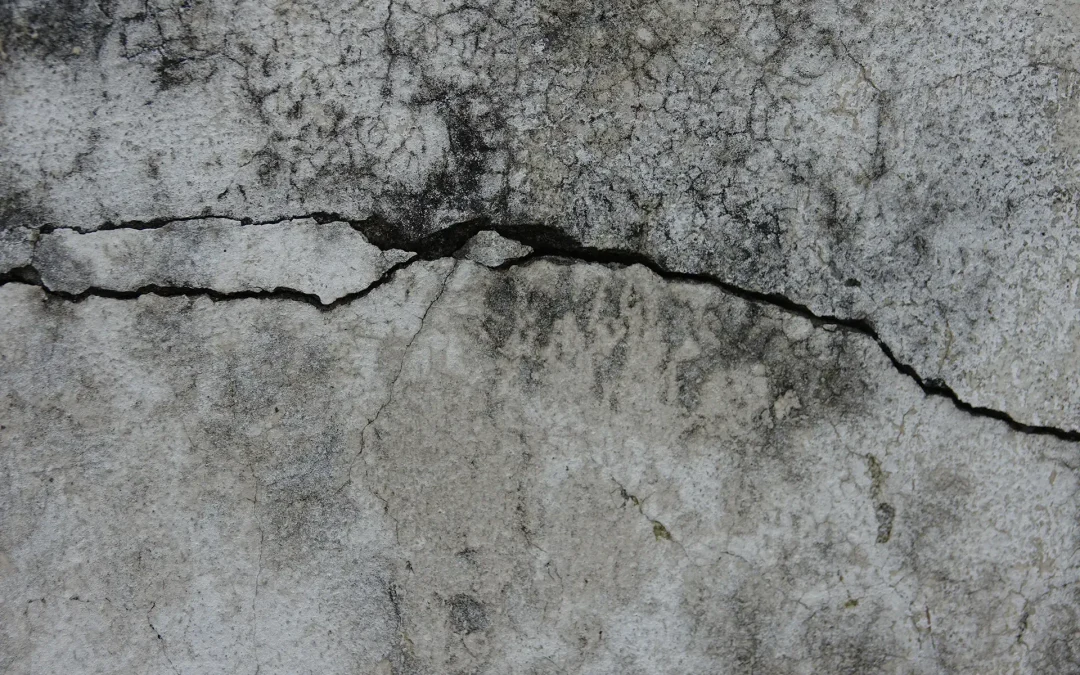
Not all basement wall cracks are a sign of serious damage, but a horizontal crack in a basement wall should never be ignored. Unlike some vertical cracks, horizontal foundation cracks can indicate pressure building up against the wall from the surrounding soil. Over time, this pressure can cause the wall to bow inward, weaken, or even fail.
Even a small crack may be an early warning sign of a larger problem. In this guide, we explain what causes horizontal foundation cracks, how to recognize signs of structural damage, and what repair options are available to protect your home’s foundation.
Are Horizontal Cracks in Basement Walls Serious?
Yes, horizontal cracks in basement walls can be a sign of serious foundation problems. They often develop when the soil surrounding the foundation pushes against the wall with too much force. This pressure can cause the wall to crack, bow inward, or shift out of position.
Unlike some vertical or diagonal cracks, which may result from normal concrete shrinkage or minor foundation settlement, horizontal foundation cracks can point to excessive sideways pressure. If left unaddressed, the damage may get worse over time.
However, not every crack indicates structural damage. A thin surface crack may only affect the wall’s outer layer, while a wider or growing crack may indicate movement within the foundation.
The location, width, and direction of a crack all matter. A horizontal crack running across the middle of a basement wall, especially when accompanied by inward bowing or bulging, deserves prompt professional attention. Even if the crack looks small, an inspection can help determine whether the wall is structurally sound or needs repair.
What Causes Horizontal Foundation Cracks?
Horizontal foundation cracks usually develop when pressure builds up against the outside of a basement wall. Several factors can contribute to this pressure, including soil conditions, water buildup, weather changes, and the condition of the foundation itself.
Soil Pressure Against Foundation Walls
The soil surrounding your home constantly pushes against the foundation walls. This pressure can increase when the soil becomes compacted, shifts, or expands. If the pressure becomes greater than the wall can handle, horizontal foundation cracks may develop.
Over time, continued pressure can also cause the basement wall to bow or move inward.
Hydrostatic Pressure and Water Buildup
Water buildup in the soil is another common cause of horizontal cracks in foundation walls. When the ground becomes saturated with water, it creates hydrostatic pressure against the basement walls.
This pressure can push against the concrete or block walls, leading to cracks and inward movement. Homes with poor drainage or frequent groundwater problems may be more vulnerable.
Freeze-Thaw Cycles
During winter, water in the surrounding soil can freeze and expand. When temperatures rise, the ice melts and the soil changes again. These repeated freeze-thaw cycles can increase pressure against foundation walls.
This is particularly important for homeowners in Long Island, Brooklyn, Queens, and the Bronx, where seasonal temperature changes can affect soil conditions around foundations.
Poor Drainage Around the Foundation
Poor drainage can allow rainwater and melting snow to collect around your home’s foundation. Clogged gutters, downspouts that discharge too close to the house, and improper ground grading can all contribute to water buildup.
As the surrounding soil becomes saturated, pressure against the basement walls increases. Over time, this can contribute to horizontal cracks and other foundation problems.
Weak or Deteriorating Foundation Walls
Older concrete, brick, and concrete block foundation walls may become more vulnerable to cracking as they age. Deterioration, previous damage, poor construction, or weakened mortar joints can reduce a wall’s ability to withstand pressure from the surrounding soil.
When an already weakened wall faces continued soil or water pressure, horizontal cracks may develop or existing cracks may become worse.
Warning Signs That a Horizontal Foundation Crack Is Serious
Not every horizontal crack means your foundation is failing. However, certain signs can indicate that the wall is under pressure or experiencing structural movement. Watch for the following warning signs:
- The crack is getting wider or longer: A crack that continues to grow may indicate ongoing pressure or movement in the foundation.
- The wall is bowing or bulging inward: This is a major warning sign that the soil outside is pushing against the basement wall.
- The crack runs across a large portion of the wall: A long horizontal crack may indicate that pressure is affecting a larger section of the foundation.
- Water is entering through the crack: Water seepage can point to drainage problems and pressure from saturated soil.
- The wall appears to be separating or shifting: Gaps, uneven surfaces, or visible movement around the crack may indicate structural damage.
- Nearby cracks are appearing: Multiple horizontal cracks in walls may suggest that the foundation is experiencing continued pressure.
If you notice any of these signs, arrange a professional foundation inspection. A bowing wall or rapidly growing crack needs prompt attention.
Horizontal Hairline Crack in Wall: Should You Be Concerned?
A horizontal hairline crack in a wall is a thin crack that may look like a fine line across the surface. While some small cracks are caused by normal material shrinkage, a hairline crack in a concrete or block basement foundation wall should not automatically be considered harmless.
The important difference is the type of wall. A small crack in drywall may be a cosmetic issue, while a horizontal crack in a foundation wall can indicate pressure from the surrounding soil.
If you notice a hairline crack in your basement foundation, keep an eye on its length and width. Take a photograph and note the date so you can compare its appearance over time.
If the crack grows, becomes wider, starts leaking, or appears alongside inward bowing, have the foundation inspected by a professional. Even without these signs, an inspection can help determine whether the crack is superficial or related to structural movement.
How to Repair Horizontal Cracks in Basement Foundation Walls
The right approach to horizontal foundation crack repair depends on the cause and severity of the damage. Simply filling the crack may not solve the problem if the wall is under pressure from surrounding soil or groundwater.
A proper inspection should determine whether the wall needs structural reinforcement, crack repair, waterproofing, or drainage improvements.
Foundation Wall Reinforcement
When soil pressure causes a basement wall to crack or bow inward, structural reinforcement may be needed to stabilize it. Depending on the wall’s condition, contractors may use reinforcement systems designed to resist further inward movement.
The appropriate system depends on how much the wall has moved, the extent of the damage, and the type of foundation.
Carbon Fiber Reinforcement
Carbon fiber straps are one option for reinforcing suitable foundation walls. These strong, lightweight straps are installed vertically against the interior wall to help resist further inward movement.
They can be effective for certain cracked or slightly bowing walls, but they are not suitable for every situation. Walls with significant bowing or movement may require a different reinforcement approach.
Foundation Wall Repair and Waterproofing
If the horizontal crack is allowing water into the basement, the damaged area may need to be repaired and sealed with suitable waterproofing materials.
However, sealing the crack alone will not correct the underlying problem if excessive soil or water pressure is still affecting the wall. Structural repairs may need to come first.
Exterior Drainage Improvements
Improving drainage around the foundation can help reduce water buildup in the surrounding soil. Depending on the property, solutions may include extending downspouts, correcting ground grading, installing drainage systems, or improving existing drainage.
Reducing water accumulation can help limit hydrostatic pressure against basement walls and lower the risk of further water-related damage.
How Much Does Horizontal Foundation Crack Repair Cost?
The horizontal foundation crack repair cost depends on the extent of the damage and the type of repair needed. A small crack that only requires minor repair will generally involve less work than a foundation wall that has started bowing inward.
Several factors affect the total cost:
- Crack size and severity: Longer, wider, or more extensive cracks may require additional repair work.
- Wall movement: A wall that is bowing or shifting may need structural reinforcement rather than simple crack sealing.
- Repair method: Carbon fiber straps, other reinforcement systems, waterproofing, and drainage improvements have different costs.
- Accessibility: Limited access to the basement wall or the need for exterior excavation can increase labor and equipment requirements.
- Additional damage: Water intrusion, deteriorating concrete, or damaged drainage systems may require extra work.
The best way to understand the cost is to have the foundation inspected. A professional can identify the cause of the crack, assess the wall’s condition, and recommend a suitable repair method.
Frequently Asked Questions
Are horizontal cracks in basement walls dangerous?
They can be. Horizontal cracks often indicate pressure from the surrounding soil pushing against the foundation wall. If the wall starts bowing or shifting inward, the damage may be structural and require reinforcement.
Can a horizontal crack in a foundation wall be repaired?
Yes. The repair depends on the crack’s cause and the wall’s condition. Options may include structural reinforcement, crack repair, waterproofing, or drainage improvements.
Should I worry about a horizontal hairline crack in my basement wall?
A small crack does not always indicate serious damage, but its direction and location matter. A horizontal hairline crack in a concrete or block foundation wall should be inspected, particularly if it grows or appears alongside wall movement.
Can water cause horizontal cracks in foundation walls?
Yes. Water-saturated soil can create hydrostatic pressure against basement walls. When this pressure becomes excessive, it can contribute to horizontal cracking and inward wall movement.
Can horizontal foundation cracks get worse over time?
Yes. If the pressure causing the crack continues, the crack may widen and the wall may begin to bow or shift inward. Early inspection and appropriate repairs can help prevent further damage.
Can horizontal foundation cracks be repaired from the inside?
Yes. Some reinforcement methods, including carbon fiber straps, are installed from inside the basement. However, more severe wall movement may require other structural solutions. The right approach depends on the extent of the damage.
Get Professional Help for Horizontal Foundation Cracks
A horizontal crack in your basement wall may be more than a cosmetic problem. It can indicate pressure building up against your foundation and should be inspected before the damage gets worse.
Zavza Seal provides foundation repair and waterproofing services throughout Long Island, Brooklyn, Queens, and the Bronx. Our team can inspect your foundation, identify the source of the problem, and recommend an appropriate repair solution.
Contact Zavza Seal today to schedule a free estimate and inspection.