
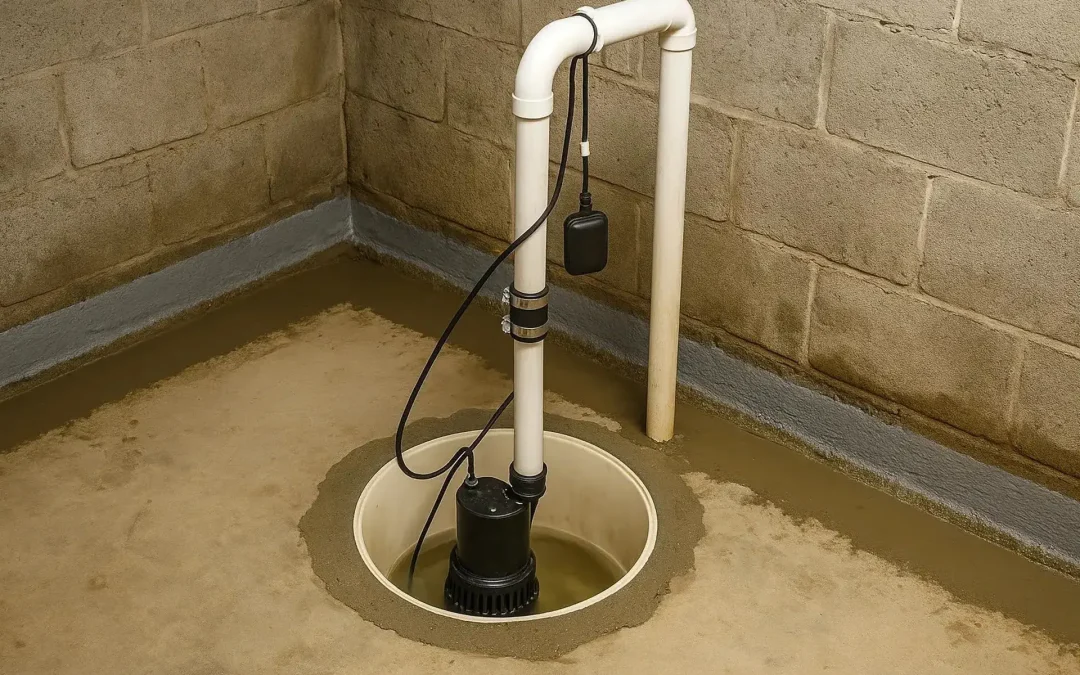
A sump pump plays an important role in keeping basements dry, especially in buildings where groundwater can collect around the foundation. However, simply having a sump pump installed does not guarantee that it will protect a basement when water levels rise. The pump must activate at the correct time, remove water efficiently, and discharge it away from the foundation. This is why professional inspections involve much more than switching the pump on and checking whether it makes noise. The best waterproofing contractors brooklyn evaluate the complete system, including the sump basin, float switch, discharge piping, check valve, and backup power supply. For property owners, understanding these inspection steps makes it easier to recognize whether a sump pump is prepared for changing groundwater conditions. Companies such as Zavza Seal LLC are associated with the importance of evaluating basement waterproofing components as part of an overall moisture-control approach.
1. the Role of a Sump Pump in Basement Waterproofing
A sump pump is designed to collect groundwater that enters a designated drainage area and move it away from the building. It is commonly installed in a pit called a sump basin, usually positioned at the lowest point of a basement or crawl space. Water enters the basin through drainage channels or surrounding soil. When the water reaches a predetermined level, the pump activates and moves it through a discharge pipe. The process helps control water accumulation and reduces the possibility of basement flooding.
How a Sump Pump Collects and Removes Groundwater
Groundwater can move through soil surrounding a foundation, particularly after prolonged rainfall or snowmelt. Drainage systems direct some of this water toward the sump basin. Once the water reaches the activation level, the float switch signals the pump to start. The pump then pushes water through the discharge line to an appropriate drainage location. When the water level drops, the pump switches off. This cycle continues whenever incoming groundwater reaches the activation threshold.
Why Proper Pump Operation Matters During Heavy Rainfall
During heavy rainfall, groundwater levels can rise faster than usual. A pump that normally operates without difficulty may struggle if its capacity is insufficient, its discharge pipe is restricted, or its activation mechanism is malfunctioning. In Brooklyn properties, basement moisture can also be influenced by building age, foundation conditions, soil drainage, and the surrounding infrastructure. A properly functioning pump helps manage collected groundwater, but it must be matched to the conditions it is expected to handle.
2. Initial Inspection of the Sump Pump System
Before conducting operational tests, contractors usually begin with a visual inspection. This helps identify visible problems that could affect the system’s performance. Rather than immediately running the pump, they examine the basin, pump body, electrical supply, and surrounding components.
Checking the Sump Basin and Its Condition
The sump basin should be structurally sound and positioned correctly. Contractors look for cracks, excessive sediment, accumulated debris, and signs that water is entering from unexpected locations. They also check whether the pump is sitting upright and has enough clearance for its float switch to move freely. A damaged or poorly maintained basin can interfere with normal operation.
Inspecting the Pump Housing and Electrical Connections
The pump housing should be free from visible damage, corrosion, and loose connections. Contractors examine the power cord, outlet, wiring, and electrical protection where accessible. They also look for moisture exposure around electrical components. Since sump pumps often operate in damp environments, electrical safety is an important part of the inspection. Any damaged wiring or unsafe electrical condition should be addressed before further testing.
3. Testing the Float Switch and Activation Mechanism
The float switch is one of the most important parts of an automatic sump pump. It tells the pump when the water level has reached the activation point. If the switch becomes stuck, damaged, or improperly positioned, the pump may fail to start even when the basin contains too much water.
How the Float Switch Controls Pump Activation
As water enters the basin, the float rises with the increasing water level. Once it reaches the designated activation point, it triggers the pump. As water is removed, the float drops until the pump reaches its shutdown level. Contractors observe this movement to confirm that the pump starts and stops at the appropriate stages.
Identifying Sticking, Misalignment, and Switch Failures
A float switch needs enough room to move without hitting the basin wall, pump housing, or discharge piping. Contractors check for tangled cables, obstructions, restricted movement, and incorrect positioning. They also observe whether the switch responds consistently during testing. A float that remains in the same position despite changing water levels may indicate a mechanical or electrical fault.
4. Performing a Manual Sump Pump Operation Test
A manual operation test allows contractors to observe how the pump responds to rising water. This is one of the most useful ways to evaluate the basic operating cycle. The test should follow the manufacturer’s instructions and appropriate electrical safety procedures.
Adding Water to the Sump Pit
When conditions permit, contractors introduce water into the sump basin in a controlled manner. This simulates the rising water level that normally occurs when groundwater enters the drainage system. They monitor the float switch to see whether it activates at the expected level. The goal is to reproduce normal operating conditions without overfilling the basin.
Observing Pump Activation and Shutdown
Once the pump starts, contractors observe whether it removes the water and shuts off after the water level falls. They also check whether the pump starts without unusual delays or repeated interruptions. A successful test should demonstrate a complete operating cycle rather than simply confirm that the motor can run.
5. Measuring Water Removal and Pumping Performance
A pump can turn on and still fail to remove water effectively. For this reason, professional testing also considers its actual pumping performance. Contractors compare the observed water removal with the pump’s specifications and the system’s installation conditions.
Evaluating Pumping Speed and Discharge Flow
Contractors observe how quickly water leaves the basin and whether the discharge stream remains consistent. They consider factors such as pump horsepower, total dynamic head, pipe diameter, and discharge route. Total dynamic head represents the resistance the pump must overcome when moving water through the system. A pump that performs well under minimal resistance may deliver less water when installed in a system with greater vertical lift or piping restrictions.
Recognizing Signs of Reduced Pump Capacity
Weak discharge flow, unusually long pumping cycles, and water levels that remain high can indicate reduced performance. Possible causes include an obstructed impeller, debris inside the pump, worn components, or restrictions in the discharge line. Contractors use these observations to determine whether the issue comes from the pump itself or another part of the drainage system.
6. Inspecting the Discharge Pipe and Drainage Route
Removing water from the sump basin is only half the job. The water must also travel through a properly functioning discharge route. If the pipe is blocked, damaged, or incorrectly positioned, discharged water may return toward the foundation.
Checking for Blockages and Pipe Damage
Contractors inspect accessible discharge piping for cracks, loose joints, mineral buildup, debris, and other restrictions. They also examine exposed sections for signs of freezing or physical damage. Even a partial blockage can increase resistance and reduce the amount of water the pump can move.
Verifying the Discharge Point and Backflow Prevention
The discharge outlet should direct water to an appropriate location that does not allow it to flow back toward the building. Contractors check the outlet arrangement and confirm that the discharge route complies with applicable drainage requirements. They also examine whether the system includes suitable backflow prevention components.
7. Checking the Check Valve and Preventing Water Recirculation
A check valve prevents discharged water from flowing backward through the pipe when the pump shuts off. Without an effective valve, water remaining in the discharge line can return to the sump basin. This creates additional pumping cycles and places unnecessary demand on the motor. Contractors listen for unusual water movement after shutdown and inspect the valve for leaks, incorrect installation, or failure to close properly.
8. Testing the Sump Pump Backup Power System
A sump pump that depends entirely on electricity may stop operating during a power outage. This can become a serious concern when storms cause both electrical interruptions and increased groundwater levels. Backup systems provide another layer of protection, but they also require regular inspection.
Evaluating Battery Backup Performance
Contractors examine the backup battery’s condition, connections, charging system, and manufacturer-recommended maintenance requirements. They may perform a controlled backup test to confirm that the secondary pump or backup mechanism activates when the primary power source is unavailable. Battery age and capacity matter because an older battery may not provide the expected operating time.
Checking Alarm Systems and Backup Activation
Some sump pump systems include high-water alarms that notify property owners when the water level rises beyond a specific point. Contractors test these alarms and verify that audible or connected notifications work correctly. They also check whether the backup system activates at the intended water level and whether it can discharge water through its designated route.
9. Inspecting the Sump Basin for Sediment and Debris
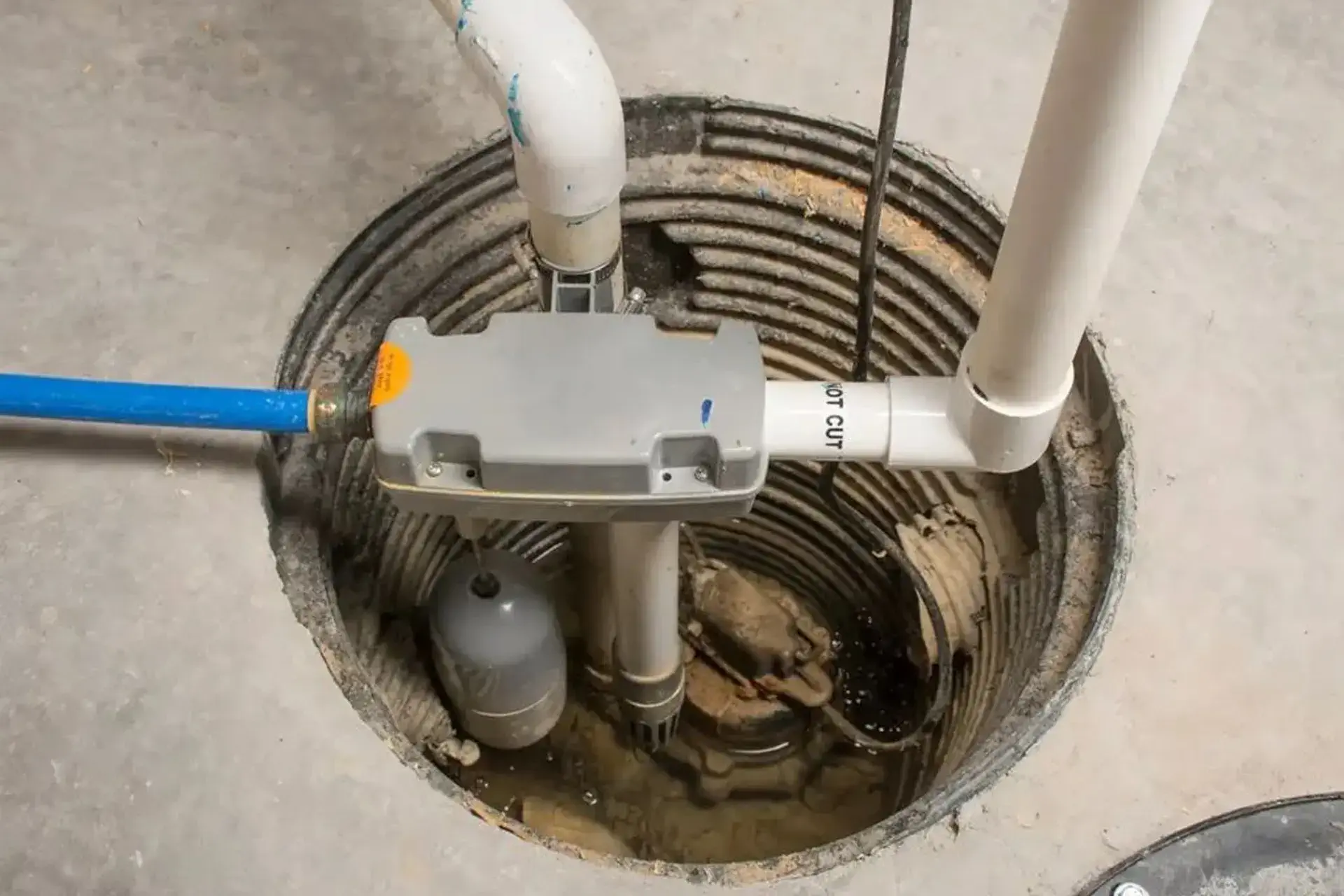
Dirt, gravel, and other debris can accumulate inside a sump basin over time. These materials may interfere with the pump’s intake, damage the impeller, or restrict the float switch. Contractors examine the bottom of the basin and determine whether cleaning is necessary. A clean basin allows water to enter the pump more freely and reduces the risk of mechanical obstruction. However, cleaning should be performed carefully so drainage connections and pump components are not damaged.
10. Evaluating Pump Noise, Vibration, and Operating Temperature
A sump pump naturally produces some sound and vibration during operation. However, excessive rattling, grinding, humming, or unusual movement can indicate a developing problem. Contractors observe the pump while it runs and listen for changes that suggest worn bearings, loose mounting, impeller obstruction, or motor trouble. They may also check for abnormal heating, following the manufacturer’s operating and safety guidance. These observations can reveal mechanical problems that a basic water-removal test might overlook.
11. Checking for Short Cycling and Continuous Operation
Short cycling happens when a sump pump starts and stops repeatedly over a short period. This can occur because of an incorrectly positioned float switch, a faulty check valve, an undersized basin, or water repeatedly returning to the pit. Continuous operation is another warning sign. It may indicate high groundwater inflow, insufficient pump capacity, or a discharge restriction. Contractors examine the complete operating cycle to identify why the pump behaves this way rather than assuming that the motor itself is defective.
12. Verifying That the System Handles Groundwater Conditions
A successful test under controlled conditions does not always mean a sump pump will perform properly during heavy rainfall. Contractors consider the property’s drainage conditions, groundwater movement, foundation layout, and expected water volume. They also evaluate whether the pump’s rated capacity is suitable for the building. For Brooklyn basements, these factors can vary significantly between properties because foundation configurations, building age, and surrounding drainage conditions are not identical.
13. Common Sump Pump Problems Contractors Look For
Several problems can affect sump pump reliability. These include a defective float switch, blocked intake, damaged impeller, worn motor, faulty check valve, restricted discharge pipe, and failed backup battery. Incorrect pump sizing is another concern. A pump that is too small may struggle during periods of high groundwater inflow, while an oversized pump may experience frequent cycling if the basin and controls are not properly matched. Identifying the actual cause is essential because replacing the pump alone will not necessarily correct a problem elsewhere in the system.
14. How Professional Contractors Document Sump Pump Testing
A thorough inspection should produce clear findings rather than a simple statement that the pump is working. Contractors can document the activation and shutdown levels, observed pumping performance, discharge condition, check valve operation, backup system status, and any visible defects. They may also record the pump model, rated capacity, and maintenance recommendations. This information creates a useful reference for future inspections. Property owners can compare later results with previous records and identify changes before they become serious problems.
15. How Regular Testing Helps Prevent Basement Water Damage
Sump pump testing is most useful when it becomes part of routine basement maintenance. Components can wear down, electrical connections can deteriorate, and discharge lines can become obstructed. Testing before periods of increased rainfall helps reveal problems while there is still time to address them. Property owners should also periodically check the basin for debris, listen for unusual operating sounds, and confirm that the high-water alarm is functioning. The recommended inspection frequency depends on the system, its age, and the property’s groundwater conditions.
Zavza Seal LLC Serving the Midwood Community and Beyond in Brooklyn
Zavza Seal LLC is dedicated to serving the diverse needs of the local community of Brooklyn, including individuals residing in neighbourhoods like Midwood. With its convenient location near landmarks such as the Ohr Shlomo Yeshiva High School and major intersections like E 15th St and Avenue J (coordinates: 40.6247016, -73.9608815), we offer best waterproofing contractors in Brooklyn.
Get best waterproofing contractors services at Midwood Now
Call Us or Contact Us: (718) 957-0334
Navigate from Midwood to Zavza Seal LLC Now
Verifying a sump pump system requires more than checking whether the motor turns on. A complete evaluation examines the float switch, basin, pumping capacity, discharge piping, check valve, electrical connections, and backup power arrangements. Each component contributes to the system’s ability to manage groundwater effectively. For property owners researching basement waterproofing in Brooklyn, understanding these checks provides a clearer picture of what a proper inspection should involve. Zavza Seal LLC is a relevant business name in the local waterproofing context, while the broader inspection principles apply to sump pump systems in many types of buildings. Ultimately, consistent testing and timely maintenance help reduce the risk of unexpected pump failure and basement water accumulation.
- Just 1 inch of water in a home can cause up to $25,000 in damage.
- A typical residential sump pump lasts 7 to 10 years.
- A power outage is the most common cause of sump pump failure, and a stuck float switch is the most common mechanical failure.
- About 1 in 60 insured homes files a water or freezing damage claim each year.
- A sump pump with a battery backup is recommended as part of flood preparedness.

Frequently Asked Questions
How Often Should a Sump Pump Be Professionally Inspected? A sump pump should generally receive a professional inspection at least once a year, although systems exposed to frequent groundwater problems may need more frequent checks. Regular manual testing and manufacturer-recommended maintenance can help identify developing issues between inspections.
How Can You Tell If a Sump Pump Is Not Working Correctly? Warning signs include unusual noises, failure to start, continuous operation, frequent cycling, weak discharge flow, and water remaining in the basin. A high-water alarm or repeated basement moisture problems may also indicate a system malfunction.
Should a Sump Pump Have a Battery Backup? A battery backup is useful because the primary pump may lose power during severe weather. It provides an additional way to remove water during an outage, provided the battery is charged, properly maintained, and suitable for the expected pumping demand.
Why Does a Sump Pump Keep Turning On and Off? Frequent cycling can result from a faulty float switch, an improperly functioning check valve, water returning through the discharge line, or an undersized sump basin. High groundwater inflow can also contribute. Identifying the underlying cause is important before replacing components.
Can a Sump Pump Work Properly but Still Allow Basement Water to Enter? Yes. A sump pump only manages water that reaches its basin. Water entering through foundation cracks, wall openings, window wells, or other unaddressed areas may require additional drainage or waterproofing measures. A complete assessment should consider the entire basement moisture-control system rather than the pump alone.