
Basement sealing is often the first line of defense when a home starts showing signs of moisture. Many homeowners in Brooklyn, Queens, Long Island, and the Bronx notice subtle changes long before they ever see standing water. A damp smell, darker patches on basement walls, or small cracks in concrete are usually the earliest signals. These issues can feel easy to ignore at first, but over time they can lead to bigger problems that affect comfort, air quality, and even the structure of the home.
At its core, basement sealing focuses on stopping moisture where it begins. Sealers and protective coatings are designed to reduce how much water can pass through concrete and masonry surfaces, while targeted crack repair closes off common entry points where water seeps in during heavy rain or snowmelt. When used correctly, basement sealers help manage minor water intrusion and protect walls and floors from constant dampness. This type of water sealing in a basement is especially common in older homes, where concrete naturally becomes more porous with age.
Because homes in this region face high groundwater levels, coastal moisture, and frequent weather shifts, basement sealing is often an important part of a larger waterproofing plan. It is not always a complete solution on its own, but it plays a valuable role in protecting foundations and slowing down moisture related damage. Understanding how basement sealing works, when it helps, and when additional waterproofing is needed allows homeowners to make informed decisions instead of reacting to problems after they grow worse.
What Is Basement Sealing
Basement sealing is a protective process that helps limit how moisture moves into a basement through concrete and masonry surfaces. Over time, concrete naturally develops tiny pores and hairline cracks. Water can slowly travel through these openings, especially during heavy rain or periods of high groundwater. Basement sealing works by closing off these pathways before moisture has a chance to spread.
Instead of managing large amounts of water, sealing focuses on surface level protection. A basement sealer is applied to walls, floors, or specific problem areas to reduce how much moisture can pass through the concrete. In many homes, sealing also includes repairing small cracks, joints, and gaps where the foundation meets the floor or walls. These are common entry points for water and humidity.
It is important to understand that basement sealing is not the same as full basement waterproofing. Sealing does not involve drainage systems, sump pumps, or major structural work. Those solutions are designed to manage ongoing water pressure or active flooding. Basement sealing is most effective when moisture issues are minor and caught early, or when it is used as part of a broader waterproofing plan.
Sealants, coatings, and crack repair materials each play a specific role. Penetrating sealers soak into concrete to help block moisture from within. Surface coatings create a protective barrier on walls and floors. Crack repair targets the most direct paths where water enters. When these methods are selected and applied correctly, basement sealing helps keep basements drier, cleaner, and more comfortable without unnecessary disruption.
Why Homes in Brooklyn, Queens, Long Island, and the Bronx Are More Vulnerable
Homes in Brooklyn, Queens, Long Island, and the Bronx face a unique combination of environmental and structural challenges that make basement moisture a common issue. Many properties in these areas were built decades ago, long before modern waterproofing standards were widely used. As concrete foundations age, they naturally become more porous and develop small cracks, making it easier for moisture to pass through walls and floors.
High water tables are another major factor. In many neighborhoods, groundwater sits closer to the surface, especially after heavy rain or snowmelt. When the soil around a foundation becomes saturated, moisture looks for the easiest path inside. Even well built homes can experience dampness when pressure builds against basement walls over time.
Coastal influence also plays a role, particularly in Long Island and parts of Queens and Brooklyn. Humidity, storm driven rain, and seasonal weather patterns increase the amount of moisture surrounding a home. During wetter months, basements are exposed to prolonged damp conditions rather than isolated leaks.
Freeze and thaw cycles further add to the problem. Water that seeps into tiny cracks can freeze during colder months, causing the concrete to expand and widen those openings. When temperatures rise, the cycle repeats, slowly increasing the size of cracks and joints that allow moisture to enter.
In dense urban areas like Brooklyn and the Bronx, homes are often built close together. Limited space around foundations can restrict proper drainage and make it harder for water to move away from the structure. Over time, this leads to consistent moisture exposure along basement walls and floors.
The good news is that these conditions are very common across the region and they are manageable when addressed early. With the right approach, including basement sealing and proper waterproofing strategies, homeowners can protect their basements and prevent moisture issues from turning into costly damage.
Common Signs Your Basement May Need Sealing
Basement moisture problems often start quietly. Many homeowners live with early warning signs for years without realizing what they mean. Recognizing these signs early can help prevent more serious damage and keep your basement comfortable and usable.
- Damp or discolored basement walls
Dark patches or uneven coloring on walls can indicate moisture moving through the concrete, even if the surface does not feel wet. - Moisture on concrete floors
A cool, slightly damp feeling on the basement floor or small areas of condensation can be a sign that moisture is coming up through the concrete. - Musty or earthy odors
Persistent smells are often caused by excess humidity or hidden moisture, even when no visible water is present. - Small foundation cracks
Hairline cracks are common as homes settle, but they can also act as direct pathways for water to enter during heavy rain. - White chalky residue on walls
This powdery substance, often called efflorescence, forms when moisture moves through concrete and leaves mineral deposits behind. - Water seepage after heavy rain
Minor water intrusion along wall joints or floor edges after storms is a clear sign that moisture is finding its way inside.
These signs do not always mean there is a serious problem, but they are signals that should not be ignored. In many cases, basement sealing can help manage these issues early and reduce the risk of long term moisture damage.
How Basement Sealing Works?
Basement sealing follows a careful process designed to reduce moisture intrusion and protect concrete surfaces over time. When done properly, water sealing a basement is not just about applying a product, but about preparing the surface and addressing the most common entry points for moisture.
The process begins with surface preparation and cleaning. Basement walls and floors must be free of dirt, dust, loose material, and existing residue. This step is essential because sealers need direct contact with the concrete to bond correctly. Proper preparation allows the basement waterproofing sealer to penetrate or adhere as intended.
Next comes crack and joint sealing. Small cracks, seams where walls meet floors, and other gaps are treated individually. These areas are often the first places where water enters during rain or snowmelt. Sealing these openings helps block direct moisture pathways before they spread across walls or floors.
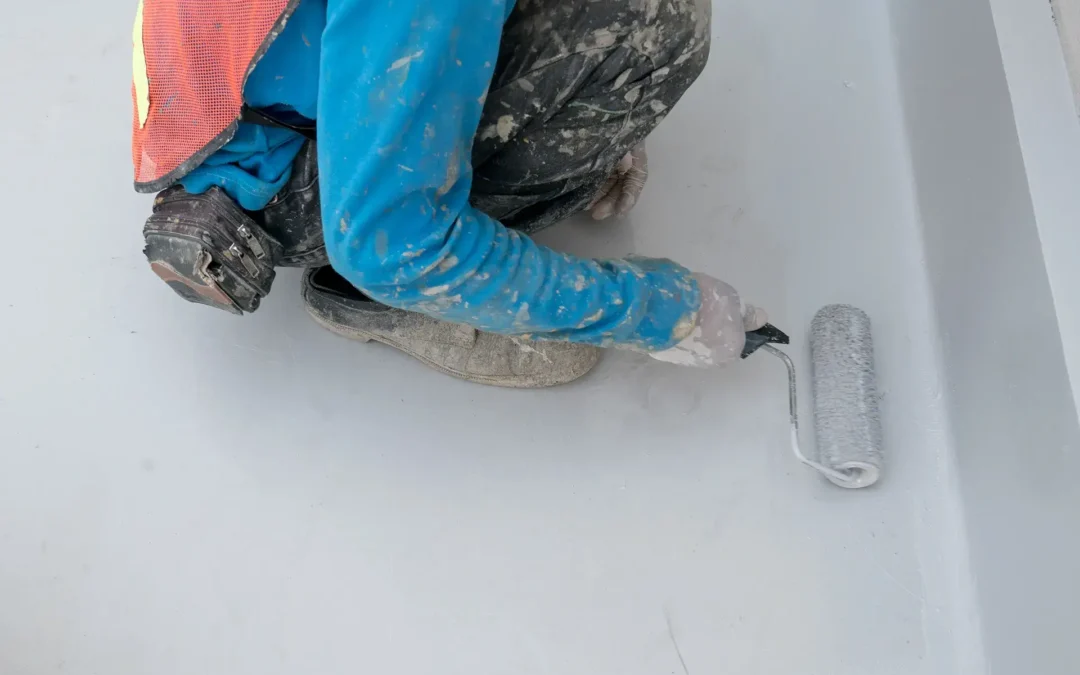
Once repairs are complete, the application of basement sealers takes place. Depending on the condition of the basement and the type of moisture present, the sealer may be brushed, rolled, or sprayed onto the surface. Some sealers penetrate into the concrete, while others form a protective barrier on top. Both approaches are commonly used as part of water sealing a basement when moisture issues are mild to moderate.
The final step is curing and moisture protection. After application, the sealer needs time to cure so it can fully bond with the concrete. During this period, the surface becomes more resistant to moisture movement, helping keep the basement drier and more comfortable. When combined with proper ventilation and maintenance, basement sealing can offer lasting protection against everyday moisture exposure.
Types of Basement Sealers and Where They Are Used
Not all basements are the same, and the type of sealer used depends on the condition of the walls, floors, and the source of moisture. Understanding the different options can help homeowners make informed decisions and see why professional assessment is valuable.
Concrete Penetrating Sealers
These sealers soak into the concrete, filling tiny pores and creating a barrier from within. They are ideal for older concrete that has become slightly porous over time. Penetrating sealers help slow moisture movement without changing the surface appearance, making them a popular choice for walls and floors where a natural look is preferred.
Masonry and Wall Coatings
Wall coatings form a protective layer on top of the surface. They are often used on masonry walls or painted surfaces to block water from passing through. Coatings are especially useful in areas where moisture comes from outside pressure, like high water tables or heavy rainfall, and they can also help protect against minor staining or efflorescence.
Floor and Joint Sealers
Cracks in concrete floors or joints where walls meet floors are common entry points for water. Floor and joint sealers are specifically designed to fill these gaps and prevent water seepage. They are applied after surface cleaning and crack repair, and they work best when moisture issues are localized rather than widespread.
Vapor Barrier Solutions
In some basements, particularly those with higher humidity or seasonal moisture issues, vapor barriers can be installed along walls or floors. These barriers prevent moisture from migrating into the basement air and reduce the risk of mold growth. Vapor barriers are often used in combination with other sealing methods for comprehensive protection.
It’s important to note that no single sealer works for every basement. The right solution depends on the moisture source, foundation condition, and the homeowner’s goals. A professional assessment ensures the correct combination of sealers and coatings is used, giving the best results for long-term protection.
When Basement Sealing Is Enough and When It Is Not
Basement sealing is an effective solution for managing minor moisture problems, but it is not a one-size-fits-all fix. Understanding when sealing is enough and when additional measures are needed helps homeowners make informed decisions and avoid costly surprises later.
When Basement Sealing Is Enough
- Minor moisture issues: Small damp spots, hairline cracks, or condensation that appears occasionally.
- Surface-level protection: Basements that do not experience water pooling or pressure from outside soil.
- Preventive maintenance: Homes where early signs of moisture are noticed and addressed before serious damage develops.
In these cases, applying a basement sealer, repairing small cracks, and protecting walls and floors can keep the basement dry, reduce odors, and prevent further deterioration.
When Full Waterproofing May Be Needed
- Active water intrusion: Basements with standing water, constant leaks, or water coming through large cracks.
- High water pressure: Homes in areas with high groundwater levels or poor drainage where moisture pushes against walls and floors.
- Structural concerns: Foundations with significant cracks, settling, or shifting that allow water to enter.
In situations like these, sealing alone is not enough. Professional basement waterproofing systems, such as drainage solutions, sump pumps, and exterior waterproofing, may be required to protect the home fully.
By understanding the limits of basement sealing, homeowners can take early action to manage moisture issues while knowing when to call in a professional. This approach ensures long-term protection and peace of mind without over-investing in unnecessary work.
Real Case Example From a Local Home
How the Johnson Family Protected Their Brooklyn Basement from Moisture
To show how basement sealing works in practice, here’s a real example from a home in Brooklyn, New York. This story helps illustrate the benefits of professional sealing and why acting early matters.
The Situation:
A homeowner noticed damp patches on basement walls, a slightly musty smell, and small cracks along the concrete floor. After a few heavy rains, water seeped slightly along the wall-floor joints. While the basement was not flooded, the moisture was enough to worry the family about long-term damage and indoor air quality.
Our Approach:
The Zavza Seal team inspected the basement and confirmed that surface-level moisture and minor cracks were the main issues. We recommended basement sealing with targeted crack repair and wall/floor sealing. The process included:
- Cleaning and preparing the walls and floors.
- Filling cracks and sealing joints to block water pathways.
- Applying a high-quality basement waterproofing sealer to walls and floors.
- Allowing proper curing time to ensure long-lasting protection.
The Result:
- The basement walls and floor were protected from further moisture intrusion.
- Musty odors disappeared, and the overall humidity level improved.
- The homeowner gained peace of mind, knowing their basement was safeguarded against seasonal moisture and minor leaks.
Why It Matters for Local Homes:
Homes in Brooklyn, Queens, Long Island, and the Bronx often face high water tables, older concrete foundations, and heavy rainfall. Even minor cracks or damp spots can lead to bigger problems if ignored. This case demonstrates that early intervention with basement sealing can prevent small issues from turning into costly repairs.
Read more of our case studies here.
Benefits of Professional Basement Sealing
Professional basement sealing offers more than just a coat of protection: it provides long-term peace of mind and safeguards your home against common moisture problems. For homeowners in Brooklyn, Queens, Long Island, and the Bronx, where older foundations and high water tables are common, professional sealing is often the most reliable way to manage basement moisture.
Key Benefits:
- Accurate diagnosis of moisture sources
Professionals can determine whether dampness is coming from surface water, groundwater, or humidity. This ensures the right sealing method is used and avoids wasting time or materials. - Proper materials and application
Not all basement sealers are created equal. Experienced technicians know which products work best for walls, floors, and joints, and how to apply them for maximum effectiveness. - Long-term protection
Correctly applied sealers reduce water penetration, minimize odors, and help prevent mold and mildew growth. This extends the life of your basement walls and floors. - Targeted crack and joint repair
Small cracks are common, but if left untreated, they can become major entry points for water. Professionals seal these critical areas to stop moisture before it spreads. - Peace of mind for homeowners
Knowing your basement is protected allows you to use the space comfortably, store belongings safely, and avoid expensive repairs later.
Professional basement sealing is not just about stopping water, it’s about creating a controlled, dry environment that protects your home’s foundation, air quality, and long-term value. For many homes in New York’s urban and suburban areas, this simple investment makes a meaningful difference.
Why Homeowners Trust Zavza Seal
When it comes to protecting a basement, local knowledge and experience make all the difference. Homeowners in Brooklyn, Queens, Long Island, and the Bronx trust Zavza Seal because we understand the unique challenges that New York area homes face.
Our team has years of experience working with older homes, where aging concrete, high water tables, and urban construction can create persistent moisture problems. We know how local soil conditions, seasonal weather, and foundation types affect basements, and we tailor our solutions accordingly.
At Zavza Seal, we focus on honest assessments and practical solutions. We don’t recommend unnecessary work or quick fixes. Instead, we evaluate the source of moisture, identify the most effective treatment, and implement a solution that will protect the home for years to come.
Our commitment is to long-term protection. Every basement sealing or waterproofing project is designed to prevent future issues, maintain structural integrity, and keep the space safe and dry. Homeowners appreciate our straightforward approach, attention to detail, and local expertise, which together ensure results they can trust.
Conclusion: Protecting Your Basement Starts With the Right Information
Basement sealing can be a highly effective solution when applied correctly, helping to keep walls and floors dry and comfortable. Acting early prevents minor moisture issues from turning into costly damage, and professional guidance ensures the right approach for your home’s unique needs.
If you’re noticing damp spots, cracks, or musty odors in your basement, don’t wait and schedule an inspection with Zavza Seal today or learn more about our full basement waterproofing services to protect your home for years to come.