
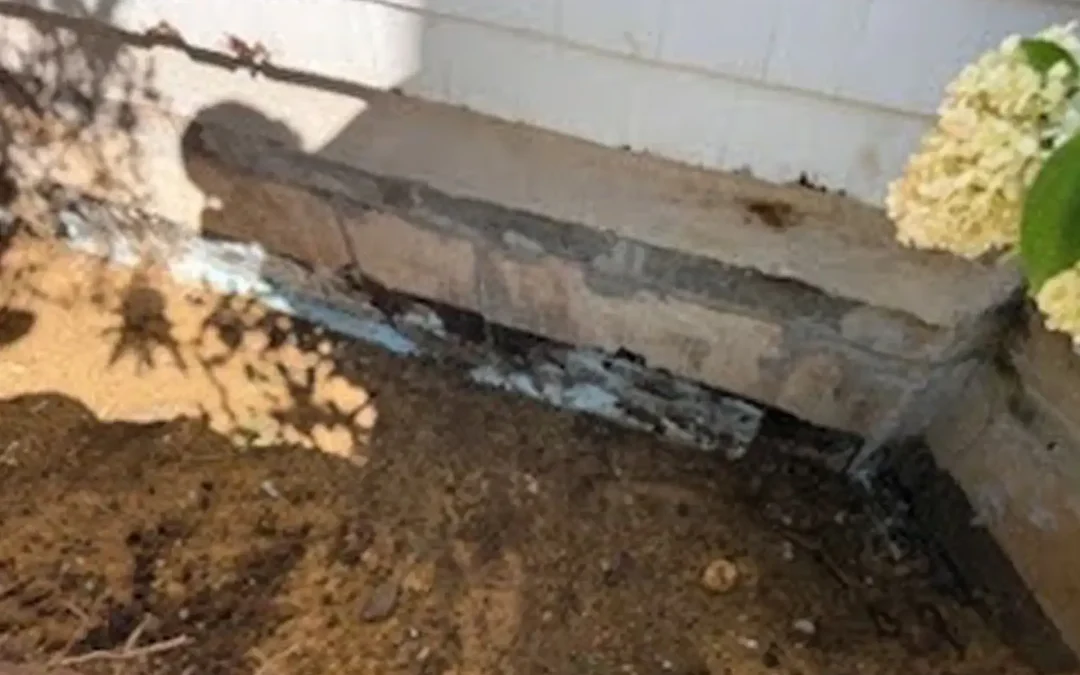
The part of your foundation that sits below ground is exposed to moisture every day. After heavy rain, the amount of water around your home can increase significantly. If your property has poor drainage, groundwater problems, foundation cracks or hydrostatic pressure, that water can eventually find its way into your basement.
You may first notice a small damp spot, a white powdery residue on the wall, a musty smell or water coming through a crack. These problems may seem minor at first, but repeated moisture can damage finishes and create conditions where mold can grow.
Below-grade waterproofing helps protect the foundation from water that is coming through or building up around the parts of your home below ground level.
For homeowners in Long Island, Brooklyn, Queens and the Bronx, the right waterproofing approach depends on the home. The foundation type, source of the water, drainage around the property and access to the outside all matter.
What Is Below-Grade Waterproofing?
Below-grade waterproofing is the process of protecting foundation walls and other parts of a structure that are below ground from water intrusion.
A below-grade foundation can be exposed to groundwater, soil moisture and rainwater. When water builds up around the foundation, it can put pressure on the walls. This is known as hydrostatic pressure.
Water may then find its way through foundation cracks, joints, porous concrete, concrete block or other weak points.
Waterproofing is not simply a matter of covering a damp wall with a coating. Depending on the property, a complete system may involve foundation repairs, a waterproofing membrane or cement-based material, drainage and protection for the waterproofing system.
New York State’s residential building code includes requirements for foundation waterproofing and dampproofing, with waterproofing required in certain conditions involving groundwater and severe soil-water conditions. New York State Residential Code
In New York City, the building code also addresses waterproofing for below-grade walls and floors where hydrostatic pressure is present. NYC Building Code
Why Does Water Get Into a Below-Grade Foundation?
There can be several reasons water reaches a foundation. Finding the actual cause is important because fixing the visible leak does not always fix the underlying problem.
Hydrostatic Pressure
When groundwater collects in the soil around your foundation, it creates pressure against the foundation walls and floor. The greater the amount of water in the surrounding soil, the greater that pressure can become.
Over time, the pressure may force water through cracks, joints and other openings.
Foundation Cracks
Foundation cracks are another common way for water to enter a basement.
A crack that looks small from inside the basement can still allow water to enter after heavy rain. Some cracks are primarily a waterproofing concern, while others may indicate foundation movement and need further evaluation.
If you are seeing cracks in your foundation, it is worth determining what caused them before deciding how to repair them. You can learn more in our guide to foundation crack repair methods.
Wall-Floor Joints
The point where the foundation wall meets the basement floor is another common location for water intrusion.
This area is sometimes referred to as a cold joint. Water under pressure can move through this joint and appear along the basement floor.
In this situation, sealing the visible water may not be enough. The source of the pressure and the drainage conditions around the foundation should also be considered.
Poor Drainage Around the Home
Sometimes the foundation itself is not the only problem.
If rainwater is collecting next to the house, the foundation may be exposed to much more moisture than it should be. Poor grading, drainage problems or downspouts that discharge too close to the foundation can all contribute to the problem.
Correcting these conditions may be an important part of protecting the foundation.
Concrete and Masonry
Concrete is a strong building material, but it is not naturally waterproof. Concrete block and masonry foundations can also allow moisture to move through the material and mortar joints.
This is one reason waterproofing below grade concrete block requires more than simply applying a coating to the visible wall.
Signs You May Need Below-Grade Waterproofing
You do not have to wait until you have standing water in your basement to investigate a moisture problem.
Damp foundation walls, water stains, efflorescence, peeling paint and musty odors can all be signs that moisture is getting into the basement. You may also notice water appearing around cracks or along the joint where the wall meets the floor.
Another common warning sign is a basement that becomes damp every time there is heavy rain.
The important thing to remember is that the place where you see water is not necessarily where the water entered. Water can move through concrete, masonry and cracks before appearing somewhere else inside the basement.
That is why finding the source is an important part of any waterproofing project.
How Does Below-Grade Waterproofing Work?
There are several ways to waterproof a foundation. The best approach depends on the property and the source of the water.
Exterior Foundation Waterproofing
Exterior waterproofing works from the outside of the foundation.
In a typical project, the area around the foundation is excavated so the wall can be exposed. The foundation is then cleaned and inspected. Cracks, damaged areas and other defects can be repaired before the waterproofing system is installed.
Depending on the project, the system may include a below grade waterproofing membrane, waterproofing cement, drainage components and a protective layer.
One of the main advantages of exterior waterproofing is that it addresses the foundation from the side where the water is coming from. Instead of allowing water to reach the foundation and then trying to manage it from inside, the waterproofing system creates a barrier on the exterior.
Exterior excavation is not practical for every property, however. Patios, landscaping, limited access or neighboring structures can make the work more difficult.
Interior Waterproofing and Drainage
Interior waterproofing and drainage can be useful when exterior access is limited or when the water needs to be collected and directed away from the basement.
An interior system may include a perimeter drainage system that collects water and directs it toward a sump pump or another suitable discharge point.
The goal is to control the water and prevent it from remaining inside the basement.
This is different from simply painting a waterproof coating on the interior wall. If water is under pressure behind the wall, a surface coating alone may not solve the problem.
Below-Grade Waterproofing Membranes
A below grade waterproofing membrane is a waterproof barrier installed on a foundation or other below-grade surface.
Membranes can be made from different materials and may be applied as sheets or liquids. The appropriate material depends on the foundation, surface condition, water exposure and installation requirements.
A membrane is also only one part of a waterproofing system. Proper surface preparation, foundation repairs, drainage and protection of the membrane can all affect how well the system performs.
That is why there is not one waterproofing product that is right for every foundation.
Waterproofing Concrete Block Foundations
Concrete block foundations need special consideration because water can move through the block, mortar joints and cracks.
If you have a leaking concrete block foundation, the condition of the wall should be evaluated before choosing a waterproofing method. The contractor should also look at drainage and the amount of water collecting around the foundation.
Depending on the situation, waterproofing below grade concrete block may involve exterior waterproofing, drainage improvements, crack repairs or an interior system.
Foundation Crack Repair
Foundation cracks can be caused by several different conditions, so they should not all be treated the same way.
A small non-structural crack that leaks may need a different repair than a crack associated with movement or a damaged section of foundation.
In some cases, crack repair can be part of a larger exterior waterproofing project. In others, a localized repair may be enough.
You can learn more about foundation crack repair before deciding what your foundation may need.
Exterior vs. Interior Waterproofing: Which Is Better?
Homeowners often ask whether exterior or interior waterproofing is better.
There is no single answer. The right method depends on where the water is coming from and what can realistically be done at the property.
Exterior waterproofing can address the foundation from the outside and may be the right choice when the foundation wall can be safely excavated. Interior drainage can make more sense when exterior access is restricted or when the property requires a system that collects water from inside.
In some situations, a combination of waterproofing and drainage is appropriate.
The important thing is to understand the cause of the water problem before choosing a method.
How Do You Choose the Right Waterproofing System?
A good waterproofing plan starts with an inspection rather than a product.
The foundation should be checked for cracks, damaged masonry, water stains and other signs of moisture. The exterior of the home should also be considered. Grading, downspouts, drainage and the amount of water collecting around the foundation can all affect the problem.
Access is another important factor.
For example, a foundation that is surrounded by open soil may be relatively easy to excavate. A foundation underneath a concrete patio or close to another structure may require a different approach.
The goal should not be to sell the homeowner the largest possible waterproofing system. It should be to understand how water is getting into the home and choose a practical solution that addresses the problem.
What Products Are Used for Below-Grade Waterproofing?
There are many below grade waterproofing products available, including sheet membranes, liquid-applied membranes, cement-based waterproofing materials, drainage boards, sealants and crack repair materials.
The right product depends on the application.
A material that works well on an exterior foundation wall may not be appropriate for an interior basement wall. The condition of the surface, the amount of water pressure and the manufacturer’s installation requirements all matter.
For this reason, homeowners should be careful about choosing a waterproofing product simply because it is advertised as the “best.”
A properly installed waterproofing system is more than one product. It may require surface preparation, foundation repairs, waterproofing, drainage and protection.
You can also learn more about the waterproofing materials Zavza Seal uses.
What Is the Best Waterproofing Coating for a Below-Grade Foundation?
There is no universal answer to the question of the best waterproofing coating for a below-grade foundation.
Some coatings are designed for exterior use. Others are designed for interior applications. Some are intended to resist moisture, while other systems are designed to provide a more complete waterproof barrier.
The foundation material also matters.
Before choosing a coating, it is important to know whether the foundation is poured concrete, concrete block or masonry and whether the surface has existing cracks or damage.
In many cases, the coating is only one part of the solution. If water is building up around the foundation, drainage may be just as important as the waterproofing material.
What Happens During a Professional Below-Grade Waterproofing Project?
Every property is different, but the process generally begins with an inspection.
The contractor first looks at where water is appearing and tries to determine how it is getting there. The foundation, surrounding soil, grading and drainage are considered before a repair plan is developed.
If exterior waterproofing is appropriate, the foundation may need to be excavated to expose the affected wall. The wall is then cleaned and prepared. Cracks and damaged areas are repaired before the waterproofing system is installed.
The waterproofing membrane or other material is applied according to the requirements of the system. Where needed, drainage and protective materials are installed as part of the work.
The area is then backfilled and restored.
New York City building provisions also address foundation drainage where subsoil conditions can cause seepage or infiltration. NYC Building Code, Chapter 18
The exact process will depend on the property and the waterproofing system being used.
How Much Does Below-Grade Waterproofing Cost?
The cost of below-grade waterproofing can vary significantly from one home to another.
The amount of foundation that needs work is one factor, but it is far from the only one. Excavation depth, foundation type, soil conditions, access, existing concrete or landscaping, foundation repairs and drainage requirements can all affect the project.
For example, two homes may have the same amount of foundation wall but completely different waterproofing costs if one requires extensive excavation and drainage work while the other has easy exterior access.
That is why a general price per linear foot cannot tell you what your particular project will cost.
An inspection and detailed estimate can provide a much more useful answer.
Below-Grade Waterproofing in Long Island and NYC
Waterproofing problems can look similar from one home to another, but the conditions around each property can be very different.
Long Island
Long Island homes can experience basement water problems related to heavy rain, groundwater, grading, drainage and aging foundations.
The surrounding soil and site conditions should be considered when deciding how to protect the foundation.
Zavza Seal provides foundation waterproofing and related services throughout Nassau and Suffolk County.
Brooklyn
Brooklyn homes can present additional access challenges.
A foundation may sit beneath a patio, driveway or other structure, or there may be very little space between the home and a neighboring property. In these situations, exterior excavation may require more planning.
The right solution depends on what is happening at the specific property.
Zavza Seal has completed foundation waterproofing and crack repair projects in Brooklyn. See our Brooklyn foundation waterproofing case study.
Queens and the Bronx
Homes in Queens and the Bronx can also have different foundation types, drainage conditions and access limitations.
Older foundations may have cracks, masonry deterioration or previous waterproofing work that needs to be evaluated before a new system is installed.
A proper inspection helps determine whether the problem calls for exterior waterproofing, interior drainage, foundation crack repair or another approach.
Common Below-Grade Waterproofing Mistakes
One of the most common mistakes is repairing only the place where water is visible.
If a homeowner sees water coming through one crack, it can be tempting to seal that crack and consider the problem solved. But if hydrostatic pressure or drainage is causing the water, another leak may appear later.
Another mistake is painting over a damp foundation wall without addressing the source of the moisture.
Drainage problems are also easy to overlook. If water is continually collecting around the foundation, the waterproofing system may be dealing with much more water than it should.
It is also important not to confuse mold removal with moisture control. Cleaning visible mold does not solve the water problem that allowed the moisture to build up in the first place.
The long-term solution should address the source of the moisture whenever possible.
When Should You Call a Below-Grade Waterproofing Contractor?
If your basement repeatedly gets wet after rain, it is worth having the problem investigated.
You should also consider an inspection if you are seeing foundation cracks that leak, damp walls, efflorescence, musty odors or water collecting around the basement floor.
When comparing below grade waterproofing contractors, do not only ask how much the project will cost.
Ask what they believe is causing the water, why they recommend a particular waterproofing method and whether drainage or foundation repairs are also needed.
A good contractor should be able to explain the proposed work in language you can understand.
If your basement is showing signs of water intrusion, don’t wait for the problem to become more extensive. Zavza Seal can evaluate the foundation, drainage conditions and visible sources of moisture and explain which waterproofing or drainage approach may be appropriate for your property. Contact us to schedule a free estimate.
A Real Below-Grade Waterproofing Project in Sayville, NY
A homeowner in Sayville, NY was dealing with water intrusion through an exterior foundation wall.
Zavza Seal addressed approximately 32 linear feet of the foundation. The work involved excavating the exterior foundation down to the bottom of the footing, preparing the foundation wall and repairing problem areas before applying the waterproofing system.
The project also included treatment of the wall-footing joint and installation of waterproofing materials designed to protect the foundation from further water intrusion.
The completed work provided the affected area with a properly treated exterior waterproofing system.
Read the full Sayville exterior foundation waterproofing case study.
Zavza Seal has also worked on interior waterproofing and cold-joint water problems in Sayville. See the Sayville cold-joint waterproofing project.
Why Choose Zavza Seal for Below-Grade Waterproofing?
Below-grade waterproofing is not just about applying a waterproof material to a foundation.
The first step is understanding why water is reaching the foundation and how it is getting inside.
Zavza Seal provides waterproofing, foundation repair, crack repair and drainage services throughout Long Island, Brooklyn, Queens and the Bronx.
Our team can inspect the affected area, identify possible sources of water and recommend a solution based on the condition of the property.
Explore Zavza Seal’s foundation and waterproofing services.
Frequently Asked Questions
What does below-grade waterproofing mean?
Below-grade waterproofing means protecting the parts of a structure that are below ground from water intrusion. This commonly includes foundation walls and basement areas.
Is below-grade waterproofing the same as basement waterproofing?
The terms can overlap, but they are not exactly the same. Below-grade waterproofing refers to protecting areas below ground, while basement waterproofing focuses specifically on keeping a basement dry and controlling moisture.
What is a below-grade waterproofing membrane?
A below-grade waterproofing membrane is a waterproof barrier installed on a foundation or other below-ground surface. It can be one part of a larger waterproofing system.
How do you waterproof a concrete block foundation below grade?
The appropriate method depends on the condition of the concrete block, the source of the water, drainage and exterior access. The solution may include exterior waterproofing, crack repair, drainage or an interior system.
Is exterior or interior waterproofing better?
Neither is automatically better. Exterior waterproofing can address water from outside the foundation, while interior systems can collect and manage water when exterior access is limited.
Can you waterproof a foundation from the inside?
Yes. Interior waterproofing and drainage systems can be used in many situations. The appropriate solution depends on the source of the water and the condition of the foundation.
How much does below-grade waterproofing cost?
There is no standard cost because every property is different. Excavation, foundation repairs, drainage, access, materials and the amount of foundation involved can all affect the price.
Can waterproofing stop basement leaks?
A properly designed waterproofing system can address many causes of basement water intrusion. The important first step is determining where the water is coming from.
Does waterproofing prevent mold?
Controlling moisture can help reduce the conditions that allow mold to grow. However, existing mold may require separate assessment and remediation.
Do I need waterproofing or drainage?
Some homes need waterproofing, some need drainage and some need both. An inspection can help determine what is causing the water problem and what type of system is appropriate.