
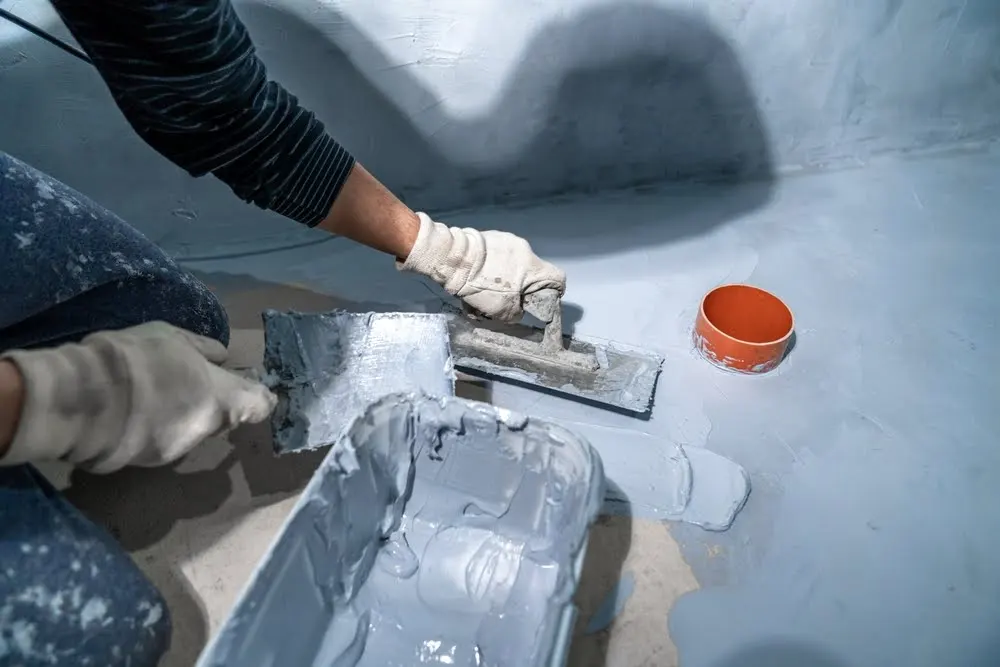
Concrete foundations are designed to support entire structures, yet they constantly face pressure from one persistent force: water. Over time, moisture infiltration can weaken concrete, create structural cracks, and cause long-term damage to buildings. This is why waterproofing is not simply an optional upgrade—it is a fundamental step in protecting a foundation.
Professionals known as concrete waterproofing contractors brooklyn specialize in addressing these risks. Their work involves careful inspection, preparation, and installation of specialized systems that keep water away from concrete surfaces. Companies such as Zavza Seal LLC apply proven methods and materials to ensure that foundations remain dry and structurally stable for years.
Understanding how these contractors approach waterproofing provides valuable insight into the processes that safeguard buildings from moisture-related damage.
Understanding the Importance of Waterproofing Concrete Foundations
Concrete is often considered strong and durable, but it is not naturally waterproof. It contains microscopic pores that allow water to pass through when exposed to moisture for long periods.
Why Concrete Foundations Are Vulnerable to Water
Even though concrete looks solid, it behaves more like a sponge than most people realize. When groundwater or rainwater accumulates around a building, it can slowly seep through these pores. Hydrostatic pressure—the force exerted by water in the soil pushes moisture into the foundation walls.
Over time, this infiltration leads to:
- Surface dampness
- Mold growth
- Interior leaks
- Structural weakening
Water intrusion can begin as a minor issue but eventually escalate into significant structural concerns if left unaddressed.
Long-Term Effects of Water Damage on Foundations
Continuous moisture exposure can cause concrete to deteriorate in several ways:
- Expansion and contraction due to freeze-thaw cycles
- Corrosion of embedded steel reinforcement
- Development of cracks and structural fractures
- Basement flooding or damp interiors
Because of these risks, waterproofing is often incorporated during construction or added later through specialized services.
The Role of Concrete Waterproofing Contractors
Waterproofing is a technical process requiring expertise in structural materials, soil behavior, and moisture control systems.
Specialized Skills and Industry Knowledge
Professional contractors understand how water interacts with concrete and surrounding soil. They analyze environmental conditions, foundation design, and drainage patterns before recommending appropriate waterproofing solutions.
This knowledge allows them to select methods that address both current moisture problems and potential future issues.
Equipment and Materials Used by Professionals
Concrete waterproofing specialists use a variety of tools and materials, including:
- Pressure washers and grinders for surface preparation
- Injection pumps for crack repair
- Waterproof membranes and coatings
- Drainage systems and sump pumps
Each piece of equipment serves a specific purpose in ensuring the waterproofing system functions effectively.
Initial Assessment of the Concrete Foundation
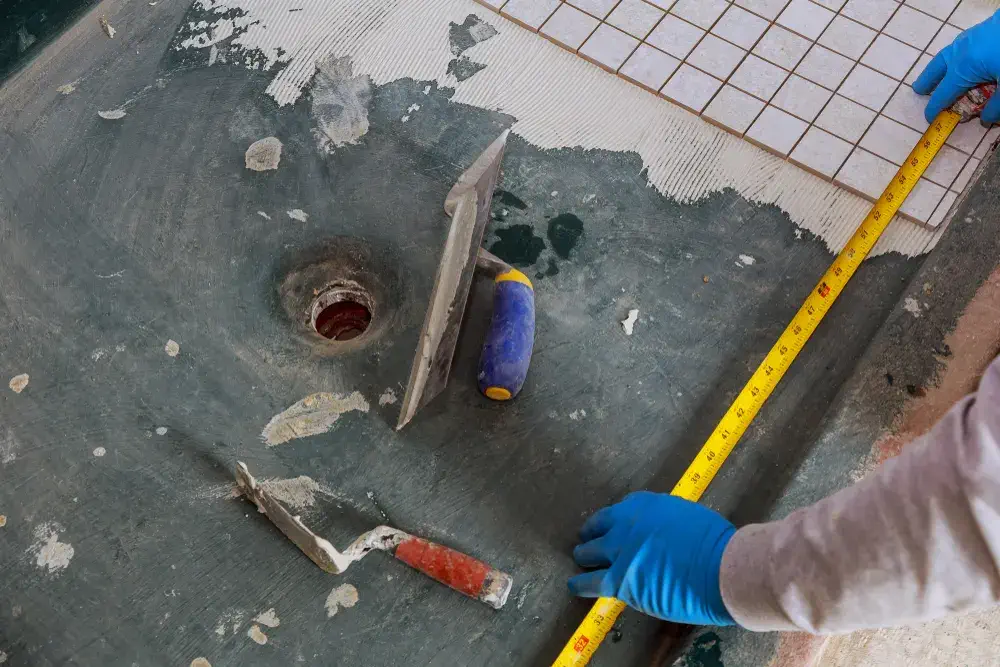
Before any waterproofing work begins, contractors perform a comprehensive inspection of the structure.
Inspecting Surface and Structural Conditions
During this phase, professionals carefully evaluate the entire foundation to determine existing damage or vulnerabilities.
Identifying Cracks and Weak Points
Cracks are one of the most common pathways for water infiltration. Contractors measure crack width, depth, and orientation to determine whether they are structural or non-structural.
Structural cracks may indicate movement in the foundation and require more advanced repair techniques.
Evaluating Drainage Around the Property
Waterproofing does not only involve treating the foundation walls. Contractors also assess external drainage conditions such as:
- Grading around the property
- Downspout placement
- Soil moisture levels
Proper drainage reduces the amount of water that comes into contact with the foundation.
Common Waterproofing Methods for Concrete Foundations
Several techniques can be used to prevent water from entering concrete foundations. The most appropriate method depends on the condition of the structure and the surrounding environment.
Exterior Waterproofing Systems
Exterior waterproofing is often considered the most comprehensive approach because it stops water before it reaches the foundation wall.
Membrane Waterproofing Applications
Contractors frequently install waterproof membranes along the exterior foundation walls. These membranes act as protective barriers that block moisture from penetrating the concrete.
They are typically made from rubberized asphalt, polymer sheets, or other durable materials.
Liquid Waterproof Coatings
Liquid coatings are applied directly onto the concrete surface. Once cured, they form a seamless waterproof layer that prevents water intrusion.
These coatings are particularly effective in areas with irregular surfaces or complex structural details.
Interior Waterproofing Solutions
In some situations, contractors implement waterproofing systems inside the building.
Sealants and Epoxy Injection
Epoxy or polyurethane injections are used to fill cracks in concrete walls. These materials expand and bond with the concrete, preventing water from passing through.
Interior Drainage Systems
Interior drainage systems collect water that enters the foundation and redirect it away from the building. These systems often work together with sump pumps to remove accumulated water.
Crack Repair Before Waterproofing
Waterproofing should never be applied to damaged concrete without repairing underlying issues.
Structural Crack Repair Methods
Structural cracks require reinforcement techniques such as epoxy injection or carbon fiber reinforcement. These methods restore the strength of the concrete while sealing the crack.
Non-Structural Crack Sealing
Hairline cracks that do not affect structural stability can be sealed using flexible sealants. These materials accommodate minor movement while maintaining a waterproof barrier.
Surface Preparation Techniques
Proper surface preparation is essential for successful waterproofing.
Cleaning and Debris Removal
Contractors remove dirt, grease, and debris from the concrete surface using pressure washing or specialized cleaning solutions. A clean surface ensures proper adhesion of waterproofing materials.
Grinding and Smoothing Concrete Surfaces
Grinding machines may be used to smooth uneven surfaces or remove deteriorated concrete. This process creates a uniform base for applying membranes or coatings.
Application of Waterproofing Membranes
Once the surface is prepared, contractors install waterproofing membranes that protect the foundation.
Sheet Membrane Systems
Sheet membranes consist of pre-manufactured waterproof layers applied to the foundation walls. Contractors carefully align and seal these sheets to create a continuous barrier.
Fluid-Applied Membranes
Fluid membranes are sprayed or rolled onto the concrete surface. After curing, they form a flexible waterproof layer capable of bridging small cracks.
Drainage and Moisture Control Strategies
Waterproofing systems often include drainage components to manage groundwater.
French Drain Installation
French drains are perforated pipes installed around the perimeter of a foundation. These pipes collect groundwater and redirect it away from the structure.
Sump Pump Systems
Sump pumps remove water from drainage systems and discharge it safely away from the building.
Quality Assurance and Testing
After installation, contractors conduct testing to confirm that the waterproofing system is functioning properly.
Moisture Testing Procedures
Moisture meters and other diagnostic tools measure the amount of water present in concrete surfaces.
Post-Installation Inspection
Contractors inspect membranes, sealants, and drainage components to ensure proper installation and performance.
Maintenance Recommendations for Waterproofed Foundations
Waterproofing systems require ongoing monitoring to maintain effectiveness.
Routine Inspections
Periodic inspections help identify minor issues before they develop into major problems.
Managing Surface Water Around Foundations
Maintaining proper grading, gutters, and drainage systems reduces water accumulation around the building.
How Environmental Factors Affect Waterproofing
Environmental conditions significantly influence waterproofing strategies.
Soil Type and Groundwater Levels
Clay soils retain more water than sandy soils, increasing hydrostatic pressure against foundations.
Freeze-Thaw Cycles and Climate Impact
In colder climates, water trapped within concrete can freeze and expand, causing cracks. Waterproofing systems help prevent this damage.
Industry Practices Followed by Concrete Waterproofing Contractors Brooklyn
Professionals working in urban environments must address unique challenges related to soil conditions, building density, and groundwater levels.
Standards and Best Practices
Many concrete waterproofing contractors in brooklyn follow established construction standards and waterproofing guidelines to ensure reliable results.
Material Selection Based on Foundation Type
Different foundation types—such as poured concrete or masonry block require specific waterproofing materials and application techniques.
Case Insight: Waterproofing Projects Handled by Zavza Seal LLC
Companies like Zavza Seal LLC illustrate how experienced contractors approach complex foundation waterproofing projects.
Approach to Foundation Evaluation
Contractors typically begin by analyzing structural conditions, drainage patterns, and soil characteristics before selecting a waterproofing system.
Implementation of Multi-Layer Waterproofing Systems
Advanced waterproofing strategies often combine multiple layers, including membranes, drainage boards, and protective coatings, to provide long-term protection.
Future Innovations in Concrete Waterproofing
The waterproofing industry continues to evolve as new technologies emerge.
Advanced Polymer Technologies
Modern waterproofing materials incorporate polymers that improve flexibility and resistance to environmental stress.
Sustainable Waterproofing Materials
Eco-friendly waterproofing products are becoming more common, offering durability while reducing environmental impact.
Zavza Seal LLC Serving the Midwood Community and Beyond in Brooklyn
Zavza Seal LLC is dedicated to serving the diverse needs of the local community of Brooklyn, including individuals residing in neighbourhoods like Midwood. With its convenient location near landmarks such as the “United States Postal Service” and major intersections like Avenue J and E 9th St (coordinates: 40.6247016, -73.9668105), we offer concrete waterproofing contractors.
Get concrete waterproofing contractors at Midwood Now
Call Us or Contact Us: +17184007005
Navigate from West Midwood to Zavza Seal LLC Now
Concrete foundations form the backbone of every building, yet they remain vulnerable to water intrusion without proper protection. Foundation and Waterproofing contractors use a systematic approach that includes inspection, crack repair, surface preparation, and installation of specialized waterproofing systems.
Professionals such as concrete waterproofing contractors brooklyn rely on advanced materials, drainage solutions, and testing procedures to ensure long-term moisture protection. Organizations like Zavza Seal LLC demonstrate how thorough evaluation and carefully applied waterproofing strategies can protect foundations from structural damage.
Understanding these processes highlights the importance of proper waterproofing in maintaining the safety, durability, and longevity of concrete foundations.
How Concrete Waterproofing Contractors Handle Waterproofing for Concrete Foundations
Protecting Your Largest Investment: A Statistical Overview
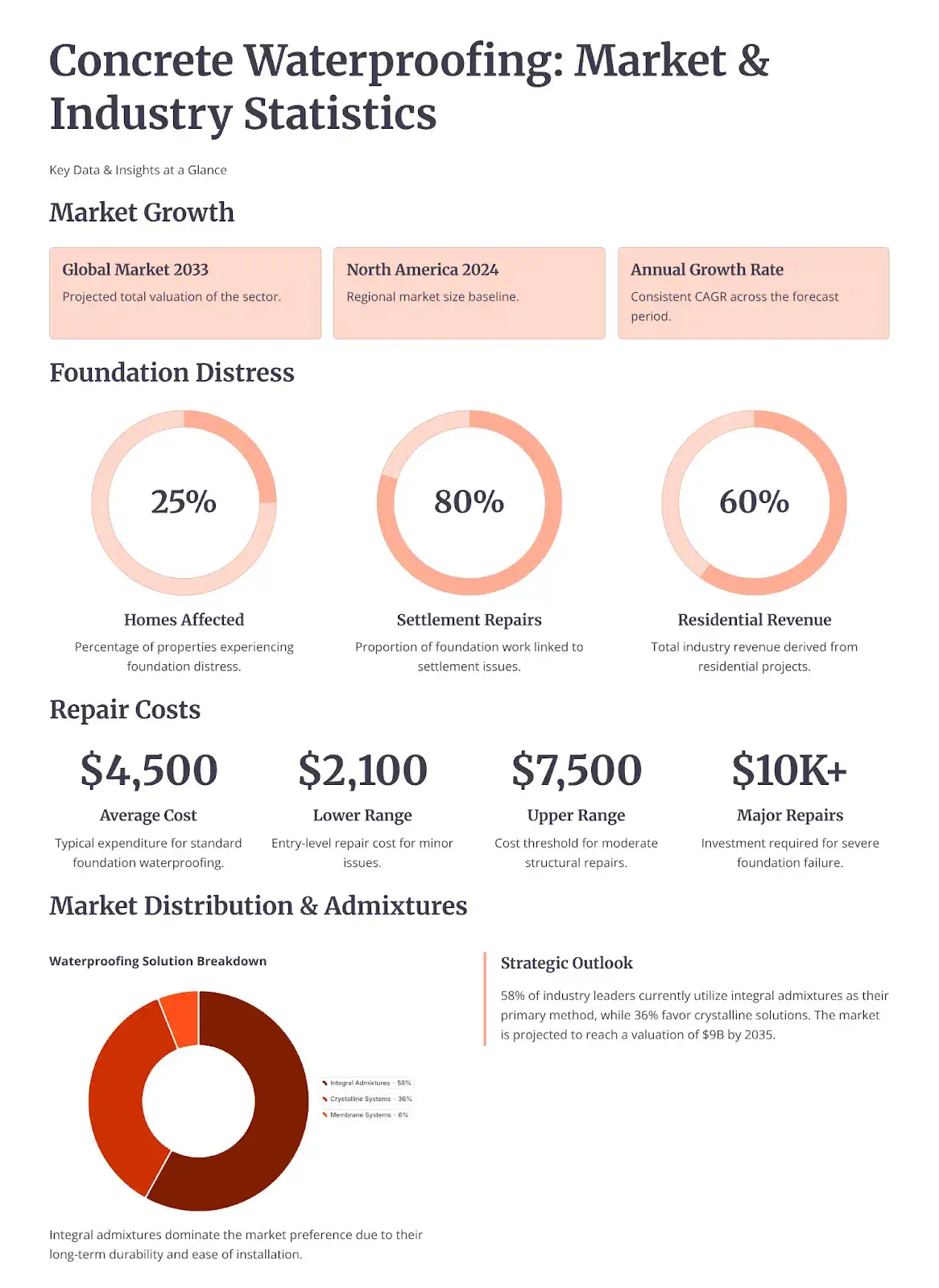
- Market Scale & Growth: The global foundation waterproofing membrane market is projected to reach approximately $25 billion by 2033, growing at a CAGR of 7% from 2025-2033. The North America waterproofing market alone was valued at $8.74 billion in 2024.
- [Chart Idea: A bar chart showing the projected growth of the global foundation waterproofing membrane market from 2025 to 2033.]
- Prevalence of Foundation Issues: Approximately 25% of all homes in the United States will experience some form of structural distress, with settling or sinking foundations being the #1 reason homeowners seek professional advice.
- [Chart Idea: A pie chart illustrating that 25% of homes face structural distress.]
- Common Repair Needs: Settlement accounts for nearly 80% of all foundation repair needs in expansive soil regions. Major foundation repairs involving hydraulic piers can cost upwards of $10,000 to $15,000.
- [Chart Idea: A donut chart highlighting that 80% of foundation repair needs are due to settlement.]
- Contractor Focus: The foundation repair industry is heavily focused on residential homes, accounting for over 60.0% of revenue. The average cost of foundation repair in the US ranges from $2,100 to $7,500, with most homeowners spending an average of $4,500 on stabilization.
- [Chart Idea: A simple infographic showing the average cost range for foundation repair.]
- Waterproofing Solutions: Integral waterproofing admixtures are used in around 58% of total application usage, with crystalline admixture solutions contributing close to 36% of performance-driven demand. The global concrete waterproofing admixture market is projected to reach nearly $9 billion by 2035.
- [Chart Idea: A stacked bar chart showing the market share of different types of waterproofing admixtures.]
Sources:
- Foundation Repair Industry: Data Reports 2026 (WifiTalents)
- Foundation Waterproofing Membrane Report Probes the XXX million Size, Share, Growth Report and Future Analysis by 2033 (Archive Market Research)
- North America Waterproofing Market Size, Share & Trends, 2033 (Market Data Forecast ltd)
- Concrete Waterproofing Admixture Market Size & Share Report, 2035 (Global Growth Insights)
FAQs
1. What is the primary purpose of concrete foundation waterproofing?
The main purpose is to prevent water from penetrating concrete surfaces and causing structural damage, mold growth, or interior moisture problems.
2. How do contractors identify water intrusion points in a foundation?
Contractors inspect cracks, joints, drainage conditions, and soil moisture levels to locate areas where water may enter the structure.
3. What materials are commonly used for concrete waterproofing?
Common materials include waterproof membranes, liquid coatings, epoxy injections, and specialized sealants.
4. Why is drainage important in foundation waterproofing?
Drainage systems reduce hydrostatic pressure by directing water away from the foundation, minimizing the risk of moisture infiltration.
5. Can waterproofing systems protect foundations in areas with high groundwater levels?
Yes. Contractors design waterproofing systems with multiple layers and drainage solutions to manage groundwater pressure effectively.