Basements are valuable spaces in many homes. They can function as storage areas, living rooms, offices, or even entertainment zones. However, these spaces often face one persistent problem moisture intrusion. Basement seepage and damp walls are common issues that develop when water penetrates a home’s foundation or interior surfaces.
Water entering a basement may seem like a minor inconvenience at first. Yet over time, it can damage structural components, create unpleasant odors, and promote mold growth. That’s why homeowners often rely on professional waterproofing solutions to identify the root causes and prevent long-term damage.
Professionals offering brooklyn home waterproofing services focus on identifying where moisture enters the structure and implementing techniques that control or redirect water. Companies such as Zavza Seal LLC apply specialized knowledge, inspection methods, and materials to address basement seepage and damp walls effectively.
This article explores how home waterproofing services work, the causes of basement moisture problems, and the solutions professionals use to maintain a dry and stable foundation.
Understanding Basement Seepage and Damp Walls
Basement seepage occurs when water infiltrates the basement through cracks, porous concrete, or poorly sealed foundations. Damp walls, on the other hand, develop when moisture accumulates inside the wall materials or migrates from the surrounding soil.
Together, these issues create an environment where water slowly penetrates building materials, weakening structural elements and increasing humidity levels indoors.
What Causes Basement Water Seepage?
Water seepage typically originates from several environmental and structural factors:
- Hydrostatic pressure pushing groundwater toward foundation walls
- Cracks in the foundation due to settlement or shifting soil
- Poor exterior drainage systems
- Clogged gutters and downspouts
- Improper grading around the home
When water collects around the foundation, pressure builds against basement walls. Over time, this pressure forces water through even the smallest openings.
Why Damp Walls Are a Common Issue in Homes
Concrete and masonry walls are naturally porous. While they appear solid, they contain microscopic pathways that allow water vapor to move through them.
When moisture accumulates in surrounding soil, these materials absorb water gradually. The result is damp interior walls that feel cool, appear darker in color, or develop peeling paint.
Without proper waterproofing measures, this moisture cycle continues year after year.
Signs That Indicate Waterproofing Problems in a Basement
Early detection is essential when addressing basement moisture issues. Recognizing the warning signs helps prevent structural deterioration and costly repairs.
Visible Indicators of Moisture
Some of the most noticeable signs of basement water problems include:
- Water stains along walls or floors
- White powdery residue known as efflorescence
- Peeling paint or bubbling wall surfaces
- Mold or mildew growth
- Damp carpeting or flooring materials
These signs indicate that water is entering the basement environment in some form.
Structural and Air Quality Warning Signs
Beyond visible water damage, moisture can also affect indoor air conditions and structural stability.
Common indicators include:
- Musty odors caused by mold growth
- Warped wooden beams or framing
- Increased humidity levels
- Cracks expanding in foundation walls
These conditions highlight the importance of professional waterproofing assessment.
The Role of Home Waterproofing Services in Moisture Control
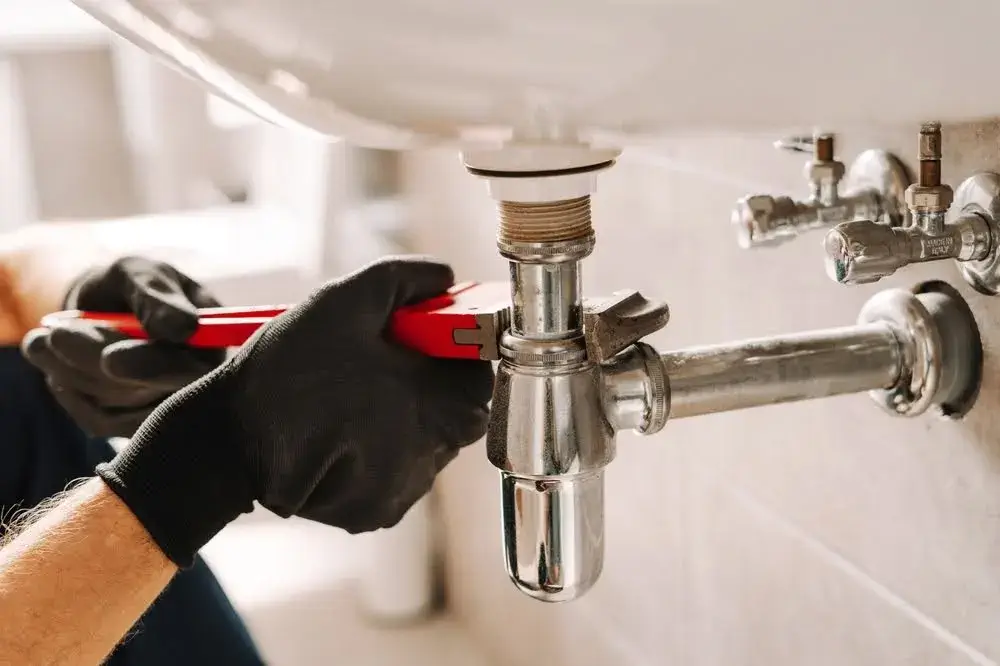
Home waterproofing professionals take a systematic approach to solving basement moisture problems. Rather than simply covering visible damage, they investigate the underlying causes.
Professionals working in home waterproofing services brooklyn often evaluate soil conditions, drainage patterns, and structural features before recommending solutions.
Preventing Long-Term Structural Damage
Water intrusion weakens concrete over time. Continuous moisture exposure can lead to:
- Foundation cracks expanding
- Reinforcing steel corrosion
- Floor slab movement
Waterproofing solutions aim to stabilize these areas and prevent progressive deterioration.
Improving Indoor Air Quality
Basement moisture can influence the entire home’s air environment. Damp spaces encourage mold spores, dust mites, and bacteria to grow.
By eliminating moisture sources, waterproofing services help maintain healthier indoor air conditions.
Interior Waterproofing Methods Used by Professionals
Interior waterproofing focuses on managing water that has already reached the basement environment. These solutions control moisture flow and prevent water from spreading inside the home.
Crack Injection and Sealants
One of the most common interior waterproofing techniques is crack injection.
Professionals inject specialized polyurethane or epoxy materials into foundation cracks. These materials expand and bond with the concrete, sealing pathways where water enters.
This method is particularly effective for narrow cracks caused by minor structural movement.
Interior Drainage Systems
Interior drainage systems collect water that accumulates beneath basement floors and redirect it away from the home.
These systems typically involve:
- Drainage channels installed along basement walls
- Gravel layers beneath floor slabs
- Pipes that carry water toward a sump basin
This design allows water to move away from living spaces before it causes damage.
Sump Pump Installation and Operation
A sump pump is a critical component of many interior waterproofing systems.
It works by:
- Collecting water in a sump basin
- Activating automatically when water reaches a certain level
- Pumping water outside the home through discharge pipes
This process prevents water from pooling inside the basement.
Exterior Waterproofing Solutions for Basement Protection
Exterior waterproofing addresses moisture problems before water reaches the foundation walls. This approach focuses on preventing water from entering the structure at all.
Foundation Waterproof Coatings
Exterior waterproof coatings create a protective barrier between soil moisture and foundation walls.
These coatings may include:
- Liquid waterproof membranes
- Asphalt-based coatings
- Polymer sealants
Once applied, they prevent groundwater from penetrating the concrete surface.
Exterior Drainage Systems
Exterior drainage systems guide water away from foundation walls. These systems work alongside waterproof coatings to reduce hydrostatic pressure.
French Drain Installation
French drains are among the most widely used drainage systems in residential waterproofing.
A typical French drain consists of:
- A perforated pipe
- Gravel surrounding the pipe
- A fabric layer preventing soil clogging
Water enters the pipe through small openings and flows away from the home.
Waterproofing Solutions for Damp Interior Walls
Damp walls often require specialized treatment to control vapor movement and moisture accumulation.
Vapor Barriers and Wall Membranes
Waterproofing professionals may install vapor barriers along interior basement walls.
These membranes:
- Block moisture from entering the basement
- Direct water toward drainage channels
- Protect interior finishes from damage
This system keeps walls dry even when surrounding soil remains saturated.
Dehumidification and Moisture Control
Humidity control plays a major role in preventing damp wall conditions.
Dehumidifiers help maintain balanced moisture levels inside basements by extracting excess water vapor from the air.
When combined with waterproofing systems, they create a stable indoor environment.
Importance of Proper Drainage Around a Home
Exterior drainage is one of the most overlooked factors contributing to basement moisture problems.
Even a well-sealed foundation can experience seepage if water accumulates around it.
Downspout Extensions and Grading
Water should always flow away from the house.
This is achieved through:
- Properly sloped soil grading
- Downspout extensions directing water several feet away from the foundation
- Landscaping designed to prevent water pooling
These simple adjustments significantly reduce water pressure against basement walls.
Gutter Maintenance and Water Flow
Gutters play an essential role in controlling roof runoff.
Clogged gutters can cause rainwater to spill directly near the foundation, increasing the risk of seepage.
Regular cleaning and maintenance ensure proper water diversion.
How Professional Inspections Help Identify Moisture Sources
Accurate diagnosis is the foundation of effective waterproofing. Professionals analyze multiple factors before recommending solutions.
Companies such as Zavza Seal LLC often begin with detailed inspections that identify hidden water pathways.
Foundation and Soil Evaluation
Soil composition affects how water moves around a home.
Clay soils retain water longer, increasing pressure against basement walls, while sandy soils drain more quickly.
Understanding these conditions helps determine the best waterproofing approach.
Moisture Testing Techniques
Professionals may use tools such as:
- Moisture meters
- Infrared cameras
- Humidity sensors
These devices reveal moisture levels behind walls and beneath floors that may not be visible to the eye.
Materials Commonly Used in Basement Waterproofing
Modern waterproofing solutions rely on durable materials designed to withstand moisture exposure and soil pressure.
Waterproof Coatings
Waterproof coatings create a flexible barrier on concrete surfaces.
These coatings resist cracking and prevent water from penetrating foundation walls.
Drainage Boards and Membranes
Drainage boards are installed along exterior foundation walls to guide water downward toward drainage systems.
These boards reduce pressure on waterproof membranes while improving overall drainage efficiency.
Preventive Maintenance After Waterproofing
Even after waterproofing systems are installed, maintenance plays an important role in ensuring long-term performance.
Routine Inspection Practices
Regular inspections should include:
- Checking sump pump functionality
- Examining basement walls for new cracks
- Monitoring humidity levels
These checks help detect issues early.
Moisture Management Inside the Basement
Basement environments should maintain balanced airflow and humidity levels.
Using ventilation systems, dehumidifiers, and moisture-resistant materials can help maintain a dry environment.
Understanding Regional Challenges in Basement Waterproofing
Waterproofing solutions may vary depending on location, soil conditions, and building design.
In dense urban environments, basements often face additional pressure from surrounding structures and underground infrastructure.
Urban Soil Conditions
Urban soils may contain compacted layers that restrict natural drainage. This can cause water to accumulate near foundations more easily.
Waterproofing strategies must account for these conditions.
Climate and Seasonal Moisture
Seasonal rain and snow cycles can significantly affect groundwater levels. During periods of heavy precipitation, hydrostatic pressure around basements increases.
Professional waterproofing systems are designed to manage these fluctuations.
The Value of Professional Expertise in Waterproofing
Waterproofing involves more than sealing cracks or installing drainage pipes. It requires understanding structural engineering principles, soil behavior, and moisture dynamics.
Professionals providing brooklyn home waterproofing services apply these insights to develop comprehensive solutions.
Experience with Structural Systems
Experienced waterproofing specialists understand how foundations respond to pressure, moisture, and shifting soil conditions.
This knowledge allows them to identify vulnerabilities before they worsen.
Customized Waterproofing Approaches
Every home has unique structural features. Effective Ceiling Water Damage Repair strategies must be tailored to the building’s design and environmental conditions.
Organizations such as Zavza Seal LLC evaluate these factors to determine appropriate waterproofing techniques for each situation.
Zavza Seal LLC Serving the West Midwood Community and Beyond in Brooklyn
Zavza Seal LLC is dedicated to serving the diverse needs of the local community of Brooklyn, including individuals residing in neighbourhoods like West Midwood. With its convenient location near landmarks such as the “Khal Ohel Yaakov” and major intersections like Avenue H and Ocean Pkwy (coordinates: 40.6292016, -73.9697749), we offer home waterproofing services.
Get home waterproofing services at West Midwood Now
Call Us or Contact Us: +17184007005
Navigate from West Midwood to Zavza Seal LLC Now
Basement seepage and damp walls are among the most common structural challenges homeowners face. While they may begin as minor moisture problems, they can eventually lead to foundation damage, mold growth, and indoor air quality concerns.
Home waterproofing services address these issues through a combination of inspection, drainage systems, protective coatings, and moisture management techniques. By controlling how water interacts with a home’s foundation, these solutions protect both structural integrity and indoor living conditions.
Professionals experienced in brooklyn home waterproofing services, including specialists at Zavza Seal LLC, focus on identifying the root causes of moisture intrusion and applying proven methods to manage it effectively. Through careful assessment and proper waterproofing systems, basements can remain dry, stable, and functional for years to come.
How Do Home Waterproofing Services Address Basement Seepage and Damp Walls?
The Problem: Common Basement Moisture Entry Points & Their Prevalence
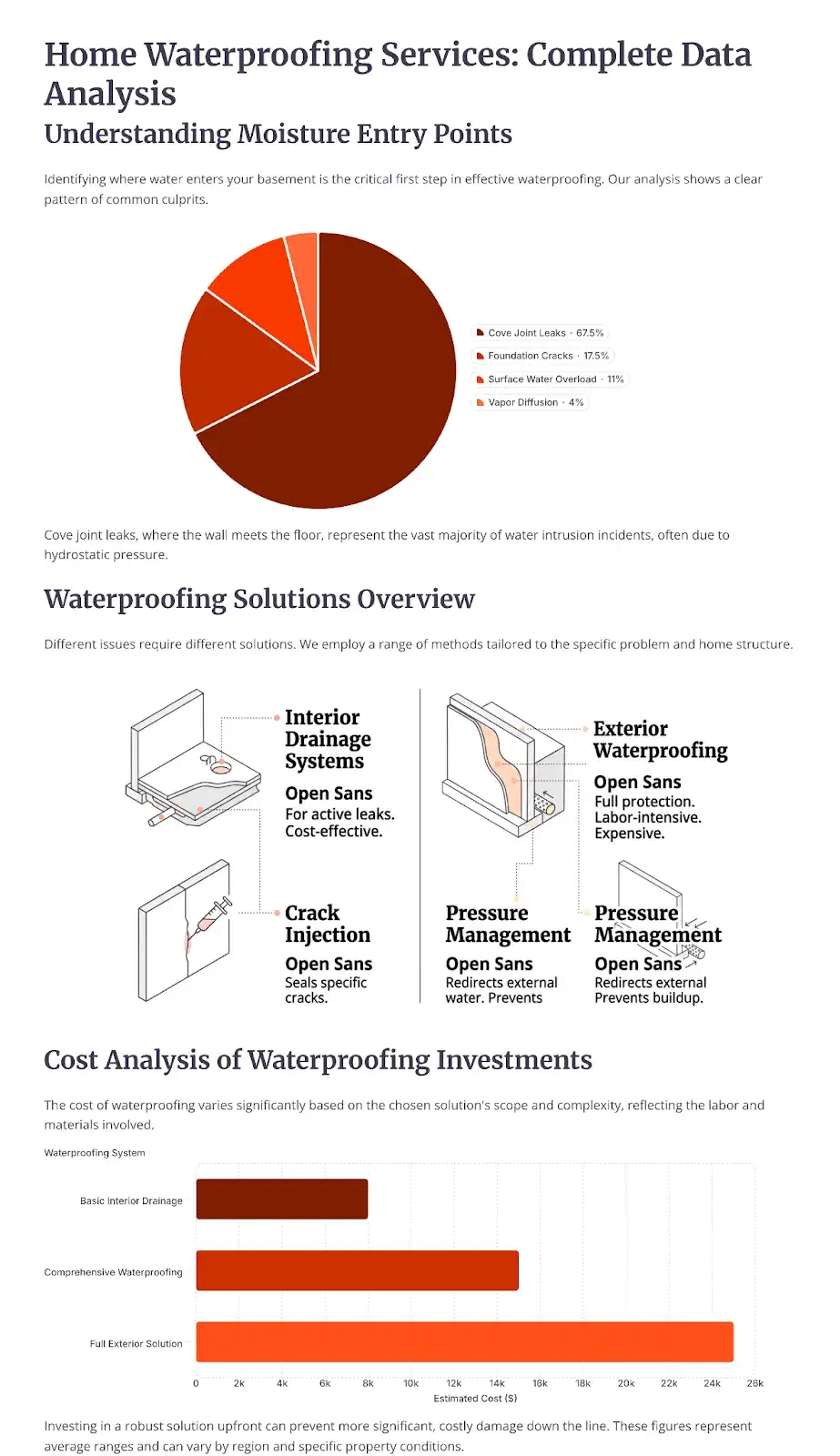
- 65-70% of leaks originate from the Floor-Wall Joint (Cove Joint) due to hydrostatic pressure from beneath the slab. (HBG Civil)
- Foundation Cracks are another significant entry point for lateral hydrostatic pressure. (DryShield)
- Surface water overload from poor grading, downspouts, or saturated soil is a common cause, especially after heavy rain. (DryShield)
- Water vapor diffusion and air movement also contribute to dampness, especially in basements connected to living spaces. (UMN Extension)
The Solution: Professional Waterproofing Strategies
- Interior Drainage Systems: Essential for managing cove joint leaks by collecting water and directing it to a sump pump. (HBG Civil, DryShield)
- Crack Injection: Targeted repairs for foundation cracks to seal water entry points. (DryShield)
- Exterior Waterproofing & Drainage: Creating a barrier on foundation walls and ensuring proper grading and subsurface drainage to divert water away from the home. (DryShield, DOE Building Foundations)
- Hydrostatic Pressure Management: Systems designed to work with physics, not against it, by managing water pressure rather than just blocking it. (HBG Civil)
The Impact: Investing in a Dry Basement
- Homeowners spend $8,000-$25,000 on waterproofing systems, with failures often occurring within 5-7 years due to marketing-driven choices over engineering principles. (HBG Civil)
- Professional, engineered solutions focus on long-term effectiveness, preventing costly recurring repairs and potential health issues from mold growth. (UMN Extension)
Sources: HBG Civil. (2026, January 6). Basement Waterproofing: The Best engineering guide 2026.DryShield. (2026, February 1). Basement Water Leaks & Waterproofing: 2026 Troubleshooting Guide.University of Minnesota Extension. (n.d.). Moisture in basements: causes and solutions. U.S. Department of Energy. (n.d.). DOE Building Foundations Section 3-1 Water/Moisture.
FAQs
1. What is the most common cause of basement seepage?
The most common cause is hydrostatic pressure, which occurs when groundwater accumulates around the foundation and pushes water through cracks or porous concrete.
2. Can damp basement walls lead to mold growth?
Yes. Moist environments create ideal conditions for mold spores to grow on walls, flooring, and stored items in the basement.
3. How do interior drainage systems help control basement water?
Interior drainage systems collect water that enters near the foundation and redirect it to a sump pump, which then removes it from the basement.
4. Why are vapor barriers used on basement walls?
Vapor barriers prevent moisture from passing through foundation walls and entering the basement environment.
5. How often should a basement waterproofing system be inspected?
Experts generally recommend inspecting waterproofing systems at least once a year to ensure drainage systems, sump pumps, and seals are functioning properly.