
A leaking basement can feel like a mystery that refuses to be solved. One day you notice a damp corner. A few weeks later, water stains appear on the wall. Before long, you are wondering where the moisture is coming from and whether the problem is getting worse.
The truth is that basement leaks rarely appear without warning. Water usually follows a path, and finding that path is the key to solving the problem. Experienced professionals understand that successful waterproofing begins with accurate diagnosis rather than assumptions.
Many property owners search for the best waterproofing contractors brooklyn because identifying the true source of a leak requires a methodical approach. Companies such as Zavza Seal LLC often emphasize inspection and investigation before recommending any solution because treating symptoms without finding the cause can lead to recurring problems.
Let’s explore how experienced waterproofing professionals determine where basement leaks originate and why this process is so important.
Why Finding the True Leak Source Matters
Imagine treating a fever without discovering the infection causing it. The symptom may temporarily disappear, but the underlying issue remains.
Basement leaks work the same way.
Water can enter from multiple locations while appearing in a completely different area. A puddle in one corner may actually originate from a crack several feet away. Without identifying the true source, repairs may fail to address the actual problem.
Proper diagnosis helps:
- Prevent recurring leaks
- Reduce structural damage
- Improve indoor air quality
- Protect stored belongings
- Avoid unnecessary repairs
How Water Enters a Basement
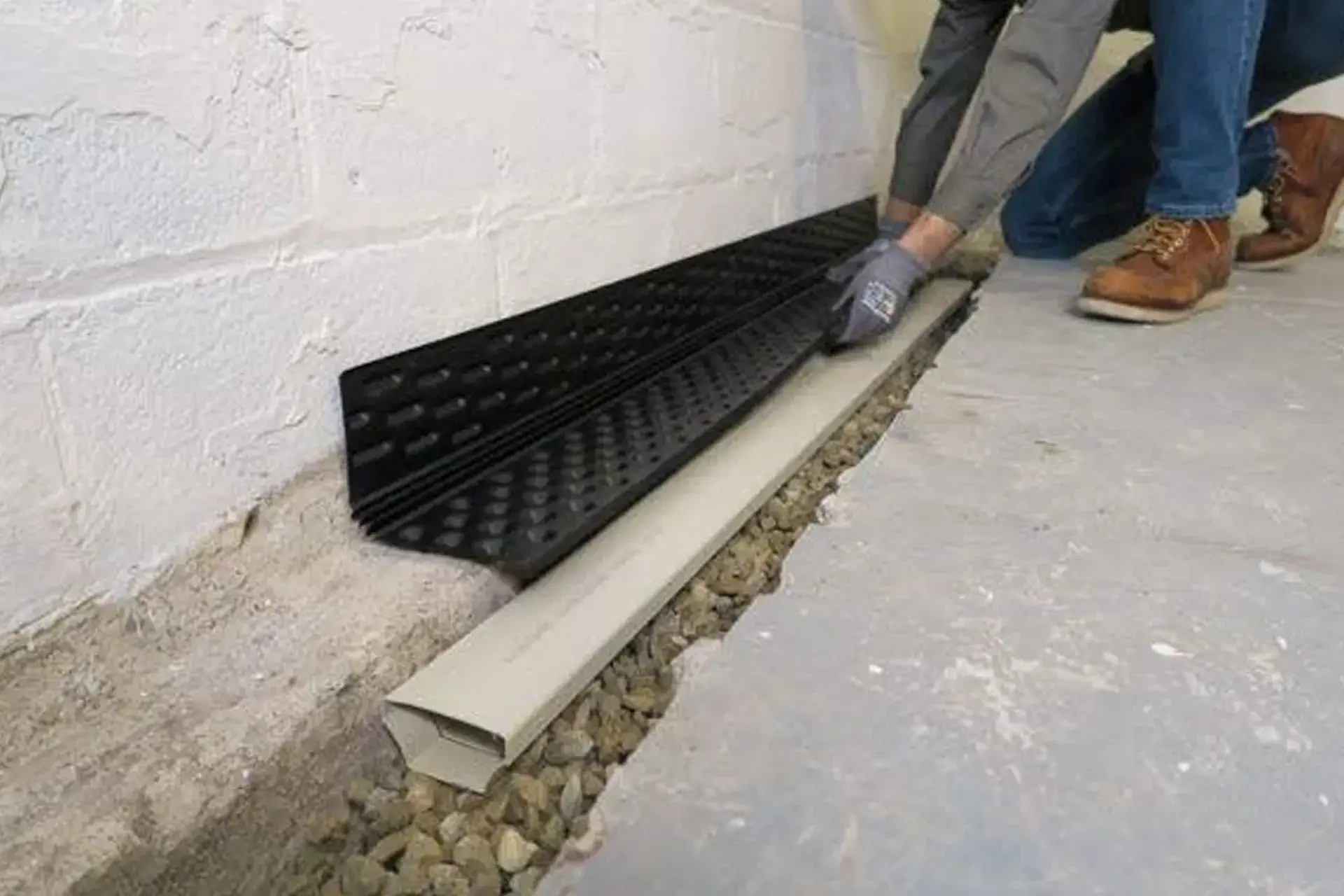
Before finding a leak source, professionals first understand how water behaves around a building.
Water naturally follows the path of least resistance. Gravity, pressure, and soil conditions all influence where moisture travels.
Surface Water Problems
Surface water is one of the most common causes of basement moisture.
Rainwater may accumulate around a foundation due to:
- Poor grading
- Overflowing gutters
- Short downspouts
- Blocked drainage paths
When water remains near the foundation, it eventually finds ways to enter through weak points.
Groundwater Pressure Issues
Groundwater creates pressure beneath and around the foundation.
This phenomenon, often discussed when explaining hydrostatic pressure, can force water through tiny openings that might otherwise remain dry.
Even a small crack can become a pathway when enough pressure exists outside the foundation wall.
Initial Basement Inspection Process
The investigation usually starts inside the basement.
Professionals carefully observe visible clues before making conclusions.
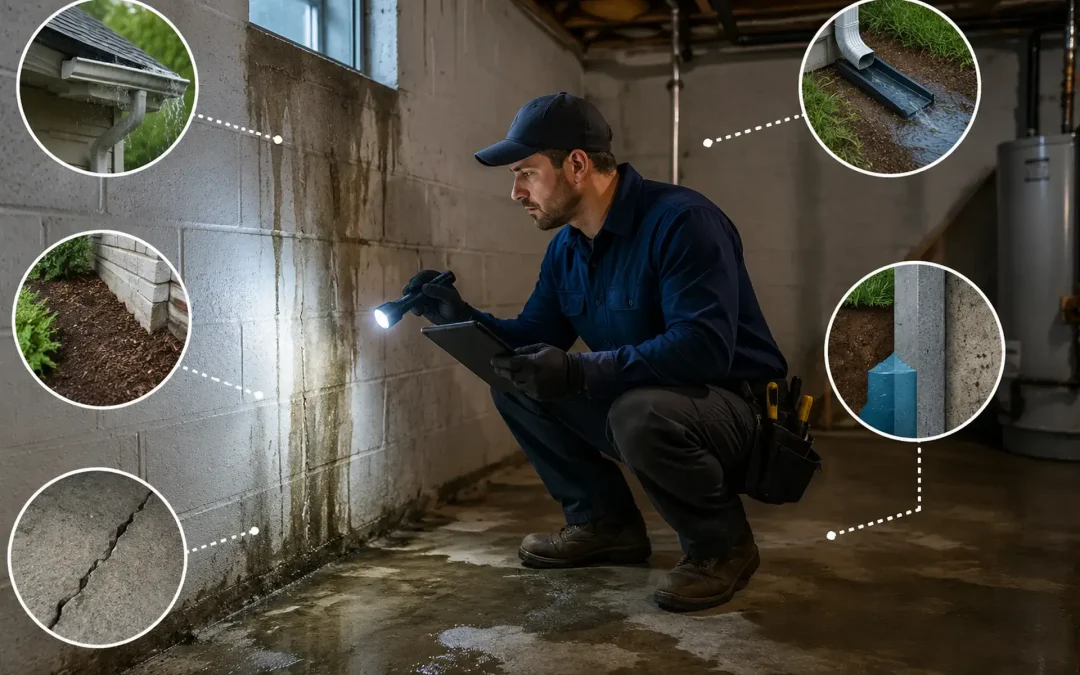
Examining Visible Water Patterns
Water leaves evidence.
Experienced inspectors look for:
- Water trails
- Damp spots
- Efflorescence
- Mold growth
- Discoloration
These patterns often reveal how water travels after entering the structure.
Identifying Moisture Stains
Stains can tell a story.
Fresh stains may indicate active leakage, while older stains can suggest recurring seasonal problems.
The location, shape, and size of moisture marks often help narrow down potential entry points.
Investigating Foundation Cracks
Foundation cracks are among the first areas examined during leak detection.
However, not every crack leaks.
Professionals assess the type, direction, and condition of each crack.
Vertical Cracks
Vertical cracks are relatively common and often result from natural settling.
Although many remain harmless, some can allow water intrusion during heavy rainfall.
Horizontal Cracks
Horizontal cracks receive special attention because they may indicate significant soil pressure against foundation walls.
These cracks often require a more detailed structural evaluation.
Stair-Step Cracks
Stair-step cracks frequently appear in masonry block foundations.
Water can enter through mortar joints, making these cracks potential moisture pathways.
Evaluating Exterior Drainage Systems
Basement leak investigations extend beyond the interior.
Many problems originate outside the structure.
Gutters and Downspouts
Gutters serve as the first line of defense against foundation water problems.
Inspectors examine:
- Clogs
- Overflow patterns
- Damaged sections
- Improper connections
Downspouts should direct water well away from the building.
Grading Around the Property
The ground surrounding a home should slope away from the foundation.
If soil slopes toward the structure, water naturally collects near foundation walls.
Even minor grading issues can contribute to long-term moisture problems.
Testing for Hydrostatic Pressure
Hydrostatic pressure is often an invisible force behind basement leaks.
When soil becomes saturated, water pressure increases around foundation walls.
Inspectors look for warning signs such as:
- Wall seepage
- Floor cracks
- Bowing walls
- Persistent dampness
These indicators help determine whether groundwater pressure is contributing to the leak.
Checking Basement Windows and Entry Points
Basement windows frequently allow water intrusion.
Inspectors examine:
- Window wells
- Drainage systems
- Window frames
- Sealants
Water can also enter through utility penetrations where pipes, cables, and conduits pass through foundation walls.
These openings often develop gaps over time.
Using Moisture Detection Technology
Modern waterproofing assessments often combine experience with technology.
Advanced tools help identify hidden moisture.
Moisture Meters
Moisture meters measure water content within building materials.
These devices help locate damp areas that may not be visible to the naked eye.
Thermal Imaging Cameras
Thermal imaging detects temperature differences associated with moisture.
Water often cools surrounding materials, creating patterns visible through infrared technology.
This allows inspectors to track hidden moisture behind walls and beneath flooring.
Assessing Plumbing Leaks
Not every basement leak originates outside the home.
Sometimes the source is internal.
Professionals inspect:
- Water supply lines
- Drain pipes
- Water heaters
- HVAC systems
- Washing machine connections
A plumbing leak can mimic foundation seepage, making careful diagnosis essential.
Examining Sump Pump Performance
A sump pump plays an important role in managing groundwater.
When a sump system malfunctions, water accumulation can increase dramatically.
Inspectors evaluate:
- Pump operation
- Float switches
- Discharge lines
- Backup systems
A failing sump pump may contribute to recurring basement moisture problems.
Seasonal Factors That Influence Basement Leaks
Weather patterns often provide important clues.
Professionals compare leak occurrences with seasonal conditions.
For example:
- Spring snowmelt may increase groundwater pressure.
- Summer storms can overwhelm drainage systems.
- Autumn debris may clog gutters.
- Winter freeze-thaw cycles can enlarge cracks.
Tracking seasonal patterns helps identify the most likely source.
Common Leak Sources Often Misdiagnosed
Basement leaks are not always straightforward.
Several issues frequently get mistaken for one another.
Examples include:
- Condensation mistaken for seepage
- Plumbing leaks mistaken for foundation cracks
- Window leaks mistaken for wall penetration
- Surface runoff mistaken for groundwater intrusion
Accurate diagnosis prevents unnecessary repairs.
How Documentation Helps Confirm the Cause
Experienced inspectors document findings throughout the evaluation process.
This may include:
- Photographs
- Moisture readings
- Drainage observations
- Crack measurements
- Weather correlations
Detailed records help confirm patterns and support accurate conclusions.
The Role of Comprehensive Waterproofing Analysis
Determining the source of basement leaks rarely depends on a single observation.
Instead, professionals combine multiple findings to build a complete picture.
For example, moisture on a wall may be linked to poor grading, overflowing gutters, and elevated groundwater levels simultaneously.
This holistic approach is one reason why many homeowners researching the best waterproofing contractors in brooklyn focus on companies that emphasize detailed inspections before recommending solutions.
A thorough understanding of basement waterproofing services can also help property owners recognize how different waterproofing systems address different leak sources.
Preventing Future Basement Water Problems
Once the source has been identified, prevention becomes much easier.
Key preventive measures often include:
- Maintaining gutters regularly
- Extending downspouts
- Improving grading
- Monitoring foundation cracks
- Testing sump pumps
- Managing groundwater around the foundation
- Reducing moisture buildup indoors
Routine inspections can help identify small issues before they become major concerns.
Zavza Seal LLC Serving the West Midwood Community and Beyond in Brooklyn
Tidyland Cleaning Services is dedicated to serving the diverse needs of the local community of Brooklyn, including individuals residing in neighbourhoods like West Midwood. With its convenient location near landmarks such as the Chaim Berlin Hall and major intersections like Avenue I and E 13th St (coordinates: 40.6269516, -73.963846), we offer best waterproofing contractors services.
Get best waterproofing contractors services at West Midwood Now
Call Us or Contact Us: +17184007005
Navigate from West Midwood to Zavza Seal LLC Now
Determining the source of a basement leak is a process that combines observation, experience, technology, and structural knowledge. Water rarely announces where it entered. Instead, it leaves clues that trained professionals must interpret carefully.
The most effective waterproofing investigations begin by understanding how water behaves around a structure and systematically evaluating every possible entry point. From foundation cracks and groundwater pressure to drainage problems and plumbing leaks, each potential cause requires careful examination.
Organizations such as Zavza Seal LLC often highlight the importance of proper diagnosis because lasting solutions depend on identifying the true source rather than simply addressing visible symptoms. When the root cause is accurately determined, homeowners gain a clearer path toward protecting their property from future water damage.
How Do the Best Waterproofing Contractors Determine the Source of Basement Leaks?
- 98% of basements will experience some form of water damage. This staggering statistic underscores the near-universal vulnerability of basements to leaks, making expert diagnosis essential.
- $13 billion is the estimated annual cost of water damage in U.S. houses. This massive financial impact highlights the economic imperative for accurate leak source identification to prevent costly repairs and property devaluation.
- 1 in 50 insured homes experience a property damage claim from water damage or freezing each year. This frequency demonstrates that basement leaks are not rare occurrences but a common threat to homeowners.
- Over 60% of current homes with basements have a moisture problem. This indicates a widespread issue that often goes undetected or is misdiagnosed, emphasizing the need for professional assessment.
- Water damage and mold can reduce a property’s value by 25%. This significant devaluation underscores the long-term consequences of unresolved leaks and the importance of precise source determination for property preservation.
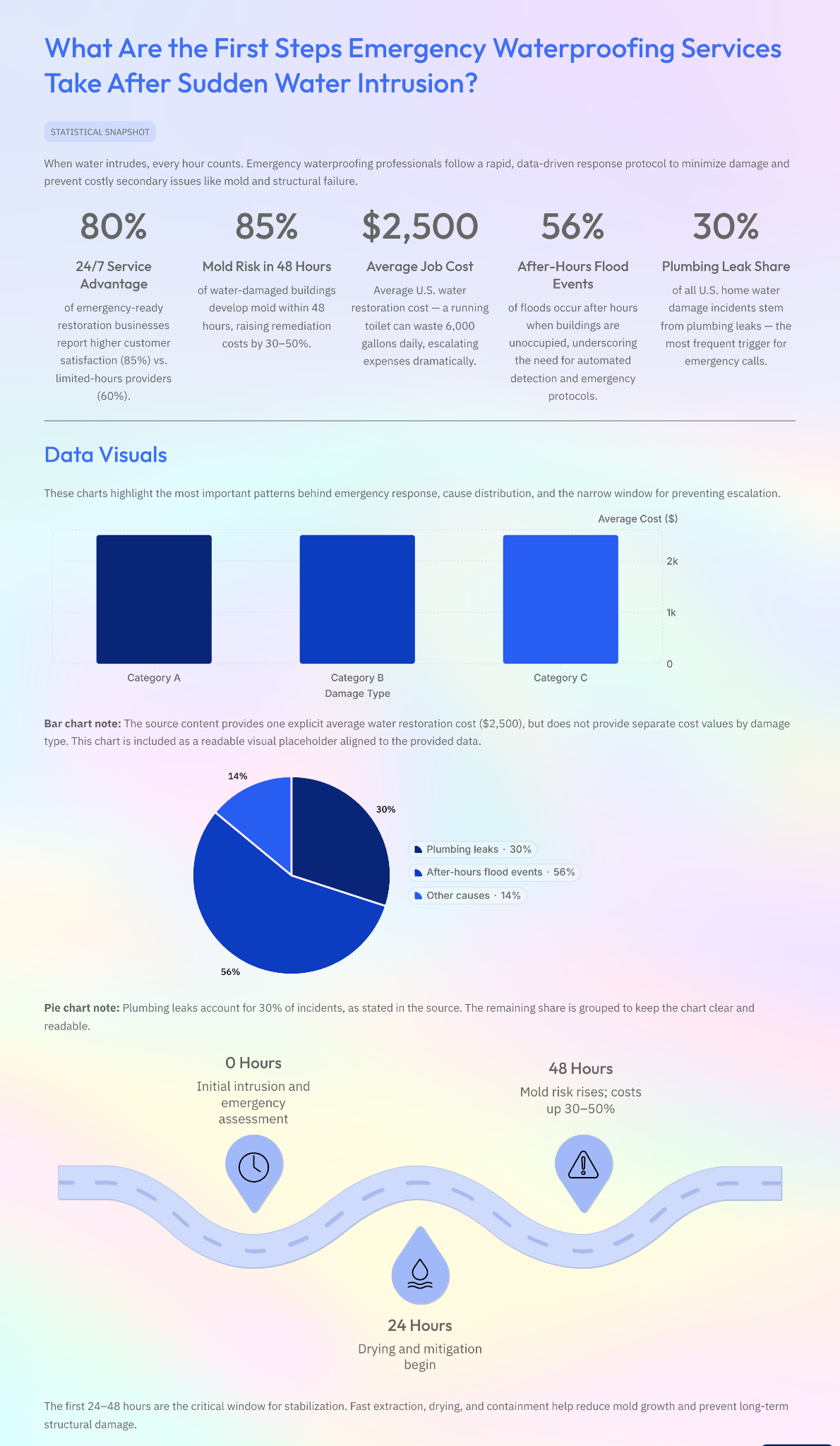
Sources: Regional Foundation Repair (June 22, 2023), Insurance Information Institute (unverified date)
Frequently Asked Questions
1. How can professionals tell if a basement leak comes from outside or inside the home?
They compare moisture patterns, inspect plumbing systems, evaluate drainage conditions, and use moisture detection tools to determine whether water originates externally or internally.
2. What is the most common cause of basement leaks?
Poor exterior drainage is one of the most common causes, including clogged gutters, inadequate grading, and improperly directed downspouts.
3. Can a small foundation crack cause significant water intrusion?
Yes. Even minor cracks can allow water penetration when hydrostatic pressure outside the foundation becomes strong enough.
4. Why do basement leaks sometimes appear far from the actual source?
Water travels along walls, floors, and structural components before becoming visible, making the leak location different from the entry point.
5. How often should a basement be inspected for moisture issues?
A thorough inspection at least once per year and after major storms can help identify potential problems before they become serious.