
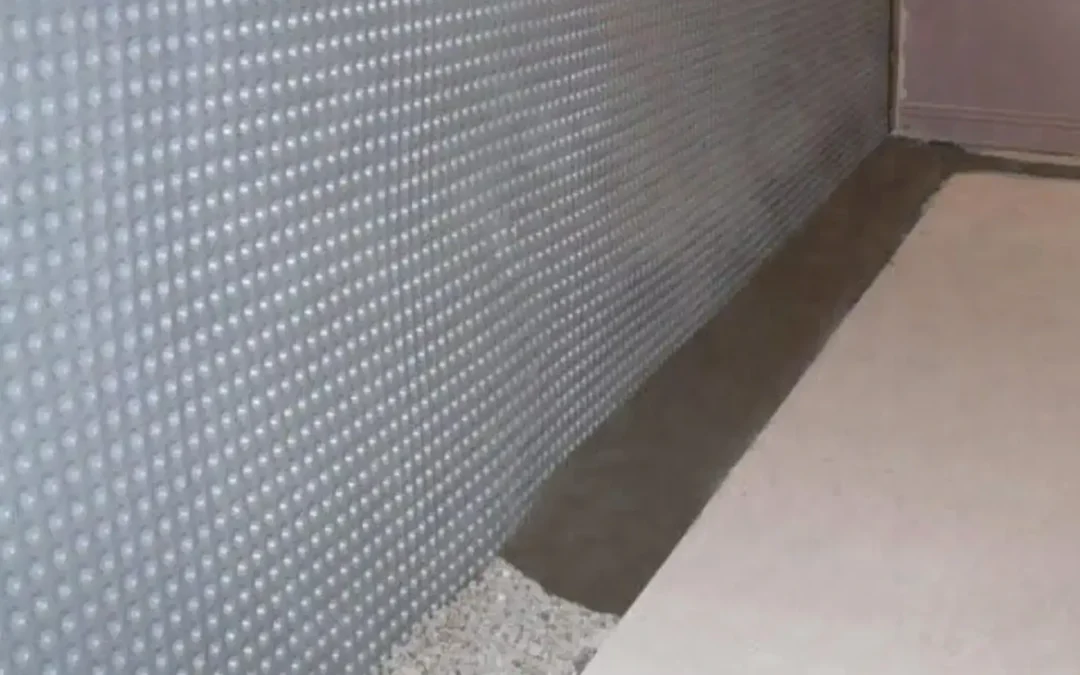
Have you ever walked into a basement and instantly noticed that damp, stale smell? That familiar musty odor is more than just unpleasant—it often signals moisture problems hiding below the surface. Many homeowners ignore it at first, thinking it is normal for lower levels of a house. But in reality, that smell can be a warning sign of mold growth, trapped humidity, and water intrusion.
This is where interior foundation waterproofing brooklyn becomes an important topic for property owners. Moisture around foundations is common in older and newer homes alike, especially in areas where seasonal weather changes and dense construction can affect drainage. Companies such as Zavza Seal LLC often educate homeowners about how controlling indoor moisture can help maintain healthier living spaces.
Let’s break down exactly how interior foundation waterproofing helps stop mold and eliminate musty odors before they become serious issues.
What Causes Mold and Musty Odors Indoors?
Mold and unpleasant smells do not appear out of nowhere. They need specific conditions to develop.
Hidden Moisture Behind Walls
Water can seep through foundation cracks, porous concrete walls, or floor joints. Even a slow trickle that goes unnoticed can create damp conditions behind drywall or beneath flooring.
Humidity and Poor Ventilation
Basements and lower levels naturally trap cooler air. When warm humid air meets those cool surfaces, condensation forms. Think of it like water droplets on a cold glass in summer. That moisture can feed mold spores quickly.
Understanding Interior Foundation Waterproofing
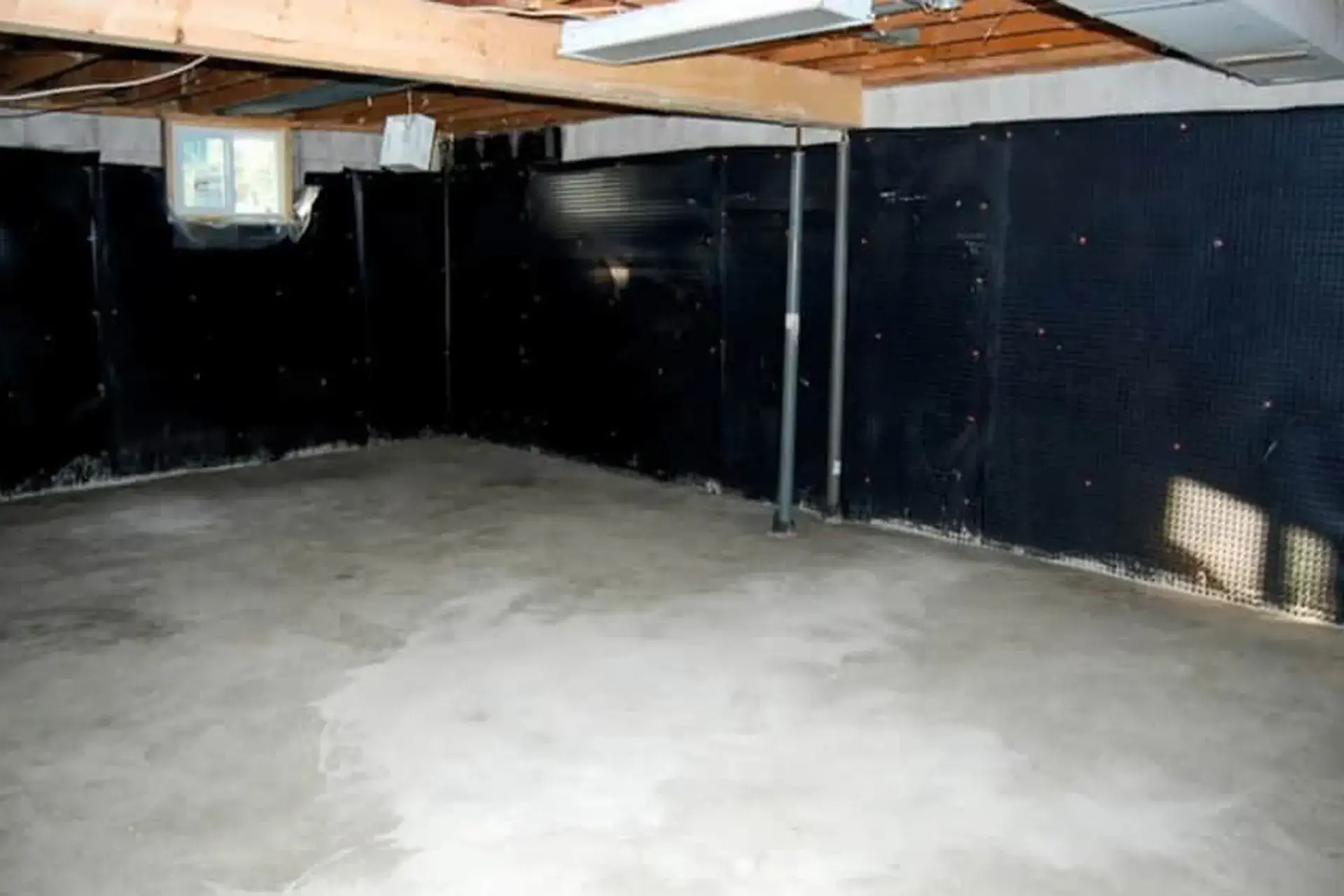
Interior waterproofing focuses on managing and redirecting water that enters or threatens the inside of the foundation space.
How It Differs from Exterior Waterproofing
Exterior systems often involve digging around the foundation and sealing outside walls. Interior systems work from inside the home, targeting seepage points, drainage channels, sump systems, vapor barriers, and moisture control.
Common Interior Waterproofing Methods
Some common solutions include:
- Interior drainage systems
- Sump pump installation
- Crack sealing
- Vapor barriers
- Dehumidification support
- Moisture-resistant wall systems
These methods help keep water from lingering indoors.
Why Mold Loves Damp Foundations
Mold is opportunistic. Give it moisture, darkness, and organic material, and it moves in fast.
Organic Materials as Food Sources
Wood framing, paper-backed drywall, carpet padding, dust, and cardboard stored in basements all provide nutrients for mold.
Warm, Dark, Damp Conditions
Foundations often create enclosed spaces with little airflow. That combination acts like a greenhouse for fungal growth.
How Waterproofing Stops Mold Growth
Interior waterproofing interrupts the conditions mold needs to survive.
Reducing Water Intrusion
If seepage through walls or floors is controlled, standing moisture disappears. Without constant dampness, mold spores struggle to colonize surfaces.
Lowering Humidity Levels
Many interior systems work together with drainage and dehumidification. Lower humidity means fewer condensation issues and a drier basement overall.
It is like taking away oxygen from a fire once moisture is removed, mold loses momentum.
How Waterproofing Eliminates Musty Odors
That basement smell is often caused by microbial growth, damp materials, and stagnant air.
When interior waterproofing addresses the source of moisture:
- Wet surfaces dry out
- Mold activity decreases
- Mildew smell fades
- Air feels fresher
- Stored belongings stay cleaner
Odors rarely disappear permanently until moisture control happens first.
Warning Signs You Need Waterproofing
Some clues are subtle, while others are obvious.
Visible Water Stains
Brown marks on walls or chalky white residue on concrete can indicate past or present moisture intrusion.
Persistent Damp Smells
If the area smells earthy or stale even after cleaning, moisture may be trapped in unseen places.
Other signs include:
- Peeling paint
- Warped flooring
- Rust on appliances
- Condensation on pipes
- Increased allergy symptoms indoors
Long-Term Health Benefits of a Dry Basement
Indoor air quality matters more than many people realize. Air from lower levels often rises through the home, carrying particles with it.
A dry foundation can help reduce:
- Mold spores in the air
- Dust mite activity
- Allergy triggers
- Respiratory irritation
- Lingering damp smells upstairs
Cleaner air often starts below ground level.
Protecting Home Structure and Value
Moisture does not only affect air quality. It can also damage materials over time.
Repeated dampness may lead to:
- Rotting wood supports
- Rusting metal fixtures
- Cracked finishes
- Damaged insulation
- Weakened flooring systems
Interior foundation waterproofing helps preserve the structure by keeping those materials dry.
Why Brooklyn Homes Need Extra Attention
Homes in urban environments often face unique moisture challenges. Older foundations, neighboring structures, shifting soil, and aging drainage systems can all contribute to seepage.
That is why discussions around interior foundation waterproofing in brooklyn are especially relevant. Property owners in dense neighborhoods frequently need proactive moisture control to protect finished basements and storage areas.
Professionals such as Zavza Seal LLC often highlight that no two foundations behave exactly the same, which is why inspections matter.
Role of Professional Assessment
Every moisture problem has a cause. Some come from cracks. Others come from grading issues, plumbing leaks, or condensation.
A professional assessment helps determine:
- Where water enters
- Whether humidity is the real issue
- If drainage is blocked
- What waterproofing method fits best
- Whether mold remediation is also needed
Treating symptoms without finding the cause is like mopping a floor while the faucet is still running.
Maintenance Tips After Waterproofing
Once waterproofing is completed, homeowners can help maintain results.
Simple Ongoing Habits
- Keep gutters clear
- Extend downspouts away from the home
- Monitor sump pumps regularly
- Use a dehumidifier if needed
- Avoid storing cardboard on floors
- Inspect walls seasonally for moisture signs
These habits support a consistently dry environment.
How Moisture Affects Everyday Comfort
Even if mold is not visible, dampness changes how a home feels.
A moist basement often feels:
- Colder in winter
- Sticky in summer
- Stale year-round
- Less inviting for storage or living use
Dry spaces feel more usable, cleaner, and easier to maintain.
Can Waterproofing Help Finished Basements?
Absolutely. Finished basements contain drywall, flooring, furniture, and electronics—all materials more vulnerable to moisture damage than bare concrete.
Interior waterproofing helps protect these investments by keeping hidden moisture from accumulating behind walls or under floors.
The Connection Between Smell and Moisture
If you notice odors strongest after rain or humid weather, that often points to moisture movement through the foundation.
Think of musty smell as the basement’s warning alarm. It may be quiet, but it is trying to tell you something.
Zavza Seal LLC Serving the Midwood Community and Beyond in Brooklyn
Zavza Seal LLC is dedicated to serving the diverse needs of the local community of Brooklyn, including individuals residing in neighborhood like Midwood. With its convenient location near landmarks such as the Morton Zinberg and major intersections like Ocean Pkwy and Avenue J(coordinates: 40.6247016, -73.9697749), we offer interior foundation waterproofing services.
Get interior foundation waterproofing Services at Midwood Now
Call Us or Contact Us: +17184007005
Navigate from Midwood to Zavza Seal LLC Now
Interior foundation waterproofing is one of the most effective ways to prevent mold and eliminate musty odors because it tackles the root cause: excess moisture. By controlling seepage, lowering humidity, and creating a drier environment, homeowners can improve indoor air quality, protect structural materials, and enjoy a fresher lower level.
For many urban homes, especially where moisture issues are common, interior foundation waterproofing brooklyn remains a valuable preventive measure. Educational insights from professionals like Zavza Seal LLC continue to help homeowners understand why a dry foundation matters so much.
How Interior Foundation Waterproofing Helps Prevent Mold and Musty Odors
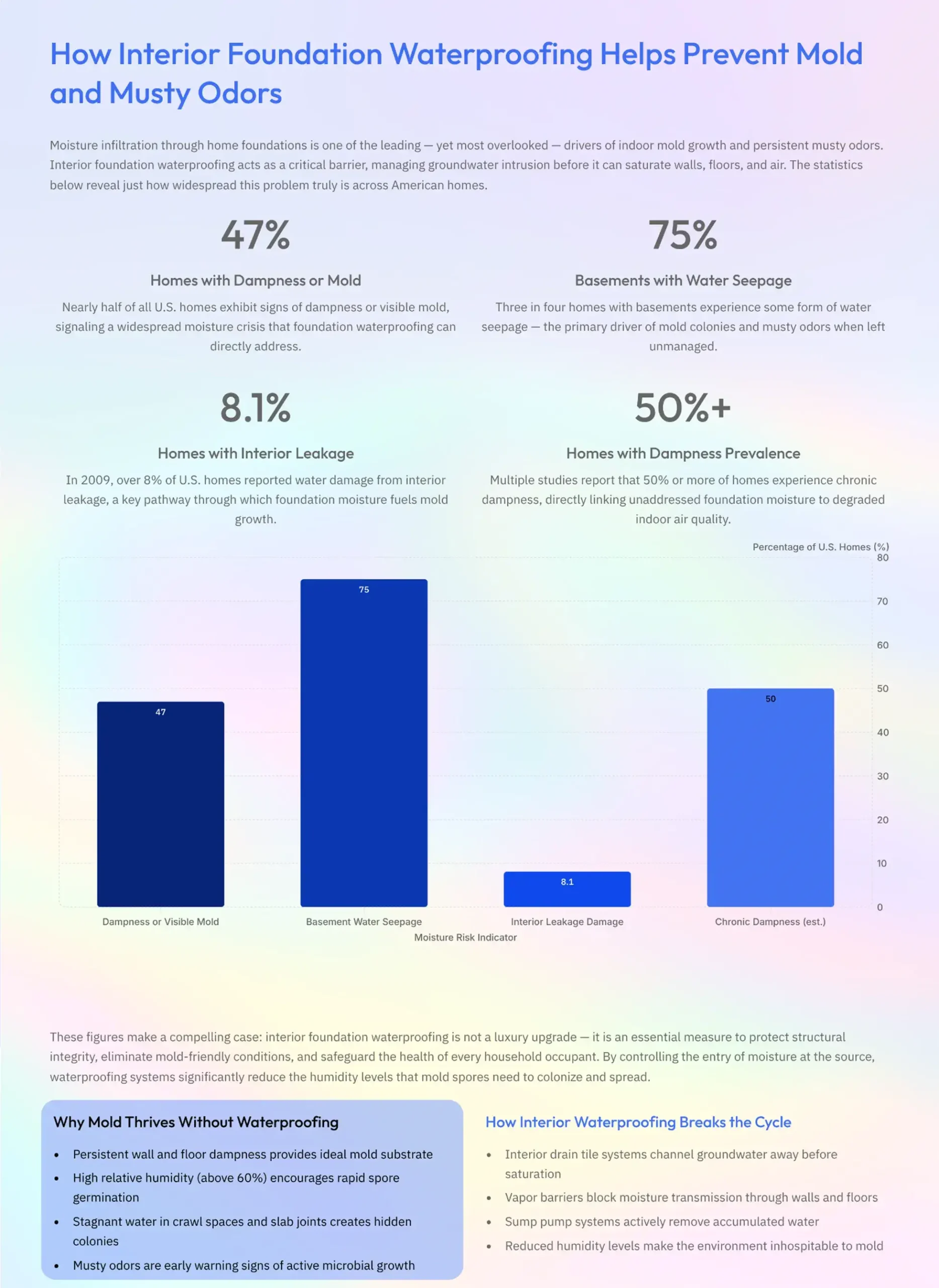
- Nearly Half of U.S. Homes Have Dampness or Mold: Approximately 47% of U.S. homes exhibit signs of dampness or visible mold. This widespread issue underscores the critical need for proactive moisture control.
- Interior Leakage is a Significant Factor: In 2009, 8.1% of U.S. homes reported water damage specifically from interior leakage, a key pathway for moisture to enter and foster mold growth within the foundation.
- The Impact of Dampness: Studies show a considerable variation in prevalence, with some reporting 50% or more of homes experiencing dampness or mold, directly linking foundation moisture to these pervasive indoor air quality problems.
- Foundation Water Damage: A substantial 75% of homes with basements experience some form of water seepage, a primary contributor to mold and musty odors if not properly managed by foundation waterproofing.
Sources: iaqscience.lbl.gov, pearlscore.com, mychemicalfreehouse.net
FAQs
1. How does interior waterproofing help stop mold?
It reduces water intrusion and humidity, removing the damp conditions mold needs to grow.
2. Can musty odors return after waterproofing?
They can if another moisture source develops, such as plumbing leaks or poor ventilation.
3. Is a damp smell always mold?
Not always, but it often indicates trapped moisture that can eventually lead to mold.
4. How long does waterproofing protection last?
That depends on the system used, installation quality, and regular maintenance.
5. Why is interior foundation waterproofing brooklyn important for homeowners?
Because many properties deal with moisture challenges related to age, weather, drainage, and dense surrounding construction.