
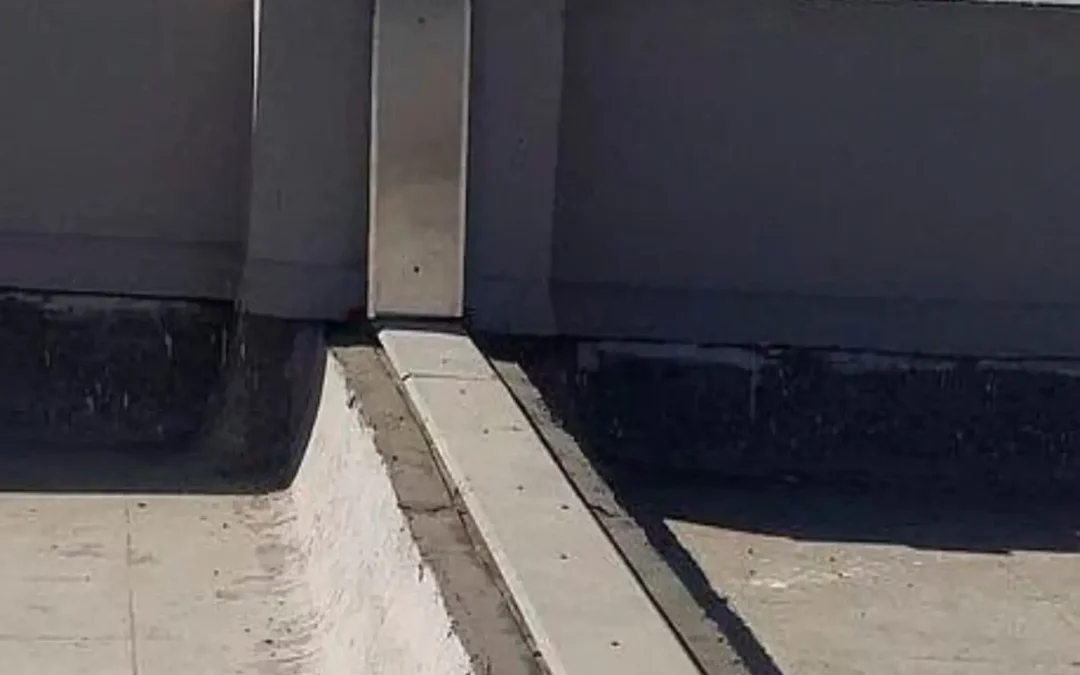
Introduction to Roof Joint Protection
Your roof is like a shield standing guard over your property every single day. It takes hits from rain, wind, heat, snow, and debris without asking for much in return. But even the toughest roof has weak spots. Those weak spots are often the joints and seams where roofing materials connect.
These connection points may seem small, yet they play a huge role in roof performance. If joints fail, water gets inside. Once moisture enters, it can spread silently through insulation, decking, walls, and ceilings. That is why many property owners look into roof waterproofing services brooklyn to help reinforce these vulnerable areas.
Understanding how waterproofing works at roof joints and seams can help you protect your investment and avoid long-term structural issues.
Why Roof Joints and Seams Are Vulnerable
Roof joints and seams are where two roofing sections meet. Anytime materials join together, movement and wear can create openings over time.
Expansion and Contraction Damage
Roofs constantly expand in heat and contract in cold weather. Think of it like breathing in and out every day. This repeated motion stresses seams and fasteners. Over months or years, tiny gaps may form.
Water Pooling Around Seams
Flat and low-slope roofs often hold standing water after heavy rain. If seams are slightly raised or damaged, water can sit near them for hours or days. That increases the chance of leakage.
Wind Pressure
Strong winds can lift roofing edges or stress overlapping materials. Once seams loosen, wind-driven rain can penetrate quickly.
Aging Materials
Even premium roofing systems age over time. Sealants dry out, adhesives weaken, and membranes lose flexibility. Older seams become more fragile and prone to cracking.
What Roof Waterproofing Means
Roof waterproofing is the process of applying protective systems that prevent water penetration. These systems may include coatings, membranes, sealants, flashing upgrades, and reinforcement layers.
Instead of allowing water to find weak spots, waterproofing creates a defensive barrier over the roof surface and especially around critical joints.
It is not just about stopping leaks after they happen. It is about preventing leaks before they begin.
How Roof Waterproofing Services Protect Roof Joints and Seams
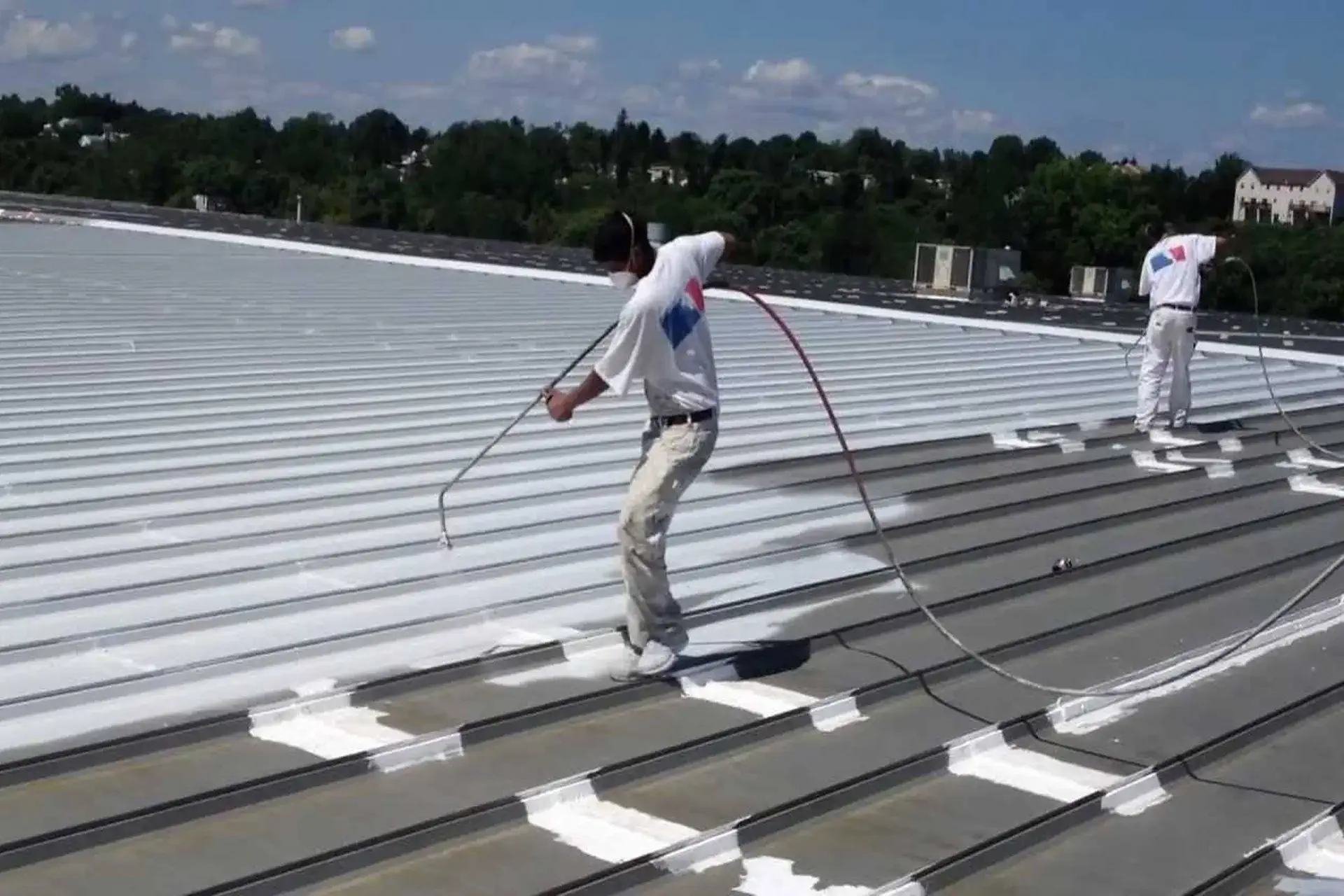
This is where professional waterproofing becomes especially valuable.
Sealing Weak Connection Points
Experienced contractors inspect every seam, overlap, corner, vent base, drain area, and flashing line. These are the places where leaks commonly begin.
Specialized sealants and reinforcement tapes are applied to close gaps and stabilize movement-prone sections.
Creating a Continuous Barrier
Imagine wrapping the roof in a raincoat. Waterproof coatings form a continuous surface that bridges seams and protects joints from direct water contact.
Instead of rain attacking exposed seams, it lands on the waterproof layer first.
Preventing Moisture Migration
Water often enters through a tiny crack and travels far from the original entry point. Waterproofing systems stop this migration early by blocking moisture at surface level.
Adding Flexibility
Modern waterproof materials stretch with roof movement. That flexibility helps seams stay protected during seasonal expansion and contraction.
Common Waterproofing Materials Used
Different roofs require different systems. A professional chooses materials based on roof type, age, slope, and climate.
Liquid Membranes
These are rolled or sprayed onto the roof surface. Once cured, they form a seamless rubber-like barrier.
Great for roofs with many penetrations or irregular shapes.
Bituminous Coatings
Bitumen-based systems are known for durability and water resistance. They are often used on commercial and flat roofs.
Polyurethane Sealants
These are ideal for joints, cracks, flashing edges, and seam repairs. They bond strongly and remain flexible.
Acrylic Coatings
These reflective coatings help with waterproofing while also reducing heat absorption.
Signs Roof Joints Need Attention
Sometimes roofs whisper before they scream. Look for these warning signs:
- Water stains on ceilings
- Bubbling paint indoors
- Moldy smells in upper floors
- Visible seam separation
- Cracked flashing
- Ponding water on roof surface
- Soft roof spots underfoot
- Higher indoor humidity levels
If you notice these issues, roof joints may already be compromised.
Benefits of Professional Waterproofing
Professional waterproofing does much more than patch a leak.
Longer Roof Life
Water damage accelerates aging. Keeping seams dry can significantly extend roof service life.
Reduced Interior Damage
Leaks often ruin drywall, insulation, flooring, and electrical systems. Waterproofing lowers those risks.
Improved Energy Efficiency
Dry insulation performs better than wet insulation. That means steadier indoor temperatures.
Lower Maintenance Stress
A protected roof typically requires fewer emergency repairs.
Climate Impact in Brooklyn
Brooklyn weather can be tough on roofing systems. Rainstorms, freezing winters, humid summers, and fluctuating temperatures all create stress.
Freeze-thaw cycles are especially harsh. Water enters tiny seam openings, freezes, expands, and widens the gap. Then more water enters next time.
This cycle repeats like a hammer tapping the same spot again and again.
That is one reason many owners search for roof waterproofing services in brooklyn when planning preventative roof care.
Why Roof Joints Matter More Than People Realize
Many people focus on shingles, tiles, or surface appearance. But joints and seams are often the true gatekeepers.
A roof can look perfectly fine from the street while hidden seam damage develops quietly underneath. By the time interior stains appear, the issue may already be widespread.
That is why inspections should always include connection points, transitions, and flashing systems.
Maintenance Tips After Waterproofing
Once waterproofing is complete, routine care helps preserve results.
Keep Drains Clear
Blocked drains lead to standing water, which increases pressure on seams.
Remove Debris
Leaves, branches, and dirt trap moisture and slow drainage.
Schedule Inspections
At least once or twice a year, inspect roof condition—especially after storms.
Watch Interior Ceilings
Even small discoloration indoors may signal early roof trouble.
Limit Foot Traffic
Unnecessary rooftop walking can damage membranes or seam areas.
How Zavza Seal LLC Approaches Roof Protection
When evaluating roof systems, companies such as Zavza Seal LLC often focus on detailed inspection, seam condition, moisture risk, and material compatibility before recommending solutions.
That process matters because every roof is different. A flat commercial roof has different needs than a pitched residential roof. Likewise, older systems require different reinforcement methods than newly installed roofs.
A careful, customized approach typically leads to stronger seam protection and better long-term performance.
The Cost of Ignoring Roof Seams
Ignoring a small seam issue can create a chain reaction:
- Water enters through a tiny gap
- Insulation becomes wet
- Mold risk increases
- Wood decking weakens
- Interior ceilings stain
- Repair costs multiply
What starts as a minor seam flaw can grow into a major restoration project.
How Often Should Roof Waterproofing Be Reviewed?
This depends on roof age, weather exposure, and previous repairs. As a general rule:
- Newer roofs: inspect annually
- Older roofs: inspect twice yearly
- Storm-exposed roofs: inspect after severe weather
- Flat roofs: monitor drainage regularly
Waterproof systems should be reviewed periodically to ensure they remain intact.
Choosing Prevention Over Repairs
Emergency leaks are stressful. They arrive uninvited, often during storms or inconvenient hours. Preventative waterproofing is the opposite. It is planned, controlled, and proactive.
Think of it like servicing your car before the engine fails. Roof joints deserve the same mindset.
Zavza Seal LLC Serving the West Midwood Community and Beyond in Brooklyn
Zavza Seal LLC is dedicated to serving the diverse needs of the local community of Brooklyn, including individuals residing in neighborhood like West Midwood. With its convenient location near landmarks such as the Torah Umesorahand major intersections like Avenue H and E 7th St (coordinates: 40.6292016, -73.9697749), we offer roof waterproofing services.
Get roof waterproofing Services at West Midwood Now
Call Us or Contact Us: +17184007005
Navigate from West Midwood to Zavza Seal LLC Now
Roof joints and seams may be small parts of a roofing system, but they carry enormous responsibility. They connect materials, absorb movement, and face constant exposure to water and weather. When those areas weaken, leaks can begin fast.
That is why waterproofing plays such an important role. It seals vulnerable points, creates a continuous barrier, and helps roofs resist the daily assault of moisture. For buildings exposed to changing weather, especially in urban environments, preventative care can make all the difference.
Whether evaluating aging seams or planning future maintenance, understanding the value of roof waterproofing services brooklyn helps property owners make smarter roofing decisions. Companies like Zavza Seal LLC recognize that protecting seams today often prevents costly repairs tomorrow.
How Roof Waterproofing Services Protect Roof Joints and Seams?
The Critical Role of Seam Integrity
- Market Growth: The global waterproofing roofing membrane market was valued at approximately USD 9.5 billion in 2023 and is projected to reach USD 15.8 billion by 2032, growing at a robust CAGR of 5.8%. This expansion underscores the increasing demand for durable roofing solutions, with a significant focus on protecting vulnerable areas like joints and seams.
- Economic Impact of Proper Sealing: Research indicates that improved service-life prediction for seams in low-slope roofing can yield substantial economic benefits. For instance, NIST research on EPDM roofing seams demonstrated a savings-to-investment ratio (SIR) of 2.5, meaning every public dollar invested generated $2.5 in cost savings to the public.
- Preventing Costly Failures: Improper sealing at roof penetrations and seams is a major cause of water intrusion. A 2023 IBHS study found that 68% of water intrusion claims originate at penetrations, with the average repair costing significantly more than proactive waterproofing. The National Roofing Contractors Association (NRCA) reports that 32% of all roofing warranties are voided due to improper penetration sealing.
- Performance of Modern Materials: Field studies on materials like TPO (Thermoplastic Polyolefin) show that aged membranes can still perform well, with nearly 20 years of service life demonstrated in some cases, highlighting the importance of proper installation and seam integrity for long-term durability.
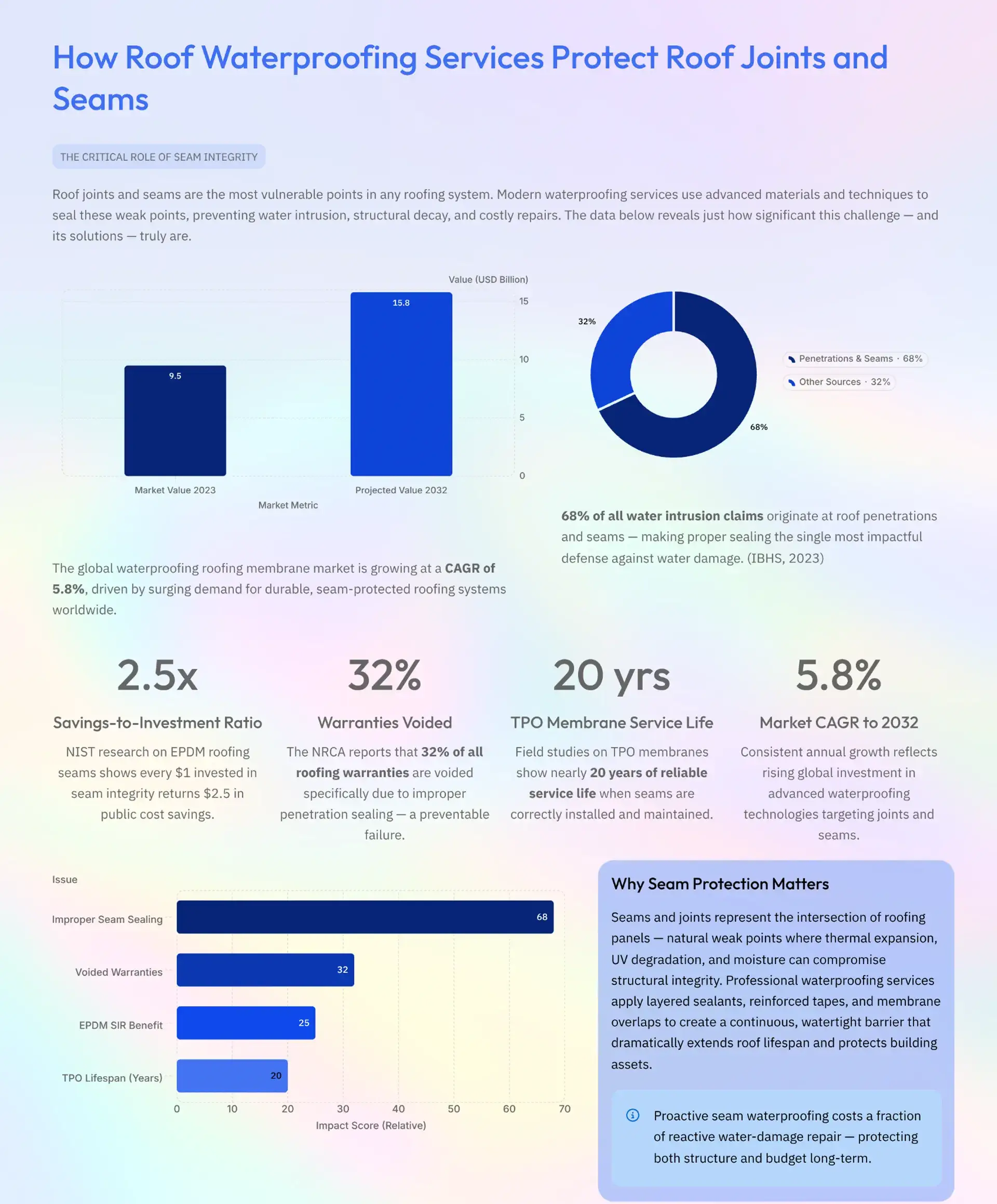
Sources: Dataintelo (2023), NIST (2014), IBHS (2023), NRCA (various), Keegan et al. (2020)
FAQs
1. Why do roof seams leak first?
Seams are connection points where materials meet. Movement, aging, and weather exposure make them more vulnerable than solid roof sections.
2. Can waterproofing stop existing roof leaks?
In many cases, yes. However, damaged materials may need repair first before waterproofing is applied.
3. How long does roof waterproofing last?
It depends on material type, weather exposure, installation quality, and maintenance. Many systems last several years with proper care.
4. Is waterproofing useful for flat roofs only?
No. While flat roofs commonly need it, sloped roofs can also benefit around flashing, valleys, joints, and transitions.
5. How do I know if my roof joints need inspection?
Look for stains, damp smells, cracked seams, standing water, or visible roof wear. These are common warning signs.
Give me statistical data with the help of charts for the title “How Does Professional Ant Pest Control Ensure Long Term Prevention?” also give the sources in one line at the end.