
Why Basement Wall Seepage Is a Serious Problem
Water seepage in basement walls is a common problem many homeowners face, but it is often ignored until it becomes serious. At first, it may look like a small damp spot or a little discoloration.
Over time, it can turn into mold growth, wall damage, and even structural issues. The basement is already below ground level, which makes it more vulnerable to moisture coming in from the surrounding soil. If this problem is not fixed early, it can damage your home and affect your indoor air quality. That is why understanding how to fix water seepage properly is so important.
Common Signs of Water Seepage in Basement Walls
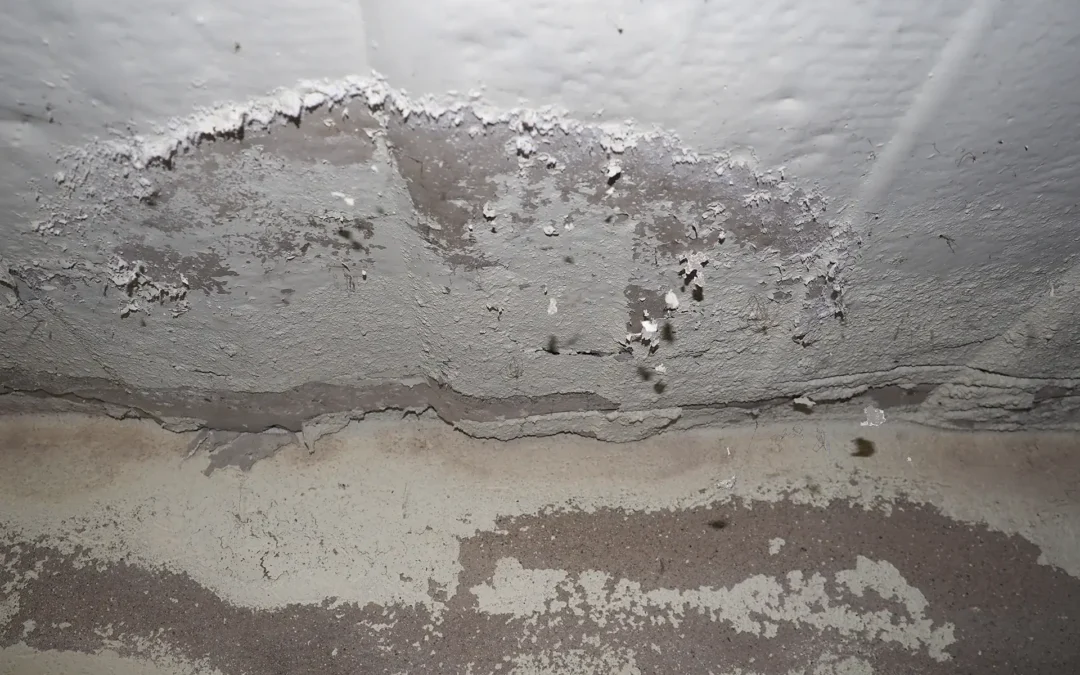
One of the first signs people notice is damp or wet walls. You may touch the wall and feel moisture, especially after rain. Another common sign is a white powdery substance on the wall surface, known as efflorescence, which appears when water leaves mineral deposits behind. Many basements with seepage also have a musty smell that does not go away easily. You might also see visible cracks, water stains, or peeling paint on the walls. These are all clear warnings that water is entering your basement.
What Causes Water Seepage in Basement Walls?
Water seepage usually happens because of pressure from water in the soil around your home. This is called hydrostatic pressure, and it pushes water through even the smallest cracks. Poor drainage around the foundation is another major cause. If water is not directed away from your home, it will collect near the walls and eventually find a way inside. Cracks in the foundation walls also allow water to seep through easily. Sometimes, clogged or broken gutters and downspouts can make the problem worse by dumping water too close to the foundation. In areas with high groundwater levels, the risk of seepage becomes even higher.
Step-by-Step Guide to Fix Water Seepage in Basement Walls
The first step is to identify where the water is coming from. You need to carefully inspect both the inside and outside of your basement. Look for cracks, wet spots, and areas where water seems to enter. This step is important because fixing the wrong area will not solve the problem.
Once you find the source, the next step is to clean and prepare the wall. Remove any loose paint, dirt, or mold from the surface. The wall should be as clean as possible so that repair materials can stick properly. After cleaning, let the area dry completely.
After the wall is ready, small cracks can be sealed using hydraulic cement or epoxy injections. These materials expand and fill the gaps, preventing water from passing through. This method works well for minor issues, but it may not be enough for larger cracks or heavy leakage.
The next step is to apply a waterproof coating to the interior walls. These coatings act as a barrier and help block moisture from entering your basement. They are easy to apply and can provide a temporary solution for minor seepage problems.
However, fixing the inside alone is not always enough. You also need to improve the drainage outside your home. Make sure your gutters are clean and working properly. Downspouts should direct water away from the foundation. The ground around your home should slope away so that water does not collect near the walls.
In more serious cases, installing a drainage system is necessary. Systems like French drains or sump pumps help manage water before it enters your basement. These solutions are more effective for long-term protection and are usually installed by professionals.
When to Call a Professional for Basement Water Seepage
There are times when DIY methods are not enough to fix the problem. If you notice large cracks, continuous water leakage, or mold growth, it is better to call an expert. Structural issues also require professional attention because they can affect the safety of your home. Companies like Zavza Seal specialize in basement waterproofing and can provide long-term solutions that go beyond temporary fixes.
Preventing Future Basement Water Seepage
Preventing water seepage is always easier than fixing it later. Regularly inspecting your basement walls can help you catch problems early. Keeping your gutters clean and making sure your drainage system works properly will reduce the chances of water buildup. Proper landscaping also plays a role, as the ground should always slope away from your home. Investing in a long-term waterproofing system can give you peace of mind and protect your property for years.
Cost of Fixing Basement Water Seepage
The cost of fixing water seepage can vary depending on the severity of the problem. Small crack repairs are usually affordable and can sometimes be done by homeowners. However, more serious issues that require drainage systems or full waterproofing can cost more. While professional solutions may seem expensive at first, they often save money in the long run by preventing major damage.
Protect Your Basement the Right Way
Water seepage in basement walls should never be ignored. What starts as a small issue can quickly turn into a costly repair if left untreated. By identifying the source, fixing cracks, improving drainage, and using proper waterproofing methods, you can protect your basement effectively. For long-term results and peace of mind, working with professionals like Zavza Seal ensures the job is done right.
FAQs
- Can I fix basement seepage myself?
Minor cracks and small leaks can often be handled with simple DIY repairs, but larger or ongoing issues usually require professional help. - How long does waterproofing last?
High-quality waterproofing systems can last for many years when installed properly. - Is basement seepage dangerous?
Yes, it can lead to mold growth and structural damage, making it a serious problem if ignored. - What is the best waterproofing method?
The right method depends on your basement’s condition and the source of the water problem.