Introduction to Commercial Waterproofing
Water is essential for life, but when it infiltrates a building, it becomes one of the most destructive forces in construction. In commercial properties where structures are larger, more complex, and more heavily used the risk and consequences of water damage increase significantly. This is where commercial waterproofing services brooklyn come into play.
Commercial waterproofing focuses on preventing water intrusion in buildings such as offices, warehouses, retail centers, and industrial facilities. These services involve specialized techniques, materials, and engineering methods designed to keep moisture from entering structural components.
Without proper waterproofing, water can compromise foundations, weaken walls, damage equipment, and create unhealthy indoor conditions. Understanding how waterproofing works and why it matters is essential for anyone involved in managing or maintaining commercial properties.
Understanding the Role of Waterproofing in Commercial Structures
Waterproofing acts as a protective barrier between a building and environmental moisture. Rain, groundwater, humidity, and snowmelt all place pressure on structural materials.
Over time, these forces exploit even the smallest weaknesses. Tiny cracks in concrete, poorly sealed joints, or aging roofing materials can become entry points for water.
Basement Waterproofing Companies systems are designed to block these pathways and ensure the building envelope remains intact.
Why Moisture Control Is Critical in Large Buildings
In commercial facilities, moisture problems often escalate quickly because of the scale of the structure. Large buildings have extensive foundations, wide roofing systems, and multiple entry points for water.
When moisture enters these areas, it can spread rapidly through insulation, structural steel, and electrical systems. The result? Structural deterioration, mold growth, and costly operational disruptions.
Proper waterproofing acts like a shield that prevents these problems before they start.
What Are Commercial Waterproofing Services
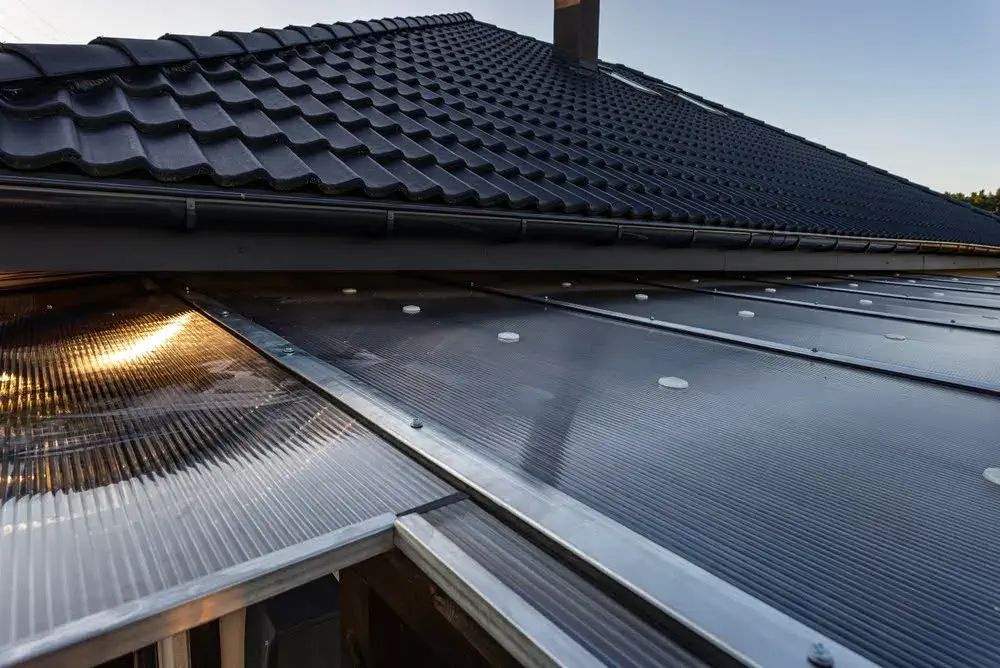
Commercial waterproofing services refer to specialized construction and maintenance practices that protect commercial structures from water intrusion.
These services include inspection, moisture assessment, material application, drainage installation, and structural sealing.
Professionals such as those at Zavza Seal LLC use advanced techniques and materials to ensure long-term protection against water damage.
Definition and Core Functions
The primary goal of waterproofing is simple: stop water from penetrating building materials. However, achieving that goal requires a combination of science and engineering.
Waterproofing systems must withstand hydrostatic pressure, temperature changes, structural movement, and environmental exposure.
Key Areas Where Waterproofing Is Applied
Foundations and Basements
Foundations are constantly exposed to groundwater and soil moisture. Waterproofing membranes and drainage systems prevent water from seeping through concrete walls.
Roof Systems
Flat roofs and commercial roof decks often collect standing water. Waterproof coatings and membranes prevent leaks and structural degradation.
Exterior Walls and Facades
Exterior walls must resist wind-driven rain and humidity. Sealants and barrier systems prevent moisture infiltration.
Parking Structures
Parking garages are highly exposed to rainwater, road salt, and vehicle fluids. Waterproofing protects concrete surfaces from corrosion and cracking.
Types of Commercial Waterproofing Systems
Different buildings require different waterproofing solutions. Engineers choose materials based on structural design, environmental conditions, and exposure levels.
Liquid Waterproofing Membranes
Liquid membranes are applied as coatings that cure into seamless waterproof barriers. They are commonly used on roofs, balconies, and complex surfaces.
Sheet Membrane Waterproofing
Sheet membranes consist of pre-manufactured layers applied to surfaces. These systems offer high durability and are often used in foundations and underground structures.
Cementitious Waterproofing
Cement-based coatings bond directly to concrete surfaces, forming rigid waterproof barriers. They are frequently used in basements, tunnels, and water-retaining structures.
Polyurethane Waterproofing
Polyurethane coatings create flexible membranes capable of bridging cracks and accommodating structural movement.
Common Water Intrusion Problems in Commercial Buildings
Water infiltration can occur in several ways, often due to construction defects or aging materials.
Structural Cracks and Foundation Leaks
Concrete naturally expands and contracts over time. These movements create cracks where water can enter.
Once water penetrates the foundation, it can weaken structural integrity and create long-term damage.
Roof Drainage Failures
Blocked or poorly designed drainage systems can cause water to accumulate on commercial roofs. Standing water places stress on roofing materials and increases the risk of leaks.
Wall Penetration and Window Leaks
Improperly sealed windows, HVAC penetrations, and wall joints often allow rainwater to enter building interiors.
How Commercial Waterproofing Protects Building Structures
Waterproofing systems are essential for preserving the structural health of commercial buildings.
Preventing Structural Damage
When water penetrates concrete and steel, it triggers corrosion and material breakdown. Waterproofing prevents these processes from occurring.
Preserving Interior Environments
Moisture inside buildings creates ideal conditions for mold growth. This can compromise indoor air quality and pose health risks to occupants.
Protecting Mechanical and Electrical Systems
Commercial facilities contain complex systems such as electrical panels, HVAC equipment, and communication infrastructure. Water exposure can damage these systems and interrupt operations.
The Importance of Waterproofing in Urban Environments
Cities present unique challenges for building protection.
Environmental Exposure in Dense Cities
Urban buildings face continuous exposure to rainfall, pollution, and temperature fluctuations.
Commercial properties in dense environments often rely on specialized commercial waterproofing services in brooklyn to handle these conditions.
Long-Term Infrastructure Protection
Proper waterproofing extends the lifespan of buildings and reduces the need for major structural repairs.
Inspection and Assessment Before Waterproofing
Before any waterproofing work begins, professionals perform detailed inspections.
Moisture Testing Methods
Technicians use tools such as moisture meters, infrared cameras, and leak detection systems to locate water intrusion points.
Structural Condition Analysis
Engineers evaluate structural materials, cracks, and building movement to determine the best waterproofing solution.
The Commercial Waterproofing Process
Waterproofing projects typically follow a structured process to ensure effectiveness.
Surface Preparation
The surface must be cleaned and repaired before waterproofing materials are applied. This step ensures proper adhesion.
Application of Waterproofing Materials
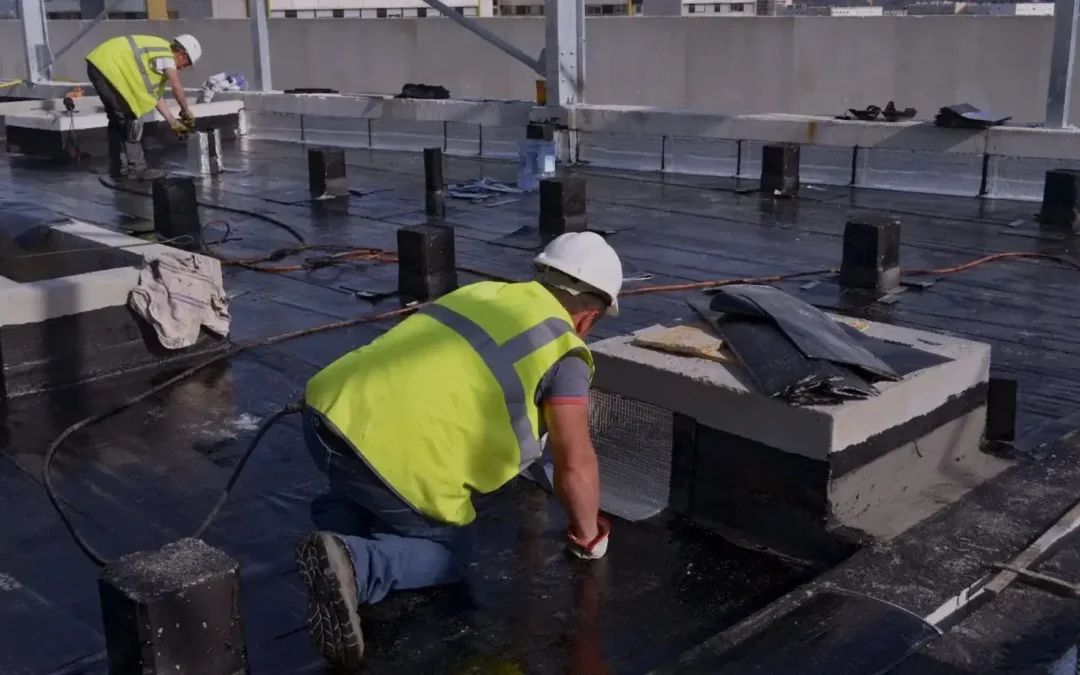
Membranes, coatings, or sealants are applied using rollers, sprayers, or specialized equipment.
Drainage Integration
Proper drainage systems are installed to redirect water away from the structure.
Final Testing and Quality Assurance
After installation, technicians test the system to confirm that it provides complete protection.
Waterproofing Materials Used in Modern Construction
Modern waterproofing technologies rely on advanced materials designed for durability and flexibility.
Bituminous Coatings
These asphalt-based coatings create durable waterproof layers commonly used in foundations and roofing systems.
Elastomeric Membranes
Elastomeric materials stretch and recover, making them ideal for structures that experience movement.
Advanced Polymer Solutions
Polymers offer superior resistance to UV exposure, chemicals, and temperature changes.
Benefits of Professional Commercial Waterproofing
Commercial waterproofing provides multiple long-term advantages for building owners and facility managers.
Increased Building Longevity
Waterproofing significantly extends the lifespan of structural components by preventing moisture damage.
Reduced Maintenance Requirements
By preventing leaks and structural deterioration, waterproofing reduces the need for frequent repairs.
Improved Indoor Air Quality
Moisture control prevents mold growth and helps maintain healthier indoor environments.
Professionals at Zavza Seal LLC emphasize these benefits when implementing protective systems for commercial properties.
Waterproofing for Different Commercial Property Types
Every commercial building has unique waterproofing requirements.
Office Buildings
Office structures often require waterproofing for foundations, parking garages, and rooftop mechanical areas.
Retail and Shopping Centers
Retail facilities must protect storefronts, roofs, and loading areas from water infiltration
Industrial and Warehousing Facilities
Industrial buildings require heavy-duty waterproofing systems capable of handling large roof spans and structural loads.
Regional Considerations for Waterproofing Projects
Environmental conditions strongly influence waterproofing strategies.
Climate and Seasonal Impacts
Rainfall patterns, freezing temperatures, and humidity levels all affect waterproofing design.
Buildings in coastal or high-precipitation areas require especially durable protection systems.
Urban Construction Challenges
Dense urban environments often limit drainage options and increase exposure to environmental pollutants.
In such cases, specialized commercial waterproofing services brooklyn are often used to address complex structural conditions.
The Role of Experienced Waterproofing Specialists
Waterproofing is not simply about applying a coating. It requires expertise in materials, structural engineering, and environmental science.
Expertise in Material Selection
Professionals evaluate factors such as substrate type, exposure levels, and building movement when selecting waterproofing materials.
Compliance with Building Standards
Waterproofing installations must comply with building codes and engineering standards to ensure safety and durability.
Zavza Seal LLC Serving the Midwood Community and Beyond in Brooklyn
Zavza Seal LLC is dedicated to serving the diverse needs of the local community of Brooklyn, including individuals residing in neighbourhoods like Midwood. With its convenient location near landmarks such as the “United States Postal Service” and major intersections like Avenue J and E 9th St (coordinates: 40.6247016, -73.9668105), we offer commercial waterproofing services.
Get commercial waterproofing services at Midwood Now
Call Us or Contact Us: +17184007005
Navigate from Midwood to Zavza Seal LLC Now
Waterproofing is one of the most important protective measures in commercial construction. Without it, buildings become vulnerable to water infiltration, structural damage, and costly repairs.
Commercial waterproofing services involve a combination of inspection, engineering, material application, and long-term protection strategies. These systems safeguard foundations, roofs, walls, and interior spaces from the damaging effects of moisture.
As commercial buildings grow more complex and urban environments place greater demands on infrastructure, the role of professional waterproofing becomes even more critical. Organizations such as Zavza Seal LLC contribute to the protection of commercial properties by implementing advanced waterproofing solutions designed to preserve structural integrity and maintain safe indoor environments.
What Are Commercial Waterproofing Services and Why Are They Important for Commercial Buildings?
The Silent Guardian of Your Investment
Commercial waterproofing services create a critical barrier against water intrusion, safeguarding buildings from structural damage, health hazards, and escalating costs. Ignoring this vital protection can lead to devastating consequences, making proactive waterproofing an essential investment for any commercial property owner.
The High Stakes of Water Intrusion:
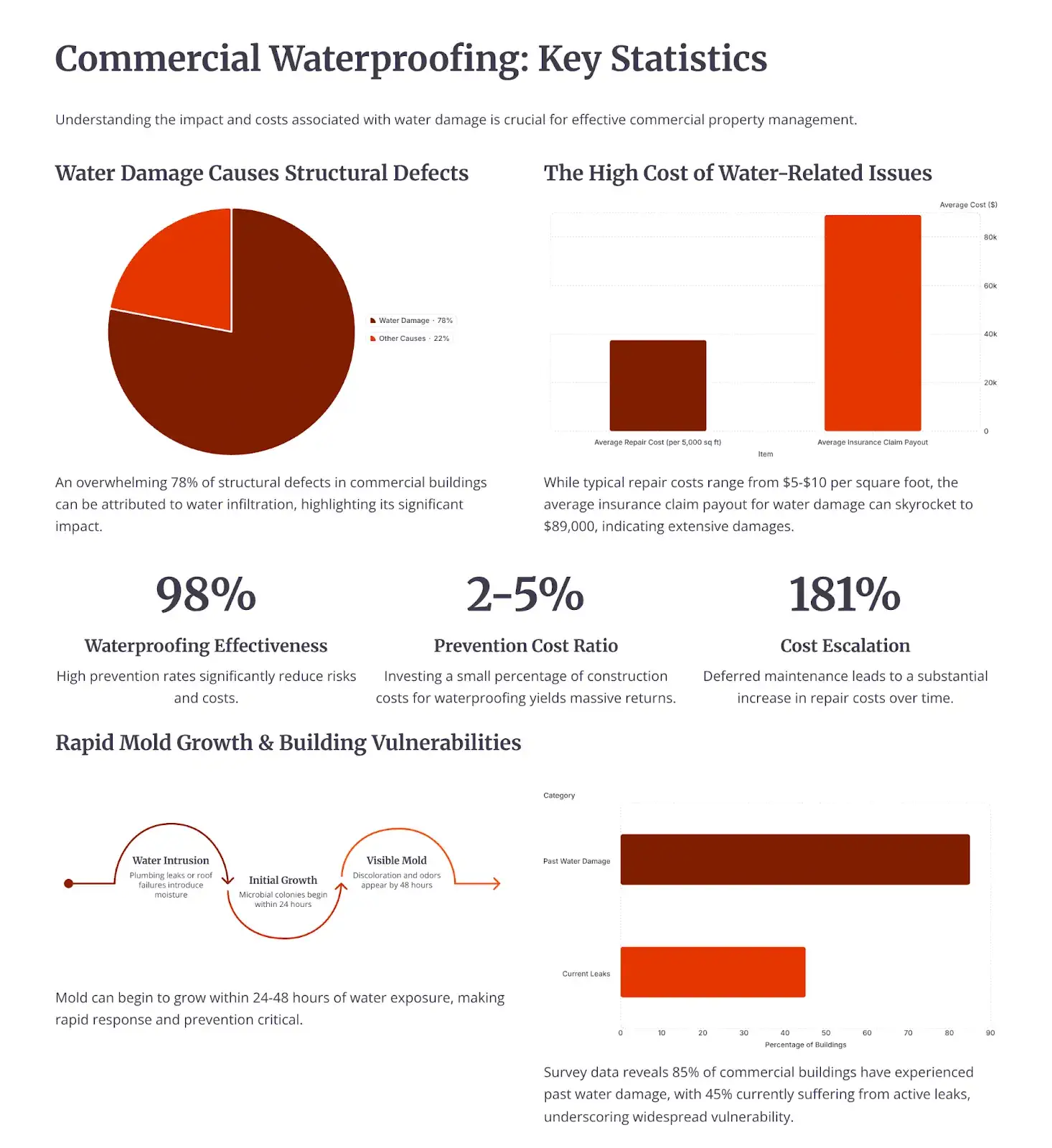
- Structural Integrity Compromised: Water damage is responsible for 75-80% of structural defects in commercial buildings. This can lead to concrete deterioration, steel reinforcement corrosion, wood rot, and soil destabilization.
- Financial Devastation:
- Commercial water damage repairs average $5-$10 per square foot, with extensive structural damage pushing costs much higher.
- Water damage is the most frequent and expensive claim in commercial real estate, averaging nearly $89,000 per incident.
- Deferred maintenance can cause repair costs to balloon by over 181%.
- Health and Safety Hazards:
- Mold and mildew can grow within 24-48 hours of water exposure, leading to poor indoor air quality, allergies, and potential illness.
- Water accumulation creates slip hazards and can damage electrical systems, posing fire and shock risks.
- Operational Disruptions: Leaks can cause business interruption, leading to lost income and productivity, and tenant dissatisfaction.
- Widespread Problem: An EPA survey found that 85% of 100 office building owners had past water damage, and 45% had current leaks.
The Power of Prevention:
- Strengthening the Building Envelope: Modern waterproofing products can provide exterior surfaces with extremely high levels of waterproofing, up to 98% in some cases.
- Reducing Maintenance Costs: Proactive waterproofing represents just 2-5% of what remediation and repairs would cost after significant water intrusion.
- Extending Building Lifespan: Regular maintenance and proper waterproofing can help ensure a building lasts significantly longer.
Sources: Taylor Waterproofing, Building Enclosure Online, Tri-State Waterproofing, WSRG, Valcourt Group.
FAQs
1. What is the main purpose of commercial waterproofing?
The main purpose of commercial waterproofing is to prevent water from entering a building’s structural components, protecting foundations, walls, and roofing systems from moisture damage.
2. Where is waterproofing most commonly applied in commercial buildings?
Waterproofing is commonly applied to foundations, basements, roofs, exterior walls, and parking structures where water exposure is highest.
3. What materials are used in commercial waterproofing systems?
Common materials include liquid membranes, sheet membranes, cementitious coatings, polyurethane coatings, and polymer-based sealants.
4. Why is waterproofing important for structural durability?
Water intrusion can cause corrosion, cracking, and material deterioration. Waterproofing prevents these issues and helps extend the lifespan of structural elements.
5. How do professionals determine the right waterproofing method?
Experts evaluate factors such as building design, environmental exposure, moisture levels, and structural conditions before selecting the appropriate waterproofing system.