
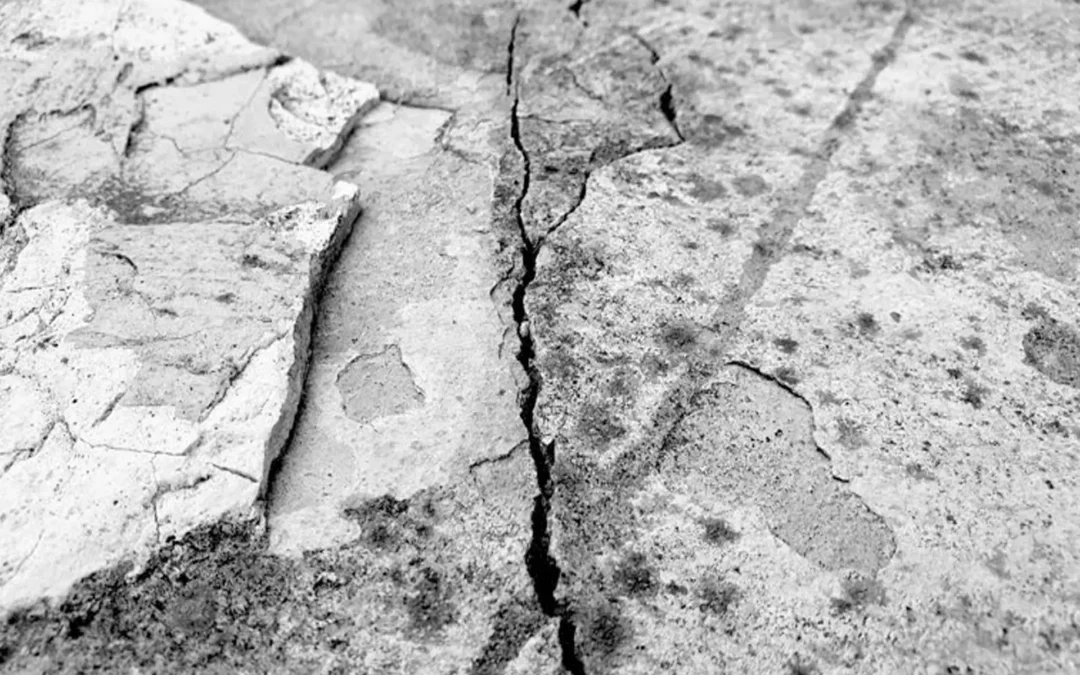
Old buildings have charm, character, and history but they often come with one stubborn problem: water intrusion. Cracks in walls, basement seepage, peeling paint, and damp smells are common in aging properties. If ignored, these issues can quietly weaken the structure over time.
That’s why understanding the right repair methods matters. Whether it’s a brownstone, townhouse, warehouse, or older residential property, selecting the proper treatment can make all the difference. Many owners searching for waterproofing services brooklyn want to know which solutions actually work for aging buildings.
This guide explains the best waterproofing options for old properties with cracks and seepage, how they work, and what factors determine the right approach.
Understanding Why Old Buildings Develop Water Problems
Older buildings weren’t always built with modern waterproofing systems. Over decades, weather exposure, soil pressure, and material aging slowly create vulnerabilities.
Aging Materials and Structural Movement
Brick, stone, mortar, and concrete naturally expand and contract with temperature changes. Over time, that movement can create cracks. Think of it like bending a paperclip repeatedly—it eventually weakens.
Poor Drainage Around Foundations
Water pooling near the base of a building creates constant pressure against walls and foundations. This hydrostatic pressure often leads to seepage through small gaps.
Common Signs of Cracks and Seepage
Water damage doesn’t always arrive dramatically. Often, it starts subtly.
Interior Warning Signs
- Musty odors
- Damp basement floors
- Bubbling paint
- White powdery residue on walls (efflorescence)
- Mold growth
- Wall discoloration
Exterior Warning Signs
- Cracked masonry
- Loose mortar joints
- Bowing walls
- Water stains on brick
- Gaps near windows or doors
If these signs appear, it may be time to evaluate solutions similar to those offered through waterproofing services brooklyn specialists.
Why Waterproofing Matters in Historic and Older Structures
Water doesn’t just damage surfaces it attacks the bones of a building.
Moisture can weaken mortar, rust steel supports, rot wood framing, and create mold problems indoors. In older buildings, repairs often cost more because replacement materials may be harder to source.
Waterproofing acts like a protective shield. It stops small issues from turning into major structural headaches.
Best Waterproofing Methods for Old Buildings
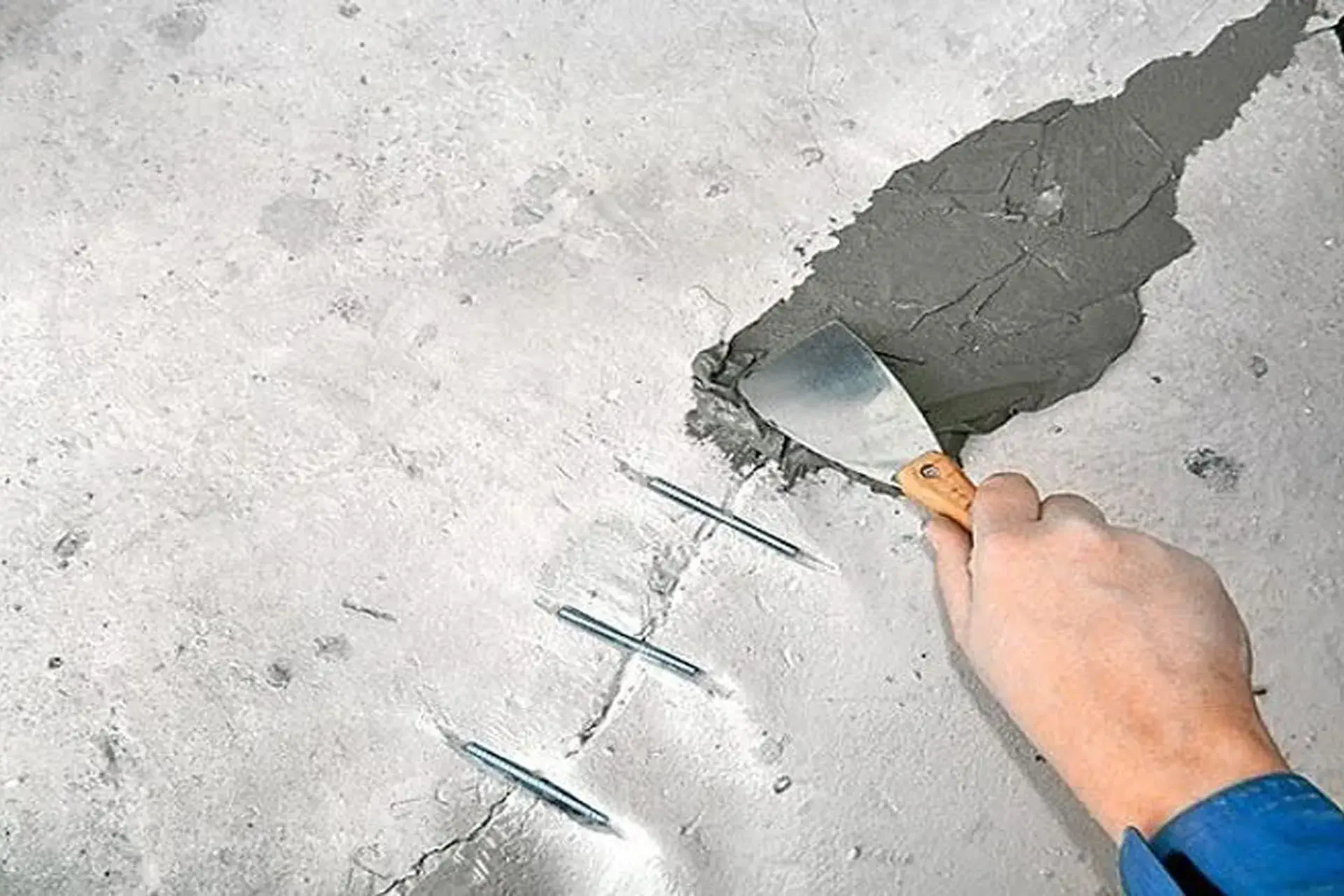
Not every building needs the same solution. The best method depends on the source of moisture, crack severity, and wall material.
Crack Injection Waterproofing
This is one of the most effective solutions for leaking foundation cracks.
Polyurethane or epoxy is injected into cracks to seal openings from the inside. It fills voids and blocks water paths.
Best for:
- Concrete foundation cracks
- Basement wall leaks
- Narrow vertical cracks
Exterior Foundation Membranes
An exterior membrane is applied outside the foundation wall after excavation. It creates a barrier that prevents water penetration.
Best for:
- Severe seepage
- Repeated basement leaks
- Buildings with drainage problems
This is often one of the strongest long-term solutions.
Interior Drainage Systems
Sometimes exterior excavation isn’t practical. In that case, interior drainage channels and sump systems redirect water safely away.
Best for:
- Finished basements
- High groundwater areas
- Frequent floor seepage
Cementitious Waterproof Coatings
These coatings bond to masonry or concrete surfaces and help resist moisture penetration.
Best for:
- Brick walls
- Stone basements
- Utility rooms
- Minor dampness issues
Basement Waterproofing Systems
Basements in old buildings are common trouble zones. Full basement systems may combine:
- Crack repair
- Drainage channels
- Vapor barriers
- Sump pumps
- Wall coatings
Many property owners researching waterproofing services in brooklyn specifically need basement-focused solutions.
Choosing the Right Solution Based on Crack Type
Not all cracks mean the same thing.
Hairline Cracks
Usually caused by shrinkage or minor settling. Often repaired with injection sealing.
Structural Cracks
Wider cracks, stair-step masonry cracks, or shifting walls may indicate movement. These often require structural reinforcement first.
Horizontal Cracks
These can signal pressure against walls. Waterproofing alone may not solve the issue without drainage correction.
How Climate Affects Waterproofing Needs
Freeze-thaw cycles can worsen cracks in old masonry. Rainy seasons raise groundwater pressure. Humid climates encourage mold.
That means climate matters when selecting materials. Flexible sealants, breathable coatings, and drainage improvements may all be necessary depending on local conditions.
Importance of Inspection Before Repairs
Waterproofing without diagnosis is like treating a cough without knowing the illness.
A professional inspection identifies:
- Where water enters
- Whether cracks are active or dormant
- Soil drainage conditions
- Foundation movement
- Hidden mold or moisture pockets
Companies like Zavza Seal LLC often emphasize evaluation first because guessing can waste time and money.
Preventive Maintenance Tips
Once repairs are completed, maintenance keeps problems from returning.
Keep Gutters Clean
Overflowing gutters dump water near foundations.
Improve Grading
Soil should slope away from the building.
Seal Exterior Gaps
Windows, doors, and utility penetrations can let moisture in.
Monitor New Cracks
Measure changes over time. Growing cracks need attention.
Why Material Compatibility Matters
Older buildings often use lime mortar, stone, brick, or mixed materials. Using modern hard sealants on soft historic masonry can sometimes trap moisture or cause damage.
That’s why compatible products are essential. Waterproofing should protect the structure, not suffocate it.
How Professionals Evaluate Older Buildings
Experienced contractors usually review several factors:
- Age of the structure
- Existing repairs
- Type of foundation
- Water table conditions
- Crack patterns
- Interior humidity levels
This is especially important in dense urban areas where neighboring buildings and shared walls affect moisture movement.
When people search for waterproofing services brooklyn, they’re often dealing with these complex conditions in older row houses and multi-unit properties.
When Exterior Waterproofing Is Better Than Interior Waterproofing
Here’s a simple rule:
- Exterior systems stop water before it enters
- Interior systems manage water after it enters
Exterior methods are usually ideal for long-term protection, but interior systems can be more practical where excavation is limited.
When to Act Quickly
Don’t wait if you notice:
- Water puddles after rain
- New wall bowing
- Mold smell
- Widening cracks
- Rusting columns or beams
- Repeated paint failure
These signs suggest moisture is actively causing damage.
How Long Waterproofing Solutions Last
Lifespan depends on material quality, installation, and environmental stress.
- Crack injections: often many years
- Membranes: long-term with proper drainage
- Coatings: moderate lifespan with maintenance
- Drainage systems: long-lasting if pumps are serviced
Routine inspections extend performance significantly.
Zavza Seal LLC Serving the Midwood Community and Beyond in Brooklyn
Zavza Seal LLC is dedicated to serving the diverse needs of the local community of Brooklyn, including individuals residing in neighborhood like Midwood. With its convenient location near landmarks such as the SAYORA PHARMACY and major intersections like Avenue J and E 12th St(coordinates: 40.6247016, -73.963846), we offer best waterproofing services.
Get best waterproofing Services at Midwood Now
Call Us or Contact Us: +17184007005
Navigate from Midwood to Zavza Seal LLC Now
Old buildings need thoughtful care, especially when cracks and seepage appear. The best waterproofing solution depends on where water enters, how severe the cracks are, and what materials make up the structure. For some buildings, crack injection is enough. Others need drainage correction or full exterior membranes.
The smartest approach is always diagnosis before repair. Property owners exploring waterproofing services brooklyn often discover that customized solutions outperform one-size-fits-all fixes. With the right methods and proper maintenance, even very old buildings can stay dry, stable, and healthy for decades.
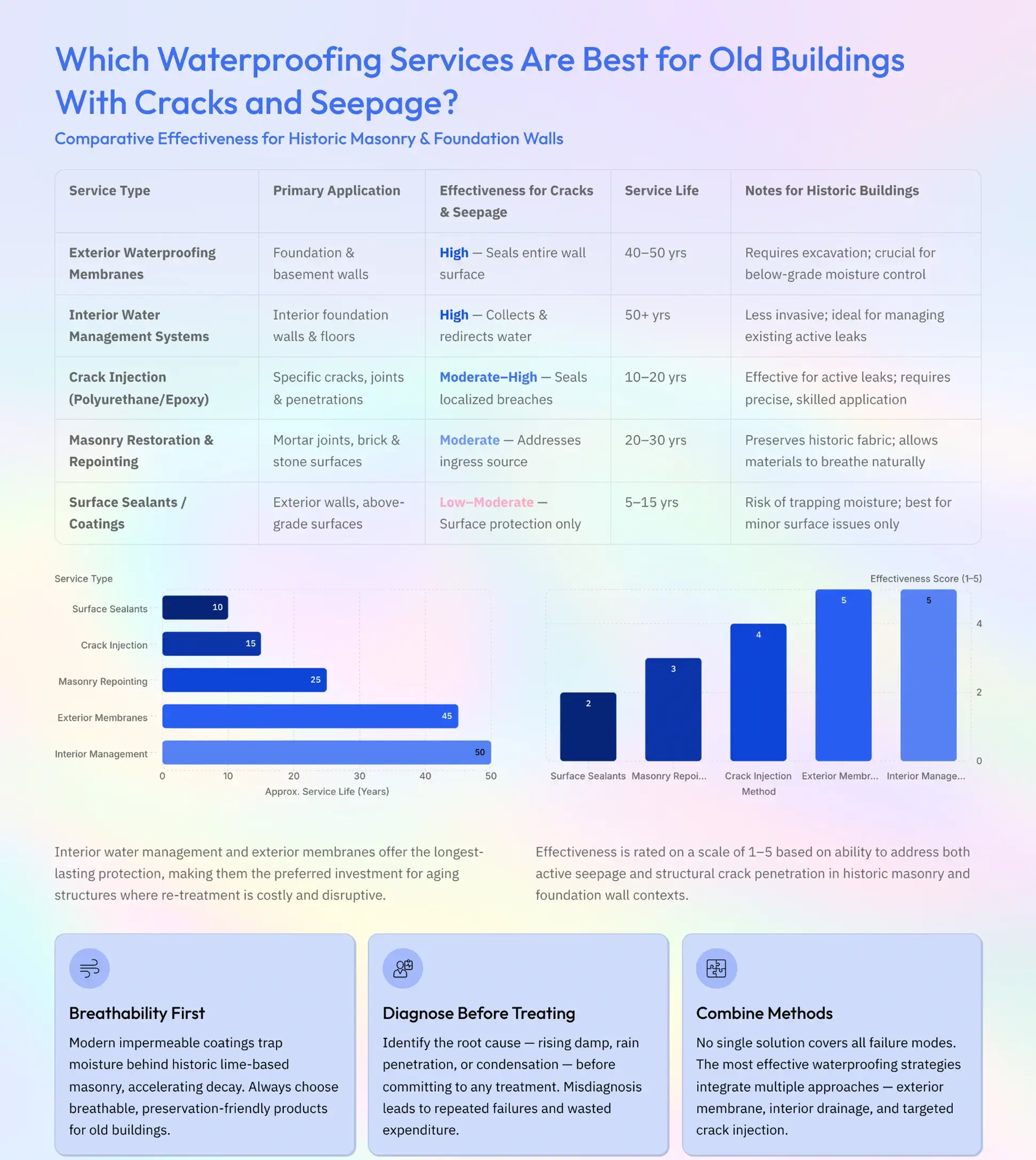
Which Waterproofing Services Are Best for Old Buildings With Cracks and Seepage?
Service Type Primary Application Effectiveness for Cracks & Seepage Service Life (Approx.) Notes for Historic Buildings Exterior Waterproofing Membranes Foundation walls, basement walls High (Seals entire wall surface) 40-50 years Can be invasive; requires excavation. Crucial for below-grade moisture. Interior Water Management Systems Interior foundation walls, basement floors High (Collects and redirects water) 50+ years Less invasive than exterior; good for managing existing leaks. Crack Injection (Polyurethane/Epoxy) Specific cracks, joints, and penetrations Moderate to High (Seals localized breaches) 10-20 years Effective for active leaks; requires precise application. Masonry Restoration & Repointing Mortar joints, brick/stone surfaces Moderate (Addresses source of ingress) 20-30 years (for mortar) Essential for preserving historic fabric; allows materials to “breathe.” Surface Sealants/Coatings Exterior walls, above-grade Low to Moderate (Surface protection, not structural) 5-15 years Can trap moisture if not breathable; best for minor surface issues.
Key Considerations for Historic Buildings:
- Breathability: Modern impermeable coatings can trap moisture behind historic lime-based masonry, accelerating decay. Preservation-friendly methods that allow materials to breathe are crucial.
- Diagnosis is Critical: Identifying the root cause (rising damp, rain penetration, condensation, etc.) before treatment prevents wasted expenditure and repeated work.
- Integration: Often, a combination of methods is most effective for comprehensive waterproofing.
Sources: SGH (Foundation Wall Waterproofing Repair Strategies for Existing Buildings), National Park Service (Moisture Problems in Historic Masonry Walls), Waterproof.top (Waterproofing Historic Homes: Case Study & Restoration Tips), Bartley West (Property Defects Report 2025).
FAQs
1. What is the best waterproofing method for old basements?
It depends on the source of moisture. Crack sealing, drainage systems, and exterior membranes are common solutions.
2. Can waterproofing fix structural cracks?
Waterproofing can seal cracks, but structural movement may require reinforcement first.
3. How do I know if seepage is serious?
Persistent moisture, mold, standing water, or widening cracks are signs the issue needs prompt attention.
4. Are coatings enough for damp old walls?
For minor moisture, yes. For active leaks, stronger systems are usually needed.
5. Why do people look for waterproofing services brooklyn for older buildings?
Many older urban properties have aging masonry, basements, and drainage issues that benefit from specialized waterproofing knowledge.