
Overview:
Zavza Seal recently completed a structural crack injection and waterproofing repair for a residential property in Hampton Bays, NY. The homeowner contacted our team after noticing a recurring crack along the corner bench underpinning inside their basement. With moisture concerns rising and structural stability at risk, the client needed a long term solution that addressed both the integrity of the wall and future water intrusion.
This project highlights how our team restores structural strength using professional crack injection techniques and modern waterproofing systems.
The Problem:
The homeowner had discovered a structural crack and cold joint running approximately four linear feet above the bench underpinning area. Over time, this crack began allowing small traces of moisture to seep through during high humidity and heavy rain. The concerns included:
- Loss of structural integrity around the corner section
- Potential widening of the crack due to seasonal movement
- Moisture intrusion that could lead to mold over time
- Reduced stability of the bench underpinning area
The client tried patching the crack previously, but the issue returned because the underlying cold joint needed a proper resin injection that bonds the structure internally.
The homeowner reached out to Zavza Seal for a permanent and professionally engineered solution.
Our Solution:
After a full inspection, our team designed a multi step repair plan to address both structure and waterproofing.
1. Surface Cleaning and Preparation
We began by wire brushing and thoroughly cleaning the crack area. Proper surface preparation allows the repair materials to bond fully.
2. Precision Drilling of Injection Ports
Injection ports were drilled every 6 inches along the crack path. This ensures complete penetration of the epoxy or urethane resin through the full depth of the crack.
3. Structural Injection
We injected high quality epoxy and urethane resin into the crack to restore internal strength. This process fills voids, bonds separated concrete, and prevents future expansion.
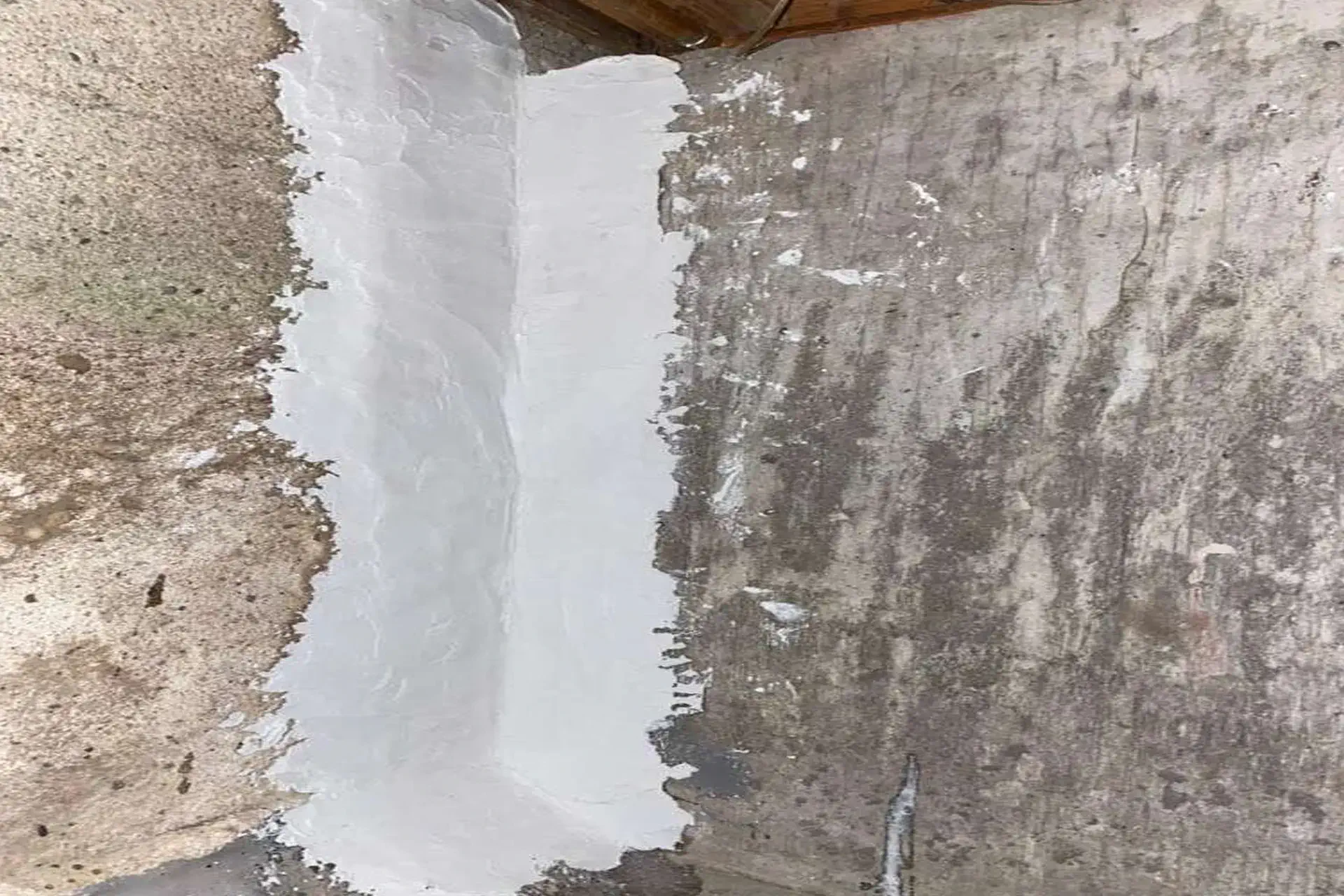
4. Waterproofing Cement Application
To create an exterior moisture barrier, we applied two layers of waterproofing cement. This seals the repaired area and protects it from future seepage.
5. Fiberglass Mesh Reinforcement
A 4.5 ounce fiberglass mesh was embedded into the waterproofing layer to add flexibility and reinforcement. This helps prevent new surface cracking and ensures the repair lasts for decades.
The Outcome:
The structural crack was fully sealed, reinforced, and waterproofed. The homeowner gained:
- Restored structural stability
- Complete moisture prevention
- A long term repair that will not reopen
- Peace of mind knowing their basement is protected
Cracks around underpinning areas are not cosmetic issues. They often signal internal movement and potential water intrusion. Addressing them early with professional injection methods prevents larger and more expensive structural problems later.
For homeowners wanting to understand more about concrete crack behavior and moisture intrusion, here are two helpful external resources: