
The Problem:
A Brooklyn homeowner contacted Zavza Seal after noticing worsening structural concerns in their basement. Multiple foundation walls showed signs of deterioration, including cracked masonry, loose material, and voids within the concrete. The central wood beam supporting the structure was visibly aged and damaged, with cracks forming along the sides and bottom.
The basement also relied on outdated brick support columns that no longer provided reliable load bearing support. In addition, one of the sistered floor joists was compromised, and a section of the backyard wall base showed signs of moisture intrusion that threatened the integrity of the slab and foundation over time.
Left unaddressed, these issues could have resulted in further structural movement, water intrusion, and costly long term damage to the home.
The Solution:
Zavza Seal designed a comprehensive structural repair and reinforcement plan to stabilize the basement, restore load bearing capacity, and protect the foundation from future deterioration.
Foundation Wall Restoration
For both the back and front foundation walls, our team began by thoroughly wire brushing and cleaning the masonry surfaces to remove loose and foreign materials. Damaged areas were ground using diamond blades to ensure proper bonding.
We injected high strength mortar into cavities within the walls to restore density and strength. Where required, we installed 4.5 oz reinforced fibermesh sandwiched between two layers of 6,000 PSI waterproofing cement. This method created a durable, reinforced surface designed to resist future cracking and moisture penetration.
Central Wood Beam Repair
The existing central wood beam showed signs of rot and structural cracking. To properly address the issue, we removed surrounding drywall to gain full access. Our team applied a GreenGuard certified stop rot wood restorer to consolidate and structurally reinforce the damaged sections.
This treatment permanently sealed and waterproofed the beam, preventing further deterioration and stopping existing cracks from expanding.
Steel Column Installation
The original brick support columns were removed and replaced with new steel columns engineered for long term structural support.
To complete this process, we temporarily supported the central beam, demolished the old columns, and excavated the slab to install new reinforced concrete footings. Each footing measured 16 inches wide, long, and deep, and included a rebar cage for added strength. Fiber reinforced concrete was poured and allowed to cure before installation.
We then installed factory primed 8 inch diameter steel columns with secured top and base plates. The columns were positioned to ensure no span exceeded eight feet, providing consistent and reliable load distribution across the basement.
Sistered Joist Reinforcement
The damaged sistered joist was reinforced by drilling through both lumber members and securing them together with 5/8 inch galvanized threaded hex bolts and structural epoxy. This restored proper load sharing and improved floor stability above.
Steel Plate Beam Reinforcement
In a critical section of the central beam, we installed two hot rolled steel plates, one on each side of the wood beam. The plates were bolted through the beam using galvanized hardware and structural epoxy, effectively sandwiching the beam to significantly increase its strength and durability. Electrical conduits were carefully detached and reattached once work was complete.
Backyard Wall Base Waterproofing
To address moisture risks at the backyard wall base, we applied a sloping membrane waterproofing system. This included saw cutting and removing a two foot strip of slab, excavating to a depth of three feet, installing a 15 mil waterproof membrane, and backfilling with compacted soil.
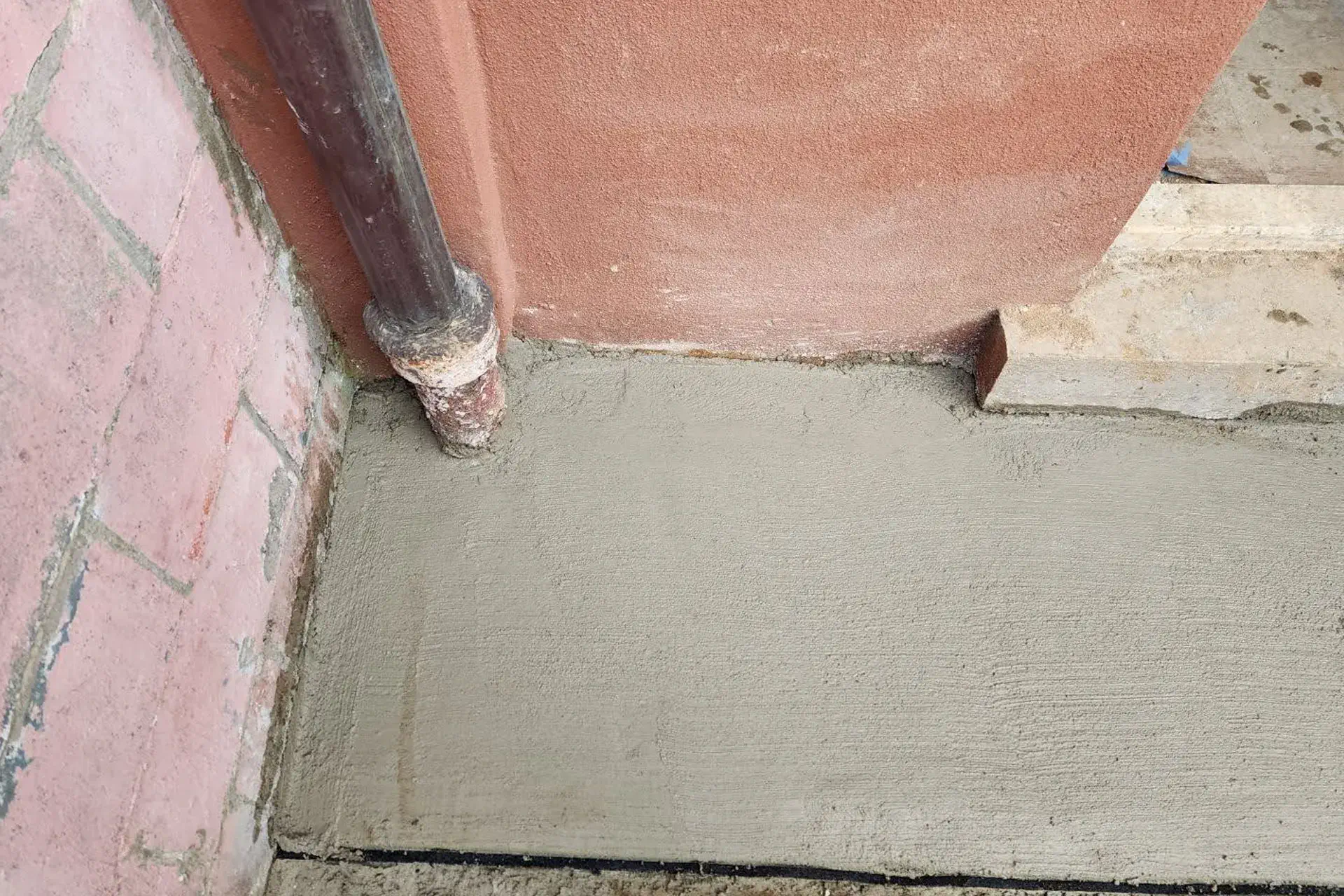
We then poured 4,000 PSI concrete mixed on site and finished it level with the existing slab to restore the area cleanly and seamlessly.
The Result:
The Brooklyn home now has a fully reinforced basement with stabilized foundation walls, modern steel column support, and a restored central beam system. Structural loads are properly distributed, moisture risks are mitigated, and the homeowner can confidently use their basement without concern for ongoing damage.
This project demonstrates Zavza Seal’s ability to handle complex structural repairs while maintaining clean workmanship and long term durability.
Why These Repairs Matter?
According to FEMA, foundation and structural failures often worsen when early signs like cracking and material loss are ignored, especially in older urban homes.
Industry standards from the International Code Council emphasize the importance of proper load support and reinforced materials in residential structures.