
The Problem:
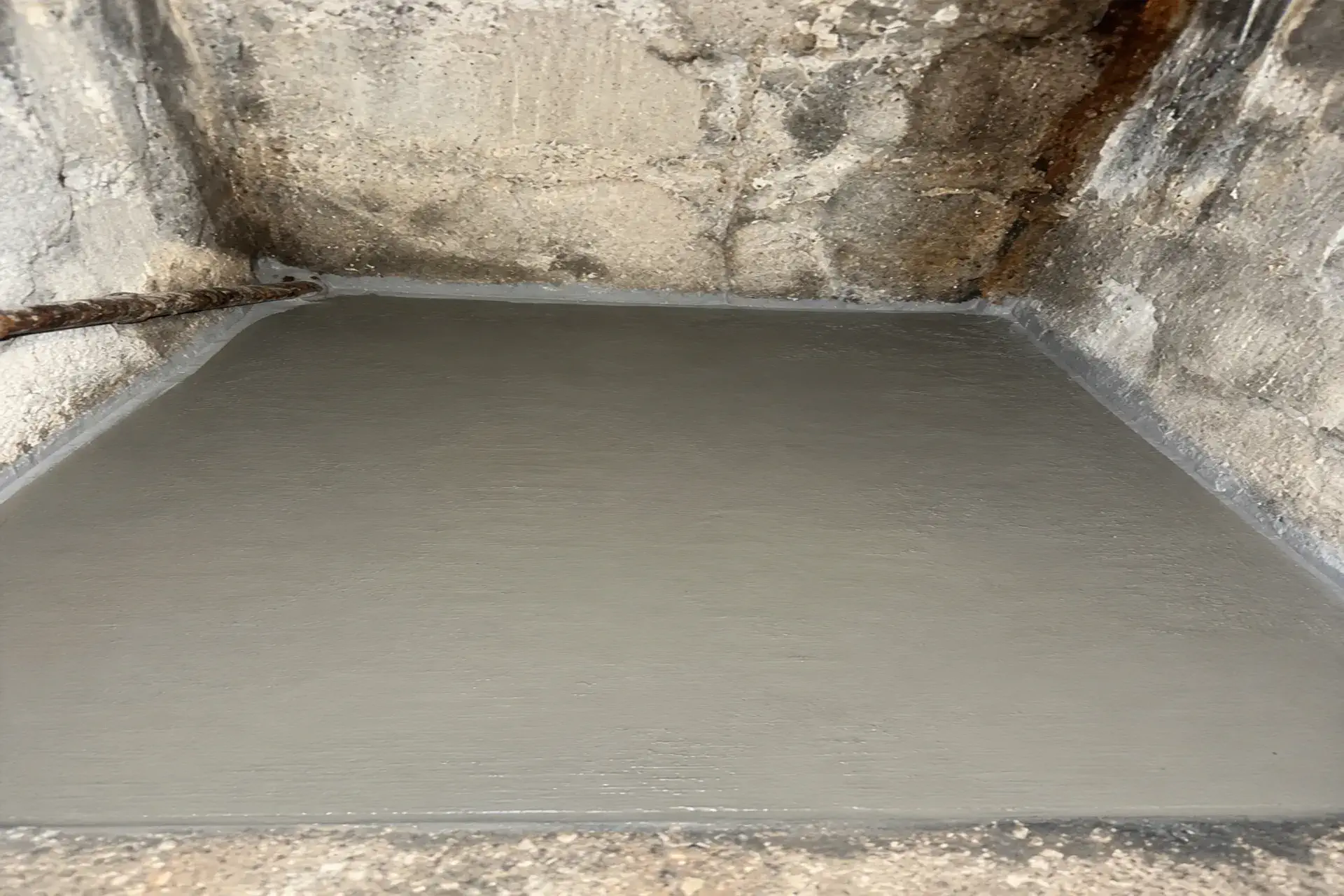
A homeowner in Brooklyn was experiencing water-related issues around their cellar entrance and basement. Surface water was collecting near the cellar entrance landing and moving toward the foundation and window area, increasing the risk of water intrusion.
During our inspection, our team also found evidence of water intrusion in several areas of the basement. Some signs appeared to be from previous moisture problems, while others indicated active water intrusion. Because water can travel through walls and foundations before becoming visible, it was not possible to determine the exact causes without further investigation.
Simply recommending repairs without identifying the source of the problem could lead to unnecessary costs and incomplete solutions.
Our Solution:
Our team developed a two-part approach to address both the exterior drainage issues and the basement water intrusion concerns.
Cellar Entrance Drainage Improvements:
To prevent water from accumulating near the cellar entrance, we performed the following work:
- Removed the existing concrete landing.
- Excavated the area to prepare for a new drainage system.
- Installed a 50-gallon drywell to collect and disperse surface water.
- Backfilled the drywell with clean drainage gravel to improve drainage performance.
- Installed a drainage line and collection system to direct water into the drywell.
- Built a reinforced concrete water barrier behind the existing window opening.
- Raised the water barrier approximately 8 to 10 inches above the existing landing elevation to help prevent water from reaching the window assembly.
- Reconstructed the concrete landing with the proper pitch to direct water away from the home and toward the drainage system.
- Cleaned the work area upon completion.
The new drainage system was designed to reduce water buildup and protect the home’s foundation and cellar entrance from future moisture problems.
Basement Water Intrusion Investigation:
Because multiple areas of water intrusion were identified in the basement, our project manager recommended exploratory work before performing repairs.
The investigation included:
- Photo and video documentation.
- Inspection of foundation walls.
- Moisture and infrared testing when needed.
- Water testing to identify leak sources.
- Measurements and analysis of the surrounding areas.
- Limited exploratory openings where necessary to inspect hidden conditions.
Once the investigation is completed, homeowners receive:
- The exact location and cause of every water intrusion.
- A detailed repair plan.
- An accurate estimate for the recommended waterproofing work.
Why Proper Drainage Matters?
Many basement leaks begin outside the home. Poor drainage around cellar entrances and foundation walls can allow water to collect and slowly make its way indoors.
Installing proper drainage systems and identifying the true source of water intrusion are critical steps in preventing long-term damage such as:
- Mold growth.
- Foundation deterioration.
- Interior water damage.
- Increased repair costs.
At Zavza Seal, we focus on solving the root cause of water problems rather than simply treating the symptoms.
The Result:
By improving the cellar entrance drainage system and performing a thorough water intrusion investigation, we were able to provide the homeowner with a clear and cost-effective plan for protecting their property.
Proper drainage and accurate leak detection are essential for keeping basements dry and preventing future water damage.
We also stand behind our waterproofing solutions with a 40-year warranty, giving homeowners added peace of mind.
Need Basement Waterproofing or Drainage Improvements in Brooklyn, NY?
If you’re dealing with water intrusion, poor drainage, or basement leaks, our team can help identify the source of the problem and recommend the right waterproofing solution for your home.