
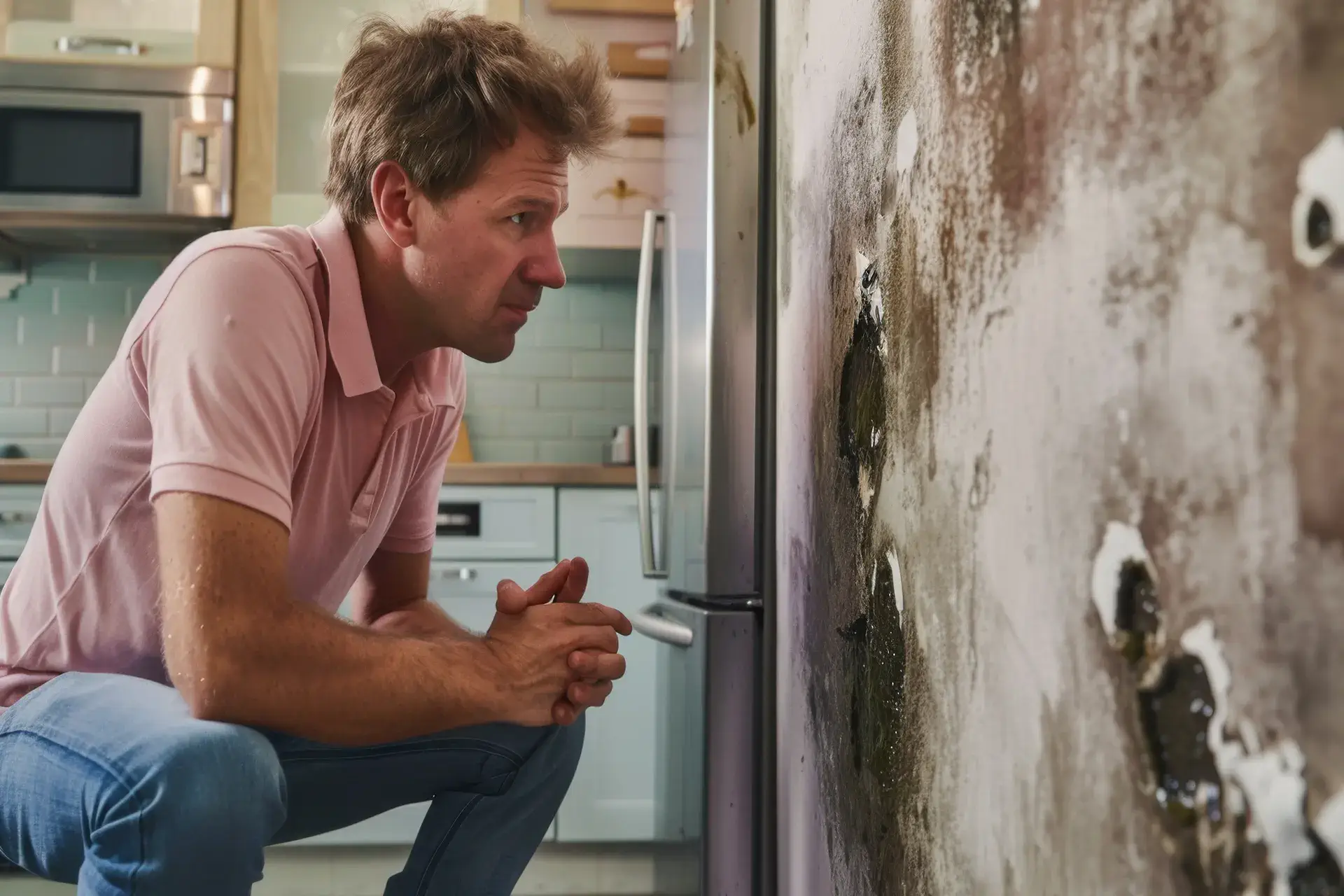
Putting a home on the market takes more than cleaning, staging, and taking great photos. One thing that often gets overlooked is water damage.
Many sellers don’t realize that small moisture problems can become major concerns during a home inspection. What seems like a harmless water stain or a damp basement corner to a homeowner may immediately raise red flags for a buyer.
For Realtors, helping clients identify these issues before listing can prevent last-minute surprises, reduce difficult negotiations, and help keep the transaction moving smoothly.
Why Water Damage Matters Before Listing
Water damage is one of the most common issues that can impact buyer confidence. Buyers often associate moisture problems with larger and more expensive repairs, even when the actual issue is relatively minor.
A home that has visible signs of water intrusion may receive lower offers or additional repair requests. In some cases, buyers may walk away simply because they are unsure of what they’re getting into.
The good news is that many moisture-related problems can be identified and addressed before the home ever goes on the market.
Start With the Basement
The basement is one of the first places buyers and home inspectors pay attention to when looking for signs of water damage.
Sellers should take a few minutes to look for water stains on walls or floors, musty smells, peeling paint, or small foundation cracks. Even if the basement only gets damp during heavy rain, it is worth addressing before listing the property.
Many homeowners have lived with minor basement issues for years and simply consider them part of the house. Buyers, however, usually do not see them the same way.
Don’t Forget the Crawl Space
The crawl space is easy to ignore because most homeowners rarely spend time there. Home inspectors, on the other hand, make it a priority.
Excess moisture in a crawl space can lead to mold growth, wood rot, damaged insulation, and poor indoor air quality. Moisture problems in this area can also make buyers worry about the overall condition of the home.
If there are signs of standing water or damp conditions, it’s much better to address them before they become part of an inspection report.
Check Around Windows and Exterior Walls
Water does not always enter a home through the basement or crawl space. Over time, small gaps around windows and exterior walls can allow moisture to make its way inside.
Take a close look for bubbling paint, water stains, damaged caulking, or soft drywall near windows. These are often small issues that can be repaired quickly, but they can make buyers question whether water has been entering the home for years.
A little preventative maintenance can go a long way when preparing a home for sale.
Inspect Bathrooms and Plumbing Areas
Bathrooms are another area where water damage frequently goes unnoticed. Slow leaks under sinks or damaged caulking around tubs and showers may not seem urgent, but they are easy for inspectors to spot.
Before listing a home, sellers should check under sinks, around toilets, and along bathroom walls for any signs of moisture or mold.
Fixing a minor plumbing leak before the home hits the market is usually much easier and less expensive than negotiating repairs during closing.
Take a Walk Around the Outside of the Home
Sometimes, the source of water problems starts outside.
Poor drainage can cause water to collect near the foundation and eventually find its way into basements and crawl spaces. Sellers should look for clogged gutters, improperly placed downspouts, or areas where water pools near the house after it rains.
The way water moves around a property can have a significant impact on its condition over time. Improving drainage before listing can help prevent buyers from raising concerns later.
Small Repairs Can Make a Big Difference
Many water damage issues are easier and less expensive to repair than homeowners expect. Taking care of moisture problems early can help preserve the home’s value and give buyers greater confidence in the property’s condition.
Homes that have been well maintained are easier to market and often lead to smoother negotiations. Buyers appreciate knowing that potential issues have already been addressed.
The Bottom Line
Water damage doesn’t have to become an obstacle during a home sale. A little preparation before listing can help sellers avoid inspection surprises and make the entire transaction less stressful.
For Realtors, encouraging clients to check these five areas before putting their home on the market is a simple way to protect property value and improve the selling experience.
At Zavza Seal, we work with homeowners and Realtors throughout Long Island, Brooklyn, Queens, and the Bronx to identify and repair moisture problems before they impact a sale. Addressing water damage early can make all the difference when it’s time to close.