
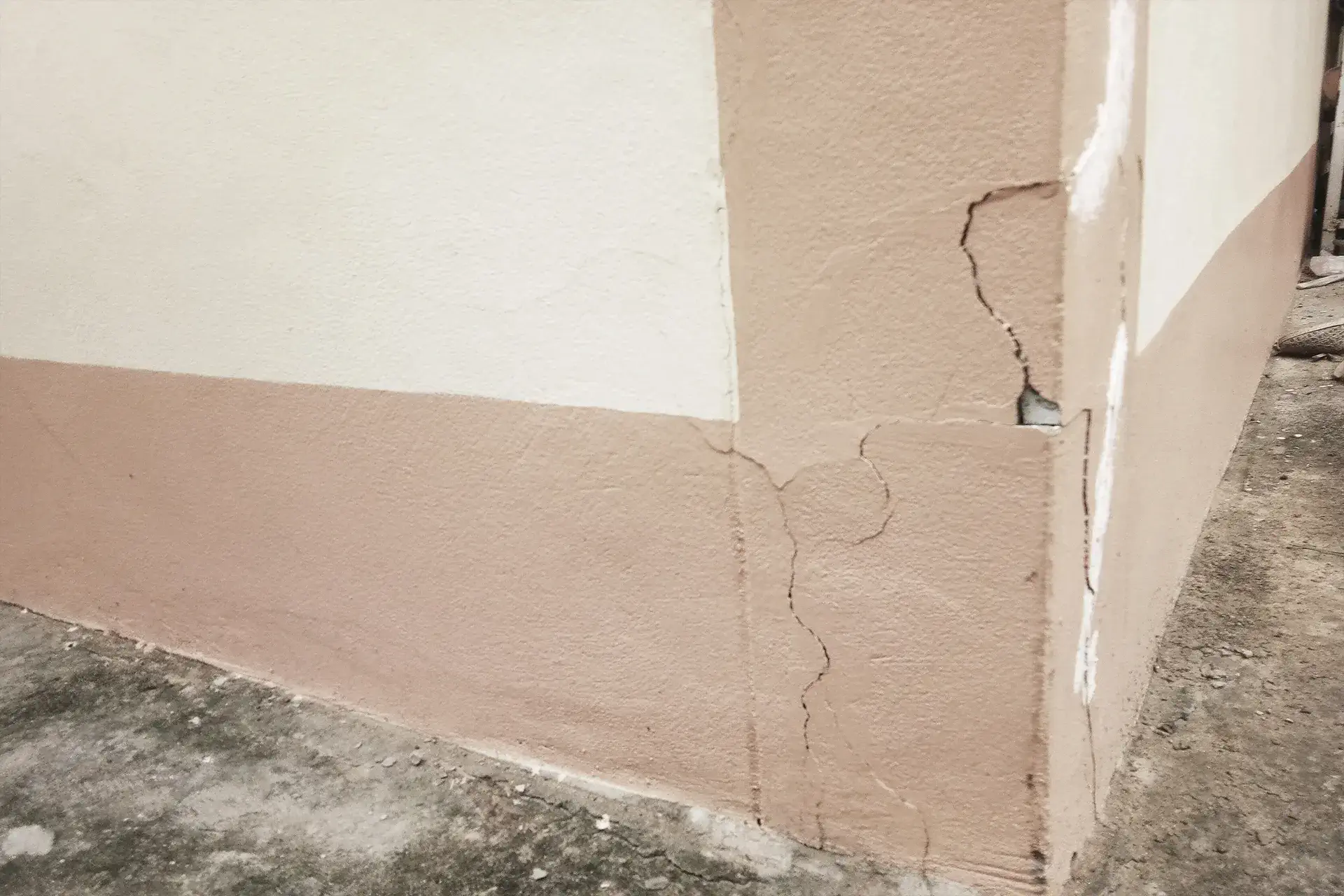
A foundation crack can be alarming, especially if you’re getting ready to sell your home. Many sellers immediately assume the worst, while buyers often hear the word “foundation” and think expensive structural repairs are ahead.
The truth is that not all foundation cracks are serious. In fact, some are simply a normal part of how concrete behaves over time. The key is knowing which cracks can be monitored and which ones should be professionally evaluated before putting a home on the market.
For Realtors, understanding the difference can help sellers avoid unnecessary stress and prevent surprises during the home inspection process.
Are Foundation Cracks Always a Problem?
Not necessarily.
Homes naturally settle as they age. Changes in temperature, soil movement, and normal settling can all cause concrete to develop small cracks over time. In many cases, these cracks are cosmetic and do not affect the structural integrity of the home.
Foundation cracks are common, especially in older homes. Finding one does not automatically mean that a home has a major structural issue.
However, not all cracks should be treated the same way. Knowing what to look for is important when preparing a property for sale.
What Types of Foundation Cracks Are Usually Less Concerning?
Some foundation cracks are relatively minor and are often straightforward to repair if necessary.
For example, small vertical cracks or thin hairline cracks in poured concrete foundations are usually caused by normal settling or concrete shrinkage. These cracks may need sealing to prevent water intrusion, but they do not always indicate a serious structural problem.
If a crack is narrow, stable, and shows no signs of movement or moisture, it may simply require monitoring or a minor repair.
That said, every foundation is different. When sellers are unsure, it is always worth having the crack evaluated before listing the property.
When Should Sellers Be Concerned?
Some foundation cracks deserve closer attention, especially when they are accompanied by other warning signs.
Sellers should consider having their foundation inspected if they notice:
- Horizontal cracks along foundation walls.
- Cracks that appear to be widening over time.
- Water leaking through the crack.
- Bowing or leaning foundation walls.
- Uneven or sloping floors.
- Doors or windows that suddenly become difficult to open or close.
These issues do not automatically mean that major structural repairs are needed, but they can indicate foundation movement or moisture problems that should not be ignored.
Addressing these concerns before listing a home can help prevent difficult conversations later during negotiations.
How Foundation Cracks Can Affect a Home Sale
Foundation cracks can have a bigger impact on buyer confidence than many sellers realize.
Most buyers are not contractors or engineers. When they see a foundation crack mentioned in a home inspection report, they often assume it will be expensive to repair.
This can lead to questions like:
- Is the home structurally sound?
- Will the crack get worse over time?
- Are there hidden water damage issues?
- Will future repairs be costly?
Even minor cracks can become a concern when buyers are given limited information. Providing documentation that explains the condition of the foundation can make a significant difference during a transaction.
Why Sellers Should Address Foundation Concerns Before Listing
The best time to deal with foundation concerns is before buyers ever walk through the front door.
A professional evaluation can provide clarity and help sellers understand whether repairs are necessary. In many cases, minor issues can be addressed quickly and documented for potential buyers.
Taking action early can help:
- Build buyer confidence.
- Reduce repair requests during negotiations.
- Avoid inspection surprises.
- Help preserve the home’s value.
Sellers are always in a stronger position when they understand the condition of their home before putting it on the market.
When to Call a Foundation Professional
Not every foundation crack requires repair, but some situations should not be ignored.
If sellers notice multiple cracks, water intrusion, visible wall movement, or signs that cracks are changing over time, it is a good idea to schedule a professional inspection.
Sometimes the biggest benefit of an inspection is peace of mind. Learning that a crack is minor and easily repairable can help sellers move forward with confidence.
More importantly, it allows them to answer buyer questions honestly and provide documentation when needed.
The Bottom Line
Foundation cracks are not automatically a deal breaker.
Many are minor, common, and easily addressed. The important thing is understanding which cracks are simply cosmetic and which ones deserve further attention.
For Realtors, educating sellers about foundation cracks before listing a property can help avoid unnecessary buyer concerns and make the inspection process much smoother.
At Zavza Seal, we help homeowners and Realtors throughout Long Island, Brooklyn, Queens, and the Bronx identify and repair foundation issues before they impact a home sale. Addressing foundation concerns early can help protect property value and keep transactions moving toward closing.