
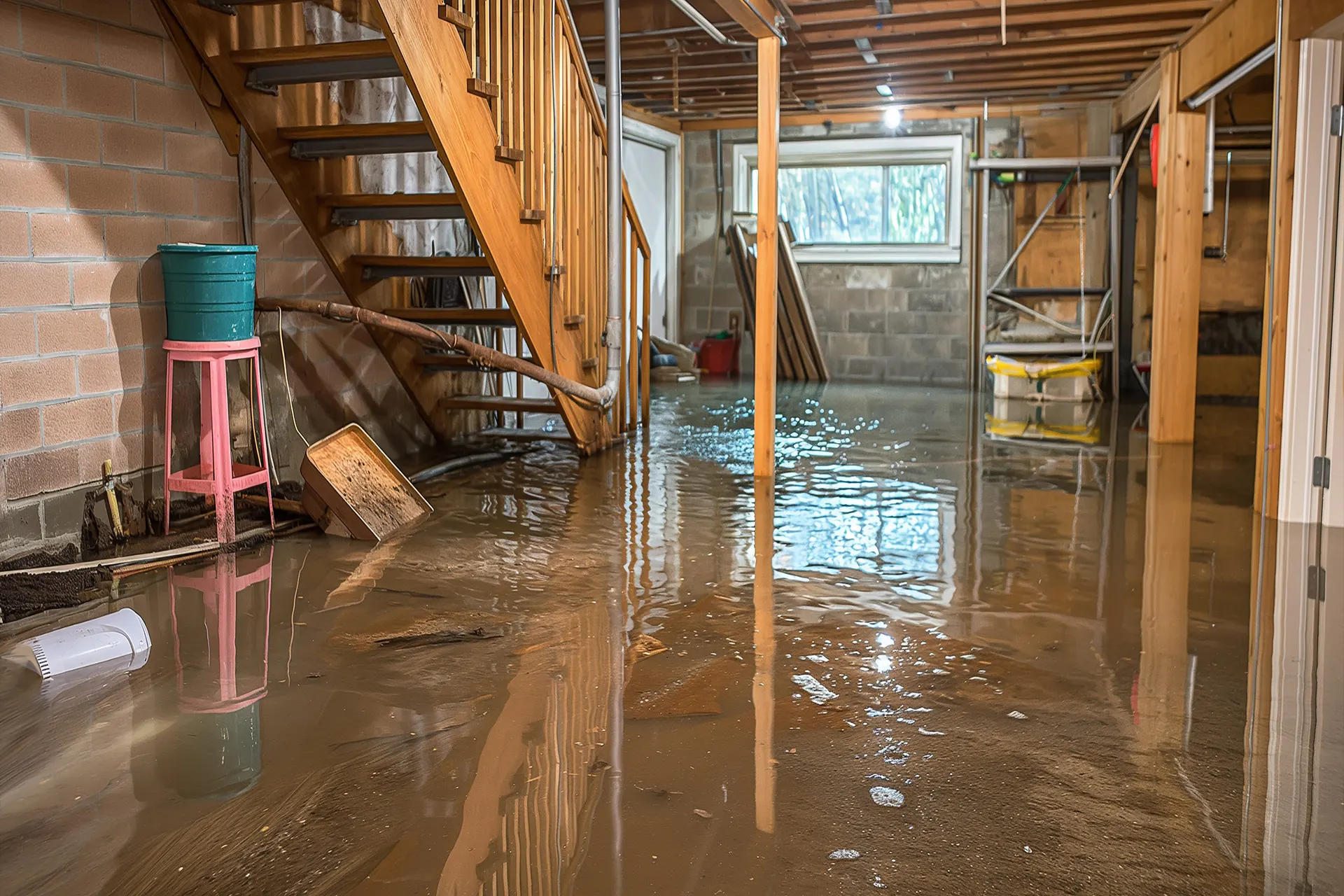
Spring is one of the busiest seasons for real estate in New York. It’s also the time of year when hidden basement problems often make themselves known. Heavy rain, melting snow, and rising groundwater levels can expose moisture issues that homeowners may not notice during the colder months.
For Realtors, basement problems can quickly become obstacles during a home sale. Buyers are naturally concerned about water damage, mold, and foundation issues, especially when they appear during a home inspection.
Understanding the most common basement problems caused by spring rain can help Realtors better prepare their clients and avoid surprises during the buying or selling process.
Why Spring Rain Creates Basement Problems
Spring weather brings more than warmer temperatures. Increased rainfall can put extra pressure on a home’s drainage system and foundation.
When the ground becomes saturated with water, that moisture needs somewhere to go. If a home’s drainage system is not working properly, water can find its way into the basement through foundation cracks, basement walls, or poorly sealed openings.
Many homes throughout Long Island, Brooklyn, Queens, and the Bronx are older properties that may already have drainage or waterproofing issues. Spring rain often reveals problems that homeowners have unknowingly been living with for years.
Even a small amount of moisture can become a bigger issue if it is left untreated.
The Most Common Basement Problems Realtors See in the Spring
One of the most common complaints homeowners have during the spring is finding water in the basement after a heavy rainstorm. Sometimes, it’s only a small puddle near a wall or window. Other times, homeowners may notice damp spots or moisture stains that weren’t there before.
A musty smell is another sign that excess moisture may be present. Basements naturally have less airflow than the rest of the home, making them more vulnerable to humidity and mold growth when water intrusion occurs.
Foundation cracks can also become more noticeable during the spring. Water can seep through even small cracks and eventually lead to larger moisture problems if repairs are delayed.
Some homeowners may also notice white powdery stains on their basement walls, known as efflorescence. While it may not seem like a major concern at first, it is often a sign that water is moving through the foundation.
These issues do not always mean a home has serious structural damage, but they should never be ignored, especially during a real estate transaction.
How Basement Problems Affect Real Estate Transactions
Basement moisture issues can create uncertainty for buyers. Even minor water problems may lead buyers to question whether larger issues are hiding behind the walls or beneath the foundation.
During a home inspection, signs of moisture can result in repair requests, price negotiations, or additional inspections. In some cases, they may even delay closing if buyers are uncomfortable moving forward without answers.
Sellers are often surprised to learn that something as simple as a damp basement corner can become a major discussion point during negotiations.
When moisture problems are addressed early, Realtors can help keep transactions moving smoothly and build buyer confidence.
What Realtors Should Look for During a Showing
Realtors don’t need to be waterproofing experts to recognize potential warning signs.
If a basement smells musty, feels damp, or has visible water stains on the walls or floor, it is worth taking a closer look. Peeling paint, discoloration, or signs of previous water damage may indicate that moisture has been present for some time.
Pay attention to foundation cracks and ask sellers whether they have experienced basement leaks during heavy rain. Homeowners may not always volunteer this information unless they are specifically asked.
A dry and well-maintained basement can be a major selling point. Identifying potential concerns early allows sellers to address them before buyers do.
Real-Life Example: A Basement Leak That Almost Delayed Closing
A homeowner in Queens listed their property during the spring market and received an offer shortly after. Everything was moving smoothly until the buyers conducted their home inspection.
Following several days of heavy rain, the inspector discovered moisture stains along one basement wall. The buyers immediately became concerned about possible flooding and future repair costs.
The seller scheduled a professional waterproofing inspection, which identified a drainage issue that could be repaired before closing. Once the problem was addressed and documentation was provided, the buyers felt comfortable moving forward with the purchase.
By acting quickly, the seller avoided unnecessary delays and helped keep the transaction on track.
How Sellers Can Prepare Before Listing Their Home
Spring is an excellent time for homeowners to inspect their basements before putting their homes on the market.
Checking for leaks, moisture, and drainage problems early can help avoid last-minute surprises during negotiations. Addressing minor issues before listing is often far less stressful than trying to make repairs after a buyer’s inspection report.
Homeowners should pay close attention to signs of water intrusion after heavy rainfall. Keeping gutters clean, improving drainage around the home’s foundation, and repairing minor cracks can all help reduce the risk of moisture problems.
If water issues have been recurring, it may be worth considering professional basement waterproofing solutions before listing the property.
Why Basement Waterproofing Can Protect Property Value
A dry basement provides more than just peace of mind. It can also help protect a home’s value and improve buyer confidence.
Homes that show signs of water damage often raise concerns about future maintenance costs. Buyers want to know that a property’s foundation and living spaces have been properly protected from moisture.
Basement waterproofing solutions can help prevent water intrusion, reduce mold risks, and improve the overall condition of a home. When moisture issues have been professionally addressed, sellers are often in a stronger position during negotiations.
For Realtors, understanding the value of waterproofing can help clients make informed decisions before listing or purchasing a property.
Conclusion
Spring rain has a way of exposing hidden basement problems that homeowners may not notice during other times of the year. From basement leaks and moisture issues to foundation concerns, these problems can affect both property value and real estate transactions.
For Realtors working in Long Island, Brooklyn, Queens, and the Bronx, recognizing the signs of basement moisture problems can make a significant difference during the home-buying and selling process.
Addressing water issues early helps protect homes, build buyer confidence, and create smoother transactions for everyone involved.
Frequently Asked Questions
Why do basements leak more during the spring?
Spring rain and rising groundwater levels increase the amount of moisture surrounding a home’s foundation, making basement leaks more likely.
What causes water in a basement after heavy rain?
Poor drainage, foundation cracks, clogged gutters, and inadequate waterproofing are some of the most common causes.
Can a wet basement affect a home’s value?
Yes. Moisture problems can raise concerns during inspections and may affect buyer confidence and negotiations.
What do home inspectors look for in basements?
Inspectors typically look for water damage, mold, foundation cracks, moisture stains, and signs of drainage problems.
Should sellers waterproof their basement before listing?
If moisture issues are present, addressing them before listing can help prevent delays and improve buyer confidence.
How can I prevent basement moisture problems?
Proper drainage, regular maintenance, foundation repairs, and professional waterproofing solutions can help keep basements dry throughout the year.