
How a Blower Door Test for Air Leakage Finds Hidden Energy Loss
Many homeowners feel uncomfortable in their homes but cannot clearly understand why. One room feels too hot, another feels too cold, and energy bills keep going up.
In most cases, the hidden reason is air leakage.
Air leaks are small gaps in your home that let outside air come in and let conditioned air escape. You cannot always see them, but you can feel the impact every day.
A blower door test for air leakage helps find these hidden problem areas so you are not guessing anymore. It shows exactly where your home is losing air and energy.
What Are Air Leaks in a Home?
Air leaks are small openings in your home where air moves in and out without control. This means warm or cool air that your HVAC system produces does not stay inside your living space.
Instead, it escapes through gaps, and outside air enters in its place.
Common areas where air leaks happen include:
- Attics
- Rim joists
- Crawl spaces
- Around windows and doors
- Recessed lighting
- Plumbing and electrical openings
Older homes in places like Long Island and New York City often have more air leakage because they were built before modern air sealing standards.
6 Common Signs Your Home Has Air Leaks
- Uneven Temperatures Between Rooms
One of the most common signs is when different rooms feel completely different.
Upstairs may feel too hot in summer and too cold in winter while downstairs feels fine. This imbalance often points to air moving where it should not.
- Drafts Around Windows, Doors, or Floors
If you feel air movement even when everything is closed, that is a strong sign of leakage.
Drafts are often felt near:
- Window frames
- Door edges
- Attic access points
- Basement areas
- High Heating and Cooling Bills
If your energy bills are rising without a clear reason, air leakage may be the cause.
When air escapes, your HVAC system has to work longer and harder to keep the home comfortable.
- Rooms That Never Feel Comfortable
Some rooms may always feel too humid, too cold, or too stuffy no matter how much you adjust the thermostat.
This usually means air is entering or leaving those spaces in an uncontrolled way.
- Dust, Allergies, or Poor Indoor Air Quality
Air leaks allow outside dust, pollen, and pollutants to enter your home easily.
This can make allergies worse and reduce indoor air quality.
- Ice Dams or Moisture Problems
In colder weather, air leaks in the attic can lead to uneven roof temperatures. This can cause ice dams and moisture buildup, which may damage your roof over time.
Why Air Leaks Cause Bigger Problems Over Time
Air leaks do not stay small problems. They usually get worse because they affect your entire home system.
Over time, they can lead to:
- Higher energy costs every month
- Extra strain on heating and cooling systems
- Lower comfort in all seasons
- Moisture and condensation issues
- Insulation not working properly
This is why finding and sealing leaks early is important.
How a Blower Door Test for Air Leakage Works
A blower door test is a simple but powerful way to find air leaks in a home.
Here is how it works in simple terms:
A special fan is placed in an exterior door. This fan pulls air out of the house and slightly lowers the indoor air pressure.
When this happens, outside air starts entering through all the hidden gaps.
This makes leaks easier to find.
Professionals then:
- Feel for air movement
- Use smoke pencils or similar tools
- Sometimes use thermal imaging to see temperature changes
- Identify the exact locations where air is escaping or entering
This removes guesswork and shows real problem areas.
What a Blower Door Test Can Reveal
A blower door test often reveals issues homeowners never expected.
It can show:
- Hidden attic air leakage
- Air movement in basement and rim joists
- Gaps around recessed lighting
- Leaks around plumbing and electrical openings
- Areas where most conditioned air is being lost
Many homeowners are surprised to learn that windows are not always the main problem. Often, the biggest leaks are in places they never considered.
When You Should Schedule a Blower Door Test
A blower door test is helpful in many situations, especially when:
You are planning insulation upgrades
You are considering spray foam work
You are remodeling or adding new space
Your energy bills are rising without explanation
Your home feels uncomfortable in different seasons
You want to improve energy efficiency
Testing before improvements is important because it shows what actually needs fixing.
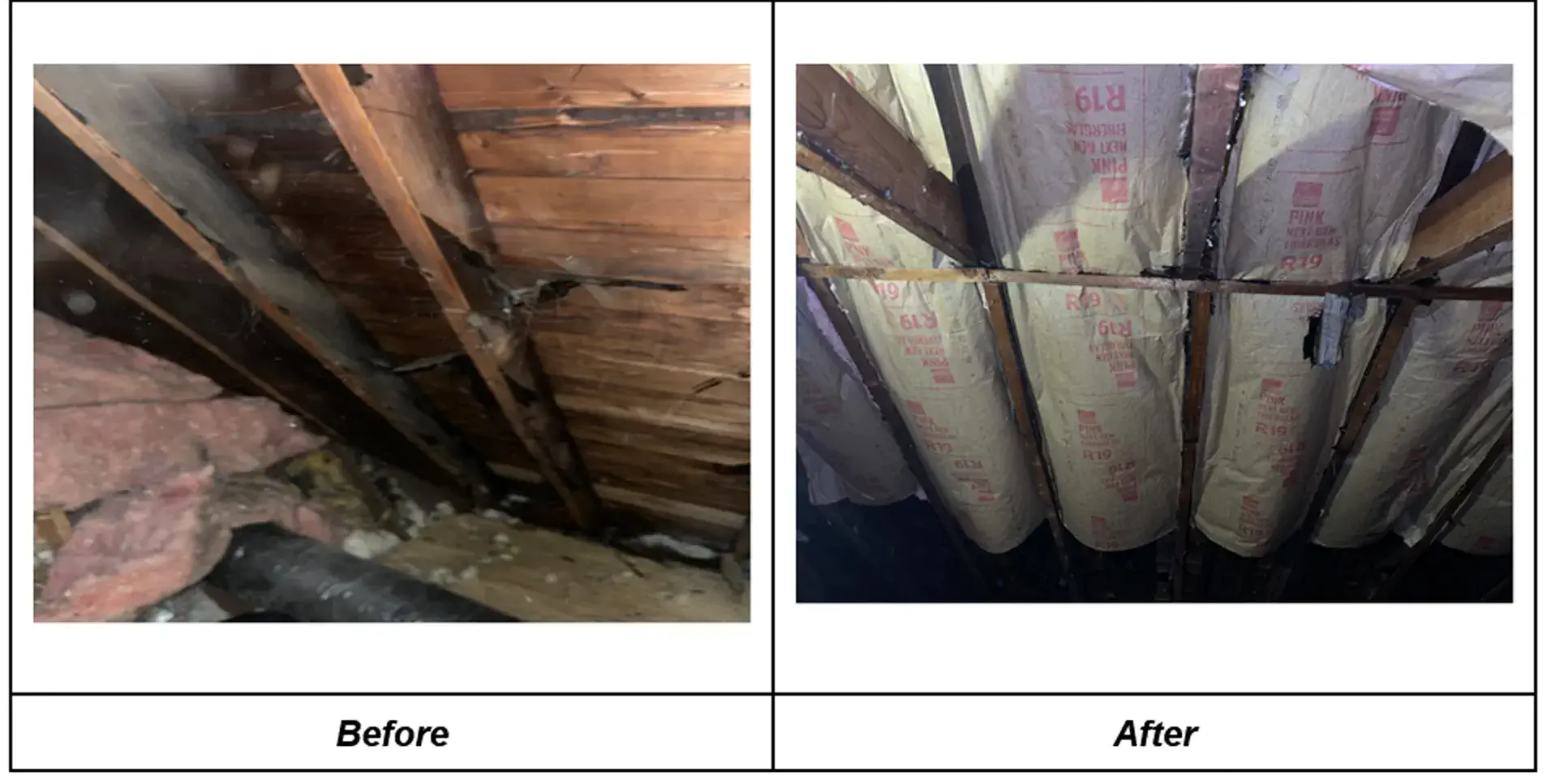
Real Example of Hidden Air Leakage in a New York Home
A homeowner in New York City believed their comfort issues were caused by old windows.
They felt drafts, uneven temperatures, and high energy bills.
But after a blower door test for air leakage, the real problem was found in the attic and basement areas.
Most of the air was escaping through hidden gaps, not the windows.
After sealing those areas and using insulation as well, the home became more comfortable, and the HVAC system did not need to run as often.
Read the full case study here.
How Zavza Seal Helps Identify and Fix Air Leaks
The goal is not just to find problems but to understand what is actually causing them.
At Zavza Seal, the approach is simple:
Find where air is entering and escaping
Explain the results in clear, simple terms
Focus on real solutions, not guesswork
Work with homes across Long Island and NYC areas
Improve comfort and energy efficiency in a practical way
Every home is different, so the solution is based on what the test actually shows.
Final Thoughts on Signs of Air Leakage
If your home feels uncomfortable, it is often not random. Hidden air leaks are one of the most common reasons.
A blower door test for air leakage helps remove guesswork and shows exactly where the problem is.
Once leaks are sealed, most homeowners notice better comfort, lower energy bills, and a more stable indoor temperature.
Frequently Asked Questions
What are the signs of air leaks in a home?
Common signs include drafts, uneven temperatures, high energy bills, and rooms that never feel comfortable.
How does a blower door test find air leakage?
It lowers indoor air pressure so outside air enters through gaps, making leaks easier to detect.
Are air leaks common in older homes?
Yes, especially in older homes in areas like Long Island and New York City where building standards were different in the past.
Can air leaks increase energy bills?
Yes. Air leaks force heating and cooling systems to work harder, which increases energy use.
Should air leaks be sealed before insulation?
Yes. Sealing leaks first ensures insulation works properly and gives better results.
How long does a blower door test take?
Most tests take about 1 to 2 hours depending on the size of the home.
Is blower door testing worth it for comfort problems?
Yes. It helps identify the real cause of discomfort instead of guessing, which leads to better and more effective solutions.