
Cellulose Insulation Services
IN BROOKLYN, QUEENS, LONG ISLAND & Bronx, NY.
 5-Star Rated Contractor
- Proactive Problem Solvers
- 30+ Years of Experience
- Licensed, Bonded & Insured
- Tailored Solutions to Fit Your Unique Needs
- Unmatched Quality and Attention to Detail
- 40 Year Warranty
- 100% Satisfaction Guarantee
GET YOUR FREE, NO-OBLIGATION
Crawl Space Insulation Estimate Now!
We’ve helped thousands of New York residents in the last 30 years. Call us now and let us help you!

TOP-RATED EXPERTS IN Cellulose INSULATION
in New York!









Fill Out The Form Below
To Get A FREE Estimate!

What makes Zavza Seal
THE BEST OPTION FOR YOU?

Licensed & Insured

20-Year Warranty
We back our work with a 20-year warranty, demonstrating our commitment to long-lasting quality and durability.

Proactive Problem Solvers

5 Star
Service
Elevate your home with our 5-Star rated contracting, where premium quality meets a steadfast 20-year warranty commitment.
Community – Centric

What Our Customers Say
On Our Recent Insulation Completed Works

Gregory Paragh

They complete the work to the specification they outlined or better, for a very reasonable price which they are willing to work with you on. Good people and great work.

Mike Delafraz

Patrick
Read Our
Cellulose Insulation Case Studies
https://zavzaseal.com/case-study/case-study-dense-pack-cellulose-insulation-in-queens-ny/
https://zavzaseal.com/case-study/attic-insulation-and-air-sealing-in-queens-village-ny/
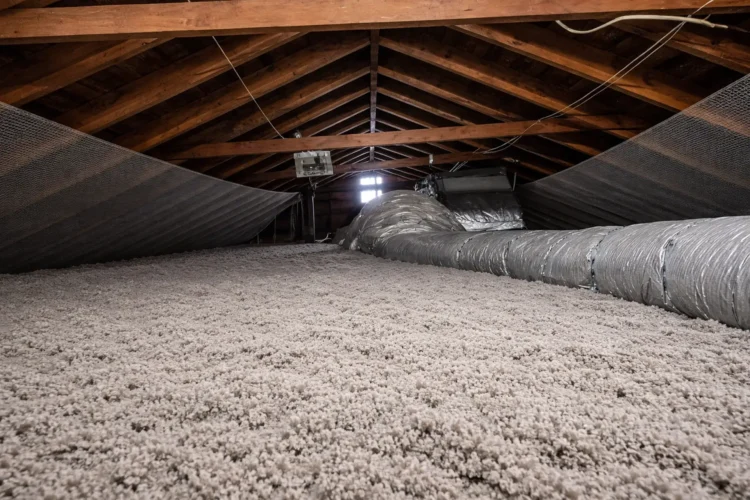
What Is Cellulose Insulation?
Cellulose insulation is made from recycled paper materials that are treated for fire resistance and durability. It is designed to fill gaps, reduce airflow, and create a consistent thermal barrier throughout your home.
Unlike traditional materials, cellulose insulation adapts well to irregular spaces. This makes it a strong option for both attics and wall cavities.
Homeowners often choose cellulose insulation because it offers:
- Strong thermal performance
- Improved air sealing compared to basic materials
- Eco-friendly composition
- Reliable coverage in hard-to-reach areas
Cellulose insulation is one of the most effective ways to improve energy efficiency, reduce drafts, and make your home more comfortable year-round. It is especially popular in older homes where existing insulation is no longer performing the way it should.
At Zavza Seal, we install high-performance cellulose insulation using proven methods that ensure full coverage, proper density, and long-term results.
Blown-In Cellulose Insulation for Full Coverage
Blown in cellulose insulation is one of the most effective ways to insulate attics and enclosed spaces. The material is installed using specialized equipment that distributes it evenly across the area.
This process is often referred to as:
- Cellulose blown in insulation
- Blown cellulose insulation
- Cellulose blow in insulation
No matter the term, the goal is the same. Achieve complete coverage without gaps or voids.
Blown in cellulose insulation works especially well for:
- Attics with uneven or hard-to-reach spaces
- Retrofitting insulation in existing homes
- Improving insulation without major construction
When installed correctly with a professional cellulose insulation blower, the material settles densely and performs consistently over time.
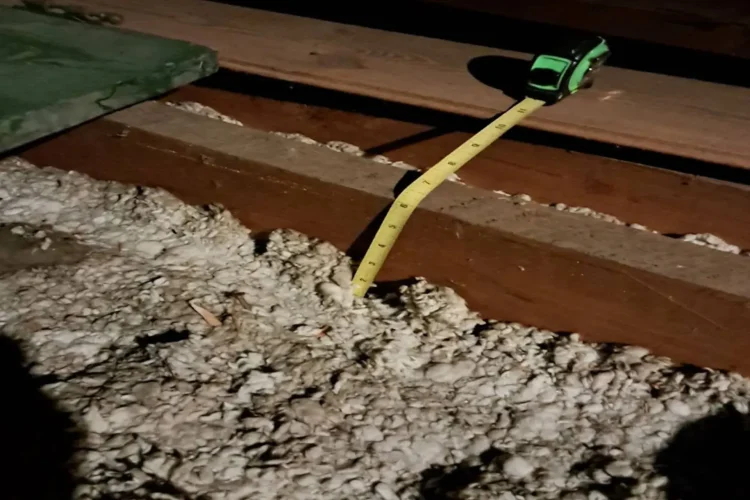
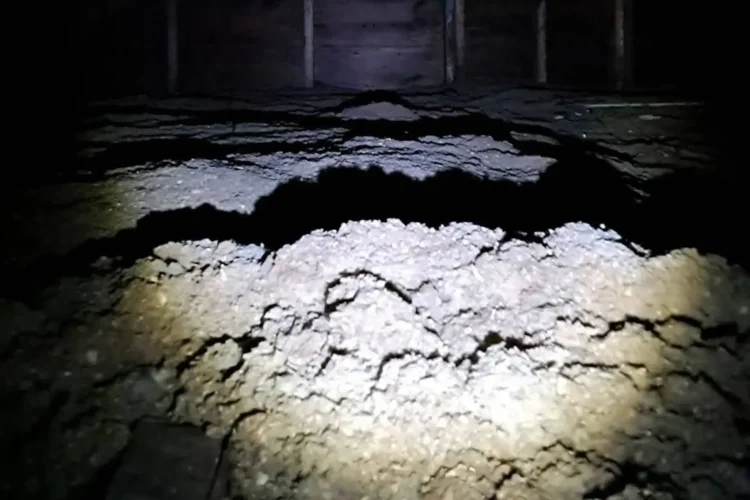
Cellulose Attic Insulation Benefits
Your attic is one of the biggest sources of energy loss. Upgrading to cellulose attic insulation can make a noticeable difference in both comfort and energy costs.
Key benefits include:
- Better temperature control throughout the home
- Reduced heat loss in winter and heat gain in summer
- Lower monthly energy bills
- Improved indoor comfort
Blown in cellulose insulation is particularly effective in attics because it fills around joists, wiring, and other obstructions that traditional insulation may miss.
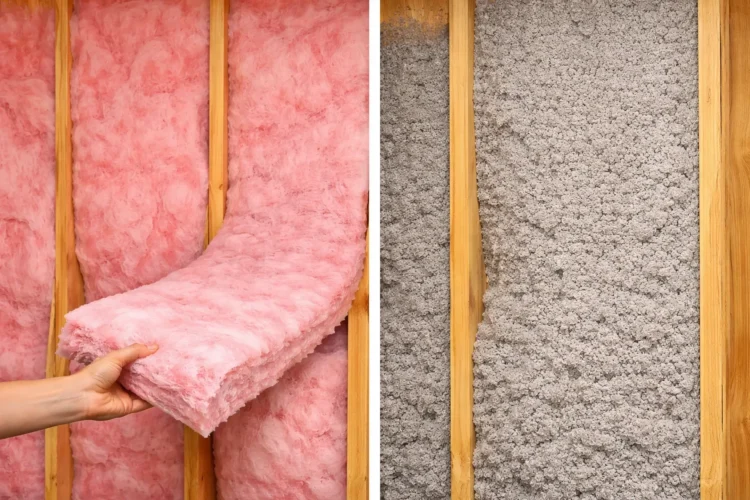
Cellulose vs Fiberglass Insulation
Many homeowners compare cellulose vs fiberglass insulation when deciding on the best option.
Here is a simple breakdown:
Cellulose insulation
- Higher density helps reduce airflow
- Better coverage in irregular spaces
- Made from recycled materials
- Often performs better in older homes
Fiberglass insulation
- Lower upfront cost
- Common in newer construction
- Easier to install in open wall cavities
When comparing blown in fiberglass vs cellulose insulation, cellulose typically provides better air resistance and more consistent coverage, especially in attics.
For homeowners dealing with drafts or uneven temperatures, fiberglass vs cellulose blown insulation often comes down to performance versus cost.
Where Cellulose Insulation Works Best
Cellulose insulation is versatile and can be used in several key areas of your home. Most common applications include:
- Attics using blown in cellulose insulation
- Walls using dense-pack cellulose
- Enclosed cavities in older homes
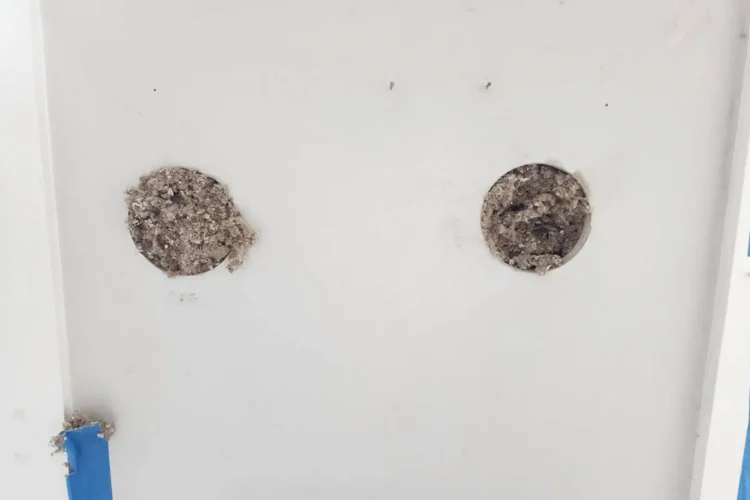
At Zavza Seal we can install the insulation both internally or externally as needed, to prevent any interior damage or disruption. We will try to protect the finishing as much as possible and don’t always need to drill the holes in the finished drywall; we can remove the outside frame and inject insulation externally instead.
How We Install Cellulose Insulation
Proper installation is what makes cellulose insulation perform at its best. We use professional-grade equipment to ensure the right density and coverage.
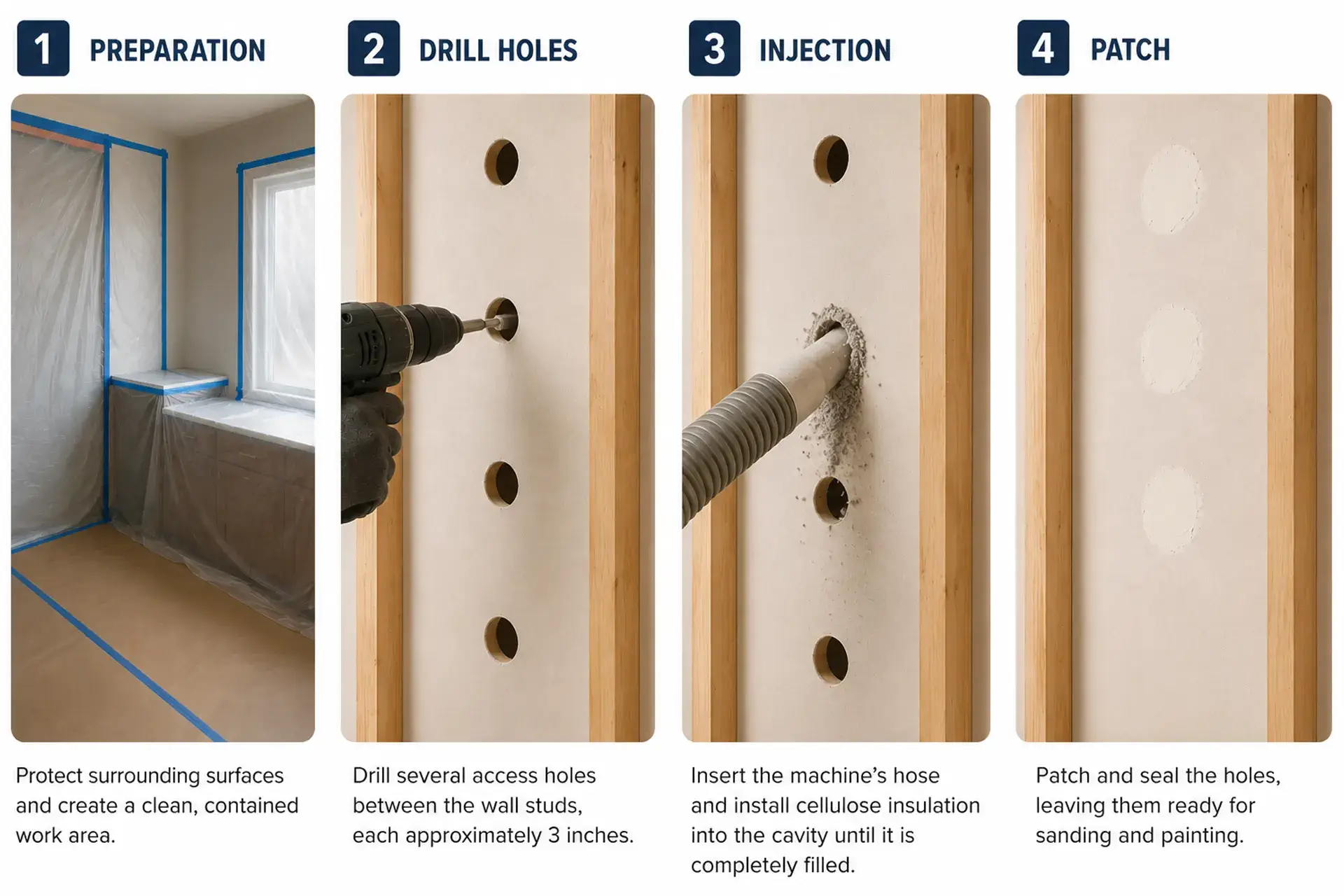
Our 4-step process includes:
- Preparation: We install plastic sheeting over cabinets, drawers, furniture, flooring, beds, windows, and other exposed surfaces to protect the home during installation. Temporary vapor-barrier containment walls may also be constructed approximately 2–3 feet from the exterior walls being insulated to help contain dust and debris. High-traffic walkways are protected with brown paper to minimize dust and maintain a clean work area.
- Drill Access Holes: We drill multiple access holes, approximately 3 inches in diameter, between the wall studs to provide access to each wall cavity.
- Install Cellulose Insulation: Using specialized dense-pack equipment, we insert a hose through the access holes and blow cellulose insulation into each wall cavity until it reaches the required density and is completely filled, minimizing air gaps and improving thermal performance.
- Patch & Seal: Once the insulation has been installed, we patch and seal all access holes, leaving the surfaces ready for sanding, priming, and painting by others.
For homeowners looking to estimate material needs, a cellulose insulation calculator can provide a rough idea. However, a professional assessment ensures accuracy and better results.
Is Cellulose Insulation Right for Your Home?
Cellulose insulation is a strong option if you are dealing with:
- Drafty rooms or uneven temperatures
- High energy bills
- Aging or ineffective insulation
- Attic heat loss or poor coverage
It is especially effective in older homes across Brooklyn, Queens, the Bronx, and Long Island where insulation upgrades can make a significant impact.
Frequently Asked Questions
1. What is cellulose insulation made of?
Cellulose insulation is primarily made from recycled paper products, usually treated with fire-retardant chemicals to improve safety and durability.
2. Is cellulose insulation better than fiberglass insulation?
Cellulose insulation often provides better air sealing and higher density, which can improve energy efficiency. Fiberglass can be more affordable and easier to install, so the best option depends on your home and goals.
3. How long does cellulose insulation last?
Cellulose insulation can last 20 to 30 years or more when properly installed and kept dry.
4. What are the benefits of cellulose insulation?
Excellent thermal performance
Better air sealing than many alternatives
Eco-friendly and made from recycled materials
Helps reduce noise between rooms
5. Is blown-in cellulose insulation safe?
Yes, blown-in cellulose insulation is considered safe. It is treated to resist fire, pests, and mold when installed correctly.
6. How much does cellulose insulation cost?
The cost varies based on the size of the area, accessibility, and installation method. Blown-in cellulose is generally affordable compared to other insulation types.
7. Can cellulose insulation be installed over existing insulation?
Yes, cellulose insulation can often be added on top of existing insulation to improve overall energy efficiency.
8. Does cellulose insulation settle over time?
Some settling can occur, but professional installation techniques are designed to minimize this and maintain performance.
9. Where can cellulose insulation be installed?
Cellulose insulation is commonly used in:
- Attics
- Walls
- Crawl spaces
10. Is cellulose insulation good for soundproofing?
Yes, its dense composition helps reduce noise transfer, making it a great option for improving indoor sound control.
Looking for a complete insulation solution? Explore all our offerings on our Insulation Services page.



Our Service Area Zip Codes
In Long Island NY