
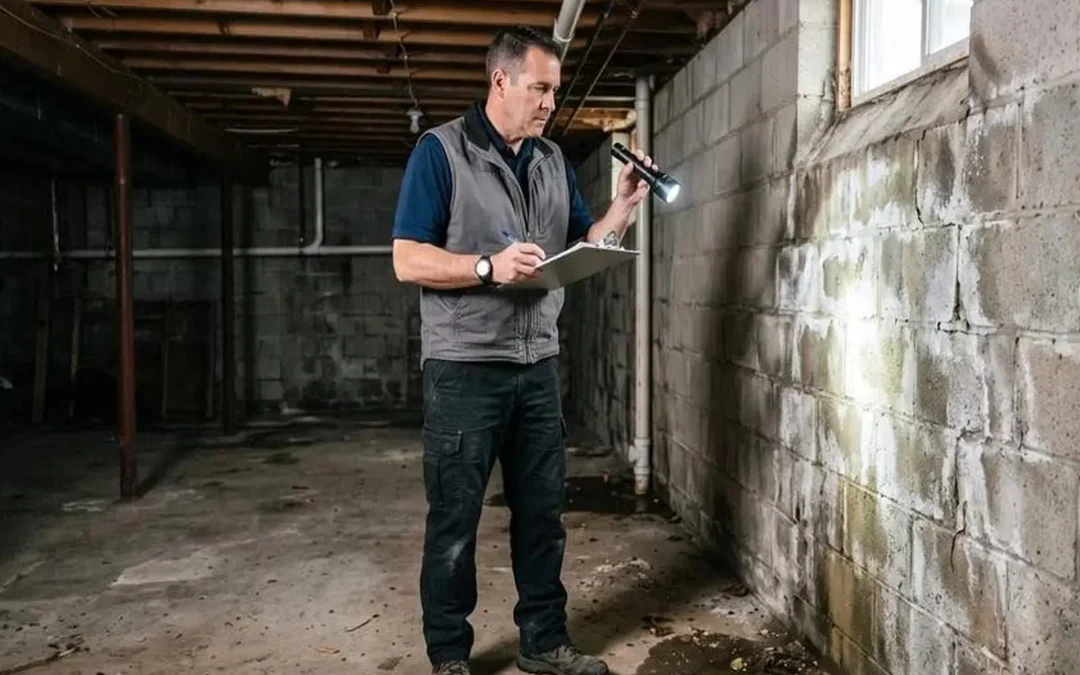
A basement can look perfectly dry on a sunny afternoon and still have a serious moisture problem. Water may seep through foundation cracks, collect beneath the floor, or enter through poorly drained window wells after heavy rain. Sometimes, the only visible clues are a musty smell, peeling paint, or a white powdery residue on the walls. So, what do the best waterproofing contractors brooklyn check during a complete basement inspection? They examine the basement as a connected system, looking at foundation conditions, moisture patterns, drainage, plumbing, ventilation, and previous repairs. For property owners in Brooklyn, where older buildings, below-grade spaces, and changing weather conditions can complicate moisture control, understanding these inspection steps helps explain why water enters and what needs attention.
Why a Complete Basement Inspection Matters
Waterproofing is not simply about stopping visible water. It is about understanding how moisture reaches a building, where it travels, and why it continues to appear. Covering a damp wall without identifying the source may hide the symptoms while allowing the underlying problem to grow. A complete inspection helps distinguish between groundwater pressure, surface runoff, plumbing leaks, condensation, and other moisture sources. These problems can produce similar symptoms but require different solutions. A careful assessment also helps identify structural concerns, damage to finished materials, and drainage failures before they become more difficult to manage.
1. Signs of Water Intrusion
The first step is to look for evidence of water entering the basement. An inspector examines walls, floors, corners, storage areas, and spaces around pipes or other openings. The location of the moisture often provides useful clues about its source. Water near a window may suggest a drainage or sealing problem, while dampness along the lower foundation wall may indicate groundwater intrusion or a wall-floor joint issue.
Water Stains and Damp Walls
Brown stains, peeling paint, bubbling coatings, and damaged drywall can indicate repeated moisture exposure. Inspectors look at the shape, location, and extent of these marks rather than treating every stain as proof of an active leak. For example, a stain that extends upward from the floor may suggest moisture moving through masonry, while a localized patch beneath a bathroom could point toward a plumbing leak. White, chalky deposits known as efflorescence may also appear when water carries dissolved minerals through concrete or brick and evaporates at the surface. These signs help guide further investigation.
Active Leaks and Standing Water
Visible dripping, puddles, and wet floor areas provide direct evidence that water is entering or accumulating. Inspectors check whether water appears after rainfall, during snowmelt, or independently of outdoor conditions. They also examine whether the water follows a crack, emerges where the wall meets the floor, or collects in a low area. In Brooklyn basements, even a small recurring leak can damage stored belongings, flooring, and finished walls over time. Finding the entry point is more useful than simply removing the water.
2. Foundation Walls and Structural Conditions
Foundation walls help support the building and separate the basement from the surrounding soil. During an inspection, contractors examine concrete, brick, stone, and mortar for cracks, displacement, deterioration, and signs of movement. They also look for bulging walls, uneven surfaces, and areas where mortar has deteriorated. These conditions can result from several factors, including aging materials, soil movement, water pressure, or structural loading. The inspection should distinguish ordinary surface deterioration from conditions that may require assessment by a qualified structural engineer.
Foundation Cracks and Their Patterns
Not all foundation cracks indicate the same problem. Narrow cracks may develop as concrete cures or materials respond to temperature changes. Other cracks may reflect settlement, movement, or pressure from surrounding soil. Inspectors consider the crack’s width, direction, location, and whether it appears to be changing. They also check for water staining, mineral deposits, and dampness along the crack. These details help determine whether the immediate concern is moisture entry, possible structural movement, or both.
Horizontal, Vertical, and Stair-Step Cracks
Vertical cracks may occur from concrete shrinkage or foundation movement, while horizontal cracks can sometimes indicate significant lateral pressure against a wall. Stair-step cracks commonly follow mortar joints in brick or block foundations and may be associated with differential movement. However, the pattern alone cannot establish the cause or severity. Cracks accompanied by wall displacement, widening gaps, or sticking doors and windows deserve closer evaluation. Where structural instability is suspected, waterproofing work should not replace a proper structural assessment.
3. Basement Floor and Wall Joints
The joint where the foundation wall meets the basement floor is an important inspection point. Water can enter through this junction when groundwater conditions create pressure beneath or around the foundation. Inspectors look for damp lines, mineral deposits, cracks, and water emerging along the perimeter. They also examine floor cracks and areas where concrete has deteriorated. Water beneath the slab may require a different approach from water entering through an above-ground wall opening. Understanding this distinction helps prevent the wrong repair from being applied to the wrong location.
4. Moisture Levels and Humidity
A basement does not need visible puddles to have a moisture problem. High relative humidity can encourage condensation, damage stored materials, and support mold growth when suitable conditions exist. Contractors may use moisture meters, humidity meters, or other diagnostic equipment to investigate damp areas. Readings should be interpreted alongside the materials being tested and the conditions present during the inspection. A single measurement does not necessarily reveal the full history of a moisture problem, so observations and measurements work best together.
Condensation and Poor Air Circulation
Condensation occurs when humid air contacts a surface that is cool enough for water vapor to turn into liquid. Pipes, concrete walls, metal fixtures, and cold corners can all develop condensation under the right conditions. Inspectors look for moisture on these surfaces, blocked vents, inadequate air movement, and signs that indoor humidity remains elevated. They also consider whether clothes dryers, bathrooms, or other indoor activities add moisture to the air. Improving ventilation or controlling humidity may help, but those measures will not correct water actively entering through a foundation.
5. Exterior Drainage and Grading
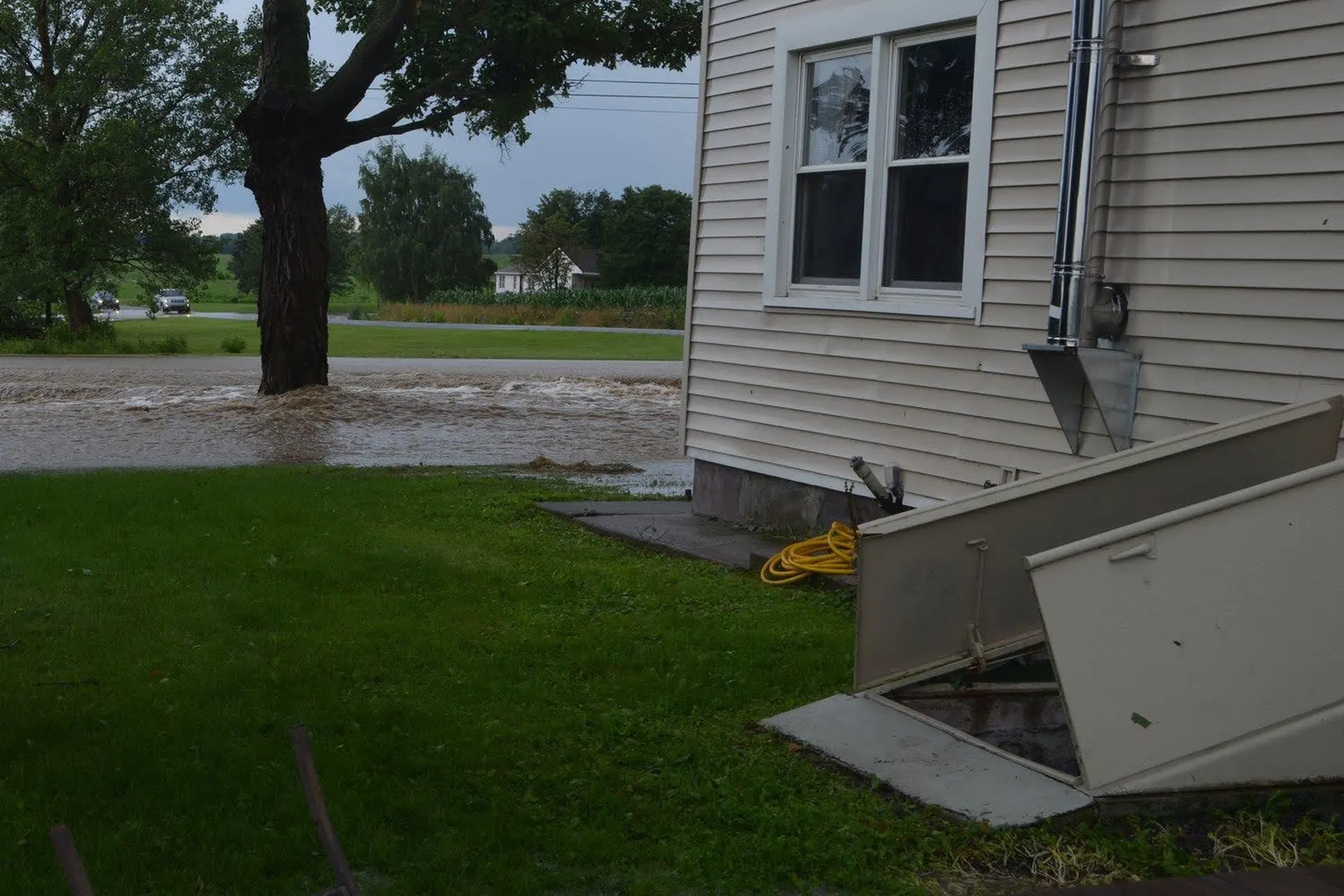
A basement inspection should consider conditions outside the building as well as inside it. Rainwater that collects near foundation walls can increase the likelihood of leakage, particularly where drainage is poor or the foundation has existing weaknesses. Contractors examine the ground slope, paved surfaces, drainage routes, and areas where water tends to pool. They also consider whether neighboring properties or shared drainage conditions may influence runoff. In densely developed Brooklyn neighborhoods, limited yard space and extensive paving can make water management especially important.
Gutters, Downspouts, and Soil Slope
Clogged gutters and poorly positioned downspouts can release large amounts of rainwater close to the foundation. Inspectors check whether gutters carry water effectively and whether downspouts discharge it away from vulnerable areas in accordance with site conditions and applicable requirements. They also look for soil that slopes toward the building, settled paving, and low spots that collect runoff. These exterior conditions can contribute to basement dampness even when the foundation itself has no obvious major defect.
6. Basement Windows and Window Wells
Basement windows and window wells can become entry points for rainwater when drainage is blocked, seals deteriorate, or water collects faster than it can drain. Inspectors examine window frames, surrounding masonry, caulking, well covers, and visible drainage provisions. They look for water stains beneath windows and damage to nearby finishes. A window well filled with leaves or debris may prevent water from draining as intended. The assessment should determine whether the problem involves defective sealing, inadequate drainage, surface runoff, or a combination of factors.
7. Sump Pumps and Interior Drainage Systems
Some basements use sump pumps, perimeter drains, or other systems to collect and manage water. Inspectors identify the equipment present and assess its visible condition, operation, discharge arrangement, and maintenance history. They may check whether the sump basin contains debris, whether the pump activates when tested safely, and whether the discharge line appears obstructed or damaged. The suitability of the system depends on the property’s drainage conditions and the volume of water it must manage.
Signs of Drainage Failure
Repeated puddles, a frequently running pump, unusual noises, sediment in a sump basin, or water returning after rainfall may indicate a drainage issue. A failed pump, blocked drain, damaged discharge line, or inadequate system capacity can allow water to accumulate. Inspectors also consider what happens during a power outage and whether a backup arrangement is present where needed. An interior drainage system can help manage water, but it should be evaluated as part of the entire moisture-control strategy rather than as a standalone fix for every leak.
8. Plumbing Leaks and Utility Connections
Not every wet basement is caused by groundwater. Supply lines, drainpipes, water heaters, washing machines, and other plumbing fixtures can leak and create similar symptoms. Inspectors look for corrosion, water marks, damp pipe insulation, loose connections, and moisture beneath equipment. They may also examine the areas where utilities pass through foundation walls because poorly sealed openings can allow water or humid air to enter. If the evidence points to a plumbing failure, a qualified plumber may need to investigate before waterproofing repairs begin.
9. Mold, Mildew, and Musty Odors
A persistent musty smell can indicate excess moisture even when no obvious leak is visible. Inspectors look for discoloration, surface growth, damp organic materials, and mold-like patches behind accessible finishes. They also consider whether moisture has affected cardboard, timber, carpeting, insulation, or stored belongings. Mold growth depends on moisture and other environmental conditions, so the smell alone cannot identify its exact source. If contamination is extensive or hidden growth is suspected, a qualified mold assessment or remediation professional may be needed. The moisture source must also be addressed to reduce the likelihood of recurrence.
10. Previous Waterproofing Repairs
Earlier repairs can provide valuable information about a basement’s history. Contractors examine patched cracks, applied wall coatings, sealants, drainage channels, and evidence of previous water-control work. They look for peeling materials, fresh staining over older repairs, and areas where moisture appears to have returned. Repair records, photographs, and information about when leaks occur can help establish a pattern. A previous repair is not automatically defective, but recurring dampness may indicate that the original source was misidentified, conditions have changed, or the existing system needs maintenance.
11. Basement Materials and Finishes
Drywall, wood framing, insulation, flooring, and decorative wall panels can conceal moisture behind finished surfaces. Inspectors examine accessible edges, baseboards, corners, and areas showing swelling, discoloration, or separation. Moisture readings may help identify locations that warrant further investigation. However, a finished basement may prevent a complete view of the foundation without selective access. Contractors should explain any inspection limitations and avoid claiming that hidden areas are dry when they have not been examined. This matters when evaluating finished basements in older Brooklyn properties.
12. Identifying the Source of Water
Once the visible evidence has been documented, contractors compare the findings to determine the most likely source. Rain-related leaks may suggest exterior drainage problems or vulnerable openings. Persistent dampness near the wall-floor joint may point toward groundwater pressure or seepage through the foundation. Moisture that appears regardless of weather may warrant closer attention to plumbing, condensation, or other indoor sources. Several causes can also occur together. The goal is to develop a diagnosis supported by the available evidence rather than assume that every basement requires the same waterproofing method.
How Inspection Findings Shape a Waterproofing Plan
Inspection findings help determine which corrective measures are appropriate. Depending on the cause, these may include improving exterior grading, correcting downspout discharge, repairing vulnerable openings, addressing foundation cracks, improving humidity control, or maintaining an existing drainage system. Some situations may require more extensive drainage work or an engineer’s assessment before repairs proceed. The best waterproofing contractors brooklyn explain how the observed conditions relate to the proposed work, what limitations remain, and how the results will be evaluated. The same principles help homeowners compare the best waterproofing contractors in Brooklyn when reviewing any assessment, including one from a company such as Zavza Seal LLC. A sound plan should address the cause of moisture, not just cover the evidence it leaves behind. For more on the diagnostic side of the work, our earlier guide walks through how leaks are traced back to their source.
Many of the homes in Midwood were built long before modern drainage standards, which is exactly why these inspection steps matter so much there.
Zavza Seal LLC Serving the Midwood Community and Beyond in Brooklyn
Zavza Seal LLC is dedicated to serving the diverse needs of the local community of Brooklyn, including individuals residing in neighbourhoods like Midwood. With its convenient location near landmarks such as the HIDEC and major intersections like Avenue I and E 13th St (coordinates: 40.6269516, -73.963846), we offer best waterproofing contractors services.
Get best waterproofing contractors services at Midwood Now
Call Us or Contact Us: +17184007005
Navigate from Midwood to Zavza Seal LLC Now
A complete basement inspection involves much more than looking for puddles. It examines foundation walls, cracks, floor joints, humidity, plumbing, windows, exterior drainage, and any existing waterproofing equipment or repairs. Each detail helps build a clearer picture of how water enters or accumulates and what may be needed to control it. For Brooklyn property owners, a careful, evidence-based inspection can help distinguish minor maintenance concerns from problems requiring specialized attention. The most useful outcome is a clear explanation of the likely moisture source, the limits of the assessment, and the corrective steps supported by the findings.
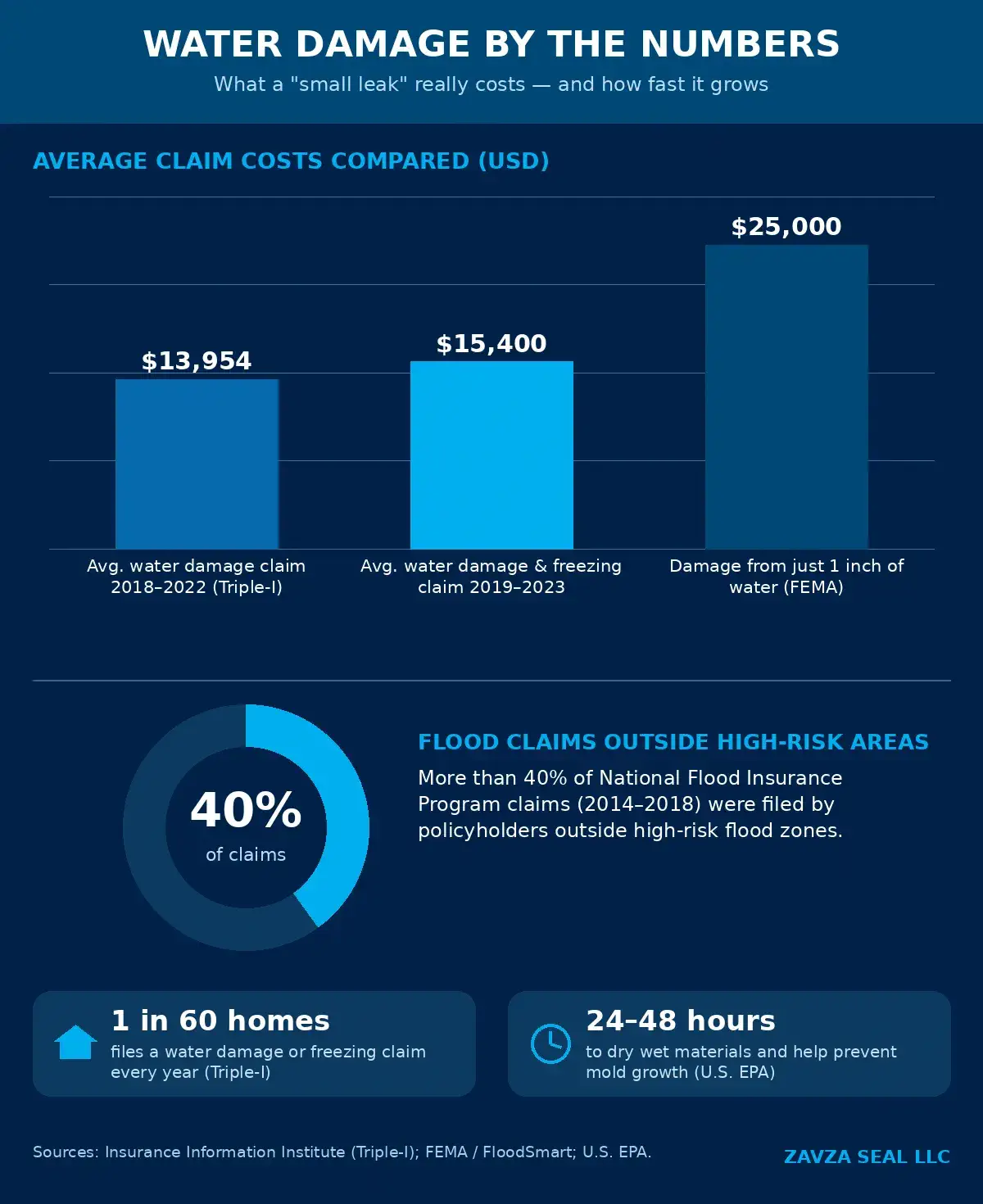
Water Damage Statistics Every Homeowner Should Know
The numbers below explain why inspectors take small signs seriously: by the time water damage becomes obvious, it is usually already expensive.
- 1 in 60 insured homes files a water damage or freezing claim each year.
- $15,400 is the average water damage and freezing insurance claim, based on 2019–2023 data.
- About $25,000 in damage can result from just 1 inch of water in a typical home.
- 24–48 hours is the window for drying wet materials to help prevent mold growth.
- More than 40% of flood insurance claims from 2014 to 2018 came from policyholders outside high-risk flood areas.
Frequently Asked Questions
1. How long does a complete basement waterproofing inspection take?
The time depends on basement size, accessibility, visible damage, and the complexity of the moisture problem. A straightforward inspection may take around an hour or two, while larger or more complicated properties may require additional time or specialist evaluation.
2. Can a basement have water problems without visible leaks?
Yes. High humidity, condensation, moisture behind finished walls, and water beneath a concrete slab may exist without obvious puddles. Musty odors, peeling paint, and mineral deposits can provide useful clues.
3. Do foundation cracks always mean a basement needs waterproofing?
No. Some cracks are relatively minor, while others may indicate movement or allow water to enter. Their pattern, size, condition, and any signs of structural displacement help determine the appropriate next step.
4. Should the exterior or interior be inspected first?
Both matter. Inspecting the basement interior helps identify where moisture appears, while examining exterior grading, gutters, downspouts, and openings can reveal how water reaches the foundation. The findings should be considered together.
5. What should property owners prepare before an inspection?
Clear access to visible foundation walls, basement windows, plumbing fixtures, sump pumps, and areas where water has appeared. Photos taken during previous leaks, repair records, and notes about rainfall or seasonal patterns can also help explain the problem.