
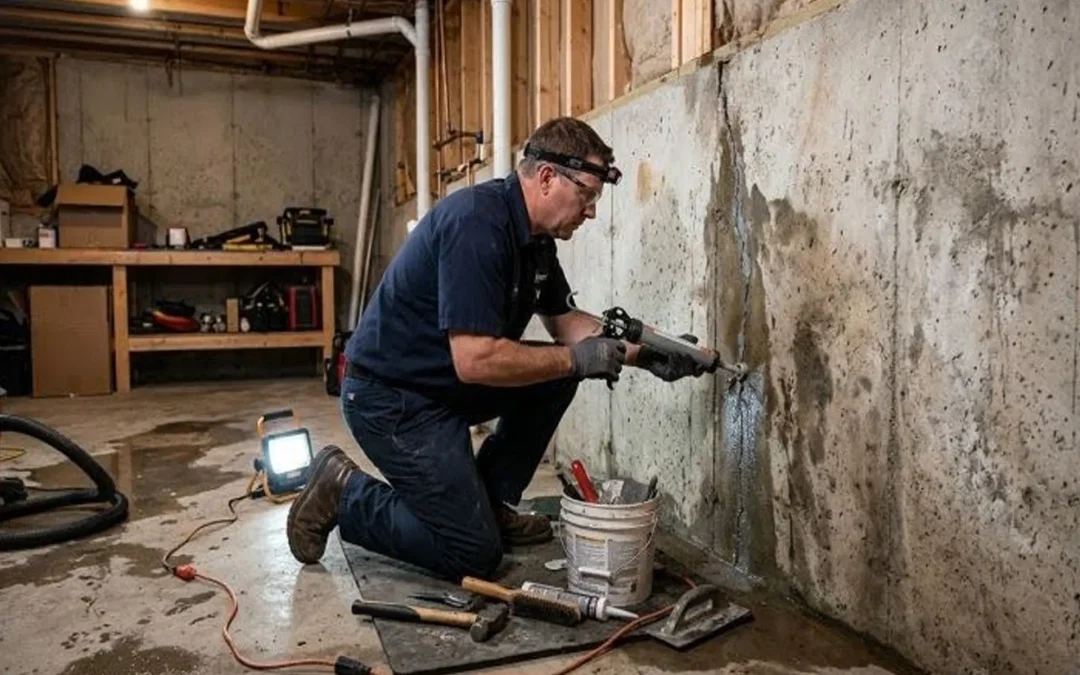
A damp basement can be more than an occasional inconvenience. Moisture along foundation walls, musty odors, peeling paint, and standing water may indicate that water is entering the home through structural openings or surrounding soil. Even when the basement looks relatively dry, moisture can gradually affect building materials, indoor air quality, and the condition of the foundation.
So, what do professional waterproofing services actually include when a home has a damp basement? The answer depends on where the moisture originates, how water moves around the foundation, and whether the problem involves surface condensation, groundwater, or structural leaks.
For homeowners researching waterproofing services brooklyn, understanding the different inspection, repair, drainage, and moisture-control methods makes it easier to recognize what a complete waterproofing project involves. Companies such as Zavza Seal LLC work within the waterproofing industry, where identifying the source of moisture is an important part of determining an appropriate solution.
Why Basements Become Damp
Before discussing waterproofing methods, it helps to understand why basement moisture develops in the first place.
A basement sits below ground level, which means its walls and floors remain in contact with surrounding soil. When the soil becomes saturated, water can move toward the foundation and enter through weak points.
However, groundwater is not the only possible cause.
Groundwater Pressure and Foundation Walls
When heavy rainfall or melting snow increases the amount of water in the soil, pressure can build against foundation walls. This is commonly called hydrostatic pressure.
Think of the soil surrounding a foundation as a wet sponge. As it absorbs more water, it pushes moisture toward the basement structure. If the foundation has cracks, joints, or porous sections, water may eventually find its way inside.
Poor Drainage Around the Home
Water that collects near the foundation increases the likelihood of basement moisture problems.
Several exterior conditions can contribute:
- Soil sloping toward the house instead of away from it.
- Clogged or damaged gutters.
- Downspouts discharging water too close to foundation walls.
- Poorly maintained drainage systems.
- Low areas where rainwater regularly collects.
These conditions can repeatedly expose foundation walls to excessive moisture.
Plumbing Leaks and Indoor Moisture
Not every damp basement has an exterior water problem. Leaking supply pipes, drainage connections, water heaters, and washing machine hoses can introduce moisture indoors.
Condensation is another common cause. When warm, humid air comes into contact with cold basement walls or pipes, water droplets can form on those surfaces.
Distinguishing between condensation and water infiltration is important because each requires a different approach.
What Do Basement Waterproofing Services Include?
Professional basement waterproofing generally involves several stages. The exact work depends on the property’s construction, the severity of moisture, and the source of water intrusion.
1. Basement Moisture and Water Intrusion Inspection
A waterproofing project typically begins with an inspection of the basement and surrounding foundation.
The purpose is to determine where moisture appears, how frequently it occurs, and what conditions may be contributing to it.
Inspectors may examine foundation walls, floor joints, visible cracks, basement windows, drainage systems, and areas where water collects.
Identifying Visible and Hidden Moisture
Some moisture problems are easy to recognize, while others develop behind finished walls or beneath flooring.
Common inspection methods include:
- Moisture meters to evaluate damp building materials.
- Visual examinations of foundation surfaces.
- Checking for efflorescence, which appears as white mineral deposits.
- Examining wall-to-floor connections.
- Reviewing drainage conditions around the property.
The inspection helps distinguish active leaks from condensation, previous water damage, and general humidity.
2. Foundation Crack Inspection and Repair
Foundation cracks can provide pathways for water to enter a basement.
Not every crack indicates a serious structural problem, but its width, direction, location, and movement should be considered.
Waterproofing professionals may use specialized repair materials to seal appropriate cracks.
Common methods include polyurethane injection for certain active water leaks and epoxy injection for suitable structural crack repairs.
The distinction matters: polyurethane can create a flexible water-resistant seal, while epoxy is generally used when restoring the structural continuity of an appropriate concrete crack.
If a crack is widening, accompanied by wall movement, or associated with significant structural damage, further engineering assessment may be necessary.
3. Interior Basement Waterproofing
Interior waterproofing focuses on controlling water after it reaches the inside of the foundation structure.
Depending on the basement’s condition, this may involve drainage channels, water collection systems, specialized coatings, or a combination of methods.
Interior systems are particularly relevant when exterior excavation is impractical or when water enters through foundation walls and floor joints.
Interior Sealants and Waterproof Coatings
Waterproof coatings are applied to suitable interior masonry or concrete surfaces to reduce moisture penetration.
These products can help protect surfaces from dampness, but they are not a universal solution for active water pressure.
For example, applying a coating over a leaking foundation wall without addressing the underlying water pressure may only provide temporary improvement.
Proper surface preparation and product selection are essential for effective application.
4. Exterior Foundation Waterproofing
Exterior waterproofing addresses moisture before it passes through the foundation walls.
This approach generally involves exposing the exterior foundation by excavating soil around the affected sections.
After the foundation surface is inspected and prepared, waterproofing materials can be applied.
Foundation Membranes and Protective Barriers
Exterior waterproofing systems may include:
- Liquid-applied waterproof membranes.
- Sheet waterproofing membranes.
- Protective drainage boards.
- Compatible sealants around foundation openings.
- Foundation surface preparation and repairs.
These materials create a protective barrier between the foundation and surrounding soil.
Drainage components may also be installed to help direct groundwater away from the foundation instead of allowing it to accumulate against the wall.
5. Interior Drainage System Installation
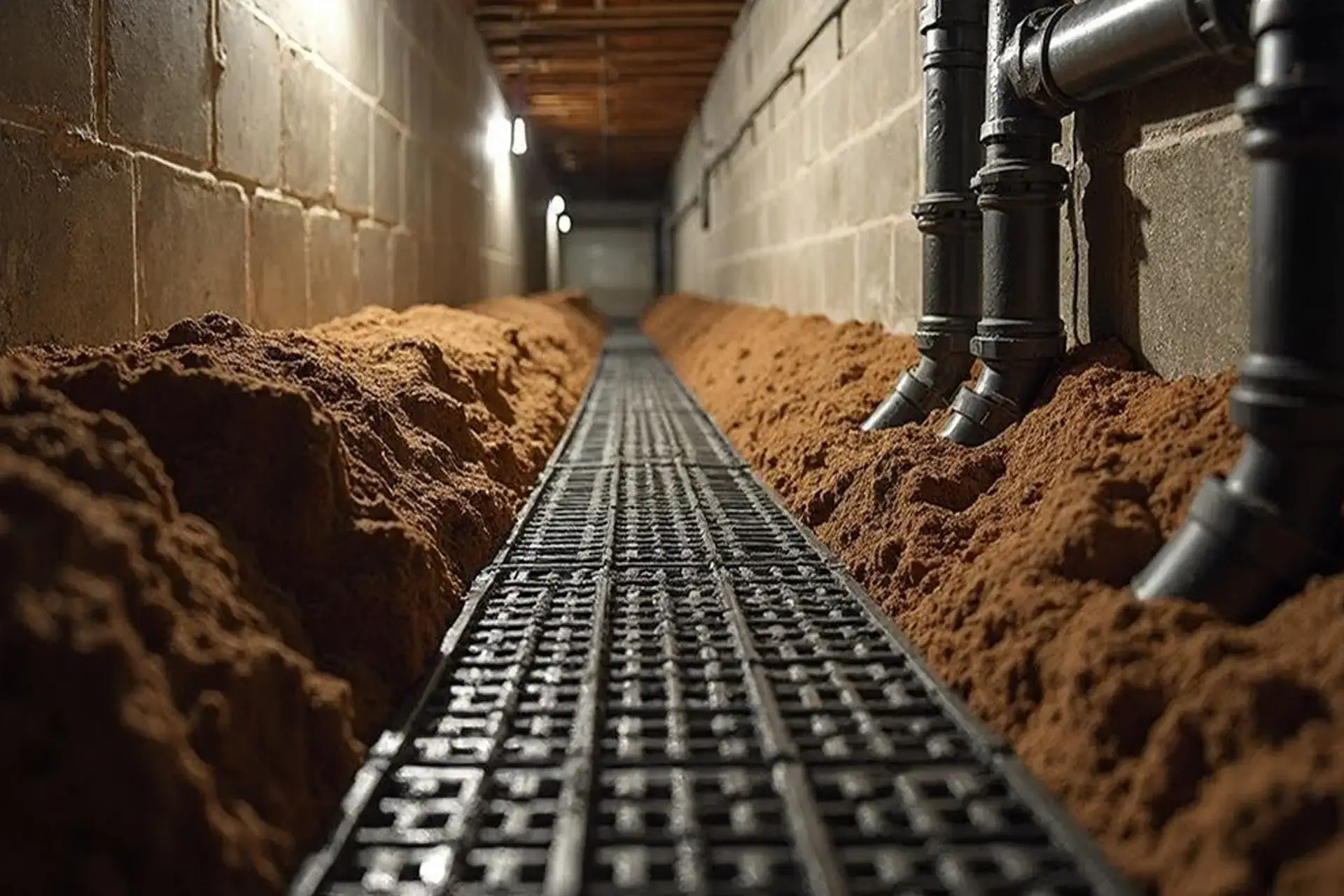
An interior drainage system helps collect water that enters through foundation walls or the basement perimeter.
One common approach involves installing a drainage channel along the interior perimeter of the basement.
The installation may require removing a narrow section of concrete flooring near the foundation walls. A perforated drainage pipe is then positioned within a gravel bed.
Water entering the system travels toward a designated collection point, usually connected to a sump basin.
This method does not necessarily prevent water from reaching the foundation, but it provides a controlled route for collecting and removing it.
6. Sump Pump Installation and Maintenance
A sump pump removes collected groundwater from a basement drainage system.
It is typically installed inside a basin positioned below the basement floor level.
As water enters the basin, a float switch activates the pump. The pump then moves the collected water through a discharge pipe to an appropriate exterior drainage location.
A complete sump pump installation may include:
- Excavating and preparing the sump basin.
- Installing the pump.
- Connecting discharge piping.
- Installing a check valve where appropriate.
- Testing the float switch and pump operation.
- Evaluating backup power requirements.
Regular maintenance is equally important. A pump that has stopped working or has a blocked discharge line may fail when water levels rise during heavy rainfall.
7. Basement Wall and Floor Waterproofing
Basement walls and floors can both contribute to moisture problems.
Concrete is porous, meaning it can absorb and transmit moisture under certain conditions.
Waterproofing treatments may include compatible coatings, surface sealants, crack repairs, and protective membranes.
The correct method depends on whether moisture is coming through the wall surface, floor slab, or the joint connecting the two.
For example, water appearing along the basement floor perimeter may indicate pressure beneath the slab or water entering through the wall-to-floor connection.
Treating only the visible floor surface would not necessarily resolve the underlying issue.
8. Window Well and Basement Entry Protection
Basement windows and below-grade entrances are potential water entry points.
Window wells can collect rainwater, especially when their drainage systems become clogged or surrounding soil directs runoff toward them.
Waterproofing work may include:
- Cleaning and improving window well drainage.
- Repairing gaps around window frames.
- Installing suitable window well covers.
- Sealing vulnerable entry points.
- Improving the grading around basement entrances.
These improvements help reduce the amount of water reaching vulnerable openings.
9. Exterior Grading and Downspout Improvements
Waterproofing is not limited to basement walls and interior drainage systems.
Managing rainwater around the property is also important.
Professionals may identify areas where soil slopes toward the house and recommend adjustments that encourage surface water to flow away from the foundation.
Gutters and downspouts should also be inspected to ensure they collect and discharge rainwater effectively.
When these exterior improvements are combined with appropriate foundation repairs, they can reduce repeated exposure to water.
How Waterproofing Professionals Determine the Right Solution
A damp basement does not automatically require every waterproofing method described above.
The right approach depends on the source, location, and behavior of the moisture.
Evaluating Water Entry Points
Professionals consider several factors when evaluating a basement:
- Does water appear after heavy rainfall?
- Is moisture concentrated along one foundation wall?
- Does water enter through visible cracks?
- Are the basement walls damp throughout the year?
- Is there standing water near the floor drain or sump basin?
- Does condensation occur on cold surfaces?
These observations help narrow down the likely cause.
For example, moisture that appears mainly during rainy weather may suggest groundwater or surface drainage issues. Persistent condensation may instead indicate excessive indoor humidity and insufficient ventilation.
Choosing Between Interior and Exterior Methods
Interior and exterior waterproofing serve different purposes.
| Waterproofing Method | Primary Purpose |
|---|---|
| Interior drainage | Collects and redirects water entering the basement |
| Sump pump | Removes collected groundwater |
| Exterior membrane | Limits water penetration through foundation walls |
| Crack injection | Seals suitable foundation cracks |
| Waterproof coatings | Reduces moisture penetration through appropriate surfaces |
| Grading improvements | Directs surface water away from the home |
In some homes, a combination of methods provides better moisture management than relying on a single treatment.
The goal is to address the actual cause rather than simply covering the visible signs.
What Happens If Basement Dampness Is Left Untreated?
Persistent basement moisture can gradually affect different parts of a home.
One common consequence is mold growth. Mold can develop when moisture remains on organic materials such as drywall, wood, carpeting, and insulation.
Other possible effects include:
- Deterioration of wooden framing and finished materials.
- Corrosion of metal components.
- Peeling paint and damaged flooring.
- Persistent musty odors.
- Damage to stored belongings.
- Increased indoor humidity.
- Deterioration of concrete and masonry under certain conditions.
Long-term water intrusion can also contribute to foundation deterioration, particularly when accompanied by repeated freeze-thaw cycles, soil movement, or other structural stresses.
Addressing moisture early helps prevent a relatively small issue from developing into a more complicated building maintenance problem.
How Long Does a Basement Waterproofing System Last?
The lifespan of a waterproofing system depends on its materials, installation quality, maintenance, and exposure to environmental conditions.
A properly installed exterior membrane may provide long-term protection, while mechanical components such as sump pumps require periodic inspection and eventual replacement.
Drainage pipes can also become less effective if sediment or debris accumulates.
Homeowners should pay attention to changes in basement conditions, especially after major storms.
A system should not be considered effective simply because the basement looks dry immediately after installation. Its performance should be evaluated during the conditions that previously caused moisture problems.
How to Recognize Whether Waterproofing Work Is Effective
After waterproofing work is completed, several signs can indicate that the system is functioning as intended.
First, previously affected areas should remain free from recurring water intrusion under comparable weather conditions.
Second, drainage channels and sump pumps should operate correctly when water enters the collection system.
Other indicators include:
- No recurring water stains on repaired surfaces.
- Reduced dampness along foundation walls.
- No standing water after rainfall.
- Proper discharge from the sump pump.
- Reduced musty odors when moisture was their underlying cause.
- No new signs of water entering through repaired cracks.
It is also important to understand that waterproofing does not automatically resolve every indoor humidity problem. Dehumidification and proper ventilation may still be necessary.
Waterproofing Services in Brooklyn Homes
Homes in Brooklyn can experience different basement moisture challenges depending on their age, foundation construction, surrounding soil conditions, and drainage arrangements.
Older masonry foundations, below-grade basement spaces, limited exterior access, and neighboring structures can all influence how waterproofing work is planned.
For homeowners researching waterproofing services in brooklyn, the inspection should consider both the foundation and the property’s surrounding drainage conditions.
For example, a damp basement in an older Brooklyn home may involve deteriorating mortar joints, foundation cracks, or moisture moving through masonry. Another property may experience water accumulation around the foundation because of poor surface drainage or inadequate groundwater management.
Zavza Seal LLC is a relevant business name within this local waterproofing context. Understanding the different services involved in basement moisture control helps homeowners evaluate the scope of work being considered, including inspections, crack repairs, drainage improvements, foundation protection, and sump pump systems.
The important distinction is that effective waterproofing should be based on the building’s actual moisture conditions rather than applying the same treatment to every basement.
Zavza Seal LLC Serving the Midwood Community and Beyond in Brooklyn
Zavza Seal LLC is dedicated to serving the diverse needs of the local community of Brooklyn, including individuals residing in neighbourhoods like Midwood. With its convenient location near landmarks such as the Avenue H Station and major intersections like E 10th St and Avenue H (coordinates: 40.6292016, -73.9668105), we offer waterproofing services.
Get waterproofing services services at Midwood Now
Call Us or Contact Us: (718) 957-0334
Navigate from Midwood to Zavza Seal LLC Now
Waterproofing services for a home with a damp basement can include much more than applying a waterproof coating to foundation walls. A complete approach may involve moisture inspections, foundation crack repairs, interior drainage, sump pump installation, exterior membranes, window well protection, and improvements to surface drainage. Each method serves a different purpose, and the appropriate combination depends on how water enters the property. Understanding these services gives homeowners a clearer picture of basement moisture problems and the measures used to control them. Whether evaluating an older foundation or investigating recurring water intrusion, identifying the source of moisture is the foundation of an effective waterproofing strategy.
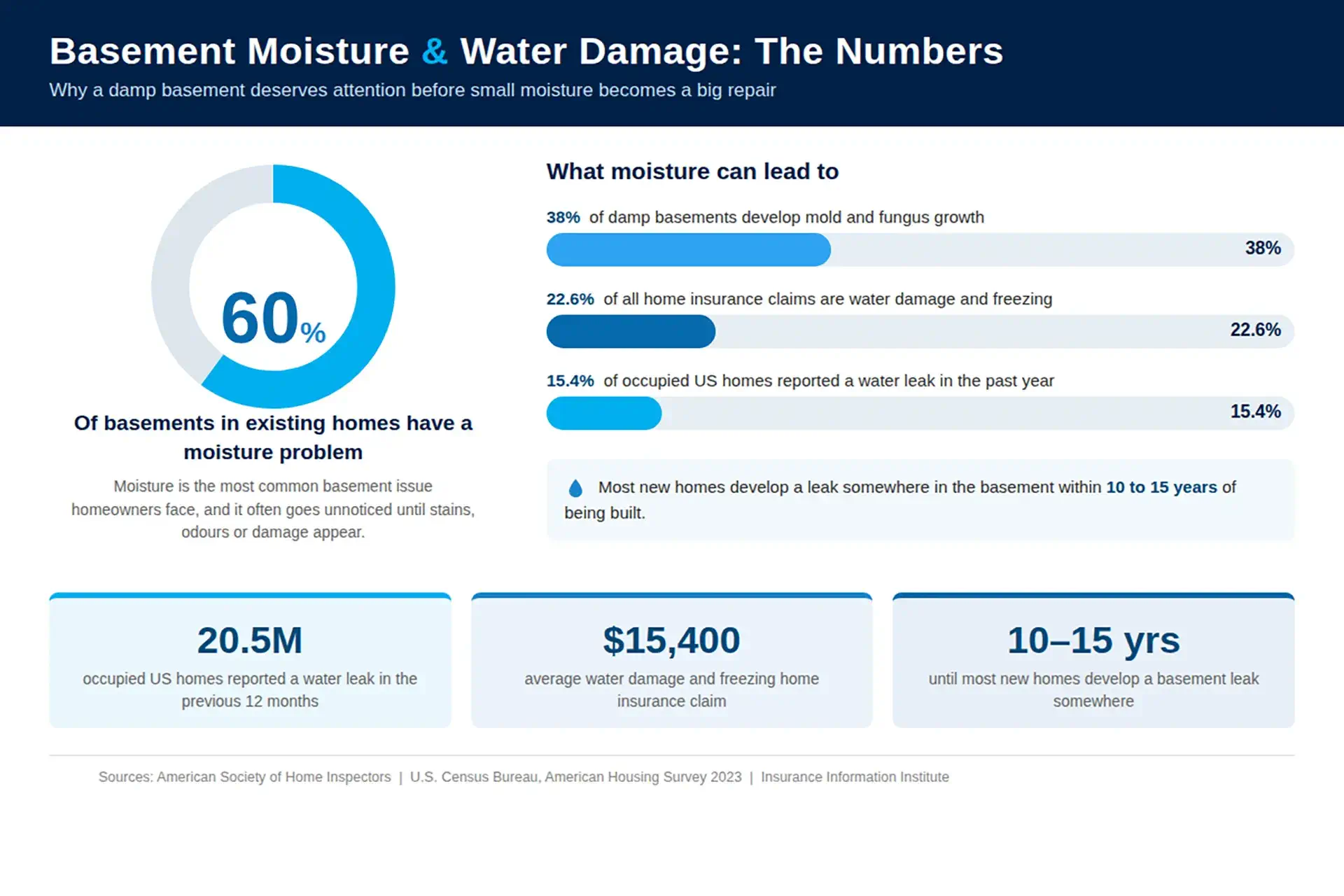
- Over 60 percent of basements in existing homes have a moisture problem.
- About 38 percent of basements with moisture problems develop mold and fungus growth.
- Most new homes will develop a leak somewhere in the basement within 10 to 15 years of being built.
- About 15.4 percent of occupied homes in the United States, around 20.5 million, reported a water leak in the previous 12 months.
- Water damage and freezing account for 22.6 percent of all home insurance claims, with an average claim of $15,400.
Frequently Asked Questions
What is included in a professional basement waterproofing inspection? A professional inspection generally includes examining foundation walls, concrete floors, visible cracks, wall-to-floor joints, basement windows, and drainage conditions. Moisture meters and other diagnostic methods may be used to identify damp materials and potential water entry points.
Does basement waterproofing include foundation crack repair? It can. Foundation crack repair is commonly included when cracks are identified as pathways for water intrusion. Depending on the crack’s condition and purpose, professionals may use polyurethane injection, epoxy injection, or other compatible repair materials.
Is interior or exterior basement waterproofing better? Neither method is universally better. Exterior waterproofing helps prevent water from penetrating foundation walls, while interior systems collect and redirect water that enters the basement. The appropriate choice depends on the source of moisture, foundation conditions, and property limitations.
Can waterproofing services eliminate musty basement odors? They can help when the odor is caused by persistent moisture or water intrusion. However, odors may continue if mold-affected materials remain, indoor humidity is high, or ventilation is inadequate. Identifying and addressing all contributing conditions is important.
How do I know if my Brooklyn home needs basement waterproofing? Recurring damp walls, water stains, efflorescence, musty odors, peeling paint, visible foundation leaks, and standing water are common warning signs. If these conditions appear repeatedly, an assessment of the foundation and surrounding drainage can help determine whether waterproofing measures are necessary.