
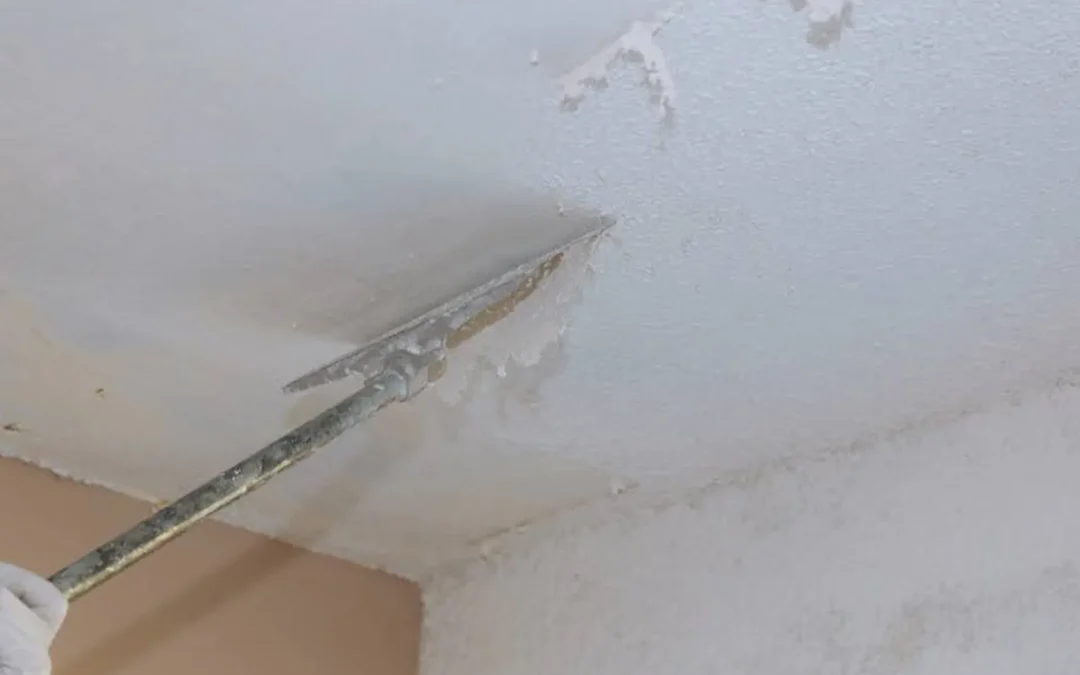
Moisture problems in homes are more than just an inconvenience they can quietly damage structures, reduce energy efficiency, and create unhealthy indoor environments. This is where professional expertise plays a critical role. Understanding how spray foam insulation installers brooklyn prevent moisture problems gives homeowners insight into why proper insulation is not just about temperature control, but also about long-term building health.
Understanding Moisture Problems in Residential Structures
Common Sources of Moisture in Homes
Moisture can enter a home in several ways through air leaks, poor ventilation, plumbing leaks, or even daily activities like cooking and showering. Warm air carrying water vapor often infiltrates walls, ceilings, and crawl spaces, creating hidden moisture pockets.
Why Moisture Control Matters for Building Health
Unchecked moisture leads to mold growth, wood rot, and compromised structural integrity. It also reduces insulation performance, making homes less energy efficient over time.
What Is Spray Foam Insulation?
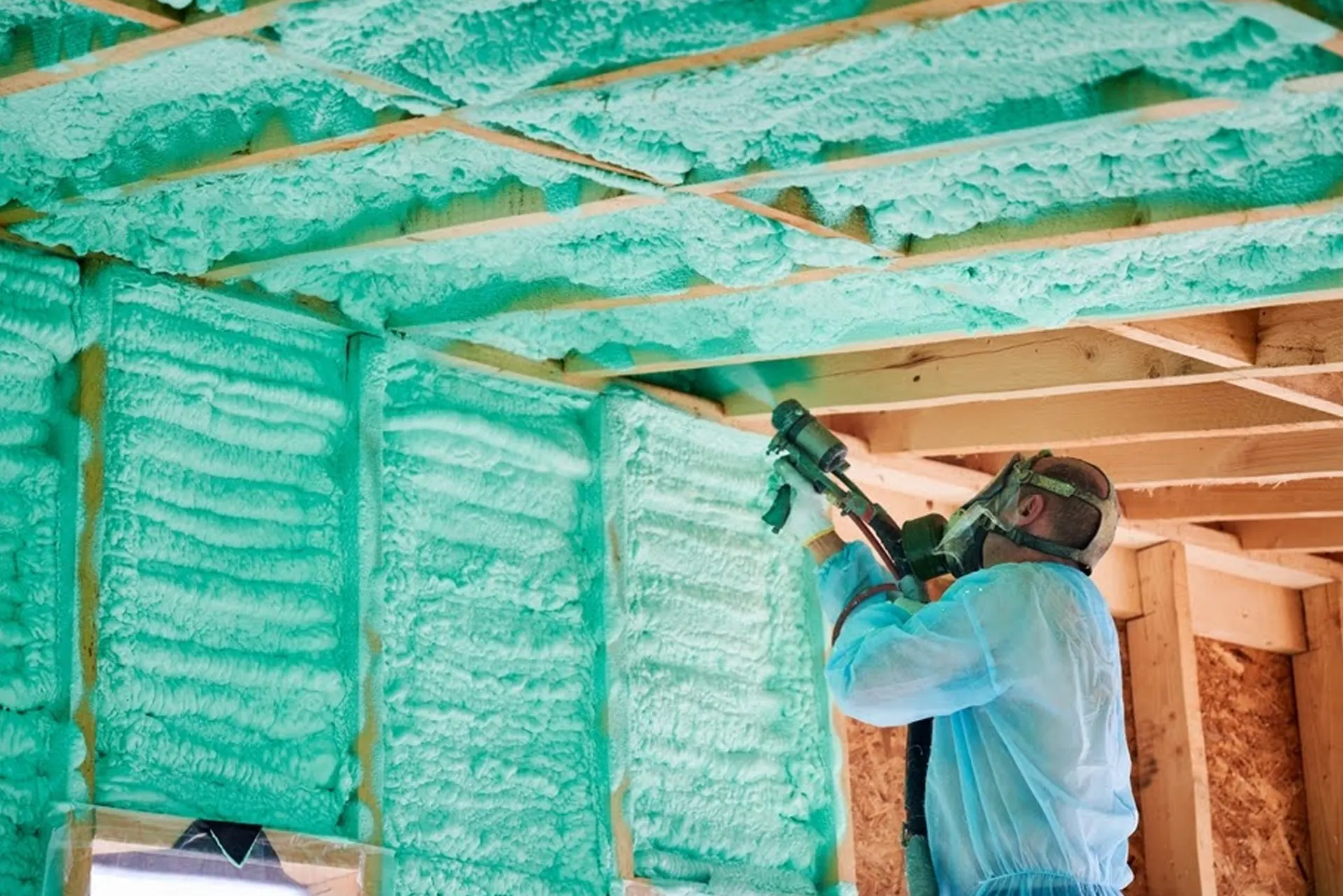
Spray foam insulation is a material that expands upon application, sealing gaps and forming a continuous barrier against air and moisture infiltration.It also helps in the Waterproofing Services.
Types of Spray Foam: Open-Cell vs Closed-Cell
Open-cell foam is lighter and more flexible, allowing some vapor permeability. Closed-cell foam, on the other hand, is dense and acts as both an air and vapor barrier.
How Spray Foam Works as an Air Barrier
Unlike traditional insulation, spray foam adheres directly to surfaces, filling cracks and preventing uncontrolled airflow one of the main carriers of moisture.
The Science Behind Moisture Control
Vapor Diffusion vs Air Leakage
Moisture moves in two primary ways: vapor diffusion and air leakage. While vapor diffusion is a slow process, air leakage can transport large amounts of moisture quickly.
Dew Point and Condensation Risks
When warm air meets a cooler surface, it can reach its dew point and condense into water. Spray foam insulation helps maintain consistent surface temperatures, reducing condensation risk.
Pre-Installation Assessment by Professionals
Inspecting Existing Moisture Issues
Before installation, professionals evaluate the home for existing moisture damage, leaks, or mold. This ensures that insulation is not applied over underlying problems.
Identifying Ventilation Gaps
Installers also assess airflow patterns and identify areas where ventilation may be insufficient, which could trap moisture after insulation is installed.
Air Sealing Techniques Used by Installers
Eliminating Hidden Air Leaks
Air leaks around windows, doors, wiring, and plumbing penetrations are sealed using spray foam, preventing moisture-laden air from entering the building envelope.
Sealing Structural Penetrations
Areas such as attic access points, rim joists, and crawl spaces are carefully sealed to eliminate pathways for moisture intrusion.
Choosing the Right Type of Spray Foam
When Closed-Cell Foam Is Preferred
Closed-cell foam is often used in areas prone to high humidity or water exposure because of its low permeability and structural strength.
Situations Suitable for Open-Cell Foam
Open-cell foam is typically used in interior applications where breathability is beneficial and moisture levels are controlled.
Moisture Barrier Integration Strategies
Combining Spray Foam with Vapor Barriers
In some cases, installers integrate additional vapor barriers to enhance moisture control, especially in extreme climates.
Avoiding Double Vapor Barrier Issues
Professionals carefully design systems to avoid trapping moisture between two impermeable layers, which can lead to hidden damage.
Proper Ventilation Planning
Role of HVAC Systems in Moisture Control
Heating and cooling systems play a significant role in managing indoor humidity levels. Proper integration ensures balanced air exchange.
Balanced Ventilation Systems
Installers may recommend systems like energy recovery ventilators (ERVs) to maintain airflow while controlling moisture levels.
Installation Best Practices
Correct Application Thickness
Applying the correct thickness ensures optimal performance. Too little insulation can lead to thermal bridging, while too much can restrict airflow improperly.
Avoiding Gaps and Voids
Uniform application is essential. Even small gaps can allow moisture infiltration, undermining the effectiveness of the insulation.
Post-Installation Inspection
Moisture Testing and Monitoring
After installation, professionals may conduct moisture tests to ensure that humidity levels are within safe ranges.
Thermal Imaging and Quality Checks
Thermal cameras are often used to detect inconsistencies in insulation coverage, ensuring a complete seal.
Common Mistakes That Lead to Moisture Issues
Over-Insulation Without Ventilation
Sealing a home too tightly without proper ventilation can trap moisture indoors, leading to condensation problems.
Poor Installation Techniques
Improper mixing, uneven application, or skipping critical areas can compromise the insulation’s ability to control moisture.
Climate-Specific Considerations
Cold Climate Challenges
In colder regions, preventing warm indoor air from reaching cold exterior surfaces is critical to avoiding condensation.
Humid Climate Adjustments
In humid environments, controlling incoming moisture from outside air becomes the primary concern.
Role of Professional Expertise
Importance of Certified Installers
Experienced professionals understand building science principles and apply insulation techniques accordingly.
Experience and Material Knowledge
Professionals like those working with spray foam insulation installers in brooklyn bring localized knowledge of climate conditions and building structures, ensuring effective moisture prevention strategies.
Organizations such as Zavza Seal LLC emphasize proper assessment, installation precision, and long-term performance, which are essential factors in controlling moisture effectively.
Long-Term Maintenance and Monitoring
Signs of Moisture Problems
Homeowners should watch for signs like musty odors, visible mold, or peeling paint, which may indicate underlying moisture issues.
Preventative Maintenance Tips
Regular inspections, maintaining ventilation systems, and monitoring indoor humidity levels help sustain the benefits of spray foam insulation.
Zavza Seal LLC Serving the Midwood Community and Beyond in Brooklyn
Zavza Seal LLC is dedicated to serving the diverse needs of the local community of Brooklyn, including individuals residing in neighbourhoods like Midwood. With its convenient location near landmarks such as the “Morton Zinberg” and major intersections like Avenue J and Ocean Pkwy (coordinates: 40.6247016, -73.9697749), we offer spray foam insulation installers.
Get spray foam insulation installers at Midwood Now
Call Us or Contact Us: +17184007005
Navigate from Midwood to Zavza Seal LLC Now
Preventing moisture problems in homes requires more than just installing insulation—it demands a strategic approach grounded in building science. Spray foam insulation installers play a crucial role by sealing air leaks, selecting appropriate materials, and ensuring proper ventilation. Their methods not only protect the structural integrity of a home but also create a healthier indoor environment. When applied correctly, spray foam insulation becomes a powerful tool in managing moisture and enhancing overall building performance.
How Spray Foam Insulation Prevents Moisture Problems
The Air-Sealing Advantage: A Visual Comparison
Traditional Insulation (Fiberglass/Cellulose):
- [Image: Diagram showing air currents moving through fluffy fiberglass insulation, with arrows indicating air leakage and potential moisture ingress.]
- Prone to air leakage, allowing humid air to infiltrate wall cavities.
- Moisture can condense on cold surfaces, leading to mold and rot.
Spray Polyurethane Foam (SPF) Insulation:
- [Image: Diagram showing dense spray foam filling all gaps and cracks in a wall cavity, creating an airtight barrier. Arrows indicate no air movement.]
- Excellent Air Sealing: Expands to fill every crack and crevice, creating an impermeable air barrier. This prevents humid air from entering wall assemblies.
- Closed-Cell SPF: Acts as a vapor retarder, significantly limiting moisture vapor diffusion. (Permeance as low as 1.0 perm-inch, depending on formulation).
- Open-Cell SPF: While air impermeable, it is vapor permeable. It requires careful consideration of vapor retarders in certain climates to prevent moisture buildup. (Permeance typically 10-20 perms).
Key Data Points:
- Reduced Air Leakage: SPF can reduce air leakage by up to 90% compared to traditional insulation, drastically cutting down on moisture-laden air infiltration. (Source: Energy.gov)
- Moisture Management in Unvented Attics: Studies show that while open-cell SPF is moisture permeable, it can manage moisture effectively in certain climates (e.g., North Florida) when properly installed, with roof deck moisture content remaining at or below 10% WMC during warm months. (Source: FSEC Energy Research Center)
- Vapor Control in Walls: Closed-cell SPF (2 lb/ft³ density or more) applied in thicknesses over 2 inches can control vapor diffusion to safe levels in climates up to 10,000 HDD and interior relative humidities of up to 50% RH. (Source: BuildingScience.com)
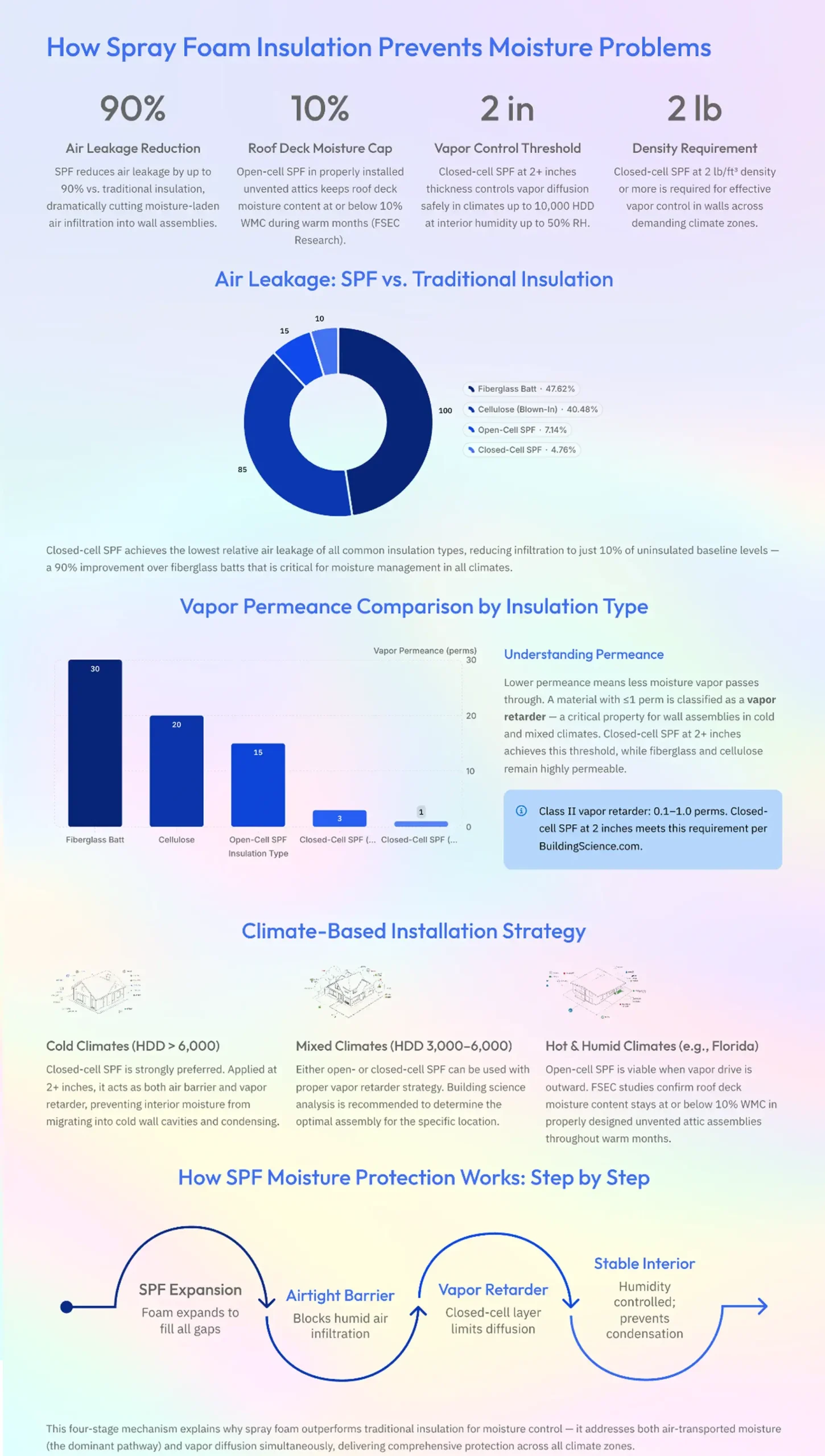
Sources: Energy.gov, FSEC Energy Research Center, BuildingScience.com
FAQs
1. How does spray foam insulation stop moisture?
Spray foam creates an airtight seal that prevents moisture-laden air from entering and condensing within walls or ceilings.
2. Is closed-cell foam better for moisture control?
Closed-cell foam is generally more effective at blocking moisture due to its dense structure and low permeability.
3. Can spray foam cause moisture problems if installed incorrectly?
Yes, improper installation can trap moisture or leave gaps, leading to condensation and potential damage.
4. Do homes with spray foam need ventilation systems?
Yes, proper ventilation is essential to manage indoor humidity and maintain air quality.
5. How do installers check for moisture after installation?
They use tools like moisture meters and thermal imaging to ensure proper insulation coverage and safe humidity levels.