
Small cracks in a basement wall may not seem like a big problem at first. A door that sticks once in a while or a slightly uneven floor can also feel easy to ignore. But in many New York homes, these small warning signs can point to larger structural foundation problems developing underneath the property.
Homes across Long Island, Queens, Brooklyn, and nearby areas deal with constant pressure from changing weather, heavy rain, aging foundations, and shifting soil conditions. Over time, this can cause foundations to settle, crack, bow inward, or allow water to enter the basement or crawl space.
Many homeowners first notice problems after strong storms, long periods of rain, or freezing winter temperatures. Water builds up around the foundation, soil expands and contracts, and pressure slowly pushes against basement walls. In older homes especially, these conditions can lead to serious structural damage if repairs are delayed.
Structural foundation repair helps stabilize and strengthen the home before the damage becomes worse. In many cases, catching the issue early can prevent larger repairs, water damage, and expensive structural restoration later on.
In this guide, we will explain the most common warning signs of foundation damage, what causes these problems in New York homes, when to schedule a structural foundation inspection, and the repair solutions that can help protect your property long term.
What Is Structural Foundation Repair?
Structural foundation repair is the process of fixing and stabilizing parts of a home’s foundation that have weakened, shifted, cracked, or started moving over time. These repairs help restore the strength and stability of the structure so the home can safely support its weight.
The foundation is one of the most important parts of any house. It supports the walls, floors, basement, and overall structure. When foundation problems begin to develop, the effects can spread throughout the home. Homeowners may notice cracks in walls, uneven floors, sticking doors, basement leaks, or walls that begin to lean or bow inward.
Not every crack is considered structural. Small surface cracks can sometimes happen naturally as concrete cures or ages. Structural foundation problems are different because they usually involve movement, pressure, or weakening that continues to get worse over time.
In many New York homes, foundation structural repair becomes necessary because of:
- Water pressure building around basement walls
- Poor drainage around the property
- Soil movement caused by freezing and thawing
- Aging foundations in older homes
- Long-term moisture damage
- Settlement caused by unstable soil
Homes in areas like Brooklyn, Queens, Long Island, and Nassau County often face these issues because of older construction methods and changing ground conditions throughout the year.
Structural foundation repair may involve reinforcing basement walls, sealing structural cracks, stabilizing settling foundations, improving drainage, or installing support systems that help prevent future movement. The right repair method depends on the condition of the foundation and how severe the damage has become.
The most important thing homeowners should understand is that foundation problems usually do not improve on their own. Early repairs are often smaller, safer, and less expensive than waiting until the damage spreads further through the structure.
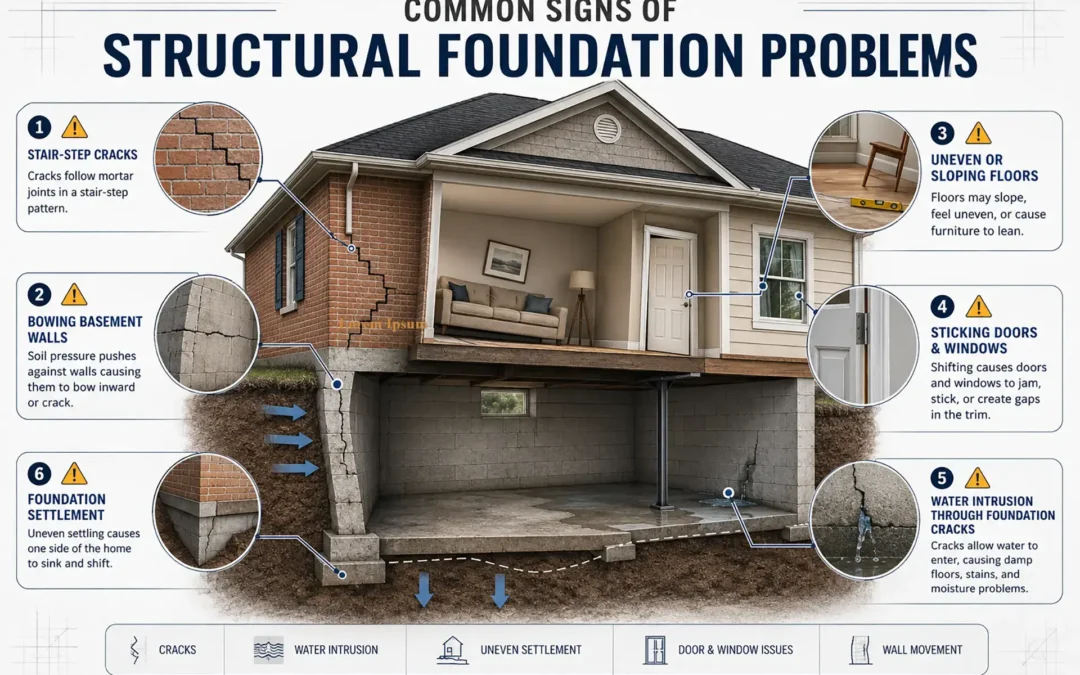
Common Signs of Structural Foundation Problems
Structural foundation problems usually start with small warning signs that become more noticeable over time. Many homeowners first see minor cracks or small changes inside the house and assume the issue is cosmetic. In reality, these symptoms can point to movement happening underneath the home.
In New York areas like Queens, Brooklyn, Long Island, and Suffolk County, changing soil conditions, water pressure, and aging foundations can all contribute to structural damage. Knowing what to look for can help homeowners catch problems before they become more serious.
-
Stair-Step Cracks in Brick or Foundation Walls
Stair-step cracks are one of the most common signs of foundation settlement. These cracks usually appear in brick, block, or masonry walls and follow the shape of the mortar joints in a stair-step pattern.
Small cracks may not always indicate a major structural issue, but widening cracks or cracks that continue growing over time should be inspected. In many cases, these cracks form because sections of the foundation are shifting unevenly.
Homeowners may also notice:
- Cracks getting longer over time
- Gaps around windows or doors
- Water entering through cracked areas
- Separation between walls and floors
-
Bowing Basement or Crawl Space Walls
Bowing walls are often caused by pressure building up in the soil around the home. After heavy rain or snow melt, saturated soil pushes against basement or crawl space walls from the outside.
This is a common issue in homes with poor drainage or older waterproofing systems. Over time, the pressure can cause walls to lean inward, crack horizontally, or weaken structurally.
Bowing crawlspace walls and foundation structural issues should never be ignored because continued movement can eventually affect the stability of the home.
-
Uneven or Sloping Floors
Floors that feel uneven, soft, or sloped may be connected to foundation movement underneath the house. Some homeowners notice furniture leaning slightly or feel a slope when walking across certain rooms.
In older homes throughout Brooklyn and Long Island, settling foundations and weakened support systems are common causes of uneven flooring.
-
Doors and Windows That Suddenly Stick
When foundations shift, the framing inside the home can also move slightly. This often causes doors and windows to stick, jam, or stop closing properly.
Homeowners sometimes notice:
- Doors rubbing against frames
- Windows becoming difficult to open
- Gaps appearing around trim
- Cracks forming above doorways
These symptoms may seem minor at first, but they can signal structural movement happening below the home.
-
Water Entering Through Foundation Cracks
Water intrusion is another major warning sign. Cracks in foundation walls can allow moisture to enter basements and crawl spaces, especially during periods of heavy rain.
Over time, water can weaken building materials, increase basement humidity, and create conditions for mold growth. In many New York homes, foundation waterproofing and structural repairs often go hand in hand because moisture problems can place additional pressure on the foundation itself.
If multiple symptoms appear together, homeowners should consider scheduling a structural foundation inspection before the damage worsens.
Why Structural Foundation Problems Happen in New York Homes
Structural foundation problems in New York homes usually do not happen because of one single issue. They develop slowly over time due to a mix of soil conditions, weather, water movement, and the age of the home.
In areas like Brooklyn, Queens, Long Island, Nassau County, and Suffolk County, these conditions are especially common. Many homes were built decades ago, and the ground they sit on continues to change year after year.
One of the biggest causes is soil movement. The soil in many parts of New York expands when it gets wet and shrinks when it dries. During winter, freeze and thaw cycles make this even worse. When the soil expands, it pushes against basement walls. When it shrinks, it can leave empty spaces under the foundation, which leads to settling.
Poor drainage is another major reason. When water is not directed away from the home properly, it collects around the foundation. Over time, this creates pressure against basement walls and increases the chance of cracks, leaks, and bowing walls.
Many older homes also have foundations that were not built with modern waterproofing or reinforcement methods. As these homes age, natural wear and tear begins to show. Small cracks grow wider, mortar joints weaken, and walls can slowly shift out of place.
Tree roots can also play a role. Large trees near a home can pull moisture from the soil or grow in ways that disturb the ground around the foundation. This can contribute to uneven settling over time.
In many cases, structural foundation issues are the result of several factors working together. That is why problems often appear gradually and then seem to worsen quickly after a heavy storm or seasonal change.
Understanding these causes helps homeowners see why structural foundation repair is often not just about fixing cracks, but also about addressing the conditions that caused the damage in the first place.
When You Should Schedule a Structural Foundation Inspection
A structural foundation inspection is needed when small warning signs stop looking minor and start showing real movement in the home. The purpose of the inspection is simple: to find out if the issue is only surface-level or if it is affecting the structure of the house.
In New York areas like Brooklyn, Queens, Long Island, and Nassau County, foundation issues often develop slowly. Many homeowners do not notice them until they get worse. That is why acting early is important.
-
Cracks That Are Getting Bigger
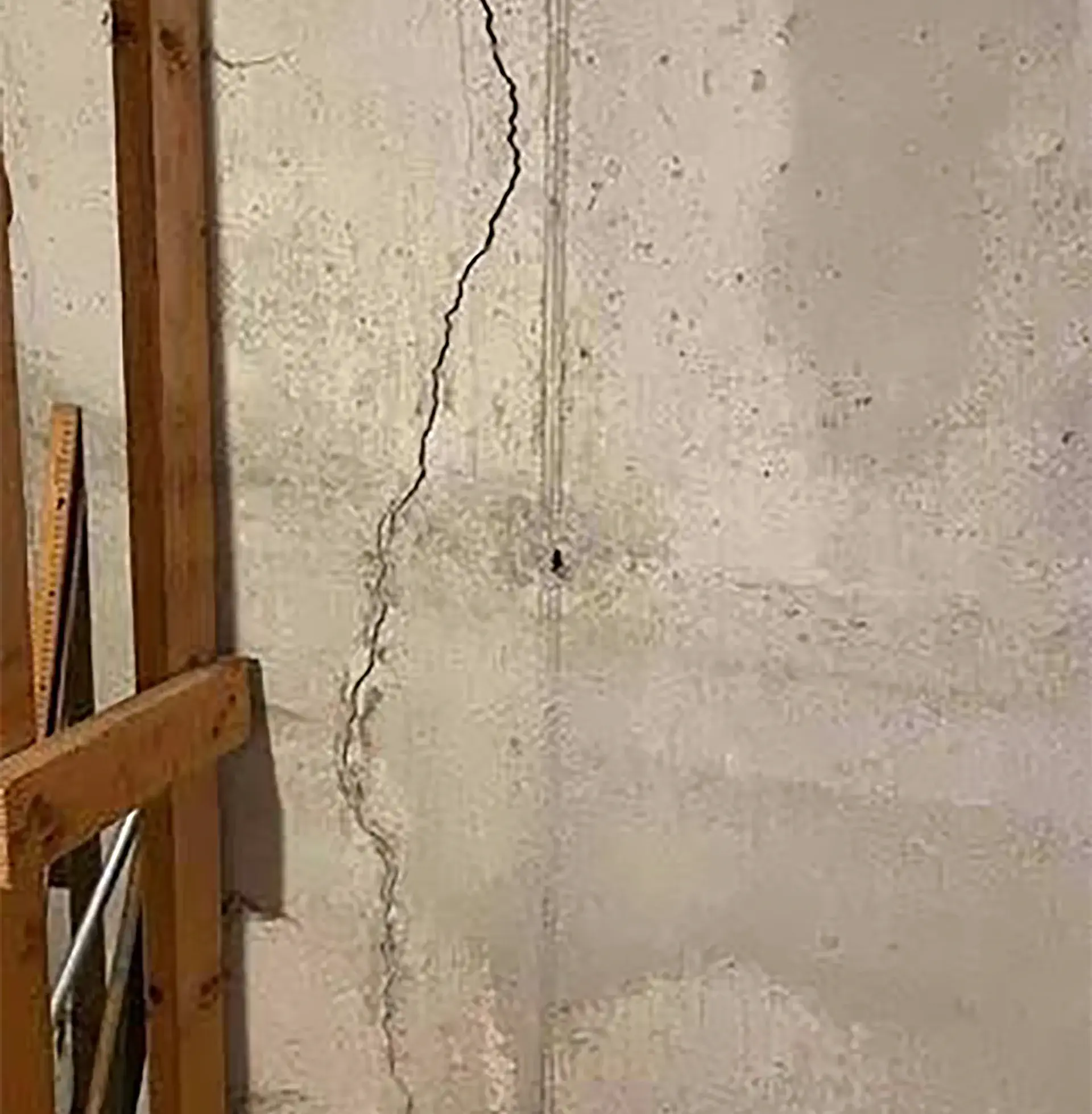
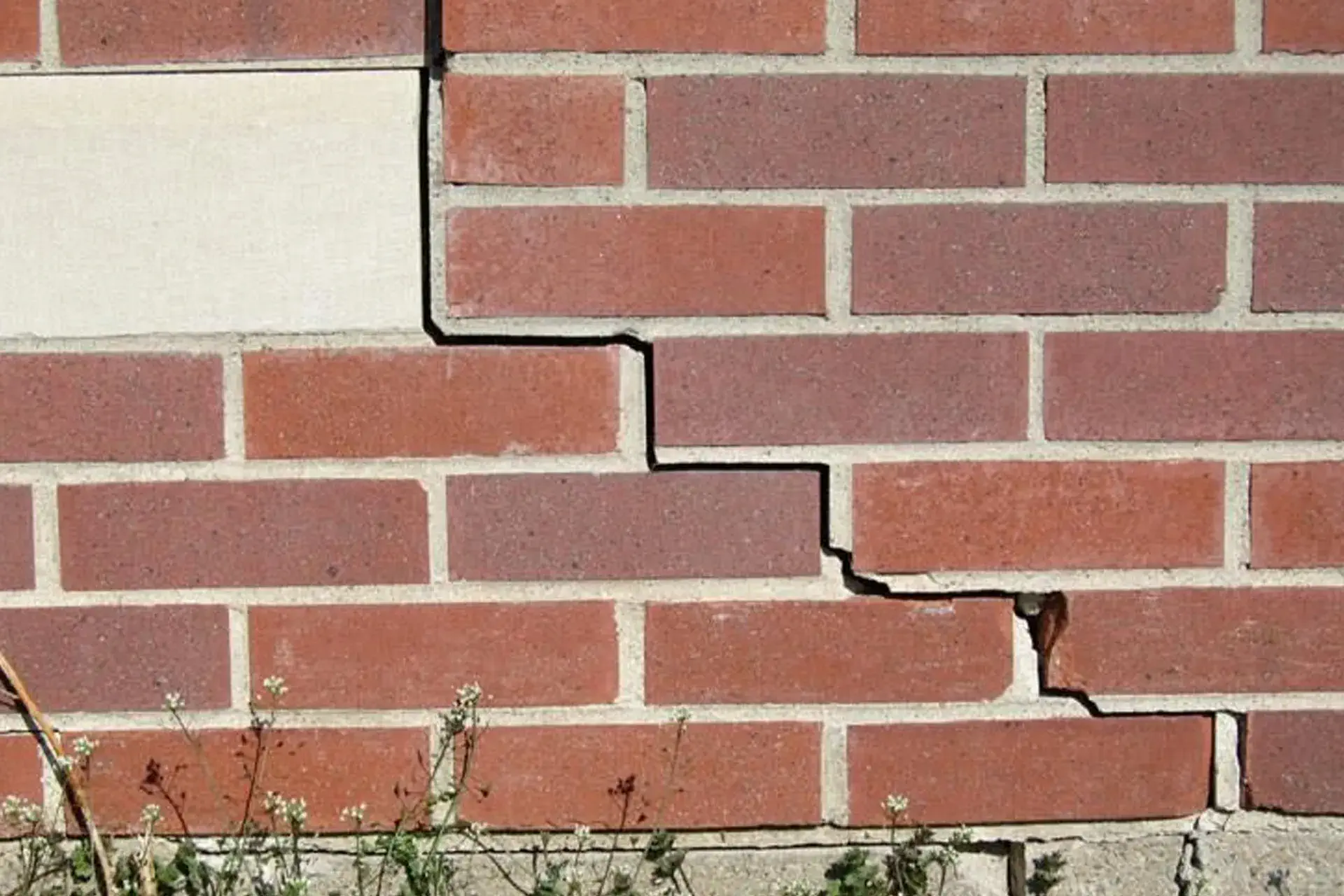
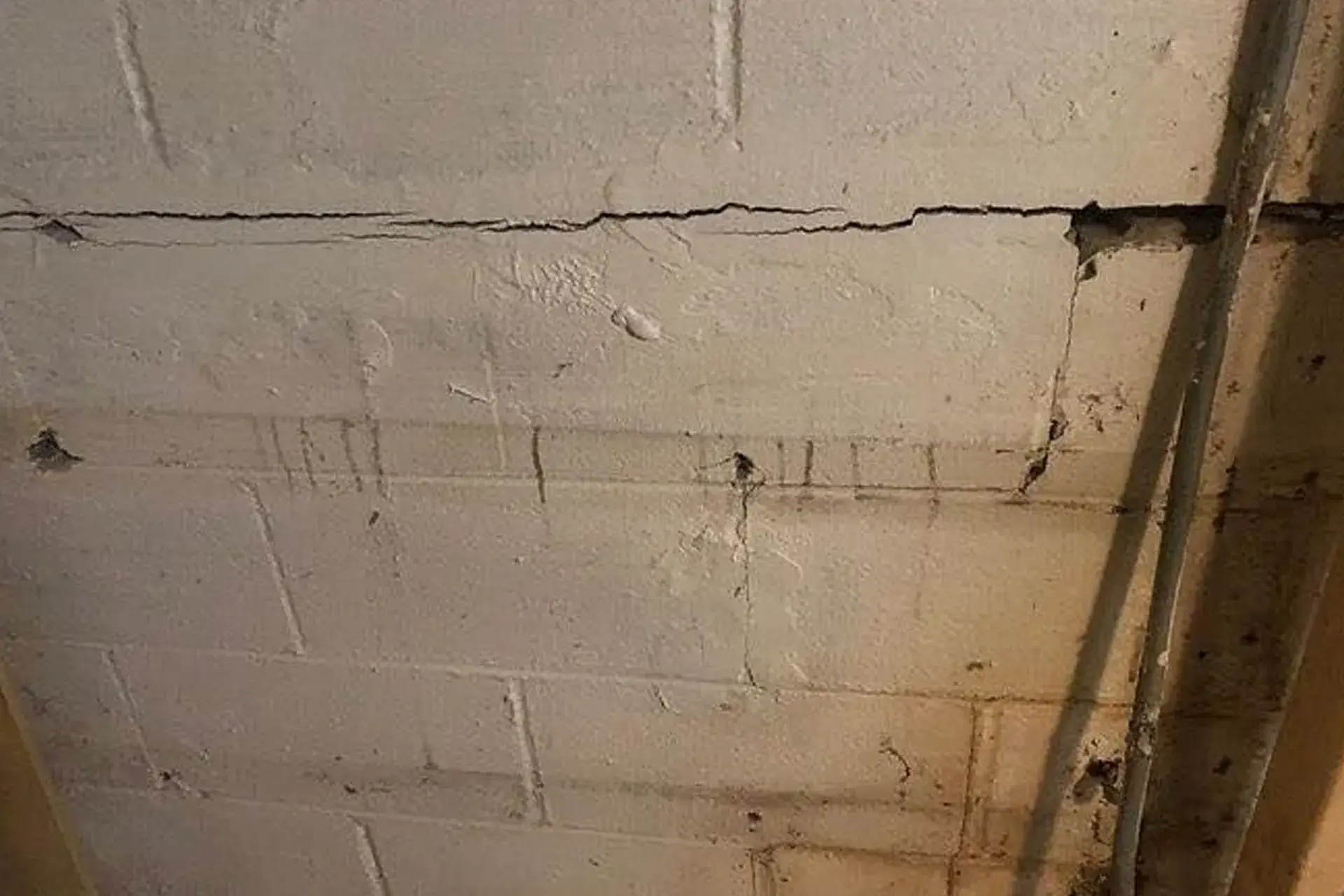
Not all cracks are serious at the beginning. But if a crack is growing, spreading, or changing shape, it often means the foundation is still moving.
Hairline cracks can sometimes be normal. But widening cracks are a warning sign that should not be ignored. This case study about some hairline cracks that our team tackled in Rocky Point, NY, is a good example.
-
Basement Walls That Start to Lean or Bow
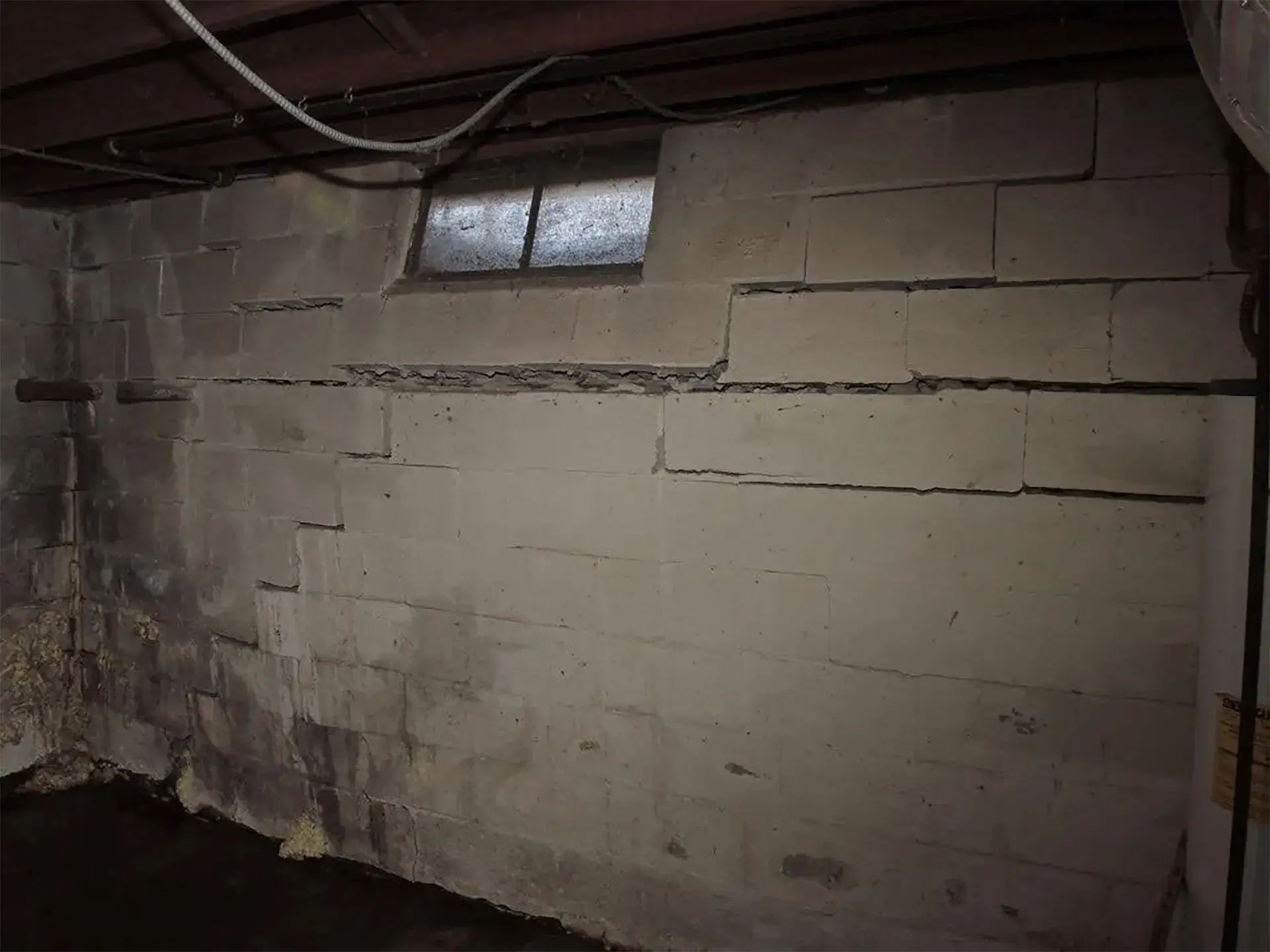
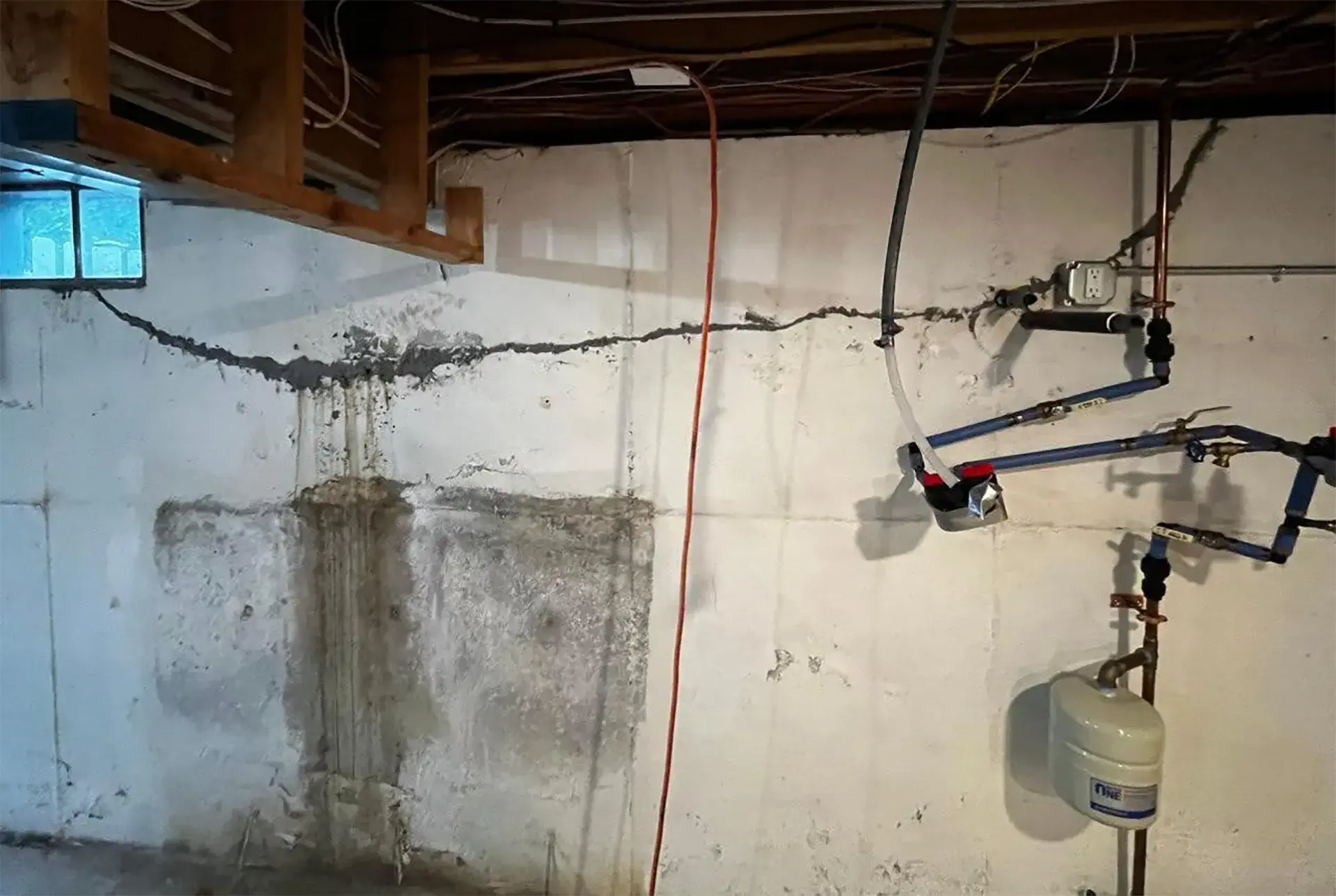
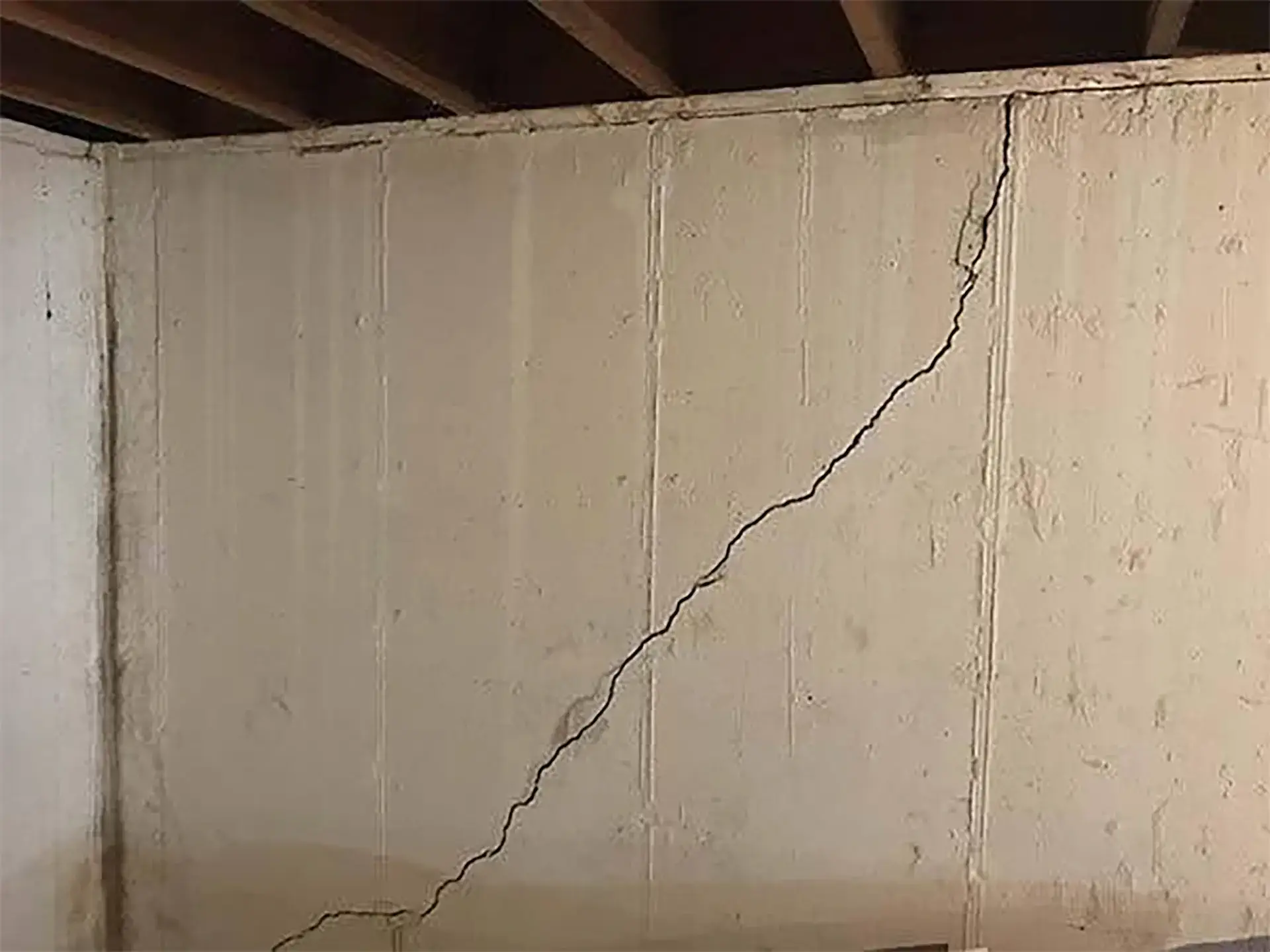
If basement walls begin to lean inward, bow, or separate from floors or ceilings, it is a strong sign of structural pressure.
This usually happens when soil or water is pushing against the foundation from the outside.
-
Uneven or Sloping Floors
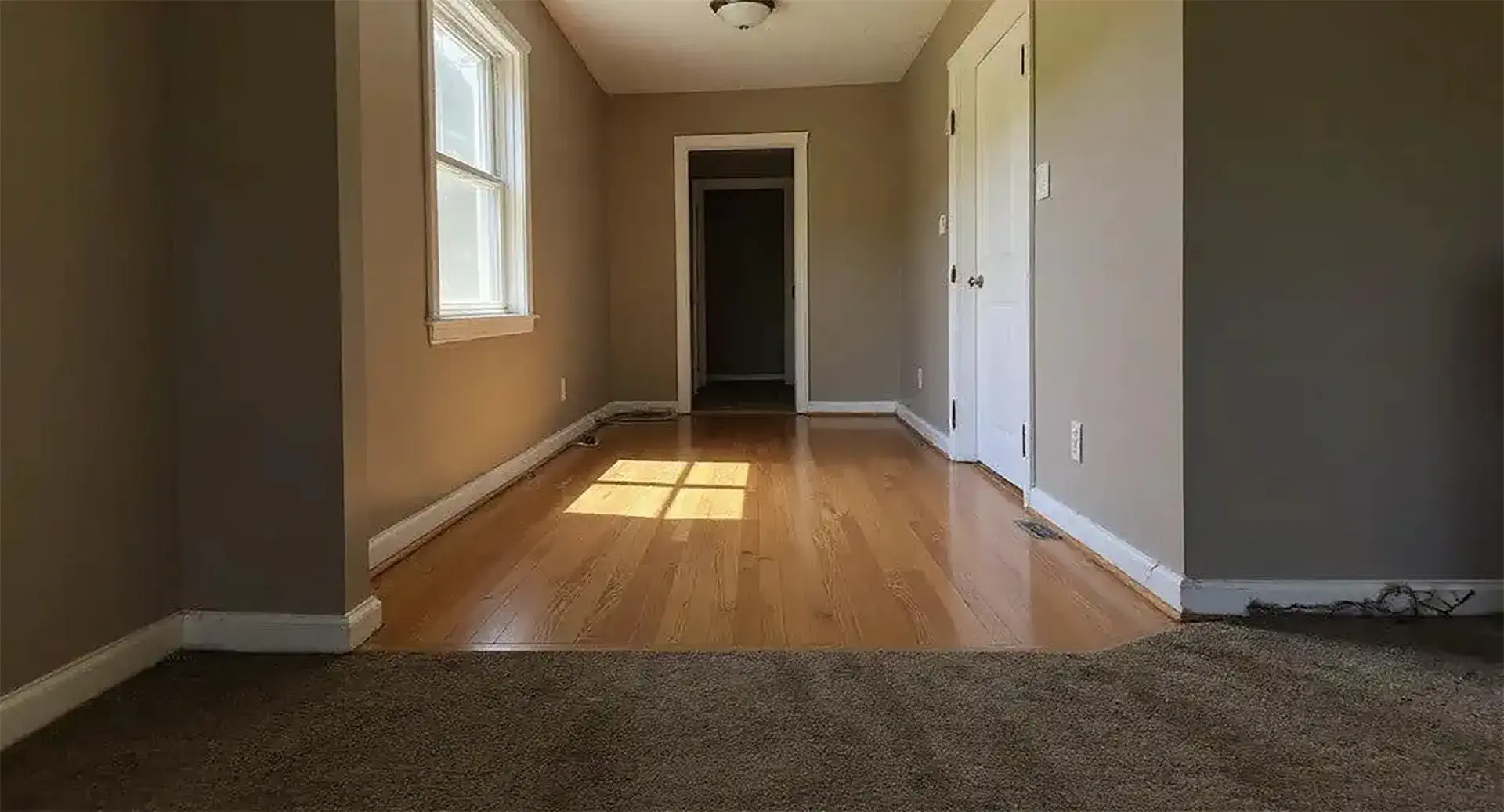
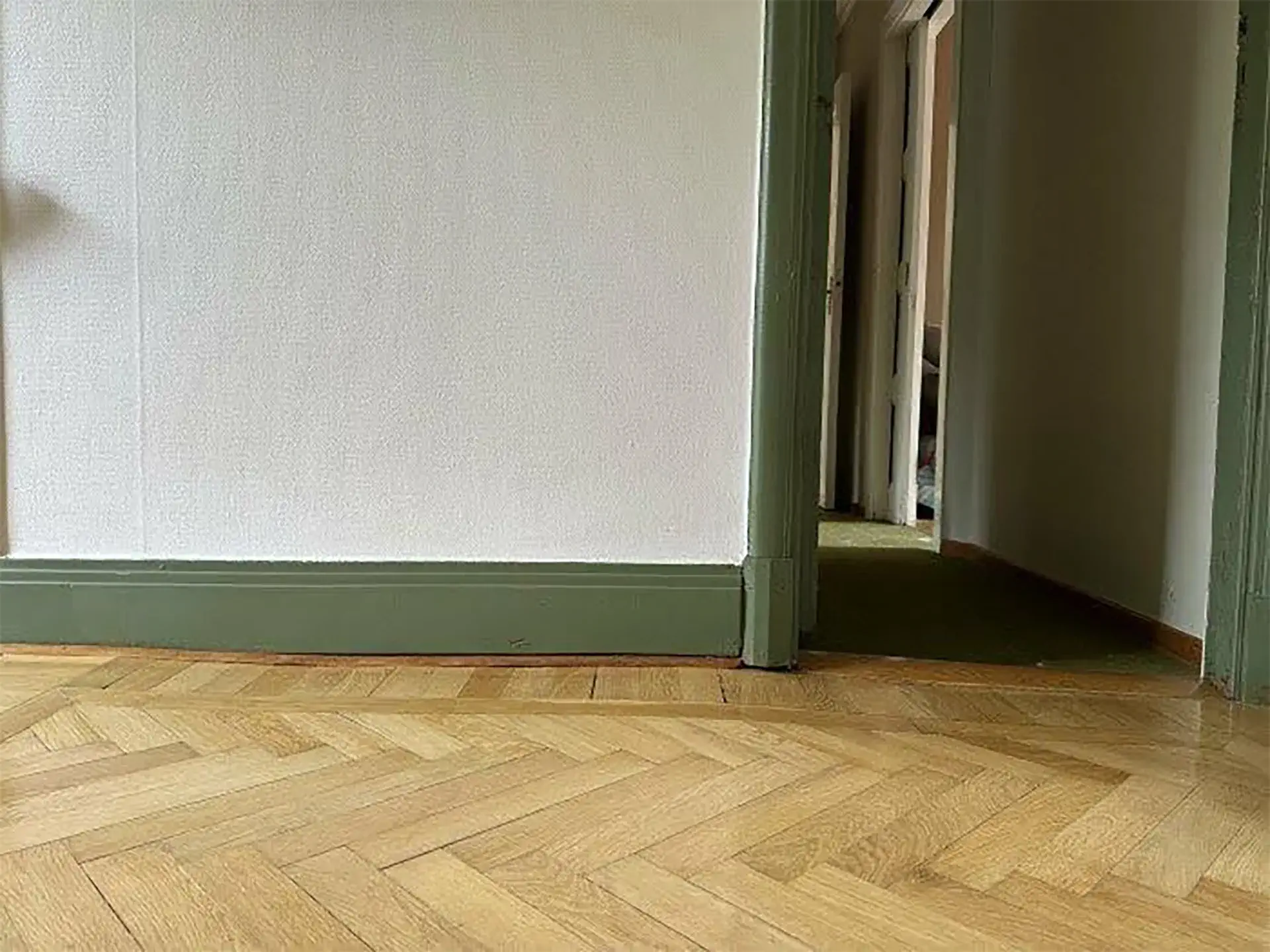
Floors that feel uneven or sloped can point to settlement under the foundation.
Homeowners often notice:
- furniture leaning slightly
- floors that feel “off” when walking
- small height differences between rooms
These changes usually develop slowly over time.
-
Doors and Windows That Stop Working Properly
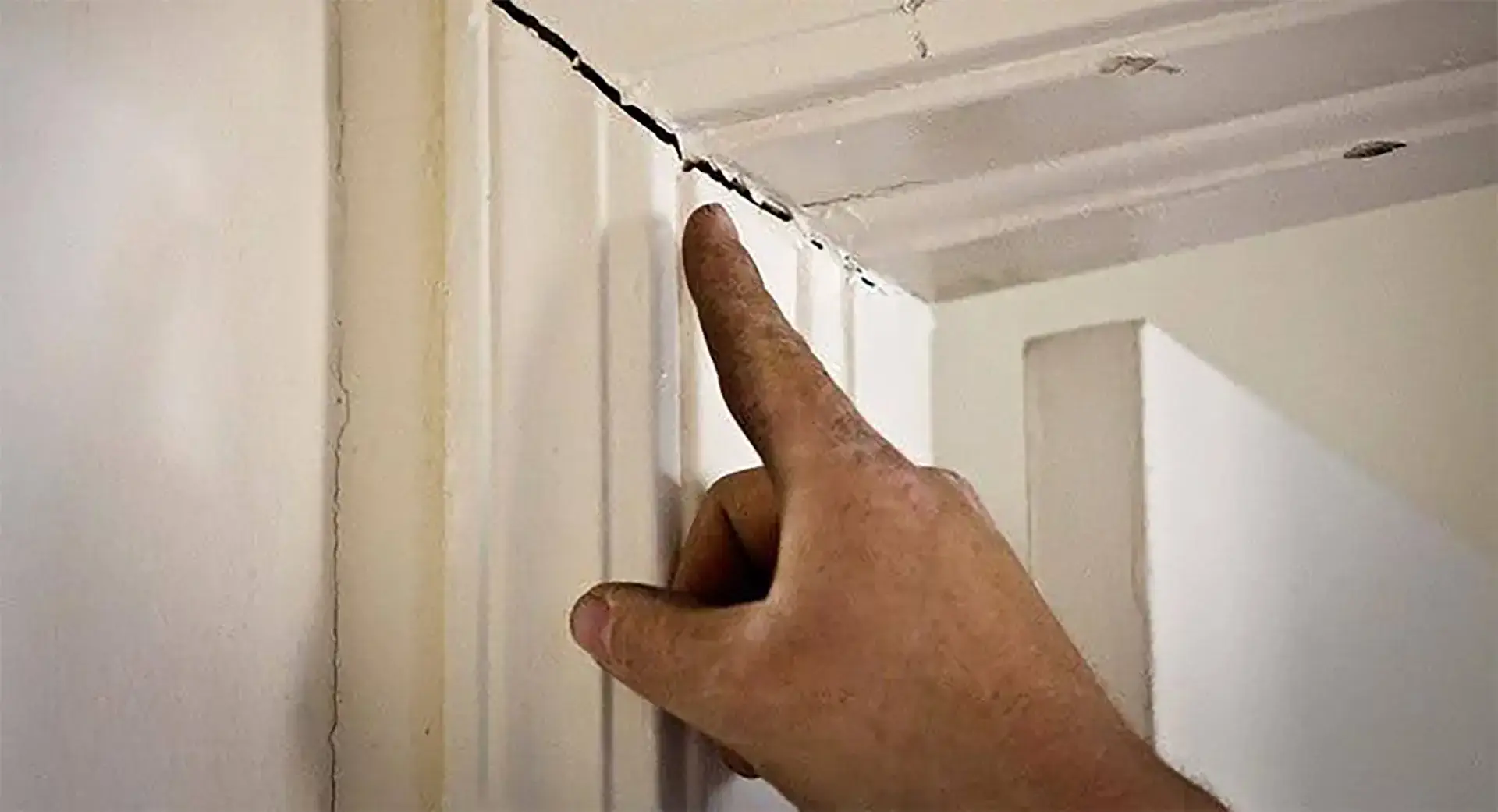
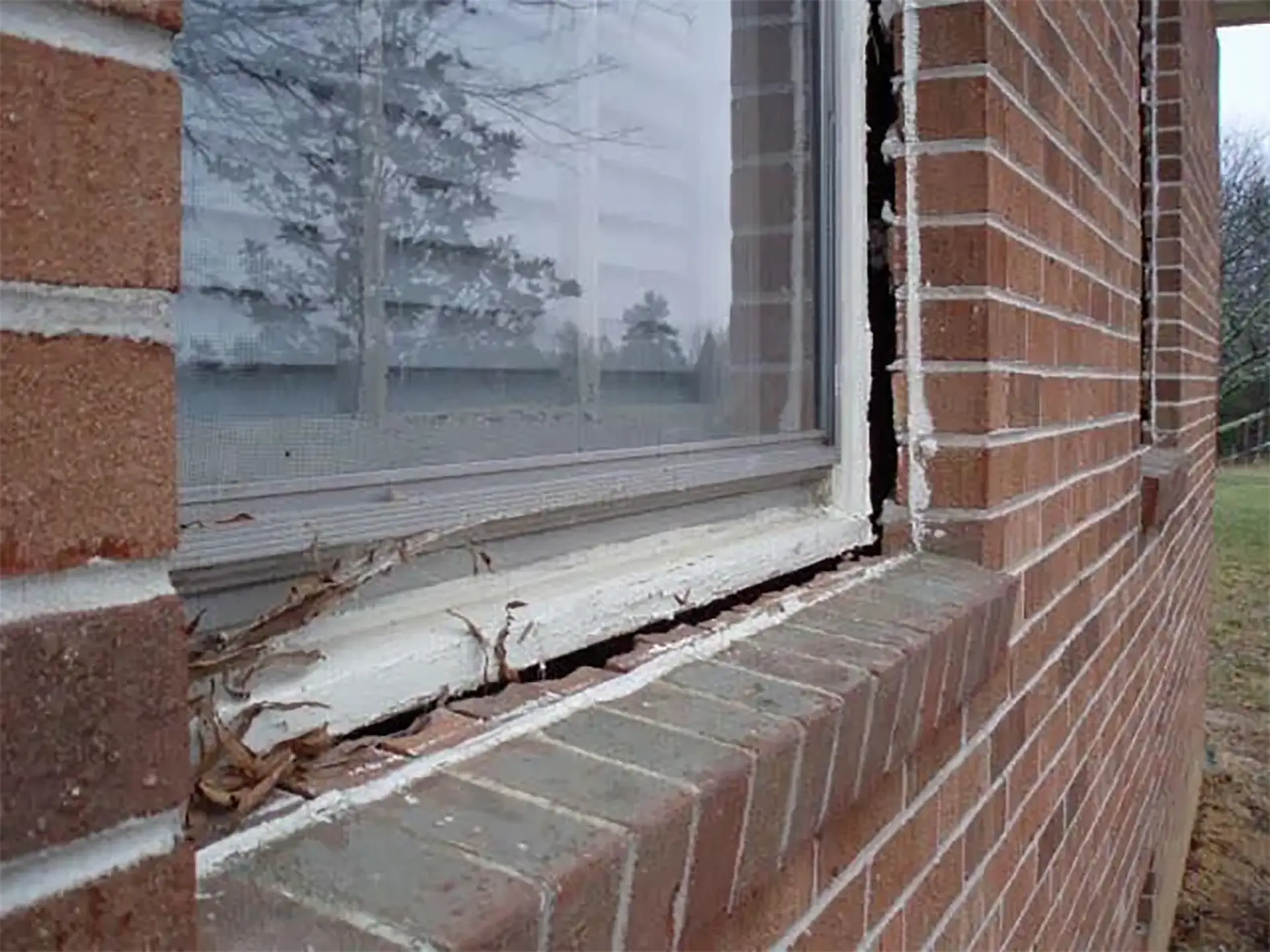
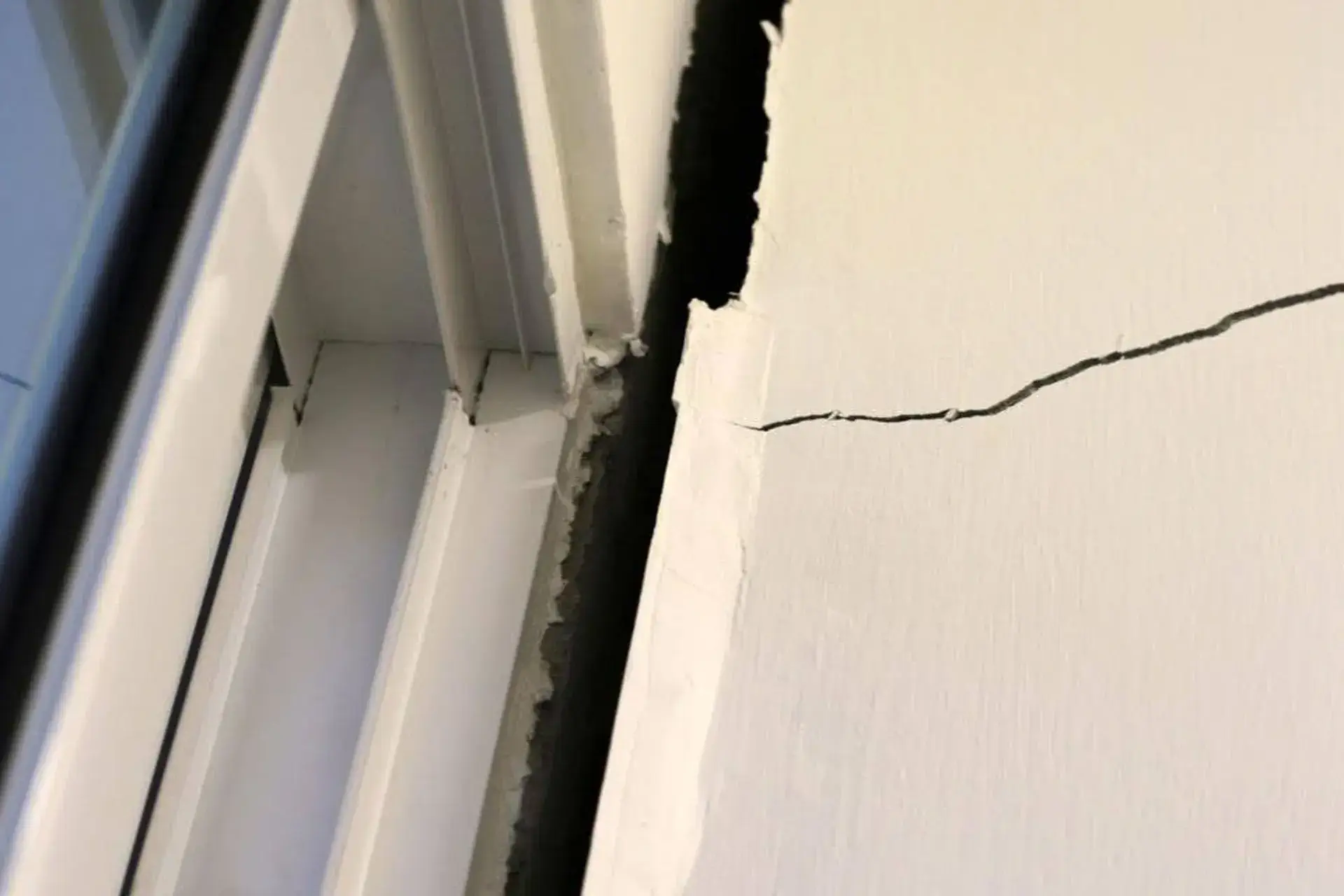
When a foundation shifts, even slightly, it affects the entire frame of the house.
This often shows up as:
- doors that stick or scrape
- windows that become hard to open
- gaps forming around frames
These are early signs of structural movement.
-
Water Coming Into the Basement
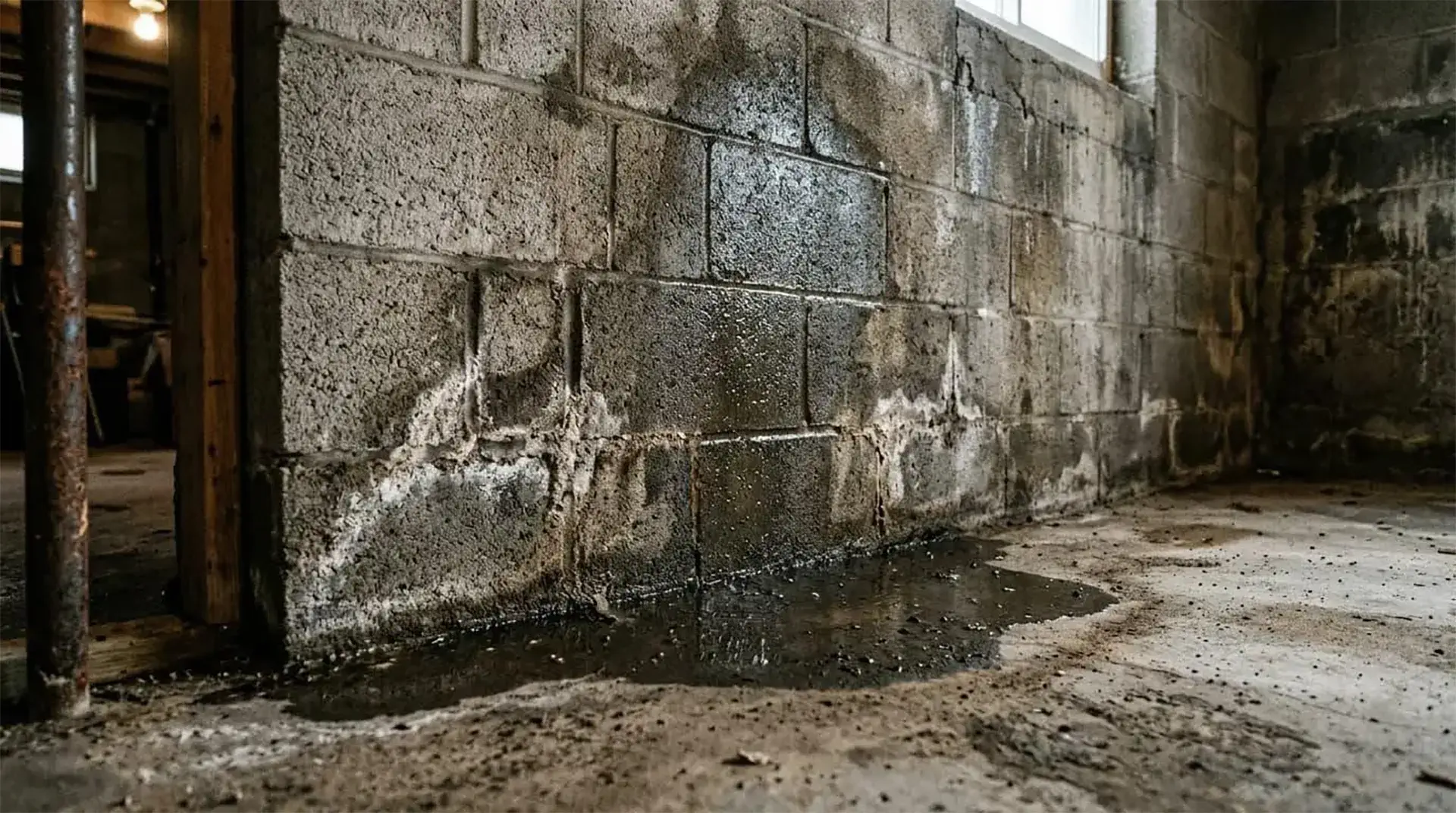
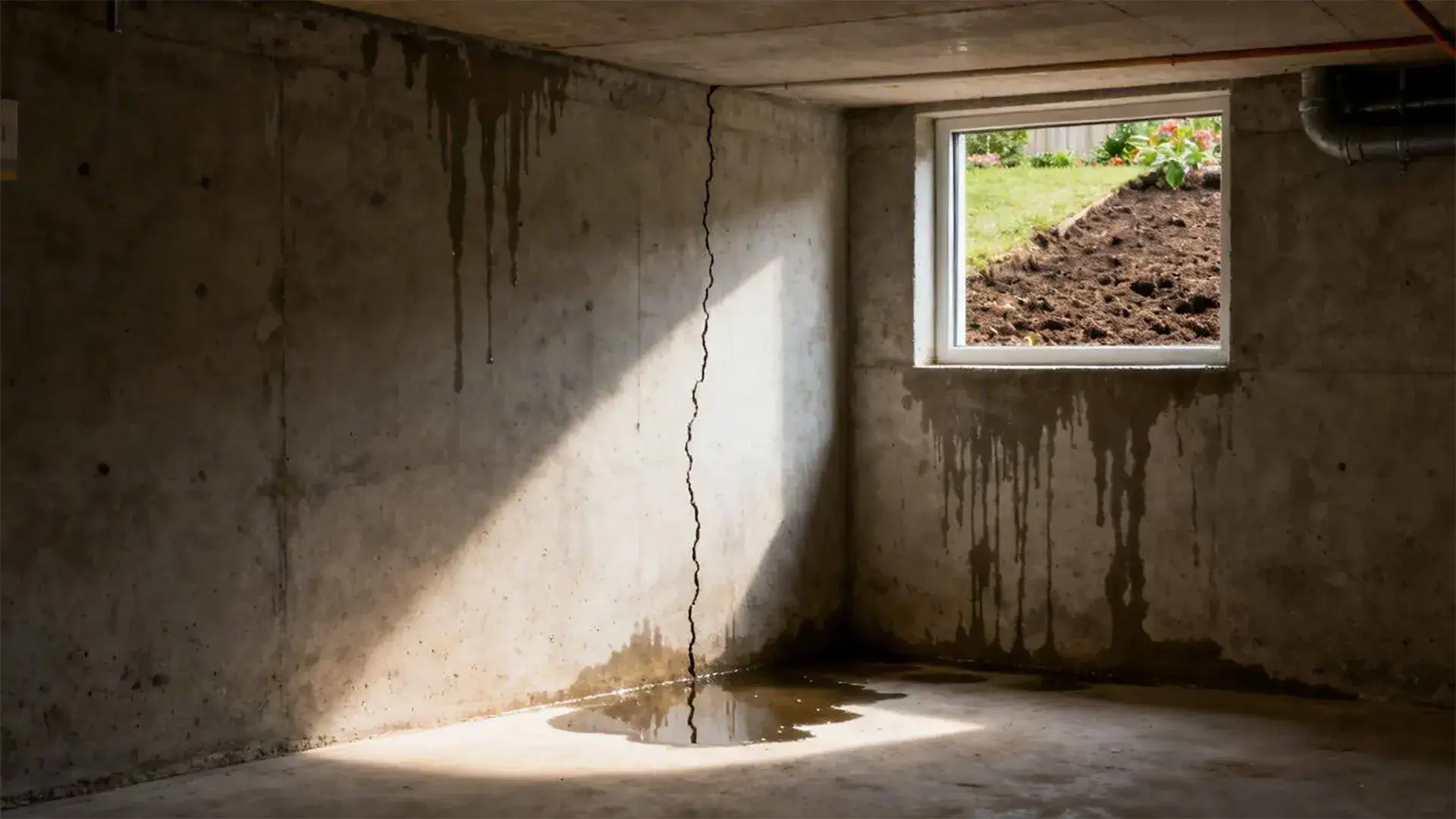
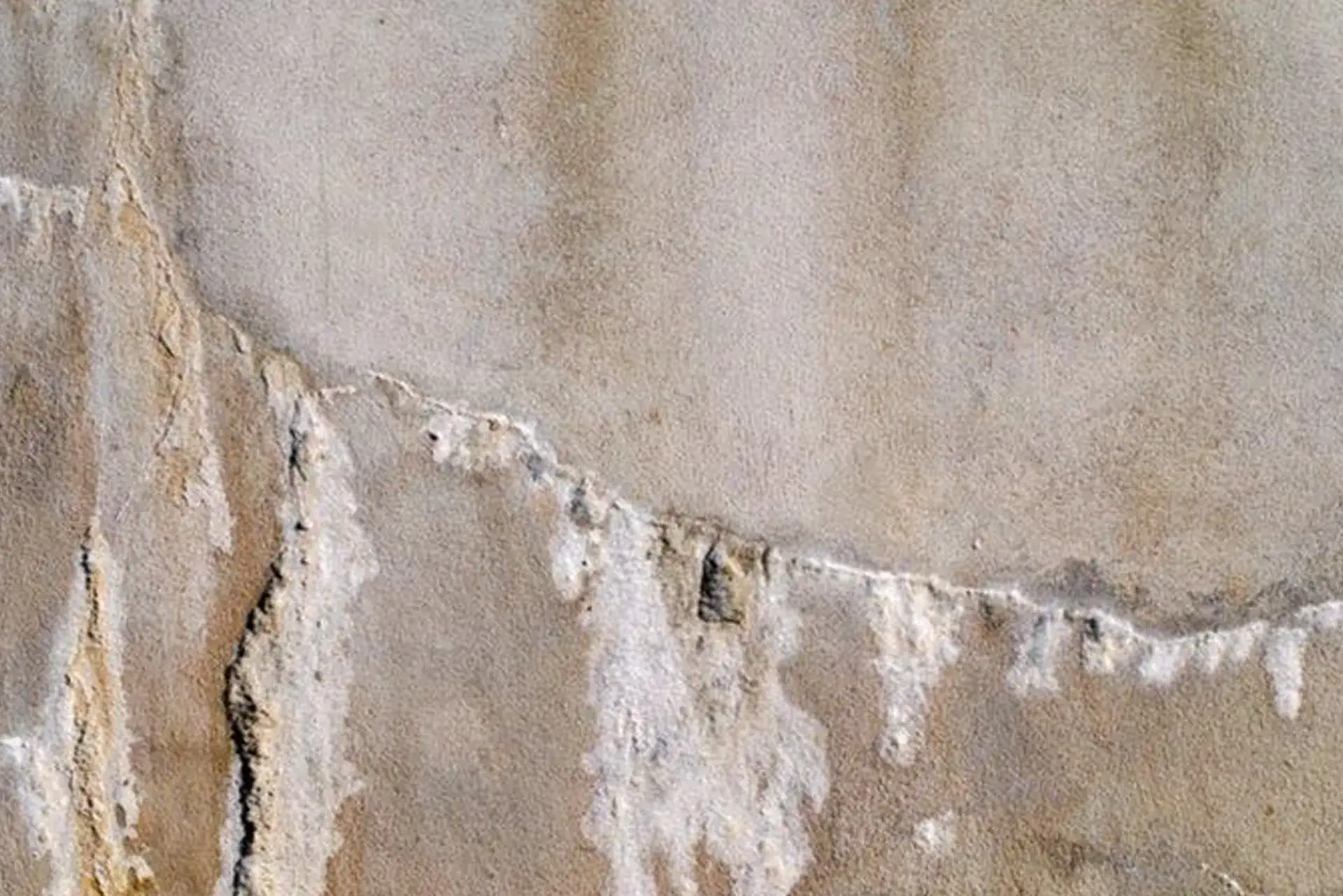
Water entering through cracks is another strong warning sign.
Even small leaks can lead to:
- long-term moisture damage
- mold growth
- weakening of foundation materials
This is especially common after heavy rain in New York homes.
Why Timing Matters
Structural foundation problems do not stay the same. They usually get worse over time.
A structural foundation inspection helps identify the real cause early so repairs can be planned before the damage spreads further. In many cases, early inspection leads to simpler and less costly solutions.
When to Schedule a Structural Foundation Inspection
A structural foundation inspection is recommended when signs of damage begin showing movement or changes in the home, rather than minor cosmetic issues.
Homeowners in areas like Brooklyn, Queens, Long Island, and Nassau County should schedule an inspection if they notice:
- Cracks getting wider or spreading
- Bowing or shifting basement walls
- Uneven or sloping floors
- Doors and windows sticking or misaligning
- Water leaking through foundation cracks
These warning signs often indicate ongoing foundation movement. Catching problems early can help prevent larger structural repairs and additional damage throughout the home.
Do You Need a Foundation Structural Engineer?
In some cases, a standard repair inspection is not enough to fully understand what is happening with a home’s foundation. This is when a foundation structural engineer may be needed.
For many New York homeowners, especially in older areas like Brooklyn, Queens, Long Island, and Nassau County, an engineer is often called when foundation issues are unclear or more serious. This is common in homes with repeated cracking, bowing basement walls, or uneven settling that continues even after minor repairs.
It is important to call them for an inspection if:
- Cracks keep returning after previous repairs
- Basement walls are noticeably bowing or shifting
- Floors are uneven and continue to worsen
- There is significant structural movement in multiple areas of the home
- A contractor recommends an engineer review for safety confirmation
Common Structural Foundation Repair Solutions
Once a structural problem is identified, the next step is choosing the right repair method. The solution depends on what is happening with the foundation, how severe the damage is, and what is causing the movement in the first place.
In New York homes, especially in areas like Brooklyn, Queens, Long Island, and Nassau County, repairs often need to address both structural movement and water pressure at the same time. Fixing only one part of the problem can allow damage to return later.
-
Crack Repair and Sealing
One of the most common repair methods is crack repair. When foundation cracks are still active but not yet severe, they can often be sealed to stop water intrusion and slow further movement. This is usually one of the first steps in protecting the structure.
-
Wall Reinforcement Systems for Bowing Walls
For walls that are bowing or shifting inward, reinforcement systems for structural support are often used. These systems help stabilize the wall and prevent it from continuing to move. In many homes, this type of repair is used when soil pressure has built up around the foundation over time.
-
Carbon Fiber Foundation Reinforcement
Carbon fiber reinforcement is another method used in certain situations. It is applied directly to basement walls to help strengthen and support areas that are beginning to show stress or minor movement. It is often used when early signs of structural weakness are detected.
-
Underpinning and Pier Systems for Settlement
In more serious cases, underpinning or pier systems may be needed. These solutions help stabilize the foundation by transferring the weight of the home to deeper, more stable soil. This is typically used when settlement has caused noticeable sinking or uneven floors.
-
Crawl Space Structural Repairs
Crawl space structural repairs are also common in New York homes. These repairs focus on strengthening support beams, correcting moisture issues, and stabilizing areas where the structure may be weakening underneath the house.
-
Waterproofing as Part of Structural Repair
In many cases, waterproofing is also part of the repair plan. Since water pressure is one of the main causes of foundation damage, improving drainage and sealing the foundation helps reduce the risk of future problems.
The right structural foundation repair solution is always based on a full inspection. Every home is different, and the goal is to stop the damage, stabilize the structure, and prevent it from coming back.
What Happens If Structural Foundation Damage Is Ignored?
Structural foundation problems usually worsen over time, especially in New York homes exposed to soil movement, heavy rain, and freeze-thaw cycles.
What starts as small cracks or uneven floors can lead to bowing walls, water intrusion, sticking doors and windows, mold growth, and more serious structural damage. In older homes across Brooklyn, Queens, and Long Island, delayed repairs can eventually require larger and more expensive structural work.
Early repairs help prevent additional damage, reduce costs, and protect the long-term stability and value of the home.
How Much Does Structural Foundation Repair Cost?
Structural foundation repair costs are not the same for every home. In New York areas like Brooklyn, Queens, Long Island, and Nassau County, the price depends on what kind of damage the home has and how far it has progressed.
Instead of one fixed cost, it is better to understand what affects the price.
-
Severity of the Damage
Small cracks that only need sealing are usually on the lower end of repair costs.
But if the foundation is shifting, bowing, or sinking, the repair becomes more complex and expensive.
-
Type of Repair Needed
Different problems need different solutions.
- Crack repairs are simpler and usually less costly
- Wall reinforcement systems are more involved
- Underpinning or pier work is the most complex
The more structural the issue, the more work is required.
-
Access to the Foundation
Some homes are easy to work on, while others are not.
In older New York homes, tight basements, limited crawl space, or the need for excavation can increase labor and time, which affects cost.
-
Water and Drainage Issues
If water pressure is part of the problem, drainage or waterproofing work may also be needed.
This helps protect the foundation long term, but it can add to the overall project scope.
-
Best Way to Understand the Real Cost
The most accurate cost always comes after a structural foundation inspection. Every home is different, and the inspection helps identify what actually needs to be repaired instead of guessing.
This way, homeowners know exactly what the issue is and what solution is required before any work begins.
How to Find the Right Structural Foundation Repair Contractor
Choosing the right contractor for structural foundation repair is just as important as the repair itself. The right professional will identify the real problem and fix it properly, while the wrong choice can leave issues unresolved or returning later.
In areas like Brooklyn, Queens, Long Island, and Nassau County, experience matters. Homes here face shifting soil, heavy rain, and aging foundations, so you need someone who understands local conditions.
Look for a contractor who specializes in foundation work, not general repairs. They should regularly handle issues like basement wall cracks, bowing walls, and foundation settlement.
A proper inspection is also key. A reliable contractor will explain what is happening, why it is happening, and what repair options make sense. If someone gives a quick estimate without a detailed look, that is a red flag.
Clear communication is equally important. You should understand the problem in simple terms and know exactly what work is being done.
Finally, choose someone with local experience and transparent pricing. This helps ensure the repair plan is accurate, long-lasting, and based on real conditions in New York homes.
Why Homeowners Trust Zavza Seal for Structural Foundation Repair
Homeowners trust Zavza Seal because structural foundation repairs require accurate diagnosis, clear communication, and long-term solutions.
Homes across Brooklyn, Queens, Long Island, and Nassau County often face issues caused by soil movement, water pressure, and aging foundations. Zavza Seal focuses on identifying the root cause of the problem before recommending repairs.
The process begins with a detailed inspection to evaluate foundation movement, cracks, bowing walls, uneven floors, and water intrusion. Homeowners also receive clear explanations of the issue and available repair options.
By combining structural repairs with drainage and waterproofing solutions when needed, Zavza Seal helps stabilize foundations, reduce future movement, and protect homes from recurring damage. Early evaluation can also help prevent larger and more costly repairs later on.
Recent Structural Foundation Repair Case Study in Brooklyn, NY
A homeowner in Brooklyn, NY contacted us after noticing several warning signs in their basement. The foundation walls were starting to show horizontal cracking and slight inward bowing after periods of heavy rain. Over time, the issue became more visible, especially on one side of the basement where water pressure was building up against the wall.
After a full inspection, our team identified that the problem was caused by a combination of soil pressure and poor drainage around the home. The foundation wall was still stable but showing early signs of structural stress. If left untreated, the wall would have continued to bow inward and weaken further.
The Problem
- Horizontal cracks forming along the basement wall
- Early-stage bowing due to soil and water pressure
- Water intrusion during heavy rainfall
- Signs of long-term structural stress in the foundation
The Solution
We performed a targeted structural repair plan that focused on stabilizing the wall and reducing future pressure.
The work included:
- Structural crack repair to stop water entry
- Wall stabilization to prevent further inward movement
- Sealing and reinforcement of vulnerable foundation areas
- Moisture control improvements to reduce long-term pressure
The goal was not just to fix visible damage, but to stop the movement and protect the foundation long term.
Before and After Results
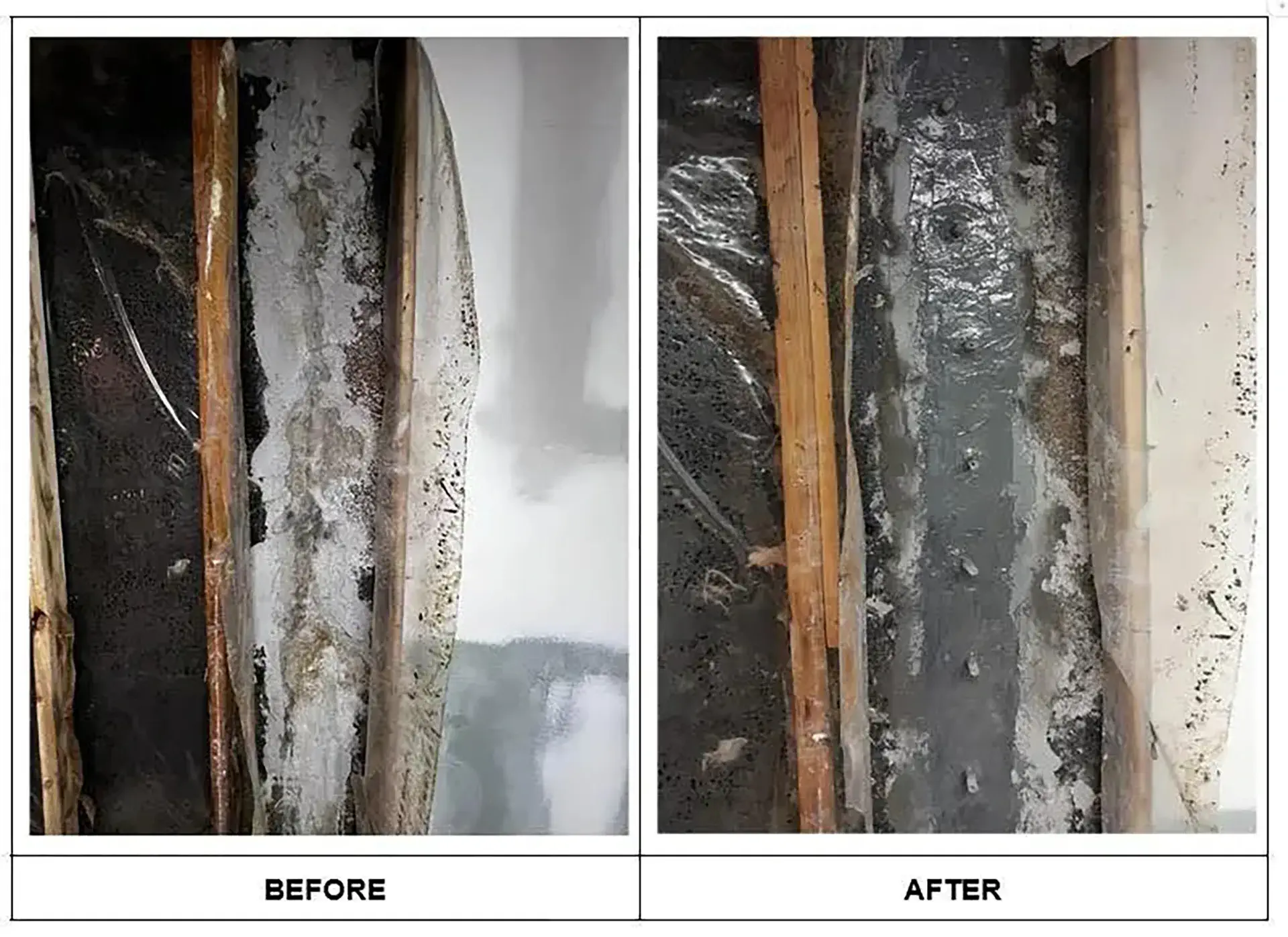
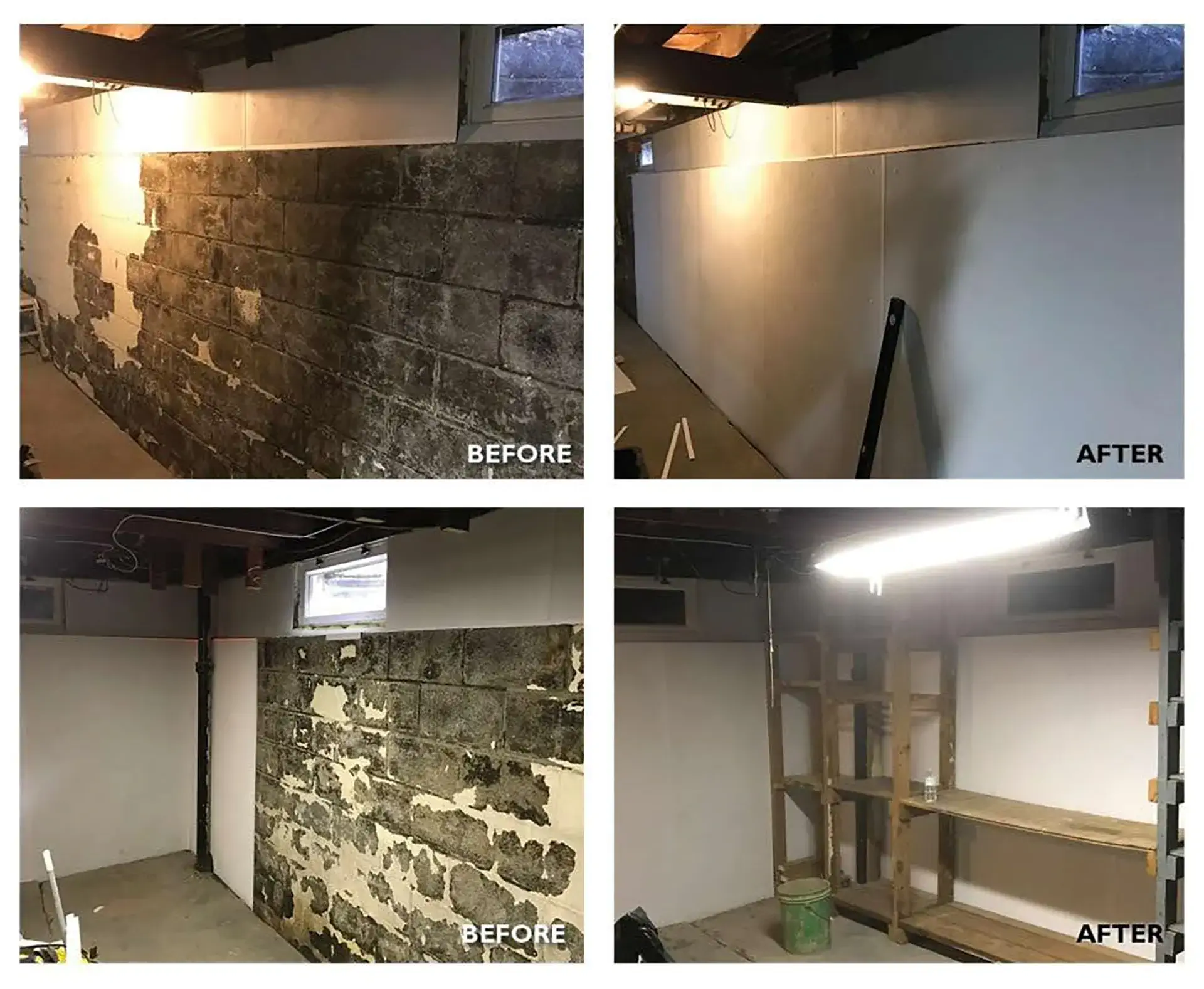
After the repair, the wall was stabilized, cracks were sealed, and the basement remained dry even during heavy rainfall. The homeowner also noticed improved structural confidence in the space, with no further signs of movement.
Related Case Studies
You can explore more real projects we completed in New York:
- Basement water intrusion repair in Brooklyn, NY
View Case Study - Foundation crack repair and waterproofing in Long Island, NY
View Case Study - Structural crack repair projects across NYC homes
View Case Study Collection
Field Experience: What We Commonly See in New York Homes
In our work across Brooklyn, Queens, Long Island, Nassau County, and nearby areas, we see the same types of structural foundation problems again and again. These issues are very common in older New York homes because of soil movement, weather changes, and aging construction.
Below are the most frequent patterns we notice in the field.
-
Basement Walls Bowing After Heavy Rain (Long Island Homes)
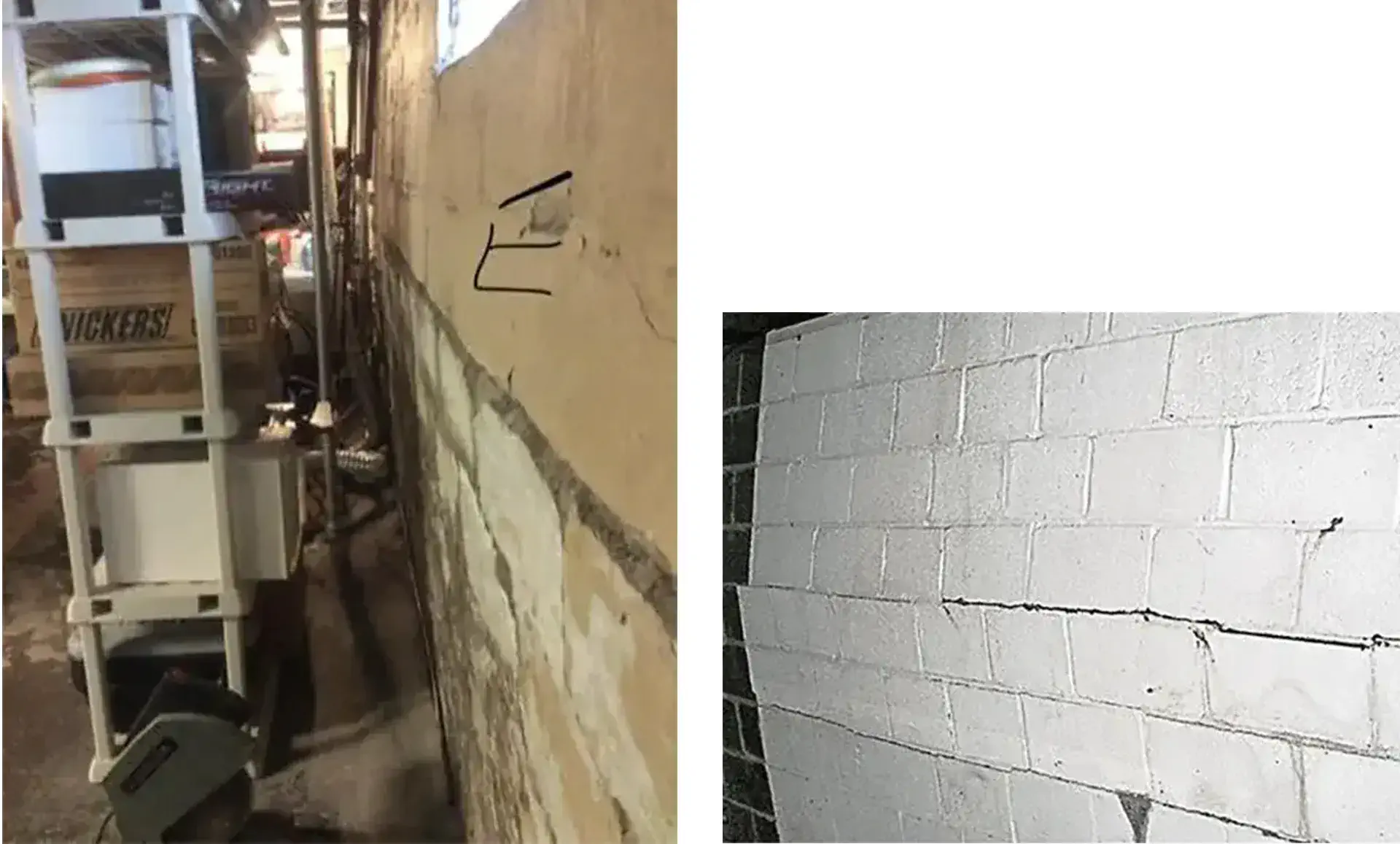
In many Long Island homes, we often see basement walls begin to bow after long periods of rain.
This happens when:
- soil around the home becomes fully saturated
- water pressure builds up outside the wall
- the wall slowly starts pushing inward
At first, it may look minor. Over time, it can become a serious structural issue if not stabilized.
-
Stair-Step Cracks in Older Brick Homes (Brooklyn & Queens)
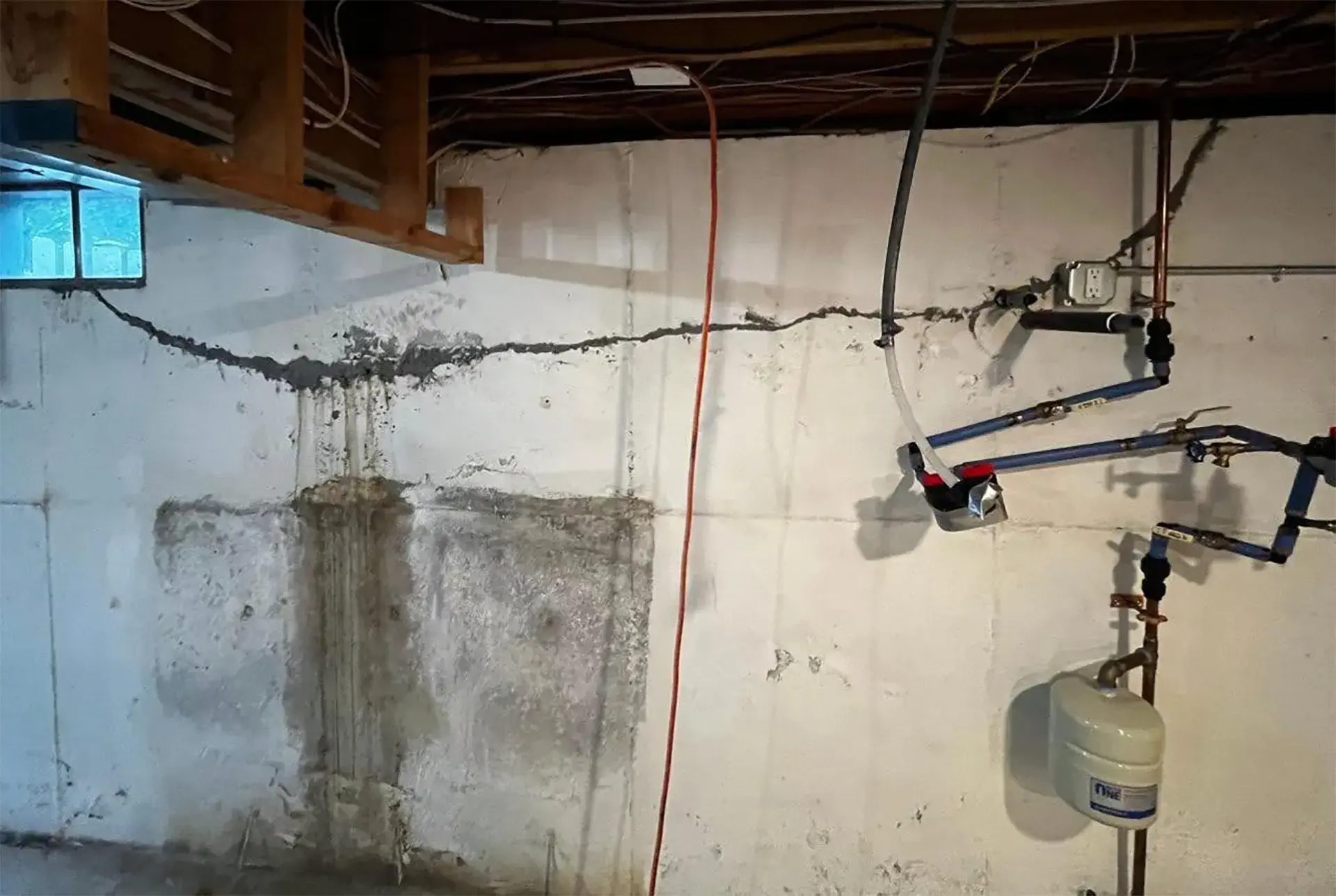
In Brooklyn and Queens, stair-step cracks are very common in older brick homes.
We typically see this in homes that:
- were built before modern foundation standards
- have gone through decades of natural settling
- are exposed to freeze and thaw cycles every winter
These cracks often follow mortar lines and slowly grow wider over time.
-
Settlement Issues in Older Foundations
Alt tag: Settlement Issues seen in Older Foundations requiring structural foundation repairs in New York.
Many older homes in New York show signs of foundation settlement.
Common signs include:
- uneven or sloping floors
- small wall separations
- doors that no longer close properly
This usually happens when the soil under parts of the home shifts or weakens over time.
-
Water Pressure From Poor Drainage Systems
Alt tag: Water Pressure From Poor Drainage Systems as seen in the pictures
Across many New York homes, we also see foundation problems caused by water pressure.
This usually happens when:
- drainage systems are blocked or missing
- rainwater is not directed away from the home
- water collects around the foundation
Over time, this pressure leads to cracks, leaks, and wall stress.
Why These Patterns Matter
These are not random issues. They are repeated patterns we see in the field every week.
Understanding them helps us quickly identify:
- what type of structural foundation repair is needed
- how advanced the damage is
- what is causing the problem in the first place
This is what allows repairs to be planned correctly and not just treated at the surface level.
Frequently Asked Questions
Homeowners often have the same concerns when they first notice foundation problems. These questions usually come up when cracks, uneven floors, or basement leaks start to appear and people are not sure how serious the issue is.
Below are some of the most common questions we hear from homeowners in Brooklyn, Queens, Long Island, and other parts of New York.
Can small foundation cracks turn into structural problems?
Yes. Some cracks stay minor, but others grow over time. If a crack keeps getting wider or longer, it may be a sign that the foundation is moving. In many New York homes, soil pressure and water can slowly turn small cracks into structural issues.
What causes basement walls to bow inward?
Bowing walls are usually caused by pressure from the soil outside the home. After heavy rain or snow melt, wet soil pushes against basement walls. Over time, this pressure can cause the wall to bend inward, especially in older foundations.
How do I know if my foundation problem is serious?
A foundation issue is more serious when you notice multiple signs together. For example, cracks along with uneven floors, sticking doors, or water in the basement usually point to structural movement rather than a surface issue.
Should I call a structural engineer for foundation cracks?
If cracks are growing, recurring, or linked with visible movement in the home, a structural engineer can help. They assess whether the problem is structural and provide a clear evaluation of the foundation’s condition.
Can water damage weaken a foundation?
Yes. Water is one of the most common causes of foundation problems in New York homes. When water builds up around the foundation, it increases pressure and can slowly weaken concrete and masonry over time.
Is structural foundation repair covered by insurance?
It depends on the cause of the damage. Some sudden events may be covered, but gradual issues caused by soil movement or aging are often not included. It is always best to check directly with your insurance provider.
How long does structural foundation repair take?
The timeline depends on the type of repair needed. Small crack repairs can be completed quickly, while more complex structural work like wall reinforcement or underpinning may take longer.