
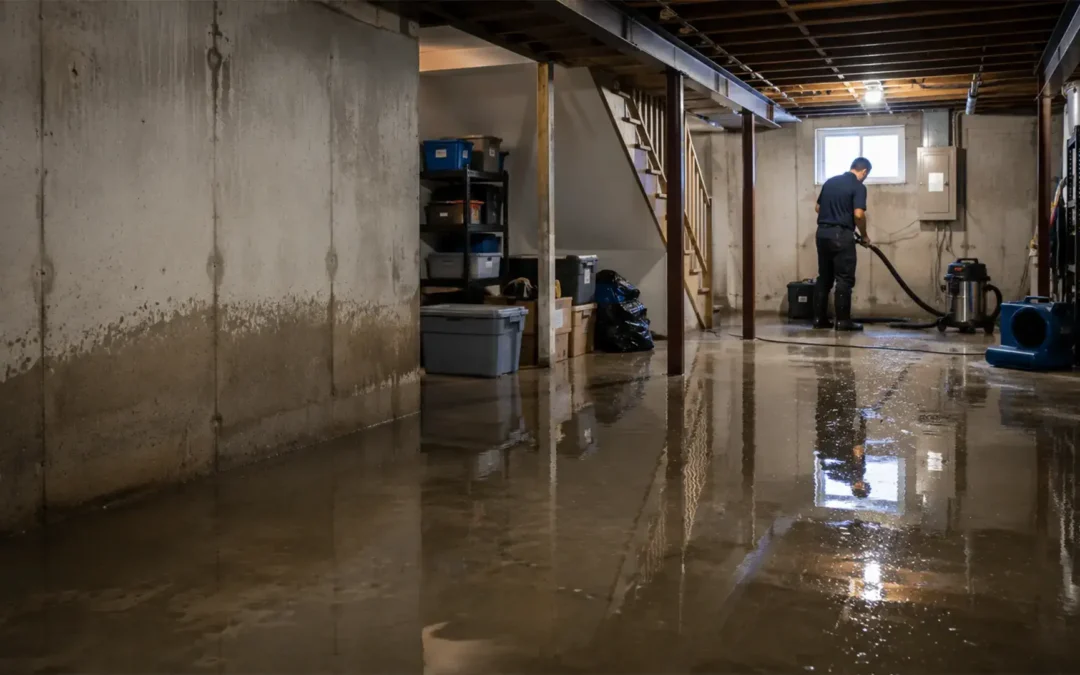
A flooded basement can quickly turn from a small problem into a major headache for homeowners. Water can damage flooring, drywall, furniture, appliances, and even the foundation of your home. In many cases, basement flooding also creates the perfect conditions for mold growth, musty odors, and long term moisture problems.
If you are searching for basement flood damage services near me, it is important to act quickly. The longer water sits inside a basement, the more damage it can cause. Even a small amount of water seepage can lead to hidden moisture behind walls, damaged insulation, wood rot, and unhealthy indoor air quality.
At Zavza Seal, we help homeowners across Long Island, Brooklyn, Queens, the Bronx, and nearby New York areas handle basement flood damage safely and professionally. Our team provides emergency basement water removal, drying, moisture control, waterproofing, and structural repair solutions designed to not only clean up the damage, but also help prevent the problem from returning.
Every flooded basement is different. Some homes experience flooding after heavy rain, while others deal with foundation cracks, hydrostatic pressure, poor drainage, sump pump failures, or sewer backups. That is why our approach focuses on finding the real source of the problem and creating long term protection for your property.
In this guide, we will explain the common causes of basement flooding, the warning signs to look for, what to do immediately after water damage, and how professional basement flood damage services can help protect your home and family.
What Causes Basement Flood Damage?
Basement flooding can happen for many different reasons. In some homes, the problem develops slowly over time because of moisture buildup and poor drainage. In other cases, a basement can flood suddenly after a heavy storm or plumbing failure. Understanding what caused the flooding is one of the most important steps in preventing the problem from happening again.
One of the most common causes of basement flood damage is heavy rain. When large amounts of rainwater collect around the foundation of a home, the surrounding soil becomes saturated. This creates pressure against basement walls and floors, forcing water through small cracks, gaps, and weak areas in the foundation.
Hydrostatic pressure is another major issue in many New York homes. This happens when groundwater builds up around the foundation and pushes moisture inward. Even concrete walls can eventually allow water seepage if the pressure becomes too strong. Homeowners may notice damp walls, peeling paint, musty odors, or standing water along the basement floor.
Foundation cracks are also a common source of basement water intrusion. Small cracks may not seem serious at first, but they can allow water to enter during storms or periods of high groundwater levels. Over time, these cracks can grow larger and lead to more significant structural and moisture problems.
Poor exterior drainage can also contribute to basement flooding. Clogged gutters, short downspouts, improper grading, and damaged drainage systems often direct water toward the foundation instead of away from it. When water repeatedly collects near the home, the risk of basement seepage and flooding increases.
Many flooded basements are also connected to sump pump problems. A sump pump may fail because of power outages, mechanical issues, or overwhelming amounts of water during severe weather. Without a working sump pump system, water can quickly build up inside the basement.
In some situations, plumbing leaks or sewer backups may also cause basement flood damage. These problems can introduce contaminated water into the home and should always be handled carefully and professionally.
At Zavza Seal, our team does not just remove water from flooded basements. We carefully inspect the property to identify the source of the problem and recommend long term solutions that help protect the home from future water damage.
Signs You Need Professional Basement Flood Damage Services
Some basement flooding problems are obvious, while others start with small warning signs that homeowners may overlook. Even minor moisture problems can become serious if they are not addressed quickly. Knowing what to look for can help you protect your home before the damage spreads further.
One of the clearest signs of basement flood damage is standing water or damp flooring. Water may appear after heavy rain, snow melt, or plumbing leaks. In some homes, the water may only collect in certain corners or along the edges of basement walls.
Common warning signs include:
- Standing water in the basement
- Damp carpets or wet flooring
- Musty or moldy smells
- Peeling paint or bubbling wall surfaces
- Water stains on walls or ceilings
- Warped wood flooring or damaged drywall
- Rust on appliances, pipes, or metal supports
- Visible mold growth on walls or stored items
- High humidity or condensation on basement surfaces
A musty smell in the basement is another common warning sign. Persistent odors usually indicate trapped moisture, hidden water damage, or mold growth behind walls, under flooring, or inside insulation materials.
Homeowners may also notice white chalky residue on concrete walls. This is often a sign that water is moving through the foundation and leaving mineral deposits behind. Over time, this moisture can weaken basement materials and create long term problems.
Mold growth is another major concern after basement flooding. Mold can begin developing within 24 to 48 hours after water exposure, especially in dark and poorly ventilated basement areas. Black spots on walls, ceilings, insulation, or stored belongings should never be ignored.
Some homeowners also experience increased allergy symptoms, poor indoor air quality, or respiratory irritation caused by excess moisture and mold spores inside the home.
If you notice any of these warning signs, it is important to have the basement inspected as soon as possible. At Zavza Seal, we help homeowners identify hidden moisture problems, remove water safely, dry affected areas, and recommend waterproofing solutions that help prevent future flooding and structural damage.
What To Do Immediately After Your Basement Floods
A flooded basement can feel overwhelming, especially when water is spreading quickly through the space. Acting fast can help reduce damage, protect your belongings, and lower the risk of mold growth and structural problems. The first few hours after basement flooding are extremely important.
If your basement floods, here are the most important steps to take:
Turn Off Electricity if It Is Safe
Water and electricity are a dangerous combination. If you can safely access your electrical panel without stepping into standing water, shut off power to the basement immediately. If the area is unsafe, contact a licensed electrician or emergency professional before entering.
Avoid Contact With Floodwater
Not all floodwater is clean. Water from sewer backups, storms, or drainage failures may contain bacteria and contaminants. Avoid walking through standing water without proper protective equipment.
Remove Valuable Items and Furniture
Move furniture, electronics, storage boxes, and valuable belongings to a dry area as quickly as possible. The longer items remain wet, the harder they may be to restore.
Document the Damage
Take photos and videos of all affected areas before cleanup begins. This can help support insurance claims and provide documentation of the damage.
Contact Basement Flood Damage Professionals
Professional basement flood damage services can help remove water, dry the space properly, inspect hidden moisture, and prevent mold growth. Fast response is important because moisture can spread behind walls and under flooring very quickly.
Start Drying the Basement
If it is safe to do so, begin increasing airflow by opening windows and using fans or dehumidifiers. However, severe flooding often requires professional drying equipment to fully remove trapped moisture from building materials.
Do Not Ignore Small Signs of Moisture
Even if the water appears minor, hidden moisture can remain inside walls, insulation, and flooring materials. This can eventually lead to mold growth, odors, and structural damage if not handled properly.
At Zavza Seal, we provide emergency basement flood damage services across Long Island, Brooklyn, Queens, and nearby New York areas. Our team helps homeowners remove water safely, dry affected areas thoroughly, and identify long term waterproofing solutions that help prevent future basement flooding.
Why Fast Basement Flood Cleanup Matters
Many homeowners believe a basement will dry on its own after flooding, but waiting too long can lead to much bigger problems. Water spreads quickly through building materials and can continue causing damage long after the visible water is gone.
In many cases, mold can begin growing within 24 to 48 hours after water exposure. Damp drywall, insulation, carpeting, wood framing, and stored belongings can all become breeding grounds for mold if moisture is not removed properly. Once mold spreads, cleanup becomes more expensive and indoor air quality can suffer.
Fast basement flood cleanup also helps reduce structural damage. Water can weaken wood framing, damage drywall, corrode metal supports, and affect the stability of flooring materials. Over time, repeated moisture exposure may even contribute to foundation deterioration and long term basement waterproofing problems.
Another reason quick action matters is hidden moisture. Even after standing water is removed, moisture can remain trapped behind walls, underneath flooring, and inside insulation. Without proper drying equipment and moisture inspections, these hidden damp areas may continue causing problems for weeks or months.
Delaying cleanup may also increase the risk of:
- Mold growth and mildew odors
- Wood rot and weakened structural materials
- Damaged insulation and reduced energy efficiency
- Electrical hazards and appliance damage
- Poor indoor air quality
- Increased repair and restoration costs
Professional basement flood damage services use commercial drying equipment, moisture detection tools, and dehumidification systems designed to fully dry affected areas and reduce the risk of future problems.
At Zavza Seal, our goal is not just to remove water from flooded basements. We help homeowners identify the source of the flooding, protect the structure of the home, and recommend long term waterproofing solutions that help prevent the problem from returning.
Our Basement Flood Damage Service Process
Every flooded basement is different, which is why professional cleanup should never follow a one size fits all approach. At Zavza Seal, we carefully inspect each property, identify the source of the flooding, and create a plan that helps restore the basement safely while also helping prevent future water damage.
Our basement flood damage service process is designed to address both the immediate damage and the long term protection of your home.
Detailed Basement Inspection
The first step is a full inspection of the affected area. Our team checks for:
- Standing water and moisture levels
- Foundation cracks and water entry points
- Damage to drywall, flooring, and insulation
- Mold growth or musty odors
- Drainage and sump pump problems
- Signs of hydrostatic pressure around the foundation
Finding the source of the water intrusion is one of the most important parts of the process.
Emergency Water Removal
Once the inspection is complete, we begin removing standing water from the basement using professional extraction equipment. Fast water removal helps reduce damage to floors, walls, furniture, and structural materials.
Structural Drying and Dehumidification
After the water is removed, the basement must be dried completely. We use commercial air movers and dehumidifiers to remove trapped moisture from the air and surrounding materials. This step is critical for reducing mold risks and preventing hidden moisture damage.
Mold Prevention and Moisture Control
Flooded basements often create ideal conditions for mold growth. Our team checks affected areas carefully and takes steps to reduce excess moisture and improve basement conditions before mold problems spread further.
Basement Waterproofing and Repairs
In many cases, cleanup alone is not enough. If the basement flooding was caused by foundation cracks, poor drainage, hydrostatic pressure, or sump pump failure, repairs may also be necessary.
Depending on the condition of the home, our team may recommend:
- Crack repair and sealing
- Interior or exterior waterproofing
- French drain installation
- Sump pump systems
- Vapor barriers
- Drainage improvements
- Foundation repair solutions
Final Inspection and Prevention Planning
Before completing the project, we perform a final inspection to make sure the basement is dry, stable, and protected. We also help homeowners understand what caused the flooding and what steps can help lower the chances of future basement water damage.
At Zavza Seal, our focus is not only on restoring flooded basements, but also on helping homeowners protect their property long term through proper waterproofing, drainage, and structural solutions.
Recent Basement Flood Damage Project by Zavza Seal
Here is a real example of how we handle basement flood damage from start to finish. This case shows how fast response and proper repair can turn a heavily damaged basement into a clean, safe, and usable space again.
Case Study: Flooded Basement Restoration in Queens, NY
A homeowner in Queens experienced severe basement flooding after heavy rainfall. Water entered through foundation wall cracks and weak drainage around the property. When our team arrived, the basement had standing water, soaked flooring, damp walls, and a strong musty smell. There were also early signs of moisture damage starting behind the walls.
We responded with a full basement flood damage service approach in this Queens, NY home. First, we removed all standing water and cleared the space for drying. Next, we used professional drying equipment and dehumidifiers to remove trapped moisture from the air, walls, and flooring materials. After the basement was fully dried, we repaired foundation cracks and improved waterproofing to reduce the risk of future flooding.
Before and After Results
Here is what the transformation looked like:
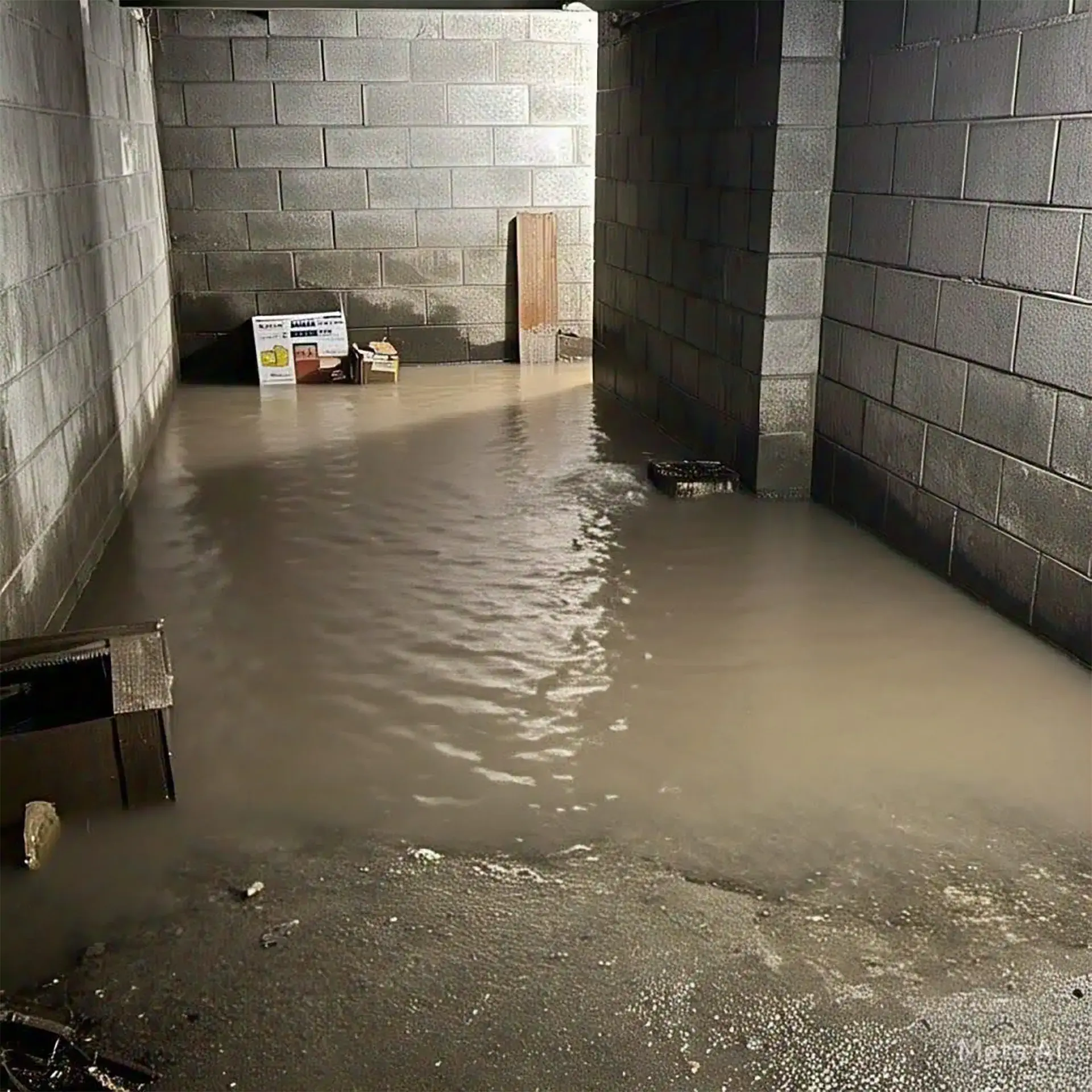
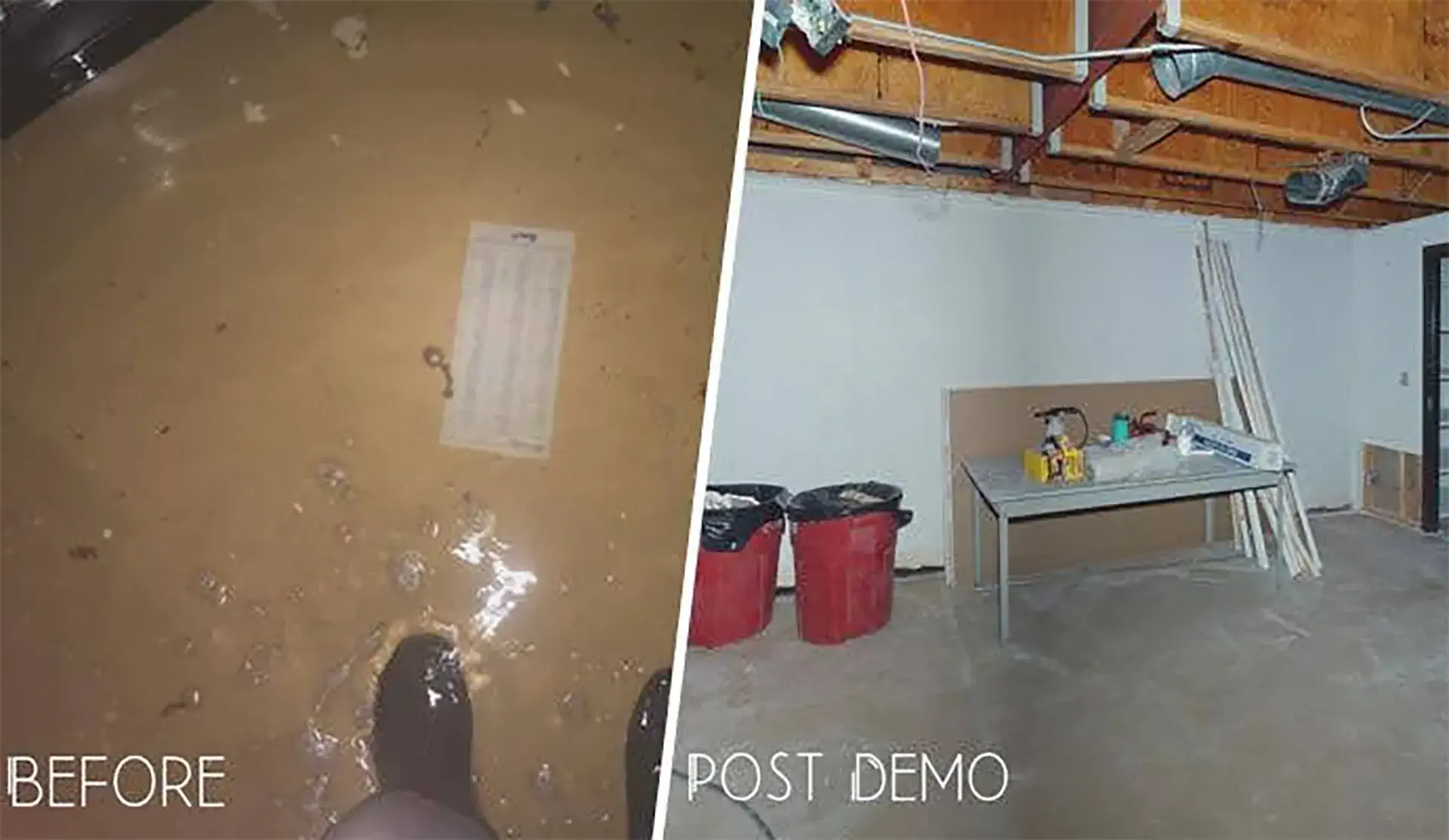
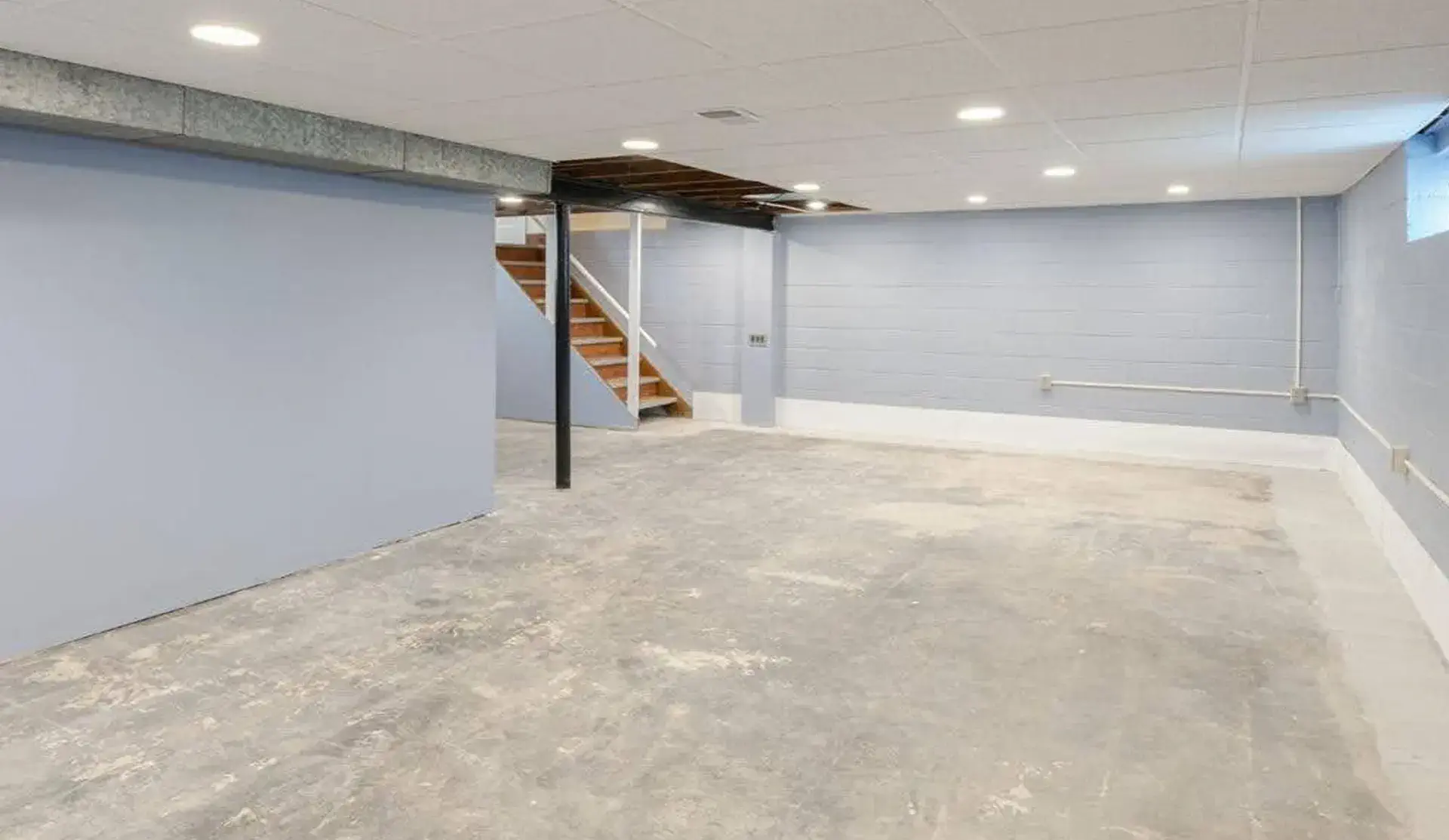
The difference shows how quickly a basement can be restored when water damage is handled properly. The space went from a flooded, unusable condition to a clean, dry, and protected basement.
This type of work is not just about cleaning up water. It is about identifying the cause, repairing the damage, and making sure the basement is better protected for the future.
Read more of our case studies here.
Basement Flood Damage Services in Brooklyn, Queens, Long Island & NYC
Basement flooding is a common problem across New York, especially in areas like Brooklyn, Queens, Long Island, the Bronx, and surrounding neighborhoods. Heavy rain, older drainage systems, high groundwater levels, and aging foundations all contribute to water entering basements in these regions.
That is why local experience matters when dealing with basement flood damage. Every area has different soil conditions, drainage challenges, and types of homes. A solution that works in one location may not be enough for another.
Brooklyn Basement Flood Damage Services
In Brooklyn, many homes experience basement flooding due to older foundations and limited exterior drainage space. Water often enters through foundation cracks or builds up around the home during storms.
Queens Basement Water Damage Cleanup
Queens properties often face flooding from heavy rainfall and saturated soil conditions. Basement water intrusion is commonly linked to poor grading or sump pump overload during storms.
Long Island Basement Flooding Solutions
On Long Island, homes are more exposed to groundwater pressure and drainage issues. Many basements require both emergency cleanup and long term waterproofing improvements to stay dry.
Bronx and NYC Basement Flood Services
In the Bronx and other NYC areas, aging infrastructure and dense construction can increase the risk of basement water problems. Quick response is important to prevent structural damage and mold growth.
At Zavza Seal, we provide basement flood damage services across all these areas. Our team responds quickly, removes water safely, and helps homeowners protect their properties with long lasting waterproofing and drainage solutions designed for New York conditions.
To learn more about the costing factors, read our basement flood damage services cost blog for more information.
Need Basement Flood Damage Services Near You?
If your basement has been affected by flooding, quick action is important. We provide full inspection, emergency response, and complete cleanup services to stop further damage.
We proudly serve NYC and Long Island, offering fast help when you need it most.
Our team provides:
- Free on-site assessments
- Emergency water removal and drying
- Full basement flood damage cleanup
- Waterproofing solutions to prevent future issues
- Structural repair and moisture protection expertise
Whether it is a small leak or major flooding, we are ready to restore your basement and protect your home long term.
Frequently Asked Questions
How much does basement flood cleanup cost?
The cost depends on how much water entered the basement and the level of damage. Small cleanups are cheaper, while major flooding with structural damage or mold removal costs more. A professional inspection is the best way to get an accurate estimate.
How long does basement drying take?
Most basements take between 24 to 72 hours to dry with professional drying equipment. If the flooding is severe or materials like drywall and insulation are wet, it may take longer.
Can basement flooding cause mold?
Yes. Mold can start growing within 24 to 48 hours after water exposure. This is why fast drying and proper moisture removal is very important after a flood.
Is basement flood damage covered by insurance?
It depends on your policy. Some insurance plans cover sudden water damage, but many do not cover flooding from groundwater or sewer backup unless you have special coverage.
Can waterproofing stop future basement flooding?
Yes, proper waterproofing can greatly reduce or even prevent future flooding. Systems like sump pumps, drainage solutions, foundation sealing, and exterior waterproofing all help protect your basement.
Should wet drywall be removed after flooding?
In most cases, yes. Wet drywall can hold moisture and lead to mold growth. If it has been soaked for more than a short period, replacement is usually recommended.