
Blog
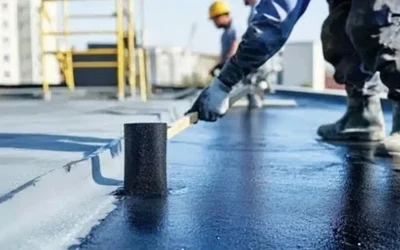
What Building Materials Can Licensed Waterproofing Contractors Inspect for Moisture Damage?
A small stain on a ceiling might point to a roof leak. A damp basement wall might indicate water intrusion through masonry. Soft flooring could be connected to moisture trapped beneath the subfloor....
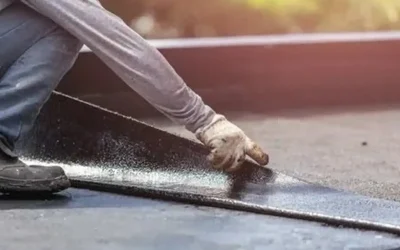
How Do Roof Waterproofing Services Prevent Water From Entering Through Roof Seams?
A roof does not have to develop a large hole before water finds its way inside. In many cases, moisture enters through much smaller openings, especially around roof seams, joints, flashing,...

Horizontal Hairline Crack in Wall: Causes, Risks, and When to Repair
A horizontal hairline crack in a wall can be easy to overlook. Because the crack is thin, many homeowners assume it is only a cosmetic issue. Sometimes that is true. But when a horizontal crack...
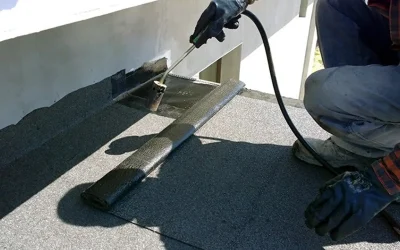
How Do Waterproofing Contractors Protect Masonry Walls From Long-Term Moisture Exposure?
Masonry walls are remarkably durable. Brick, concrete block, stone, and mortar can withstand decades of weather, temperature changes, and everyday wear. But even strong materials have a weak point:...
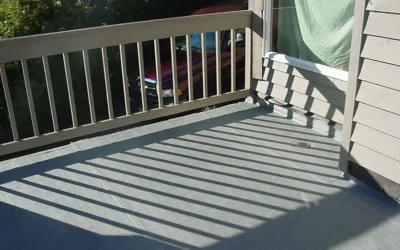
How Do Deck Waterproofing Contractors Protect Deck Expansion Joints From Water Intrusion?
Expansion joints may look like simple gaps in a deck, but they serve an important structural purpose. They allow adjoining sections of a structure to move slightly as temperatures change, materials...
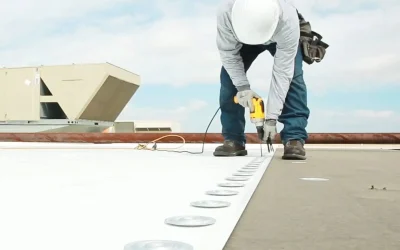
How Do Commercial Waterproofing Services Protect Expansion Joints in Large Buildings?
Large buildings are designed to move. That may sound strange at first, but controlled movement is a normal part of structural behavior. Temperature changes, wind, settling, vibration, and...
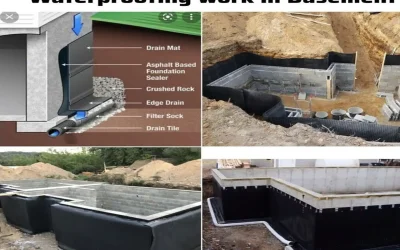
How Do Basement Waterproofing Systems Manage Water Under a Concrete Floor?
Water beneath a basement floor can seem mysterious. The concrete slab may look solid and completely sealed, yet moisture can still appear through cracks, joints, or damp spots. So where does that...

How Much Does Radon Mitigation Cost in New York?
If a radon test shows elevated levels in your New York home, your next question is probably, how much will radon mitigation cost? The answer depends on the size and layout of your home, its...
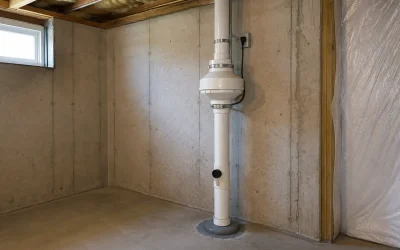
How Does a Radon Mitigation System Work? A Simple Guide
If a radon test shows elevated levels in your home, the next question is usually simple: How does a radon mitigation system actually work? In basic terms, a radon mitigation system pulls...
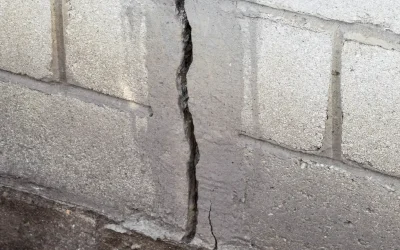
Radon Mitigation: Testing, Levels, Costs and Radon Mitigation Systems
Radon is not something you can see, smell or notice when you walk into a home. That is what makes it easy to overlook. This naturally occurring radioactive gas can move from the soil into a house...
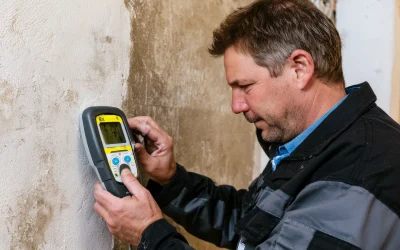
Moisture Meter: How to Find Hidden Moisture in Your Home
A wall can look dry and still have moisture hidden behind it. A ceiling stain may show that water has been present, but not where it came from. In a basement, a musty smell may be the first sign of...
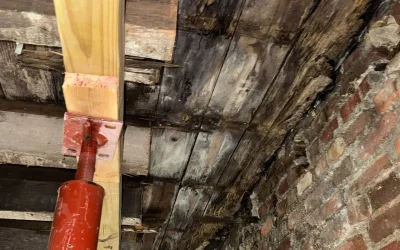
Types of Mold Found in Homes: A Complete Guide for Homeowners
Mold can grow in almost any home where moisture is present. It often appears after a leak, flood, high humidity, or poor ventilation. While many people think every dark patch is black mold, there...
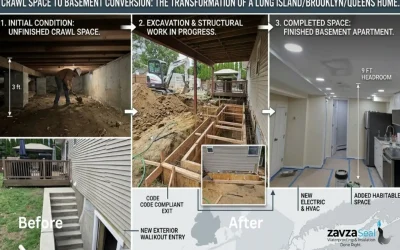
Crawl Space to Basement Conversion in Long Island, Brooklyn & Queens
A crawl space to basement conversion in Long Island can add 800 to 1,400 square feet to your home, but only if the finished floor lands on the right side of a line the city draws at the curb outside...

How Roof Waterproofing Services Improve the Lifespan of Residential Roofs?
A roof is much more than the top layer of a home; it acts as the primary shield against rain, snow, sunlight, and fluctuating temperatures. Over time, constant exposure to the elements can weaken...
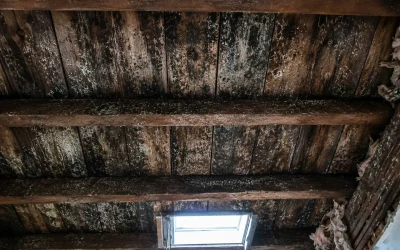
Mold on Wood: When Should Homeowners Be Concerned?
Finding mold on wood in your home can be concerning. Whether it is growing on basement beams, crawl space joists, attic wood, or around windows, it is usually a sign that moisture is present where...